Tunisia January Sahara Tour: Winter Desert Adventure Awaits
Choosing a Tunisia January Sahara Tour immerses you in the stark beauty of the world’s largest hot desert under crisp winter skies. Daytime temperatures hover between 55-65°F (13-18°C), perfect for exploring dunes and ancient oases without the scorching summer heat. This guide details itinerary planning, budget costs, cultural insights, and practical tips for your North African winter escape.
Essential Sahara Desert Information
The Tunisian Sahara covers southern regions like Tozeur, Douz, and Tataouine, featuring diverse landscapes from ergs (sand seas) to rocky hamadas. January is the coolest month, with nighttime temperatures often dropping to 35-45°F (2-7°C), requiring proper layering. This season sees minimal rainfall and offers clearer skies for astronomical observation away from urban light pollution.
Understanding Winter Desert Conditions
January transforms the Sahara into a temperate explorer’s paradise with unique advantages and considerations. You will encounter significantly fewer tourists compared to spring or fall, ensuring more intimate experiences. However, daylight hours are shorter, typically from 7:30 AM to 5:30 PM, requiring efficient daily planning.
- Temperature Range: Expect highs of 65°F (18°C) and lows near 40°F (4°C), with rapid drops after sunset requiring thermal layers and a quality sleeping bag for camping.
- Daylight Duration: Plan activities between 8 AM and 5 PM, maximizing the soft golden light ideal for photography across the undulating dunes.
- Tourist Volume: January sees 60-70% fewer visitors than March or April, allowing for secluded moments at popular sites like Chott el Jerid salt lake.
- Budget Traveler ($1,200-$1,800): Includes hostels or basic hotels, shared group tours, local meals, and public transportation. Expect to camp in shared tents and join scheduled departures from Douz or Tozeur.
- Mid-Range Explorer ($1,800-$2,500): Features comfortable 3-star hotels in oases, private 4×4 tours for two or four people, and mixed dining. This option often includes knowledgeable English-speaking guides and better camping equipment.
- Luxury Adventurer ($2,500-$4,000): Covers boutique hotels like Dar Hi in Nefta, exclusive guided expeditions, and gourmet meals. Luxury camps provide heated tents, private bathrooms, and dedicated staff for a seamless desert experience.
- Tunisia National Tourist Office
- Lonely Planet Tunisia Travel Guide
Historical and Cultural Context
Tunisia’s desert regions hold millennia of history, from Roman outposts to traditional Berber and Bedouin communities. Key sites include ancient ksour (granaries) and Star Wars filming locations that dot the landscape around Matmata. Engaging with local guides provides insights into nomadic traditions that have adapted to modern tourism while preserving heritage.
Respectful interaction involves understanding conservative dress codes in rural villages and seeking permission before photographing individuals. Many desert communities rely on tourism, so supporting locally-owned camps and purchasing handicrafts directly benefits the economy. Your visit contributes to sustaining cultural practices in remote areas.
Key Geographic Features
The Tunisian Sahara isn’t just endless sand; it encompasses salt flats, mountain ranges, and palm-fringed oases. Chott el Jerid, a massive seasonal salt lake, presents a mesmerizing white landscape easily visited on route to Douz. The Grand Erg Oriental offers classic rolling dunes accessible via 4×4 tours from Tozeur.
Oasis towns like Chebika and Tamerza feature stunning canyon waterfalls and historic settlements. These locations provide refreshing greenery contrast against the arid surroundings, perfect for midday breaks. Their elevation also offers panoramic views over the desert plains below.
Planning Your Tunisia January Sahara Tour
Organizing your Tunisia January Sahara Tour requires attention to seasonal specifics, from booking timelines to gear selection. Secure flights and desert tours at least two months in advance, as January is a popular European winter break period. Allocate a budget of $1,200-$2,500 per person for a 7-10 day itinerary covering flights, tours, and meals.
Focus your itinerary on southern Tunisia, using cities like Tozeur or Douz as hubs for multi-day desert excursions. Consider joining a small group tour for logistics ease or hiring a private guide for customized routes. Always confirm that your tour operator provides winter-appropriate camping equipment and reliable 4×4 vehicles.
Best Time to Visit the Tunisian Sahara
January stands as the prime month for comfortable desert exploration, balancing cool temperatures with accessible conditions. Daytime averages 55-65°F (13-18°C), ideal for hiking and photography without excessive heat fatigue. Nighttime requires warm attire, as temperatures frequently dip to 35-45°F (2-7°C), especially in open desert camps.
The shoulder months of December and February offer similar climates with slightly warmer nights. Avoid late fall when sudden sandstorms can disrupt travel, and skip summer when temperatures exceed 104°F (40°C). For clear skies and minimal crowds, book your trip between early January and mid-February.
Budget Planning and Costs
Your total expenditure depends on accommodation style, tour private versus group, and dining preferences. Flights from Europe to Tunis cost $400-$700 roundtrip in January, with domestic flights to Tozeur adding $100-$150. Desert tour packages range from basic camping to luxury glamping experiences.
Essential Preparation Checklist
Packing for a January Sahara tour requires layers: moisture-wicking base layers, insulating mid-layers like fleece, and windproof outer shells. Footwear should include sturdy hiking boots for sandy terrain and comfortable shoes for oasis walks. Always bring a warm hat, gloves, and a high-quality sleeping bag rated for at least 30°F (-1°C) if camping.
Documentation needs include a passport valid six months beyond your stay; US and EU citizens receive a 90-day visa on arrival. Purchase comprehensive travel insurance covering 4×4 desert excursions and potential trip interruptions. Book key tours and inland flights before departure to guarantee availability during this popular season.
Top Attractions and Desert Activities
Tunisia’s Sahara delivers unforgettable landscapes and cultural encounters from cinematic salt flats to nomadic gatherings. Prioritize visits to Chott el Jerid at sunset for phenomenal color reflections across the salt crust. The mountain oases of Chebika and Tamerza offer hiking trails past waterfalls and abandoned Berber villages.
Adventure seekers can try sandboarding on the dunes near Douz or camel trekking to remote camping spots. Cultural enthusiasts should time their visit for the International Sahara Festival in Douz, typically held in December or January, featuring traditional music and racing. Each activity showcases the desert’s diverse appeal beyond simple sightseeing.
Must-See Highlights and Landmarks
Star Wars filming locations around Matmata and Tataouine, like the iconic Luke Skywalker’s home, attract fans and photographers alike. These sets blend into the rocky landscape, offering insight into the area’s otherworldly aesthetics. Guided tours from Gabes or Medenine provide context and access to multiple sites in one day.
The fortified granaries (ksour) of Ksar Ouled Soltane and Ksar Haddada exhibit remarkable Berber architecture designed for collective storage. Visiting these structures highlights historical adaptation to harsh environments and trade routes. Entrance fees are minimal, usually $2-$5 per person, and local guides are available for detailed explanations.
Douz, dubbed the “Gateway to the Sahara,” hosts a vibrant market where Bedouin communities trade livestock and crafts. The surrounding palm groves offer peaceful walking paths contrasting with the open desert. Arrange a sunset 4×4 ride into the dunes directly from town for an effortless immersion.
Hidden Gems and Local Favorites
Venture to the remote oasis of Ksar Ghilane for natural hot springs surrounded by towering dunes, requiring a 4×4 journey from Douz. This area features basic camps and one luxury resort, allowing for thermal bathing under star-filled skies. Visit on weekdays to avoid domestic tourist crowds from larger cities.
Explore the underground troglodyte homes in Matmata, where some families still reside in courtyard dwellings carved into the earth. These structures maintain cool temperatures year-round and house small museums or guesthouses. Engaging with residents offers authentic perspectives on sustainable desert living.
Adventure and Photography Opportunities
January’s angled sunlight creates long shadows and rich colors across dune crests, perfect for landscape photography. Pre-dawn starts capture the soft blue hour before sunrise, while late afternoons yield golden hour brilliance. Use a polarizing filter to reduce glare from salt flats and enhance sky contrast.
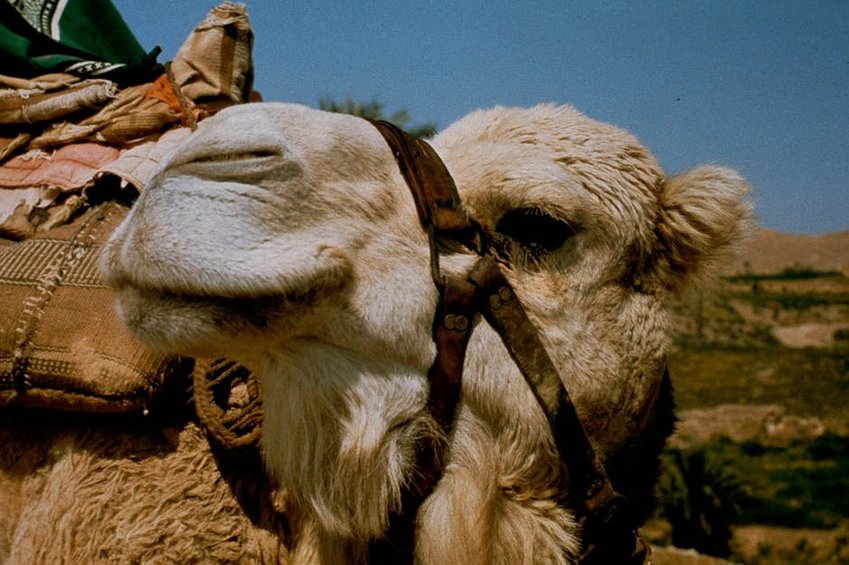
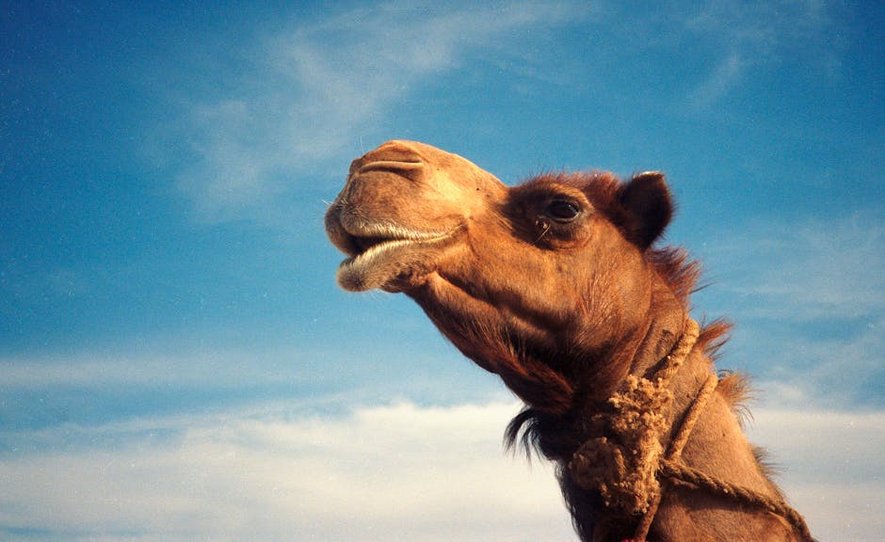
Camel treks from Douz or Tozeur provide silent transportation deep into dune fields, often including overnight camping. For more adrenaline, book a quad biking excursion along designated desert trails near populated oases. Always verify operator safety certifications and insurance coverage before participating.
Practical Travel Information and Logistics
Reaching Tunisia’s Sahara involves flying into Tunis-Carthage International Airport (TUN), then connecting south via domestic flight, train, or rental car. Domestic flights to Tozeur (TOE) take 90 minutes and cost $80-$120 one way, operating daily. Overnight trains from Tunis to Gabes or Metlaoui offer budget options but require subsequent taxi transfers.
Within the desert region, 4×4 vehicles are essential for off-road travel; rent from reputable agencies in Tozeur or Douz for $70-$120 per day including driver-guide. Public louages (shared taxis) connect major towns but won’t access remote sites. Download offline maps via Maps.me and carry physical cash for fuel and small villages.
| Accommodation Type | Features and Recommendations | Price Range (USD per night) |
|---|---|---|
| Desert Camping | Basic shared tents, communal meals, guided activities; operators like Sahara Dreams offer winter packages. | $50-$100 |
| Oasis Hotels | 3-star properties with heating, pools, and on-site restaurants; Hotel Ksar Rouge in Tozeur is reliable. | $80-$150 |
| Boutique/Luxury | Designer stays like Dar Hi in Nefta with panoramic views, spa, and curated excursions. | $200-$400 |
| Guesthouses (Gîtes) | Family-run homes in villages like Chenini, offering authentic meals and cultural exchange. | $30-$60 |