Trabzon Travel Guide
Exploring Trabzon offers a compelling blend of Byzantine history, dramatic Black Sea coastline, and lush highland plateaus. This northeastern Turkish city serves as a gateway to ancient Sumela Monastery and the serene tea plantations of the Kaçkar Mountains foothills. This Trabzon travel guide provides essential logistics, cultural insights, and itinerary advice for navigating its unique landscapes and heritage.
Essential Trabzon Information
Trabzon’s strategic location on historic Silk Road routes cultivated a rich, multicultural past visible in its architecture and cuisine. Founded as a Greek colony, it later flourished as the capital of the Empire of Trebizond. Today, the city balances this deep history with its role as a vibrant commercial hub for Turkey’s eastern Black Sea region.
The climate here is humid subtropical, with significant rainfall distributed throughout the year fostering the famous green scenery. Summers are warm and humid, while winters are cool and wet, with mountain areas receiving snow. This climate directly influences both agricultural output, like hazelnuts and tea, and the ideal travel seasons for visitors.
Key Facts and Figures
Understanding a few core facts helps with initial planning for this distinctive destination.
- Trabzon Province population exceeds 800,000, with the urban center housing roughly 300,000 residents, creating a busy yet manageable city atmosphere.
- The local time zone is Turkey Time (GMT+3), which is one hour ahead of Moscow and eight hours ahead of U.S. Eastern Standard Time during standard periods.
- Primary languages are Turkish and a local Laz dialect, though basic English is understood in tourist hotels and major historical sites like Hagia Sophia Museum.
- Budget travelers can manage on $35-$50 USD per day using hostels, public dolmuş rides, street food like balık ekmek (fish sandwiches), and free site visits to parks and bazaars.
- Mid-range visitors spending $80-$120 USD daily afford comfortable hotel rooms, taxi rides between sites, restaurant meals, and entrance fees for major museums and guided day tours to Uzungöl.
- A luxury experience at $200+ USD per day includes stays at top hotels like the Novotel, private guided tours with drivers to Sumela, and fine dining featuring Black Sea specialties like hamsi (anchovies).
- Republic of Turkey Ministry of Culture and Tourism – Trabzon
- Wikitravel Trabzon Guide
Historical and Cultural Context
Trabzon’s history is a layered tapestry of empires and trade. Its most famous era was as the capital of the Empire of Trebizond, a Byzantine successor state that lasted until 1461. This legacy is central to the city’s identity, distinguishing it from other Turkish destinations. The iconic Sumela Monastery, clinging to a cliff face, is the most potent symbol of this period.
Following Ottoman conquest, the city continued as a vital port. Mustafa Kemal Atatürk visited multiple times, and his villa is now a museum. The local culture reflects this blend, with traditional Black Sea folk music and dance, like the horon, existing alongside modern Turkish life. Recognizing this context enriches a visit significantly.
Visa and Entry Requirements
Most Western travelers need an e-Visa for Turkey, which is a straightforward online process. U.S., U.K., Canadian, and Australian passport holders can apply for a single-entry e-Visa valid for 90 days within a 180-day period. The current fee is approximately $50 USD, payable online with a credit card shortly before travel.
Ensure your passport is valid for at least six months beyond your entry date. While not always checked, having proof of onward travel and accommodation reservations is advisable. The process at Trabzon Airport is typically efficient for those with approved e-Visas in hand.
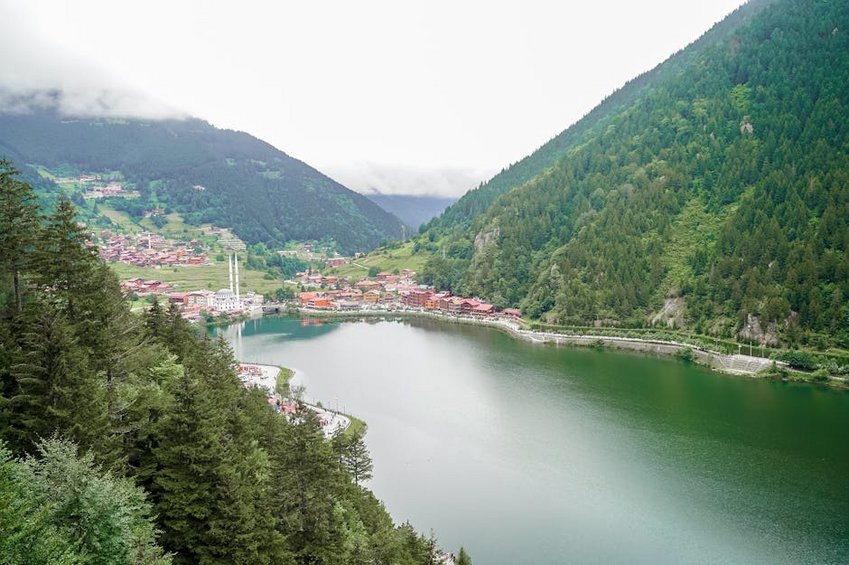
Alt: “trabzon-city-panorama-black-sea-coastline-hills”
Trabzon Travel Guide – Planning Your Trip
Effective planning for this region requires attention to seasonality and transportation links. The city itself is a base, with many key attractions located in the surrounding countryside or mountains. Allocating time for both urban exploration and day trips is crucial for a balanced itinerary that captures the area’s essence.
Budget considerations vary widely. Street food and public transport are very affordable, while guided tours to remote sites and comfortable hotels represent larger costs. Planning a Trabzon travel itinerary involves balancing historical exploration with natural scenery, as the province’s beauty lies in its dramatic contrasts between sea and highland.
Best Time to Visit Trabzon
The optimal months for a visit are between late May and September. During this period, daytime temperatures range from 70°F to 82°F (21°C to 28°C), and rainfall is lower, making outdoor exploration and trips to Sumela Monastery or Uzungöl Lake most pleasant. This is peak season, so accommodation prices are higher and sites are busier.
Shoulder seasons in April-May and October offer cooler temperatures, between 55°F and 68°F (13°C to 20°C), and thinner crowds. Winter, from November to March, sees cool, wet weather with temperatures of 40°F to 50°F (4°C to 10°C) in the city and snow in the mountains, which can be atmospheric but may limit access to some highland areas.
Budget Planning and Costs
Daily costs can be tailored to different travel styles, from backpacking to comfortable tours.
Essential Preparation Checklist
Packing should account for changeable weather. Include a waterproof jacket, comfortable walking shoes for uneven terrain, layers for cool evenings, and a power adapter for Type F sockets (220V). A Turkish phrasebook app is useful, as is a local SIM card for navigation, which can be purchased at the airport.
Essential documentation includes your passport, e-Visa printout, and travel insurance that covers medical evacuation. Book accommodations and domestic flights well in advance for summer travel. For those planning to drive in the mountains, an International Driving Permit is required alongside your national license.
Top Attractions and Activities
Trabzon’s appeal lies in its dramatic combination of human history and natural beauty. The urban center holds significant monuments, while short drives reveal stunning landscapes. A well-paced visit dedicates time to both spheres, allowing for the appreciation of ancient artistry alongside the region’s famous green vistas.
Many activities revolve around historical exploration and scenic drives. Visiting the Hagia Sophia of Trabzon provides insight into Byzantine art, while a stroll through the bustling Atatürk Alani square offers a taste of modern local life. Allocating at least two full days for excursions beyond the city limits is highly recommended to experience the province’s full scope.
Must-See Historical Highlights
Sumela Monastery is the undisputed top attraction. This 4th-century Greek Orthodox monastery is built into a cliff face at an altitude of 1,200 meters within Altındere National Park. The drive takes about 90 minutes from the city, and visiting involves climbing a steep path. The fresco-covered rock church and breathtaking valley views justify the effort.
In the city, the Trabzon Hagia Sophia Museum is essential. This 13th-century church exemplifies Komnenian architecture and features exquisite floor mosaics and faded but beautiful frescoes. Atatürk Köşkü, a historic mansion museum set in gardens with sea views, offers a look at early 20th-century elegance and the founder of modern Turkey’s connection to the region.
Natural Wonders and Scenic Escapes
Uzungöl (Long Lake) is a famous mountain lake settlement approximately 1.5 hours southeast of Trabzon. Surrounded by dense forest and peaks, it offers a serene, if increasingly developed, landscape. It’s ideal for a day trip featuring a lakeside walk, simple trout restaurants, and photography, especially in the early morning mist.
Sera Lake (Sera Gölü), closer to the city, is a smaller, tranquil crater lake formed by a 1950s landslide, perfect for a shorter escape. For dedicated hikers, the foothills of the Kaçkar Mountains offer trails starting from villages like Ayder, accessible in a long day trip or overnight stay, showcasing waterfalls and high pastures.
Local Markets and Bazaar Exploration
No visit is complete without experiencing the vibrant local commerce. The Trabzon Bazaar, centered around Kunduracılar Street, is a dense network of shops selling everything from local teas and hazelnuts to copperware and textiles. It’s less tourist-oriented than Istanbul’s Grand Bazaar, providing an authentic glimpse of daily life and commerce.
For a specialized food experience, visit the fish market near the port. Here, you can see the day’s catch from the Black Sea, including the prized hamsi. Early mornings are most active. Engaging respectfully with vendors, even with simple gestures, can be a rewarding cultural interaction.
Practical Travel Information
Navigating Trabzon and its surroundings is straightforward with some basic knowledge. The city has a compact center that is walkable, while buses and dolmuş (shared minibuses) connect to suburbs and nearby towns. For maximum flexibility, especially for visiting Sumela or Uzungöl, renting a car or hiring a driver for the day is often the best solution.
Accommodation options range from international business hotels to family-run pensions and boutique properties. Staying near Meydan Square (Atatürk Alani) places you within walking distance of major city sights, restaurants, and transport hubs. For a quieter atmosphere closer to nature, consider lodging near Boztepe Hill or in the villages around Uzungöl.
| Accommodation Type | Options and Features | Price Range (USD/Night) |
|---|---|---|
| Budget Guesthouse | Simple rooms, shared bathroom, central location near bazaar, basic breakfast included. | $25 – $40 |
| Mid-Range Hotel | Private rooms with ensuite, modern amenities like WiFi, on-site restaurant, helpful staff. | $60 – $100 |
| Boutique Hotel | Historic building conversion, unique decor, personalized service, prime city center location. | $110 – $180 |
| Uzungöl Lake Resort | Scenic mountain views, wooden bungalow-style rooms, on-site dining focused on local trout. | $80 – $150 |