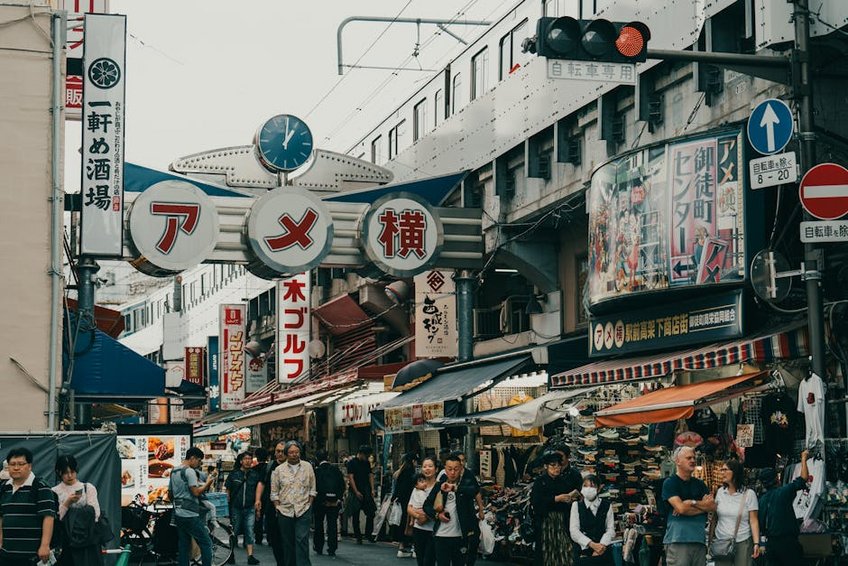
Tokyo Travel Guide
Tokyo, Japan’s vibrant capital, is a mesmerizing fusion of cutting-edge technology, deep-rooted traditions, and unparalleled urban energy. This sprawling metropolis offers everything from serene ancient temples and bustling fish markets to towering skyscrapers and world-class dining. Our comprehensive Tokyo travel guide provides the essential insights and practical tips you need to navigate this incredible city efficiently and experience its many layers, ensuring a trip that’s as smooth as it is unforgettable.
Essential Tokyo Information
Tokyo is not just a city; it’s a prefecture comprising 23 special wards, numerous cities, towns, and islands, with a population exceeding 13 million. The city’s history is palpable, having been known as Edo until 1868 when it became the imperial capital. Understanding this vast scale and layered past is the first step to appreciating its contemporary dynamism.
The city operates on a highly efficient and safe public transportation system, primarily the JR East trains and the Tokyo Metro. English signage is widespread in major stations and tourist areas, making navigation surprisingly manageable. For Western visitors, the juxtaposition of hyper-modern districts like Shibuya with historic areas like Asakusa is a constant source of fascination.
Key Neighborhoods and Their Vibes
Each district in Tokyo has a distinct personality and primary attraction.
- Shibuya: Famous for the iconic Shibuya Scramble Crossing, this area pulses with youth culture, massive department stores, and vibrant nightlife, perfect for shopping and people-watching.
- Shinjuku: A major commercial and administrative center, home to the Metropolitan Government Building’s free observatories, the electrifying Kabukicho entertainment district, and serene Shinjuku Gyoen National Garden.
- Asakusa: The heart of old Tokyo, where you’ll find the magnificent Senso-ji Temple, Nakamise shopping street for traditional snacks and souvenirs, and a more traditional, slower-paced atmosphere.
- Budget ($70-100/day): Capsule hotel or budget hostel ($30-50), meals from convenience stores or standing noodle bars ($20-30), using public transport passes ($5-10), and enjoying free sights like parks and temple grounds.
- Mid-Range ($150-250/day): Comfortable business hotel room in a central ward ($80-120), dining at casual sit-down restaurants and some specialty cafes ($40-60), paid entry to 1-2 attractions like museums or Tokyo Skytree ($20-30), and more flexible transport.
- Luxury ($400+/day): High-end hotel in Ginza or Roppongi ($250+), gourmet multi-course kaiseki or Michelin-starred meals ($100-200), private guided tours or car transfers ($100+), and premium experiences like tea ceremonies or Kabuki theater.
- Japan National Tourism Organization (JNTO)
- Tokyo Metropolitan Government Official Travel Guide
- Tokyo Metro Subway System
Cultural Context and Etiquette Basics
Japanese culture emphasizes respect, cleanliness, and order, which is evident in daily Tokyo life. A few key practices will enhance your experience and show respect for local customs. Bowing is a common greeting, though a polite nod is perfectly acceptable for visitors.
When entering homes, traditional inns (ryokan), and even some restaurants, you are expected to remove your shoes. It’s also crucial to avoid speaking loudly on public transport, eating while walking, and tipping at restaurants, as it is not a customary practice. Mastering a few phrases like “Arigatou gozaimasu” (thank you) is always appreciated.
Climate and Weather Patterns
Tokyo experiences four distinct seasons, each offering a different travel experience. Summers (June-August) are hot and humid, with temperatures often reaching 86°F (30°C) and a rainy season in June. This is festival season, but requires light clothing and hydration.
Spring (March-May) and autumn (September-November) are widely considered the best times to visit. Spring brings the famous cherry blossoms and mild temps of 50-70°F (10-21°C). Autumn offers crisp air, beautiful foliage, and similar comfortable temperatures, ideal for extensive exploration.
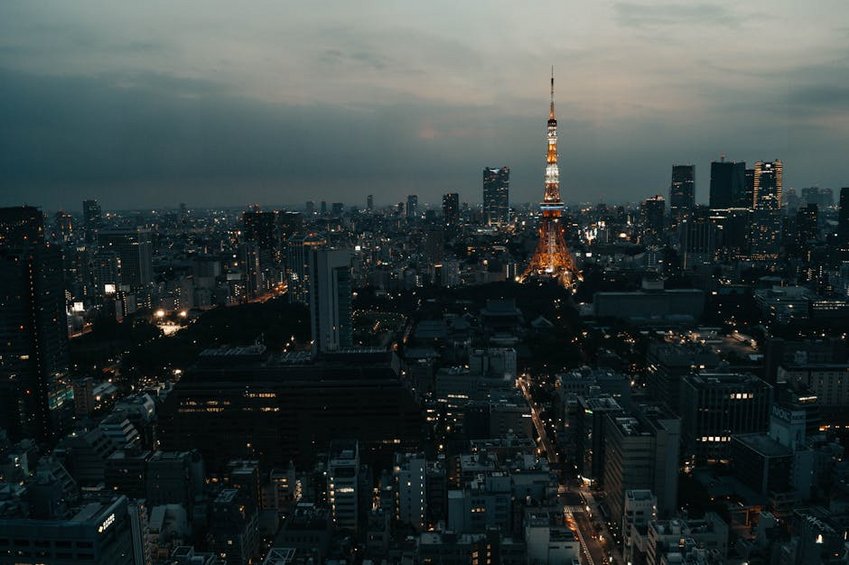
Alt: “shibuya-scramble-crossing-tokyo-japan-urban-nightlife”
Tokyo Travel Guide – Planning Your Trip
Effective planning is crucial for a Tokyo vacation due to the city’s size and density. Start by deciding your travel priorities—be it food, history, pop culture, or shopping—as this will determine your ideal base neighborhood and daily itinerary. Booking accommodations and popular attractions well in advance is highly recommended, especially during peak seasons like cherry blossom period.
Budgeting requires careful thought. While luxury experiences abound, Tokyo can be explored on a moderate budget through affordable capsule hotels, convenience store meals (which are excellent), and free attractions like temple grounds and park walks. Purchasing a rechargeable Suica or Pasmo card upon arrival is essential for seamless travel on all trains and buses.
Best Time to Visit Tokyo
The optimal months are late March to early April for cherry blossoms and late October to November for autumn colors. During these periods, daytime temperatures range from a pleasant 55-70°F (13-21°C). Be prepared for higher accommodation prices and crowds, requiring bookings 4-6 months in advance.
Shoulder seasons like May and September offer good weather with fewer tourists. Winter (December-February) is cold, with averages of 35-50°F (2-10°C), but is perfect for onsen (hot spring) visits, holiday illuminations, and lower travel costs, despite being less ideal for long outdoor days.
Budget Planning and Costs
Daily costs vary dramatically based on style. Here’s a realistic breakdown for a per-person daily budget.
Essential Preparation Checklist
Secure your Japan Tourist Visa waiver (for eligible passport holders) and ensure your passport is valid for your entire stay. Book your flights and first few nights’ accommodation early, especially if traveling during peak seasons. Purchase comprehensive travel insurance that covers medical emergencies and trip interruptions.
Pack comfortable walking shoes, a portable Wi-Fi router or SIM card for constant navigation, and a power adapter for Japan’s Type A/B outlets (100V). Learn a few basic Japanese phrases and download essential apps like Google Translate, Japan Official Travel App, and a train navigation app such as JapanTravel by Navitime.
Top Attractions and Must-See Districts
Tokyo’s attractions are as diverse as the city itself, spanning ancient spiritual sites, futuristic observatories, and bustling cultural crossroads. Allocate your time based on personal interest, as crossing the city can take significant time. Prioritize one or two major districts per day to minimize transit fatigue and allow for deeper exploration.
Many top sights are architectural marvels or immersive cultural experiences rather than traditional museums. The energy of places like Akihabara’s Electric Town or the Tsukiji Outer Market is a key part of the attraction. Always check for seasonal events or temporary closures before your visit.
Iconic Landmarks and Viewpoints
The Tokyo Skytree in Sumida ward is the world’s tallest tower at 634 meters, offering breathtaking 360-degree views from its Tembo Galleries. For a free alternative, the Tokyo Metropolitan Government Building in Shinjuku has twin observation decks with impressive vistas of Mount Fuji on clear days. Both provide unparalleled perspectives of the urban sprawl.
Senso-ji, Tokyo’s oldest Buddhist temple in Asakusa, is a must for its majestic Kaminarimon (Thunder Gate) and bustling Nakamise-dori approach. The adjacent Meiji Jingu shrine in Shibuya offers a stark contrast—a serene forested oasis dedicated to Emperor Meiji, right in the heart of the city.
Cultural and Historical Experiences
For a deep dive into Japanese art and history, the Tokyo National Museum in Ueno Park houses the world’s largest collection of Japanese artifacts. The Edo-Tokyo Museum in Ryogoku provides fascinating insights into the city’s transformation from the Edo period to the modern metropolis, though check for reopening dates after its renovation.
To witness the intersection of traditional and modern pop culture, visit the digital art installations at teamLab Planets in Toyosu or the Ghibli Museum in Mitaka for fans of Studio Ghibli animations. Both require tickets purchased well in advance, often months ahead for Ghibli.
Shopping and Pop Culture Havens
Harajuku’s Takeshita Street is the epicenter of quirky youth fashion and colorful snack foods. For high-end luxury shopping, the Ginza district features flagship stores and department houses like Mitsukoshi. Akihabara is a paradise for electronics, anime, manga, and video game enthusiasts, filled with multi-story arcades and specialty shops.
Practical Travel Information
Navigating Tokyo is famously efficient but can be intimidating. The city is served by two major airports: Narita International Airport (NRT) for most international flights and Haneda Airport (HND), which is closer to the city center. Upon arrival, purchase your Suica card and activate your portable Wi-Fi, which you can often rent at the airport or have delivered to your hotel.
Accommodation choices are vast. Western-style hotels cluster in Shinjuku, Shibuya, and Ginza. For a traditional experience, consider a ryokan in an area like Asakusa. For budget travelers, capsule hotels and business hotels offer clean, compact, and convenient options, often located directly above major train stations.
| Category | Options/Features | Price Range (USD) |
|---|---|---|
| Accommodation | Capsule Hotel, Business Hotel, Luxury Western Hotel, Traditional Ryokan | $30 – $400+ per night |
| Dining | Convenience Store (Konbini), Ramen Shop, Mid-Range Restaurant, High-End Kaiseki | $5 – $200+ per meal |
| Major Attractions | Senso-ji (Free), Tokyo Skytree, Ghibli Museum, teamLab Planets, Imperial Palace Gardens | $0 – $30 per entry |
| Transportation | Single Metro Ticket, 24/48/72-Hr Metro Pass, JR Pass (for regional travel), Taxi | $2 – $30 per day |