Thematic Museum Tours in Istanbul
Istanbul’s museums stretch far beyond crowded halls of ancient artifacts, offering deeply focused journeys into specific chapters of human history, artistic expression, and cultural evolution. A thematic museum tour transforms a simple visit into a curated exploration, allowing you to trace a single compelling narrative—like Ottoman imperial splendor, Byzantine mosaics, or modern Turkish art—across multiple specialized institutions. This guide details how to design your own focused itinerary, from selecting your theme and purchasing combined tickets to navigating the city’s diverse districts for a coherent and profoundly enriching cultural experience.
Understanding Istanbul’s Museum Landscape
Istanbul’s cultural institutions are not monolithic; they are a diverse tapestry reflecting the city’s layered past. Unlike single-period museums, thematic tours connect dots across time and location, providing context often missed in broader surveys. This approach turns sightseeing into storytelling, where each venue contributes a chapter to a larger, more understandable whole.
The city’s museums are administered by various entities, including the Turkish Ministry of Culture, private foundations, and municipal authorities. This affects everything from opening hours to ticket pricing structures. Planning thematically often reveals discount passes and streamlined routes that save both time and money while offering a deeper intellectual payoff.
Key Themes to Explore
Your tour’s success begins by choosing a lens through which to view the city’s history. Popular themes leverage Istanbul’s unique position at the crossroads of empires and artistic traditions.
- Imperial Ottoman Legacy: Follow the narrative of sultans and statecraft from the opulent Topkapi Palace treasury and Harem quarters to the military innovations displayed at the Istanbul Military Museum and the classical architecture of the Imperial Mosque complexes.
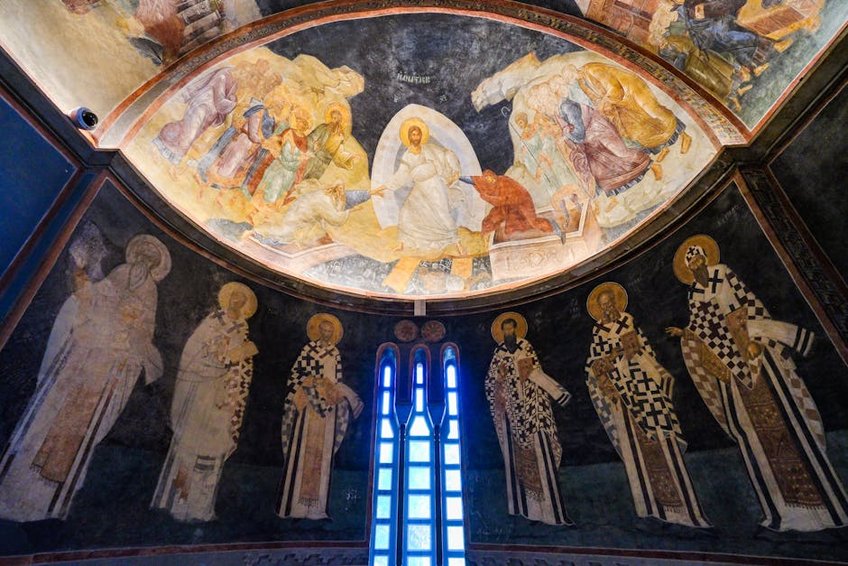
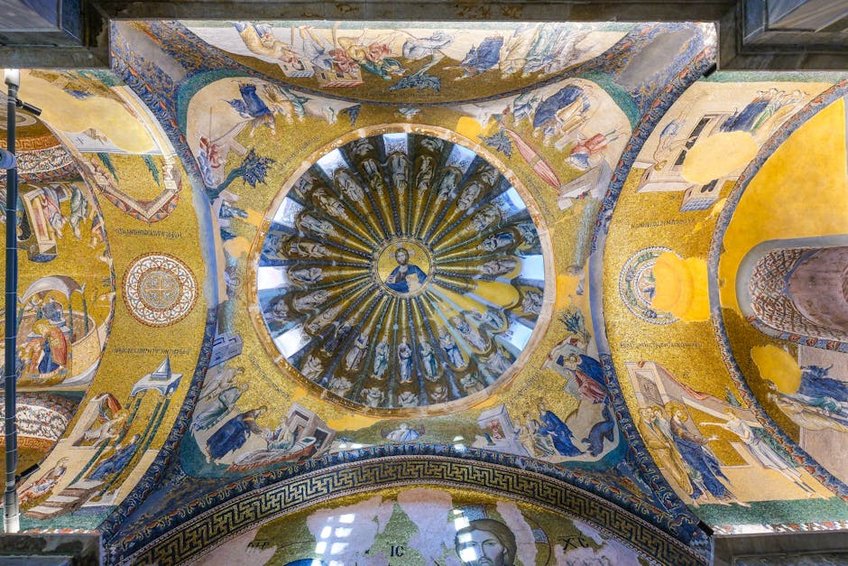
- Byzantine Brilliance: Delve into the Eastern Roman Empire by comparing the monumental scale of Hagia Sophia’s architecture with the intimate, exquisite mosaics of the Chora Church (Kariye Museum) and the subterranean wonder of the Basilica Cistern’s Medusa heads.
- Turkish Arts & Calligraphy: Trace the evolution of Islamic art from ornate manuscripts and ceramic tiles at the Museum of Turkish and Islamic Arts to the contemporary interpretations found at the Istanbul Modern or the Pera Museum, showcasing a living artistic tradition.
- Budget Traveler ($30-$50/day): Rely on the Istanbul Museum Pass for entry, use public transit (trams and metro), and stay in hostels or budget hotels in Fatih. Self-guide using curated audio tours from reputable apps and focus on free-admission days at municipal museums.
- Mid-Range Explorer ($80-$150/day): Combine the Museum Pass with 1-2 private half-day thematic tours for deeper insight. Stay in a boutique hotel in Beyoglu, use occasional taxis for efficiency, and enjoy meals at mid-range restaurants near cultural districts like Cihangir or Karakoy.
- Luxury Culturalist ($250+/day): Book multi-day, fully private tours with academic experts tailored to your specific interest (e.g., “Byzantine Icons” or “Ottoman Textiles”). Stay at five-star hotels in Sultanahmet with concierge museum access, and use private drivers for seamless transfers between appointments.
- Istanbul.com Museum Guide
- Turkish Ministry of Culture and Tourism – Museums
Benefits of a Thematic Approach
A focused tour mitigates museum fatigue by providing a clear, engaging storyline. You move from passive observer to active researcher, comparing artifacts and architectural styles across locations. This method creates stronger memories and a more nuanced understanding than hopping randomly between unrelated highlights.
Logistically, thematic planning is efficient. You can group visits geographically, minimizing cross-city travel. It also allows you to target your research, reading about a specific era or art form beforehand, which dramatically increases what you notice and appreciate during your actual visits. The depth gained is well worth the slight narrowing of scope.
Navigating Tickets and Logistics
Investigate the Istanbul Museum Pass, which provides access to many major thematic sites over a consecutive 5-day period, bypassing ticket lines. Always verify current opening days, as many museums close on Mondays or Tuesdays. Allocate at least 2-3 hours for major venues like Topkapi and Hagia Sophia to fully engage with your chosen theme without rushing.
Alt: “topkapi-palace-harem-courtyard-ottoman-architecture-istanbul”
Thematic Museum Tours in Istanbul – Planning Your Trip
Designing a cohesive museum journey requires balancing your interests with practical realities. Start by identifying your primary theme, then map the relevant institutions on a city plan to visualize travel routes between them. We recommend dedicating a full day to a single theme to maintain focus and avoid mental clutter, allowing connections between sites to resonate fully.
Budget approximately $70-$100 USD for a 5-day Istanbul Museum Pass, which covers most major thematic sites. For private, expert-led thematic tours focusing on niches like archaeology or calligraphy, expect to pay $120-$250 per person for a half-day experience. These specialized guides provide academic context you cannot get from an audio guide or plaque.
Book major museum entries online whenever possible, especially for Hagia Sophia and Topkapi Palace, to secure timed slots and avoid wasting hours in queues. Accommodation in the Sultanahmet or Beyoglu districts places you within walking distance or short transit rides to most major cultural clusters, streamlining your daily itinerary significantly.
Best Time to Visit Istanbul’s Museums
The ideal months for comfortable museum touring are April-May and September-October, when daytime temperatures range from 60-75°F (15-24°C) and crowds are thinner than in peak summer. These shoulder seasons offer pleasant weather for walking between sites located in the historic peninsula.
Winter (November-March) sees fewer tourists and shorter lines, with temperatures between 40-50°F (4-10°C), but some smaller museums may have reduced hours. Summer (June-August) brings intense heat, often above 86°F (30°C), and dense crowds, making early morning visits essential for popular locations. Weekdays are always preferable to weekends for a quieter experience.
Budget Planning and Costs
Costs vary based on how independently you travel versus opting for guided expertise.
Essential Preparation Checklist
Pack comfortable walking shoes with good support for cobblestone streets and museum floors. Bring a lightweight scarf or shawl; many mosques and religious sections of museums require covered shoulders and heads for women. A portable power bank is crucial for using digital guides and maps throughout long days away from outlets.
Ensure your travel insurance covers trip interruption and lost belongings. Download offline maps of Istanbul and the IBB transportation app. Bookmark the official museum websites to confirm last-minute changes to opening hours. Learning a few basic Turkish phrases for greetings and polite requests will enhance interactions with museum staff and locals.
Top Museum Routes and Collections
Beyond the famous palaces, Istanbul houses collections of astounding specificity and quality. The Museum of Turkish and Islamic Arts, housed in the former Ibrahim Pasha Palace, offers a breathtaking chronological journey of carpet weaving, calligraphy, and ethnographic displays. Similarly, the Istanbul Archaeological Museums complex provides a staggering timeline from ancient Troy to Byzantium in one concentrated location.
For modern and contemporary narratives, the Istanbul Modern on the Karakoy waterfront presents a superb survey of 20th and 21st-century Turkish art. Not far away, the Pera Museum excels in themed exhibitions, often focusing on Orientalist painting, Anatolian weights and measures, or Kütahya tiles, providing a perfect deep-dive into a single subject.
Must-See Highlights for Thematic Tours
For an Imperial Ottoman theme, the Topkapi Palace Harem is non-negotiable. This secluded world of politics and family life contrasts sharply with the public power displayed in the Imperial Council Chamber. The palace’s Treasury, with the Spoonmaker’s Diamond and Topkapi Dagger, illustrates staggering opulence.
A Byzantine tour is anchored by Hagia Sophia, where you can study the architectural genius of the dome and the haunting beauty of its later-added mosaics. Then, visit the Chora Church (Kariye) to witness the most complete and vibrant cycle of Byzantine mosaics and frescoes in the world, depicting biblical narratives with unparalleled artistry.
The Calligraphy & Illumination trail leads to the Sakip Sabanci Museum on the Bosphorus, which hosts exceptional collections of Ottoman manuscripts. This is complemented by the permanent galleries at the Museum of Turkish and Islamic Arts, where you can see the development of script styles and tools over centuries.
Hidden Gems and Local Favorites
The Great Palace Mosaics Museum, near the Arasta Bazaar, preserves a small but magnificent section of floor mosaics from the 6th-century Byzantine Imperial Palace, often overlooked by visitors rushing to the Blue Mosque. It’s a quiet spot offering an intimate glimpse into daily imperial life.
For a unique perspective, visit the Istanbul Museum of the History of Science and Technology in Islam in Gülhane Park. It showcases replicas of Islamic scientific instruments from the 9th to 16th centuries, revealing a rarely highlighted aspect of intellectual history. The Rahmi M. Koc Museum, set in an industrial complex on the Golden Horn, is a fascinating dive into transportation, industry, and communication history.
Art & Archaeology Deep Dives
The Istanbul Archaeology Museums consist of three buildings: the Archaeological Museum, the Museum of the Ancient Orient, and the Tiled Kiosk Museum. A thematic tour here could focus solely on sarcophagi, including the famous Alexander Sarcophagus, tracing funerary art across Levantine cultures. Alternatively, focus on cuneiform tablets in the Ancient Orient wing for a journey into early writing systems.
Practical Travel Information
Istanbul’s public transportation system is efficient for museum hopping. The tram line (T1) is your best friend, connecting Sultanahmet (Hagia Sophia, Topkapi), Beyazit (Grand Bazaar), and Karakoy (for ferries to the Asian side) seamlessly. Purchase an Istanbulkart for discounted fares on all trams, metros, buses, and ferries.
Accommodation choice directly impacts your touring efficiency. Sultanahmet offers proximity to historic sites but can be crowded and touristy. Beyoglu (near Taksim and Galata) provides a more local, vibrant atmosphere with excellent dining and nightlife, and is still well-connected by tram and funicular to the old city.
| Museum Category | Notable Examples & Features | Approx. Entry (USD) |
|---|---|---|
| Imperial Palaces | Topkapi Palace (Harem, Treasury), Dolmabahce Palace (Ceremonial Hall) | $15-25 |
| Archaeology & History | Istanbul Archaeology Museums (3 buildings), Great Palace Mosaics Museum | $5-10 |
| Islamic & Turkish Arts | Museum of Turkish and Islamic Arts, Sakip Sabanci Museum (Calligraphy) | $6-12 |
| Modern & Contemporary | Istanbul Modern, Pera Museum, Arter | $8-15 |