Tea Plantation Tours in Sri Lanka: From Leaf to Cup
Sri Lanka’s tea country offers a sensory journey through misty highlands where the world’s finest Ceylon tea is cultivated. A Tea Plantation Tours in Sri Lanka immerses you in the entire process, from hand-plucking emerald-green leaves on steep slopes to witnessing the intricate withering, rolling, and oxidation processes in century-old factories. This guide details the best regions to visit, how to plan your trip, and the authentic experiences that connect you directly with the island’s most famous export.
Essential Information on Ceylon Tea
Sri Lanka, formerly Ceylon, is the world’s fourth-largest tea producer, with an industry dating back to 1867 when Scottish planter James Taylor established the first commercial estate in Loolecondera. The island’s unique terroir, defined by altitude, rainfall, and cool climate, creates distinct tea profiles across different regions. Today, the industry employs over one million Sri Lankans, making it a vital part of the nation’s culture and economy that you experience firsthand on these journeys.
The Central Highlands, a UNESCO World Heritage site, provide the perfect environment for Camellia sinensis to thrive. Visiting these areas supports local communities and offers insight into a meticulously timed agricultural craft. Each step, from the precise two-leaves-and-a-bud plucking technique to the final sorting by grade, is a testament to generations of skill.
The Six Key Tea Regions
Understanding Sri Lanka’s tea map is crucial for choosing your tour focus. Each region produces leaves with unique characteristics.
- Nuwara Eliya (High-Grown): Situated above 1,200 meters, this ‘Little England’ yields light, floral, and fragrant teas, often described as brisk. The cold climate here results in a slower growth cycle, concentrating the flavors.
- Uva (Mid-Grown): Famous for its distinctive ‘Uva Seasonal’ character developed by monsoon winds, teas from this eastern region are strong and aromatic, perfect for blends.
- Dimbula (Mid-Grown): Between Nuwara Eliya and Horton Plains, this zone produces a rich, full-bodied amber liquor with a pronounced flavor, highly sought after globally.
- Budget (Under $50): A basic half-day group tour including factory access and a tasting. You’ll need to arrange your own transport to the estate. Simple guesthouses near towns like Ella or Hatton cost $20-35 per night. Total daily budget can be kept under $70.
- Mid-Range ($50-$150): A private full-day tour with an expert guide, transport from your hotel, lunch, and visits to multiple estates. Staying in a comfortable boutique villa or a colonial-era planter’s bungalow on an estate costs between $80-$120 per night, including breakfast.
- Luxury ($200+): Multi-day curated experiences with master tea blenders, private field-to-cup workshops, and stays at five-star heritage properties like Ceylon Tea Trails. These include all meals, premium tastings, chauffeured travel, and exclusive access. Expect to pay $250-$400 per night for the highest-end accommodations.
- Sri Lanka Tea Board
- Sri Lanka Tourism Development Authority
What Makes Ceylon Tea Special
The quality of Ceylon tea is protected by the Sri Lanka Tea Board’s Lion Logo, a certification of 100% pure origin. Unlike blended teas, single-origin Ceylon offers traceability from a specific estate. The traditional Orthodox manufacturing method, which involves carefully rolling the withered leaves to preserve their structure, is still widely used for premium grades.
Furthermore, the industry has seen a significant shift toward ethical practices. Many estates now carry Rainforest Alliance or Fairtrade certifications, ensuring better conditions for estate workers. Tours often highlight these social initiatives, adding a meaningful layer to your visit beyond mere tasting.
Tea Grades and Tasting Notes
Tea grading refers to the leaf size and appearance after processing, not quality. Orange Pekoe (OP) denotes long, thin wiry leaves, while Broken Orange Pekoe (BOP) consists of smaller broken leaves, producing a stronger brew. ‘Pekoe’ refers to the fine hairs on the young leaf bud.
During a tasting, you’ll learn to assess the liquor’s color, aroma, and flavor. A high-grown Nuwara Eliya tea might have a golden hue with notes of jasmine and citrus, while a low-grown Ruhuna tea will be darker, stronger, and more malty. Professional tasters can detect dozens of subtle notes in a single sip.
Alt: “nuwara-eliya-tea-estate-misty-hills-pluckers”
Tea Plantation Tours in Sri Lanka – Planning Your Trip
Organizing a successful tea country visit requires understanding the geography and tour types available. The most immersive experiences are found on working estates in the Hill Country, accessible from major hubs like Kandy or Nuwara Eliya. Your itinerary should balance factory tours, field walks, and tasting sessions with time to simply absorb the breathtaking scenery of terraced hillsides.
Independent travelers can easily visit many estates, but guided Tea Plantation Tours in Sri Lanka provide deeper context, direct access to experts, and seamless logistics. Options range from half-day factory visits to multi-day stays on historic estates. Booking directly with reputable estates or through licensed local tour operators is recommended for authenticity and fair pricing.
Best Time to Visit Sri Lankan Tea Country
The prime period for tea estate visits is during the dry inter-monsoon seasons, from January to April and July to September. These months offer the clearest skies and most reliable weather for exploring the highlands, with daytime temperatures ranging from a pleasant 60-75°F (16-24°C). Mornings are often cool and misty, creating the iconic atmospheric views.
While the Southwest Monsoon (May-July) brings heavy rain to the western slopes, the eastern Uva region becomes accessible. The Northeast Monsoon (November-February) affects the east but leaves the central hills lush and green. Visiting during a harvest season allows you to see the most bustling activity in the fields and factories.
Budget Planning and Costs
Tours vary from simple self-guided walks to luxurious all-inclusive stays. Here is a breakdown of typical costs in USD.
Essential Preparation Checklist
Pack for changeable mountain weather. Essentials include a waterproof jacket, layered clothing (fleece or sweater), sturdy walking shoes with grip for muddy, slippery paths, and a daypack. Sun protection is vital at high altitudes, so bring a hat, sunglasses, and strong sunscreen.
Ensure your travel insurance covers you for light hiking. Carry cash (Sri Lankan Rupees) for small purchases at roadside stalls or tips for guides. A reusable water bottle is essential, and bringing a small notebook to record tasting notes can enhance your experience. Book factory tours at least a day in advance, especially for smaller estates.
Top Attractions and Tea Experiences
Beyond the factory floor, Sri Lanka’s tea regions are filled with cultural and natural wonders. The journey itself along winding mountain roads through tunnels of lush greenery is unforgettable. Combine your tea exploration with visits to waterfalls, hiking trails, and colonial towns to create a rich, varied itinerary that showcases the best of the Hill Country.
Many estates are located near other iconic attractions, allowing for perfect day-trip combinations. The famous Nine Arch Bridge in Ella, the hiking trails of Horton Plains National Park, and the sacred city of Kandy are all within easy reach of major tea-growing districts. This integration makes a tea-focused trip deeply rewarding.
Must-See Highlights
The Pedro Tea Estate in Nuwara Eliya offers one of the most accessible and informative factory tours, complete with stunning views over the lake. In Kandy, the Ceylon Tea Museum provides excellent historical context across four floors of exhibits, housed in a renovated 1925 factory. It’s the ideal starting point for beginners.
For a living history lesson, visit the Damro Labookellie Estate on the road from Nuwara Eliya to Colombo. It features a large visitor center, a well-organized free tour, and a spacious café. The Mackwoods Labookellie Estate, with its iconic signboard, is another classic stop for photos and a fresh brew at their café overlooking the fields.
Hidden Gems and Local Favorites
Venture to the Halpewatte Tea Factory near Ella for a less crowded but highly detailed tour where you can get close to the machinery. The Uva Halpewaththa Factory also has a small museum showcasing antique processing equipment. For a truly immersive stay, seek out smaller, family-run guesthouses on active estates, where hosts often give personal tours.
In the Haputale region, the Dambatenne Tea Factory, built by Sir Thomas Lipton in 1890, offers a fascinating step back in time with original machinery. The drive there is spectacular. For the best sunrise views over endless tea fields, take the early morning hike to Little Adam’s Peak in Ella or Lipton’s Seat in Haputale, where the famous merchant surveyed his empire.
Hands-On Plucking Experiences
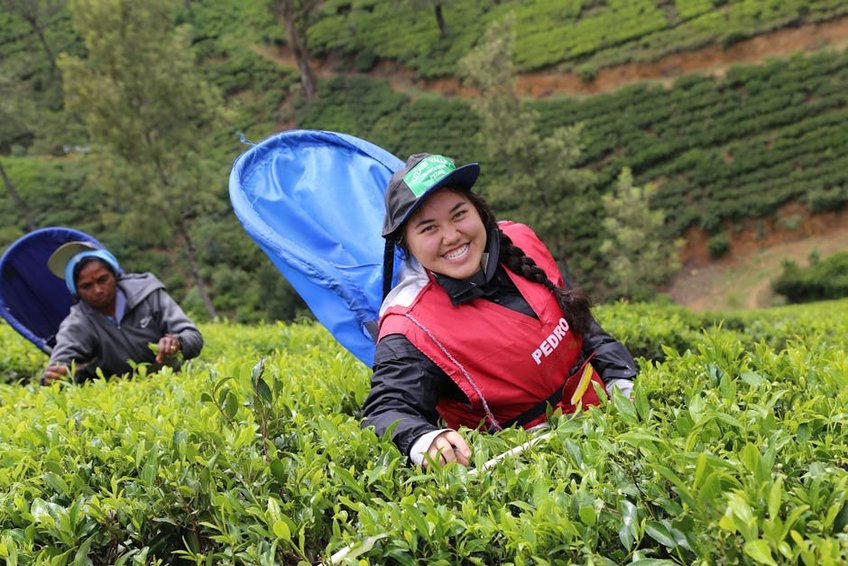
Several estates allow visitors to try their hand at plucking tea under the guidance of a resident tea plucker, usually for a small fee. This activity, often included in longer tours, provides real appreciation for the skill and speed required. You’ll learn the exact technique of snapping the tender bud and two leaves without damaging the stem.
After collecting your leaves, some experiences let you follow them into the factory to see how your small harvest is processed alongside the day’s larger picking. It’s a tangible connection to the land and labor that creates every cup. This activity is best booked in advance through your tour operator or estate hotel.
Practical Travel Information
Navigating the tea country requires some planning, as public transport, while available, can be slow. The most efficient way to explore multiple estates is by hiring a private car with a driver, which offers flexibility and comfort on winding roads. Trains, like the iconic Kandy to Ella route, offer breathtaking views but limit direct access to plantations.
Accommodation ranges from basic homestays to unrivaled luxury bungalows. Staying on a working estate is highly recommended for the full experience, allowing for early morning walks through the fields and the sounds of the factory whistle. Advance booking is crucial, especially from December to April.
| Accommodation Type | Key Features & Experience | Price Range/Night (USD) |
|---|---|---|
| Estate Bungalow (Luxury) | Heritage colonial property, private butler, gourmet meals, exclusive factory access, guided walks. | $250 – $400+ |
| Boutique Villa/Guesthouse | Scenic location, personalized service, home-cooked meals, arranged tours, cozy atmosphere. | $80 – $150 |
| Estate Worker’s Quarters (Homestay) | Authentic cultural immersion, basic comfortable room, local meals, direct interaction with families. | $20 – $40 |
| Town Hotel (Kandy/Ella) | Convenient location, modern amenities, restaurant, easy booking for day tours to nearby estates. | $50 – $120 |