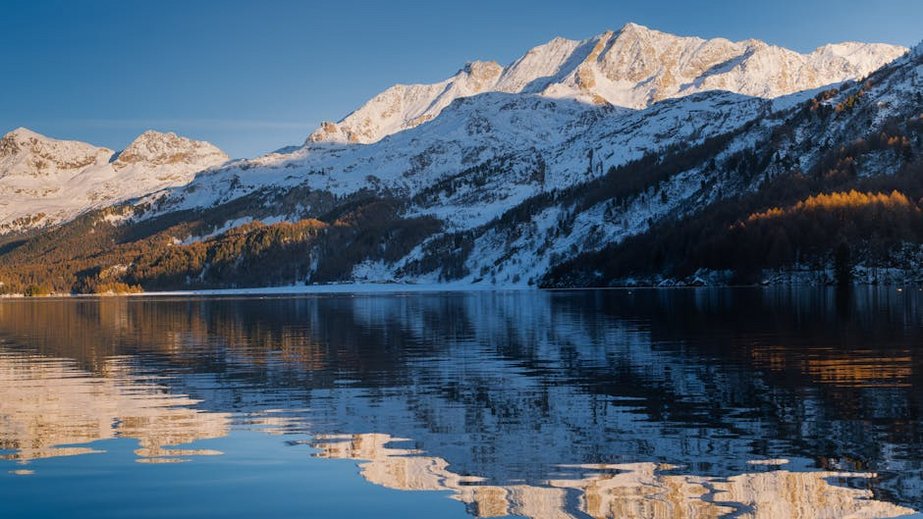
Switzerland Engadin Ski Marathon: Your Ultimate Cross-Country Adventure
Gliding across frozen lakes and through snow-dusted Alpine valleys, the Switzerland Engadin Ski Marathon represents the pinnacle of cross-country skiing for both competitive athletes and touring enthusiasts. This legendary 42-kilometer race from Maloja to S-chanf draws over 14,000 participants annually, transforming the Engadin valley into a vibrant celebration of winter sport and Swiss tradition. Your guide covers essential race logistics, training preparation, and how to experience the world’s largest cross-country marathon.
Essential Event Information
The Engadin Ski Marathon is a classic-style cross-country skiing event held each March in Switzerland’s Graubünden canton. Founded in 1969 with just 143 skiers, the race has grown into a premier international competition while maintaining its accessible touring spirit. The course follows the historic route from Maloja at 1,815 meters to S-chanf, utilizing both natural snow and meticulously prepared tracks across Lake Sils and Lake St. Moritz.
Participants choose between the full marathon distance (42 km) or a shorter 17 km version from Samedan, catering to all fitness levels. The event operates under Swiss Ski Federation and FIS regulations, with timing chips provided for all entrants. Beyond the race, the Engadin Marathon Week features cultural events, ski demonstrations, and a festive atmosphere throughout the Upper Engadin valley.
Key Race Details and History
Understanding the event’s structure helps with planning and appreciation.
- The race occurs annually on the second Sunday of March, with registration opening the preceding September and typically selling out by January. Early booking is essential for securing a start spot.
- Course conditions are meticulously managed by 300+ volunteers, with snowmaking capabilities on key sections to guarantee the event. The track width accommodates both skating and classic techniques across separate lanes.
- Historically, winning times average around 1 hour 40 minutes for elite skiers, while touring participants enjoy 3-6 hours on course with generous time limits and well-stocked feeding stations.
- Budget Option ($800-1,200): Includes race registration ($160), hostel accommodation in Pontresina or Celerina ($80/night), grocery meals, and public transport passes. Rent equipment locally for $40-60 for the week. Book 4-5 months early for best rates.
- Mid-Range Option ($1,800-2,500): Covers registration, 3-star hotel in S-chanf or Samedan ($150/night), half-board meals, and premium ski rentals. Includes airport transfers and a guided course inspection ski tour two days before the event.
- Luxury Option ($3,500+): Features registration, 5-star hotel in St. Moritz ($400+/night), gourmet dining, high-performance equipment fitting, and private coaching sessions. Often includes spa recovery treatments and chauffeur services between your hotel and start/finish areas.
- Official Engadin Ski Marathon Website
- Switzerland Tourism
Participant Categories and Requirements
The marathon welcomes a diverse range of skiers through categorized start groups. Elite license holders start in the coveted first wave, competing for the coveted Engadin Marathon trophy and a share of the prize purse. Most recreational skiers join touring categories based on estimated finish time, which ensures smoother traffic flow across the picturesque route.
All participants must possess adequate skiing technique to safely complete the distance, though no formal certification is required. The organization provides liability insurance, but personal health and accident coverage is mandatory for all entrants. Rental equipment is widely available in St. Moritz and neighboring villages for travelers not bringing their own skis.
The Engadin Valley Setting
Nestled in southeastern Switzerland, the Engadin valley stretches 100 kilometers from the Maloja Pass to the Austrian border. The region boasts over 320 sunny days annually, creating the brilliant “Engadin light” that illuminates the marathon course. High-altitude terrain ensures reliable snow cover from December through April, with March offering ideal skiing temperatures.
Beyond the race track, the valley contains the famous resorts of St. Moritz, Celerina, and Pontresina, all connected by an extensive network of 220 kilometers of prepared cross-country trails. The area’s unique culture preserves the Romansh language alongside Swiss-German traditions, visible in the characteristic sgraffito-decorated houses lining the marathon route.
Alt: “engadin-valley-cross-country-ski-marathon-course-aerial-view”
Switzerland Engadin Ski Marathon – Planning Your Trip
Successful participation requires strategic planning around registration, travel timing, and local logistics. The event’s popularity means accommodation in the Upper Engadin sells out 6-8 months in advance, particularly in St. Moritz and along the finish area. Your marathon experience benefits from booking flights to Zurich or Milan early, then arranging train transport to the Alps.
Consider arriving 3-4 days before race Sunday to acclimatize to the altitude, which ranges from 1,700 to 1,800 meters along the course. This adjustment period helps prevent altitude-related fatigue and allows for course familiarization on the extensive local trail network. Build flexibility into your itinerary for potential weather variations that can affect pre-race training.
Budget approximately $150-200 for race registration, which includes your start number, timing chip, and post-race services. Additional costs for equipment rental, travel insurance, and valley transportation should be factored into your overall trip budget. The official Engadin Marathon website provides the most current pricing and package deals with partner hotels.
Best Time to Visit for the Marathon
Peak season for the Engadin Ski Marathon centers on race week in early to mid-March. Early March typically offers the most reliable snow conditions with average daytime temperatures of 25-35°F (-4 to +2°C)—perfect for endurance skiing. The week preceding the race fills with preparatory events, ski testing opportunities, and a palpable festive energy throughout the valley.
Shoulder season visits in late February provide quieter training conditions with mostly stable snow, while April offers fantastic spring skiing on the remaining high-altitude trails after the event. For the actual marathon experience, book your stay for the full week surrounding the second Sunday of March to participate in ancillary events and ensure proper rest before the physical challenge.
Budget Planning and Costs
Your total trip budget varies significantly based on accommodation style and travel timing.
Essential Preparation Checklist
Physical training should emphasize endurance over 6-12 weeks, ideally including sport-specific ski sessions if possible. Aim for weekly training volumes that build toward skiing 30-40 kilometers comfortably, incorporating both long slow distance and interval workouts. Test your race-day nutrition strategy during long training sessions to determine what works for your digestive system.
Pack technical clothing suitable for variable mountain conditions: moisture-wicking base layers, wind-resistant jacket and pants, gloves, hat, and sunglasses or goggles. Bring your personal racing belt for feeding stations if preferred, though cups are provided. Essential documentation includes your passport, race confirmation, health insurance card, and any necessary visa for Switzerland.
Top Attractions and Activities
The Engadin valley offers world-class winter experiences beyond the marathon tracks. St. Moritz presents luxury shopping, gourmet dining at restaurants like Chesa Veglia, and the chance to experience the legendary Cresta Run skeleton track. The nearby Diavolezza and Corvatsch cable cars provide access to stunning Alpine panoramas and challenging downhill runs for those seeking variety.
Cultural highlights include the Segantini Museum dedicated to the Alpine painter, the Berry Museum showcasing Engadin history, and the thermal baths at Bogn Engiadina. The Bernina Express train, a UNESCO World Heritage route, offers breathtaking journeys through the Alps without requiring ski effort, perfect for active recovery days before or after your race.
Must-See Highlights Along the Route
Lake Sils and Lake St. Moritz create the marathon’s most iconic sections, where skiers glide across vast frozen expanses with mountain reflections. The viewing point at Lej da Staz provides fantastic spectator opportunities at kilometer 15. The descent through the Fex Valley offers sheltered, forested skiing with beautiful Engadin architecture visible in the traditional villages.
The finish area in S-chanf transforms into a massive celebration zone with live music, local food stalls serving capuns and Engadiner Nusstorte, and the famous medal ceremony. For participants, the ascent from Silvaplana to the Julier Pass represents the course’s most challenging climb, rewarded with panoramic views before the final descent toward the finish.
Hidden Gems and Local Favorites
Visit the glacial Morteratsch Glacier near Pontresina, accessible via a gentle ski trail or winter hike from the Bernina Railway station. The Muottas Muragl funicular delivers you to a panoramic terrace with the region’s most comprehensive cross-country trail network, often less crowded than valley-floor options. These spots offer serene alternatives to the main event areas.
For authentic dining, seek out small farm restaurants in S-chanf serving traditional bündnerfleisch air-dried meat and hearty barley soups. The Chesetta restaurant in Celerina has been family-run for generations, offering cozy atmosphere and regional specialties. Locals favor the early morning hours on the Corviglia trails for pristine ski conditions before the sun softens the snow.
Winter Hiking and Alternative Activities
Well-maintained winter walking paths parallel many ski trails, offering non-skiing companions spectacular views of the marathon course. Guided snowshoe tours explore silent forests above Pontresina, while ice-skating rinks in St. Moritz and Silvaplana provide festive evening entertainment. The Engadin’s consistent sunshine makes even cold-weather exploration remarkably comfortable.
Consider booking a horse-drawn sleigh ride through the frozen Fex Valley for a truly romantic Alpine experience. The night before the marathon, the torchlight ski procession in Maloja creates a magical atmosphere as thousands of participants preview the start area. These activities balance intense race preparation with memorable valley experiences.
Practical Travel Information
Reaching the Engadin requires planning but delivers efficient Swiss transportation. Most international travelers fly into Zurich Airport (ZRH), a 3-hour scenic train ride from St. Moritz via the Glacier Express route. Milan Malpensa Airport (MXP) in Italy offers a closer 2.5-hour drive alternative, particularly useful for travelers combining the marathon with Italian destinations.
Within the valley, the excellent Rhaetian Railway network connects all marathon villages, with special event-day services extending operating hours. The Engadin Mobil Card, often provided by hotels, offers unlimited travel on buses, trains, and cable cars—invaluable for reaching start areas and retrieving luggage post-race. Car rentals are available but unnecessary given the comprehensive public transport.
| Category | Options/Features | Price Range (USD) |
|---|---|---|
| Budget Accommodation | Hostels in Pontresina, guesthouses in S-chanf, shared bathrooms, breakfast included | $80-120/night |
| Mid-Range Hotels | 3-star hotels in Samedan or Celerina, private bathrooms, ski storage, half-board available | $150-250/night |
| Luxury Hotels | 5-star properties in St. Moritz, spa facilities, gourmet restaurants, concierge services | $400-800/night |
| Ski Equipment Rental | Performance skis, boots, poles from Intersport or Swiss rental shops, race preparation included | $40-80/week |