Sunset Viewing Routes in Turkey: A Traveler’s Roadmap
Turkey offers one of the world’s most spectacular sunset canvases, where ancient ruins, dramatic coastlines, and unique rock formations provide the perfect stage for the day’s final act. Your journey along dedicated sunset viewing routes in Turkey connects iconic sites like Cappadocia’s fairy chimneys with the serene Aegean coast, offering a varied and profoundly beautiful experience. This guide provides the essential roadmap, from the best seasonal timing to hidden vantage points, ensuring you capture the golden hour perfectly across this diverse landscape.
Essential Sunset Destination Information
Turkey’s geography creates unparalleled sunset opportunities. The country straddles two continents, with coastlines along four seas, resulting in vastly different lighting conditions, backdrops, and atmospheres for evening photography and viewing. From the mineral-rich travertines of Pamukkale to the ancient Hellenistic theatres of the Mediterranean, each route offers a distinct narrative as the sun dips below the horizon.
Understanding the seasonal light is key for planning your Turkish sunset adventure. Summer months bring longer, lingering dusks, especially in the north, while winter offers clearer, crisper skies with more intense color saturation. The sun’s azimuth changes significantly throughout the year, altering which facades of famous landmarks are illuminated during golden hour.
Top Regions for Golden Hour
Focus your itinerary on these primary regions known for their exceptional evening light.
- Cappadocia (Central Anatolia): Famous for hot air balloon silhouettes against a fiery sky, with panoramic views from Uchisar Castle or a terrace in Göreme. The best colors appear from October to April.
- Aegean Coast (Izmir to Bodrum): Features sunsets sinking directly into the sea from white-washed villages like Alaçatı or ancient sites like the Temple of Apollo at Didyma. Prime viewing is from May to September.
- Mediterranean Coast (Antalya to Fethiye): Offers dramatic mountain-meets-sea vistas, particularly from the Lycian Way hiking trail or a traditional gulet boat. The clearest skies are from June to October.
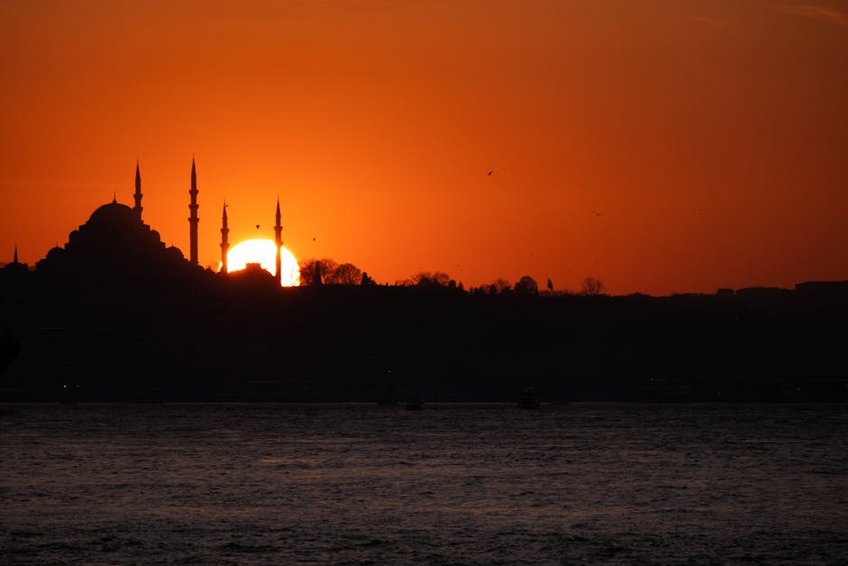
- Istanbul (Marmara Region): Provides a unique urban sunset where the sun descends behind historic minarets and bridges over the Bosphorus Strait. The most atmospheric views occur in spring and autumn.
- Budget Traveler ($40-70/day): Stay in dorm hostels or guesthouses, use local buses and dolmuş (shared minibuses), eat street food (balık ekmek, gözleme), and view sunsets from public parks or free ruins. A sunset cruise might be your main splurge.
- Mid-Range Traveler ($100-200/day): Stay in boutique hotels or cave pensions, rent a compact car for coastal drives, enjoy sit-down restaurant meals with a view, and book guided sunset tours at historical sites like Ephesus.
- Luxury Traveler ($300+/day): Stay in 5-star cave suites or luxury resorts with private terraces, hire a private driver-guide, charter a yacht for a week along the coast, and dine at exclusive cliffside restaurants with reservation-only sunset viewing.
- GoTürkiye – Official Tourism Portal of Turkey
- Lonely Planet Turkey Travel Guide
- Time and Date Sun Calculator for Turkey
Cultural and Historical Context
Sunset holds significant cultural meaning in Turkey. The evening call to prayer (akşam ezanı) coincides with dusk, adding a spiritual soundscape to the visual spectacle. Many ancient sites, like Ephesus or Patara, were architecturally aligned with celestial movements, making sunset a particularly powerful time to visit. Locals often practice “gün batımı keyfi” (sunset enjoyment), a social ritual of gathering to watch the day end with çay (tea).
Respectful viewing is important. While photography is encouraged, avoid using tripods in ways that block pathways at crowded ruins. Dress modestly when visiting sunset points near mosques or in conservative villages. A quiet appreciation often resonates more than loud celebration in these timeless settings.
Climate and Viewing Conditions
Turkey’s diverse climate zones directly affect sunset quality. Coastal regions experience higher humidity, which can create more diffuse, pastel-colored skies and occasional haze. The arid interior, like Cappadocia, typically offers sharper, more vivid color contrasts. The north coast near the Black Sea receives more cloud cover, making a clear sunset a special but less frequent event.
Wind is a key factor, especially for coastal viewing. A strong Meltem wind in the Aegean can clear the air for stunning views but make waterfront locations chilly. Always check the daily weather and wind forecast specific to your location. A breeze of 10-15 km/h (6-9 mph) is often ideal for sweeping away pollution without creating discomfort.
Alt: “cappadocia-fairy-chimneys-sunset-silhouette-hot-air-balloons”
Sunset Viewing Routes in Turkey – Planning Your Trip
Crafting the perfect sunset itinerary requires strategic routing based on geography and time. A classic two-week route starts in Istanbul for an urban Bosphorus sunset, flies to Cappadocia for 3 nights of valley views, then rents a car to drive the Aegean coast from Izmir south to Bodrum, finishing on a gulet in Fethiye. This route maximizes variety without excessive backtracking.
Your budget dictates the experience. A frugal traveler can use intercity buses and stay in hostels with rooftop terraces, while a mid-range planner might rent a car and book boutique cave hotels. Luxury journeys can involve private yacht charters along the Turquoise Coast. All budgets can access phenomenal views; the difference is often in the comfort and exclusivity of the vantage point.
Booking key sunset experiences well in advance is non-negotiable. This includes hot air balloon flights in Cappadocia (book 3-6 months ahead for sunrise/sunset combo flights), terrace reservations at popular restaurants in Sultanahmet, and spots on sunset sailing tours in Bodrum or Fethiye. For flexible viewing, always have a “plan B” inland location if coastal clouds roll in.
Best Time to Visit for Sunset Chasing
The ideal months for a dedicated sunset route tour are May, June, September, and October. These shoulder seasons offer a balance of reliably good weather, manageable crowds, and pleasant evening temperatures ranging from 18-25°C (64-77°F). The sun sets between 7:30 PM and 8:15 PM during these months, allowing for relaxed post-dinner viewing.
July and August provide the latest sunsets (after 8:30 PM) and warm sea temperatures for a post-view swim, but coastal areas are extremely crowded. Winter months from November to February offer the clearest air and most dramatic colors, particularly in Cappadocia, but daylight is short and temperatures can drop to 0-10°C (32-50°F) after dark. Be prepared with warm layers.
Budget Planning and Costs
Your daily budget determines the style of your sunset tour.
Essential Preparation Checklist
Packing correctly enhances the experience. Beyond standard travel gear, include a lightweight tripod for stable photos, a warm layer like a fleece or pashmina (even in summer, coastal breezes are cool), and solid walking shoes for accessing rocky viewpoints. A power bank is essential as you’ll be out from afternoon until after dark.
Logistically, ensure your phone has offline maps (Google Maps or Maps.me) with key viewpoint locations saved. Download a reliable sunset time app. Inform your accommodation of late returns if you’re heading to a remote location. Always carry some Turkish Lira (cash) for entrance fees, parking, or tea at a small village cafe with a view.
Top Routes and Iconic Viewing Points
Turkey’s sunset routes are journeys between specific, curated viewpoints. Rather than just a single location, the magic often lies in the travel between points—watching the light change over the olive groves of the Aegean or the strange rock forms of Cappadocia from your car or bus window. The journey itself becomes part of the daily ritual.
Each route combines natural beauty with cultural heritage. You might watch the sun set behind a 2,000-year-old Roman theatre, then drive 30 minutes to see the last light glow on a pristine beach. This combination of history and landscape is what makes the Turkish sunset experience uniquely rich and memorable beyond a simple color display in the sky.
Must-See Highlights on the Trail
Several spots are unmissable. In Cappadocia, the sunset view from the summit of Uchisar Castle is panoramic, while Rose Valley offers a more intimate, hiking-based experience among the pink-hued rocks. Entry to Uchisar Castle costs about 50 TRY ($1.60). Arrive 90 minutes before sunset to secure a good spot.
On the Aegean coast, the ancient city of Ephesus offers a special “sunset ticket” for evening access, allowing you to see the Library of Celsus bathed in golden light without the daytime crowds. Further south, the Bodrum Castle peninsula provides a 360-degree view of the sun melting into the sea. The Temple of Apollo at Didyma is a lesser-known but spectacular free option.
Hidden Gems and Local Favorites
Venture beyond the postcard spots for authentic moments. In Cappadocia, locals favor the quieter Love Valley overlook near Çavuşin village over the packed Sunset Point in Göreme. On the Bozburun Peninsula near Marmaris, the tiny village of Selimiye has a waterfront promenade with breathtaking, crowd-free views over a tranquil bay.
Near Antalya, the ancient Lycian rock tombs in Dalyan are accessed by river taxi. As the sun sets, the tombs glow orange while herons fly overhead. In Istanbul, while everyone crowds the Galata Bridge, head to the rooftop of the Museum of Turkish and Islamic Arts or the quiet benches in the courtyard of the Süleymaniye Mosque for a more serene urban experience.
Combining Sunset with Turkish Cuisine
Many of the best sunset viewpoints are integrated with dining. In Alaçatı, restaurants with “gün batımı” (sunset) in their name line the harbor. Booking a waterfront table for 7:00 PM during summer ensures you enjoy meze as the sky changes. In Cappadocia, several cave hotels offer a “sunset dinner” package on their terraces, featuring local testi kebab.
For a self-guided culinary sunset, visit a local market for supplies—cheese, olives, fresh bread, and fruit—and have a picnic at a public viewpoint like Gümüşlük Bay in Bodrum, where ancient ruins are submerged in the water. Pair it with a local white wine from Çalışkan or Kavaklıdere vineyards for the full experience.
Practical Travel and Transportation Guide
Navigating Turkey’s sunset route requires understanding the transport network. For maximum flexibility, especially for the coastal routes, renting a car is highly recommended. This allows you to chase clear skies and stop at unmarked viewpoints. Major international rental companies operate at all airports, and roads are generally in good condition. An economy car costs $25-40 per day.
For those not driving, Turkey has an extensive and affordable long-distance bus system connecting all major cities and towns. Companies like Metro Turizm and Kâmil Koç offer comfortable coaches. For sunset-specific travel, calculate your arrival for mid-afternoon, giving you time to check in and locate your viewing spot before the evening show begins.
| Transport Type | Best For | Price Range (USD) |
|---|---|---|
| Domestic Flight | Quick hops between regions (e.g., Istanbul to Cappadocia). Saves time for more sunset evenings. | $40 – $80 one-way |
| Rental Car | Coastal Aegean/Mediterranean routes. Offers ultimate flexibility for remote viewpoints. | $25 – $50 per day |
| Intercity Bus | Budget travel between major hubs. Often have free WiFi and tea service. | $10 – $25 per leg |
| Local Dolmuş | Short hops from towns to nearby villages or beaches for sunset viewing. | $1 – $3 per ride |
| Gulet Cruise | A multi-day sunset experience along the Turquoise Coast with all-inclusive service. | $700 – $1500+ per week |