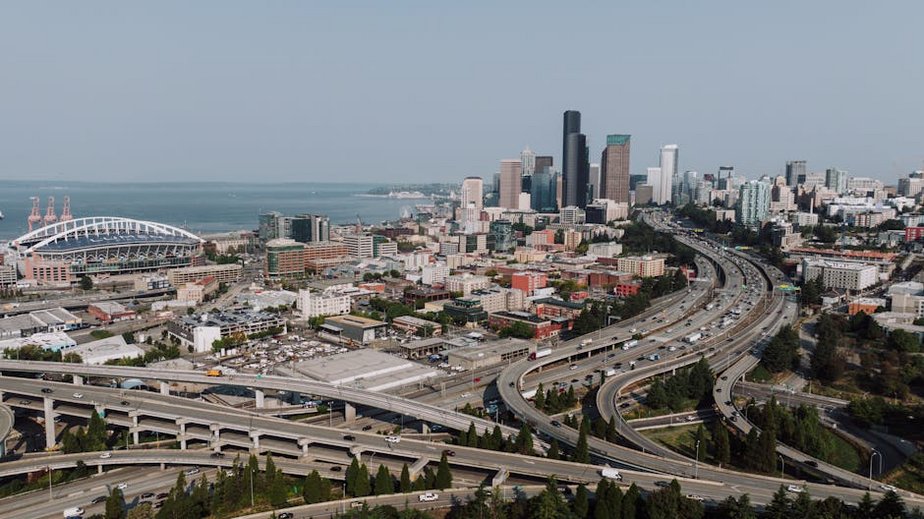
Seattle Travel Guide: Explore the Emerald City’s Best Attractions
Seattle offers a dynamic urban experience nestled between Puget Sound and the Cascade Mountains. This guide provides essential tips for navigating the city’s neighborhoods, iconic sites, and vibrant food scene. You’ll discover the best times to visit, where to stay, and how to make the most of your Pacific Northwest adventure.
Essential Seattle Information
Founded in 1851, Seattle grew rapidly during the Klondike Gold Rush, earning its “Emerald City” nickname from the evergreen forests that surround it. The city experiences a maritime climate with mild, wet winters and dry, sunny summers. Understanding this historical and climatic context helps visitors appreciate its unique character and plan effectively.
The modern metropolis is a hub for technology and coffee culture, home to global corporations and countless indie cafes. Visitors should note the city’s layout is defined by distinct neighborhoods, each with its own personality. Getting oriented around these districts is the first step to a successful trip.
Seattle’s Core Neighborhoods
Your itinerary will span several key areas, each offering different experiences.
- Downtown & Belltown: The urban core with skyscrapers, Pike Place Market, and the waterfront. This is the most walkable area for first-time visitors and central to major attractions.
- Capitol Hill: The city’s vibrant cultural heartbeat, known for nightlife, diverse dining, and historic mansions. It’s a must-visit for experiencing Seattle’s contemporary arts and LGBTQ+ scene.
- Fremont & Ballard: Located north of downtown, these areas showcase Seattle’s maritime history and quirky side, with the Fremont Troll, Ballard Locks, and excellent breweries.
- Budget Traveler ($80-120/day): Stay in hostel dorm rooms ($35-50/night), use public transit, eat from Pike Place Market vendors and food trucks, and focus on free attractions like the Olympic Sculpture Park and brewery tours. A CityPASS offers bundled savings.
- Mid-Range Traveler ($150-250/day): This budget covers a boutique hotel in Belltown or Capitol Hill ($120-180/night), several sit-down meals, paid entrance to museums like MoPOP, and a guided food tour. You can comfortably use rideshares for longer distances.
- Luxury Traveler ($350+/day): Enjoy waterfront hotels like the Inn at the Market ($300+/night), fine dining at Canlis or The Walrus and the Carpenter, private tours of the Chihuly Garden, and a seaplane tour over the city. This tier includes premium experiences and prime location convenience.
- Visit Seattle Official Tourism Site
- Washington State Transit Authority
- Pike Place Market Official Website
Understanding the Weather and Climate
Seattle’s reputation for rain is accurate, but the reality is more nuanced. The city receives about 37 inches (94 cm) of precipitation annually, less than many East Coast cities. Most rain falls as a light drizzle during the fall and winter months, rarely disrupting outdoor plans.
Summers are famously dry and pleasant, with average highs around 75°F (24°C) and long daylight hours. The “June Gloom” period can bring morning clouds that burn off by afternoon. Winters are cool and damp, with temperatures averaging 40-50°F (4-10°C) and occasional snowfall that quickly melts.
City Transportation Basics
The city’s public transit system, including Link light rail and buses, is efficient for reaching most tourist areas. The ORCA card is a reloadable pass that works across all transit modes. Rideshares and taxis are plentiful, but traffic congestion is significant during weekday rush hours, from 7-9 AM and 4-6 PM.
For visitors, the most convenient areas are highly walkable. The Seattle Center, Pike Place Market, and downtown core connect easily on foot. Consider using the Washington State Ferries as a scenic and functional way to visit Bainbridge Island or Bremerton for a unique perspective.
Alt: “pike-place-market-sign-fish-throw-seattle-waterfront”
Seattle Travel Guide – Planning Your Trip
Effective planning for the Emerald City revolves around timing, budget, and interests. Summer attracts the largest crowds seeking perfect weather, while the shoulder seasons of spring and fall offer fewer tourists and lower prices. A clear itinerary matching your priorities will maximize your experience in this multifaceted destination.
Budget-conscious travelers can find excellent hostels and affordable eateries, while luxury seekers have world-class hotels and dining. Most major attractions are clustered, allowing you to see a lot in a short time. Purchasing a CityPASS can provide significant savings on admission to top sites like the Space Needle and Seattle Aquarium.
Always pack layers, regardless of the season. A waterproof jacket is essential year-round, and comfortable walking shoes are non-negotiable for tackling the city’s hills. Checking the calendar for major events like Bumbershoot or Seafair can help you decide whether to join the festivities or avoid the peak crowds.
Best Time to Visit Seattle
The ideal months are July through September, when you’ll experience reliably sunny days with temperatures between 65-80°F (18-27°C). This peak season has minimal rain, long evenings perfect for al fresco dining, and a full schedule of festivals. However, hotel prices are at their highest, and popular attractions require advance bookings.
For a balance of good weather and value, target the shoulder seasons of April-May or late September-October. You’ll encounter more mixed weather but also smaller crowds and better hotel rates. Winter visits from November to March are best for budget travelers and those interested in cozy coffee shop culture and indoor museums, despite the shorter, grayer days.
Budget Planning and Costs
Daily costs vary dramatically based on your travel style. Here is a breakdown of what to expect per person.
Essential Preparation Checklist
Pack a versatile wardrobe centered on layers, including a warm fleece, a waterproof shell, and comfortable walking shoes. Bring a reusable water bottle and coffee mug to tap into the city’s excellent tap water and cafe culture sustainably. A compact umbrella is wise, though many locals simply use their hoods.
Secure reservations for top restaurants at least two weeks in advance, especially for weekends. Book popular attractions like the Space Needle or a Boeing Tour online to guarantee time slots. If you plan to drive, research hotel parking fees, which can add $40-60 per night, and consider using apps like SpotHero for cheaper daily rates.
Top Attractions and Iconic Activities
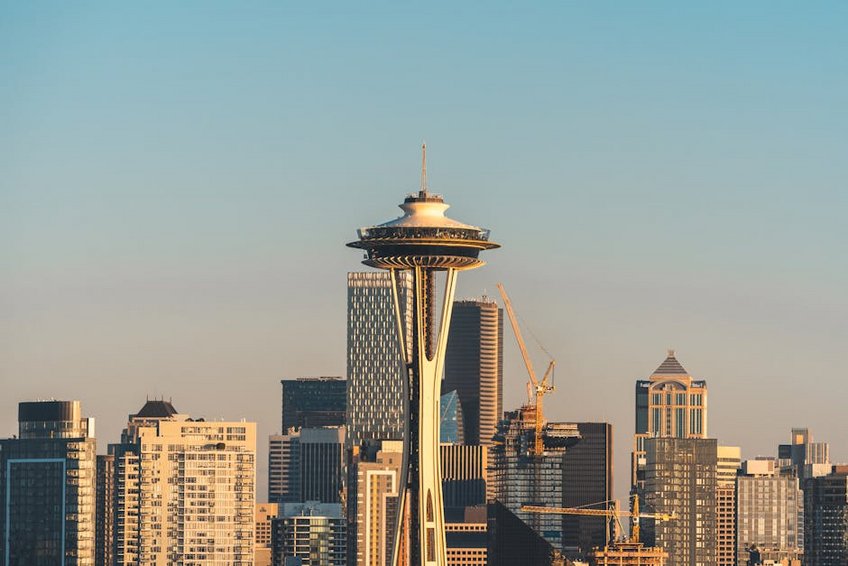
Seattle’s landmark sites blend iconic architecture with immersive cultural experiences. The Space Needle offers 360-degree views, while Pike Place Market provides a sensory overload of fresh produce, crafts, and flying fish. These must-see spots define the city’s postcard image and are worth navigating the crowds.
Beyond the classics, the city boasts world-class museums and unique urban parks. The Museum of Pop Culture (MoPOP) presents interactive music and sci-fi exhibits, and the Chihuly Garden and Glass showcases breathtaking glass art. Discovery Park provides a 534-acre natural escape with beachfront and forest trails within the city limits.
Must-See Highlights
The Space Needle’s recent renovation added glass benches and a rotating glass floor on the observation deck. Visit on a clear morning for the best visibility of Mount Rainier. Purchase a timed ticket online to skip the longest lines. General admission starts at $35 for adults.
Pike Place Market is more than just the fish-throwing stall; explore the lower levels for vintage comic shops, magic stores, and the famous gum wall. Arrive before 11 AM to avoid the thickest crowds. The Seattle Aquarium, located on the adjacent waterfront, features excellent otter and harbor seal exhibits, with tickets around $35.
For museum lovers, the Seattle Art Museum (SAM) downtown has strong collections of indigenous and modern art. MoPOP, located at Seattle Center, is a spectacle of architecture and exhibits on genres like grunge music and fantasy film. Allocate at least two hours for each.
Hidden Gems and Local Favorites
Venture beyond downtown to find the city’s soul. The Ballard Locks (Hiram M. Chittenden Locks) offer free viewing of boats moving between freshwater and saltwater, and an underground fish ladder viewing room to watch salmon migration from June to September. It’s a fascinating feat of engineering.
In West Seattle, Alki Beach provides stunning skyline views across Elliott Bay, perfect for a bike ride or sunset picnic. The neighborhood of Columbia City in South Seattle has a historic theater and a diverse restaurant row rarely seen by tourists. These spots offer a more relaxed, authentic local vibe.
Outdoor and Scenic Viewpoints
For panoramic views without the Space Needle price tag, head to Kerry Park on Queen Anne Hill. This small park offers the classic, unobstructed postcard view of the downtown skyline with Mount Rainier in the background. It’s especially popular at sunset and is accessible by a steep walk or a quick bus ride from downtown.
Gas Works Park on the north shore of Lake Union provides a unique perspective, with remnants of an old gasification plant set against the modern cityscape. It’s a fantastic spot to watch seaplanes land and see boat traffic on the lake. Both parks are free and offer vastly different but equally memorable vistas.
Practical Travel Information
Navigating Seattle is straightforward with a mix of walking, transit, and occasional rideshares. The Link light rail connects Sea-Tac Airport (SEA) directly to downtown Westlake Station in about 40 minutes for just $3.25. This is the most efficient and cost-effective transfer from the airport, running from 5 AM to 1 AM daily.
Accommodation choices define your trip’s convenience and character. Downtown and Belltown place you steps from major sights but at a premium price. Capitol Hill offers more personality and nightlife. Waterfront hotels provide stunning views but can feel isolated from other neighborhoods. Book early for summer and event weekends.
| Neighborhood | Best For | Avg. Hotel Price (USD) |
|---|---|---|
| Downtown/Belltown | First-time visitors, walkability, major attractions | $200 – $350/night |
| Capitol Hill | Nightlife, dining, cultural vibe, younger crowds | $160 – $280/night |
| South Lake Union | Business travelers, modern tech vibe, proximity to MOHAI | $180 – $300/night |
| Queen Anne | Quiet stays, charming streets, views, families | $170 – $260/night |