Santiago Travel Guide: Discover Chile’s Vibrant Capital
Your Santiago travel begins in a city framed by the Andes, where Spanish colonial history meets a dynamic modern art scene. The Chilean capital offers exceptional urban wine tasting, world-class museums, and easy access to Pacific beaches and ski resorts within a few hours. This guide provides specific logistics, budget ranges, and cultural insights for navigating this diverse metropolis, ensuring you experience its unique neighborhoods and world-renowned cuisine.
Essential Santiago Information
Santiago de Chile serves as the nation’s political, cultural, and financial heart, housing over a third of Chile’s population. Founded in 1541 by Spanish conquistador Pedro de Valdivia, the city has grown into a sprawling metropolis of distinct comunas, or boroughs, each with its own character. Understanding these districts is key to planning your itinerary, as they range from historic downtown to trendy, leafy suburbs.
The city enjoys a Mediterranean climate with distinct seasons, characterized by hot, dry summers and cool, wet winters. This climate supports the surrounding vineyards and creates clear winter days with stunning mountain views. Public transportation via the extensive Metro system is efficient, connecting you to most major attractions, though navigating its vastness requires some initial orientation.
City Layout and Key Districts
Navigating the city is easier when you understand its main zones.
- Centro Histórico: Home to Plaza de Armas, the Central Market, and presidential palaces, this area offers the core historical experience but quiets down after business hours.
- Barrio Lastarria & Bellas Artes: The cultural and bohemian hub, filled with boutique cafes, indie cinemas, and important museums like the Museo de Bellas Artes.
- Providencia & Las Condes: Upscale commercial districts with high-end shopping, modern skyscrapers, international cuisine, and a more polished urban feel.
- Budget Traveler ($50-70/day): Stay in a hostel in the Centro or Barrio Brasil, use the Metro exclusively, eat completos (hot dogs) and empanadas from street stalls, and enjoy free attractions like Cerro Santa Lucía and weekend cultural festivals. Many museums have free entry days.
- Mid-Range Traveler ($120-180/day): Book a boutique hotel or Airbnb in Providencia or Lastarria, dine at traditional *picadas* (local eateries) and nicer cafes, take a guided tour to a nearby winery, and use a mix of Metro and occasional Uber rides for convenience.
- Luxury Traveler ($250+/day): Stay at a five-star hotel in Las Condes like The Ritz-Carlton, enjoy tasting menus at award-winning restaurants like Boragó, arrange private drivers for day trips to the coast or Andes, and book exclusive wine tastings in the Maipo Valley.
- Chile Travel Official Tourism Board
- Lonely Planet Santiago Guide
Climate and Weather Patterns
Santiago’s weather is highly predictable and seasonal. Summer (December to February) brings hot, dry days averaging 86°F (30°C) and virtually no rain, perfect for evening strolls and day trips to the coast. This is peak tourist season, so accommodations book early and prices rise. The clear skies also often come with smog, known locally as ‘smog de verano,’ particularly in February.
Winter (June to August) is cool and wet, with average highs of 57°F (14°C) and regular rainfall. This is when the Andes receive snow, making it ski season just outside the city. Spring and fall offer the most pleasant balance, with mild temperatures between 68-77°F (20-25°C) and fewer crowds, ideal for city exploration and wine valley visits.
Quick Historical Context
Santiago’s history is a tapestry of indigenous Mapuche culture, Spanish colonialism, and rapid 20th-century modernization. The city center’s grid layout is a direct legacy of Spanish colonial planning. The 20th century saw massive growth and political turbulence, including the 1973 military coup, events which are respectfully documented in several museums like the Museo de la Memoria y los Derechos Humanos.
Alt: “santiago-cityscape-andes-mountains-skyline-cerro-san-cristobal”
Santiago Travel Guide – Planning Your Trip
Effective planning for the Chilean capital revolves around choosing the right neighborhood for your stay and aligning your visit with seasonal events. A mid-range daily budget for a couple is approximately $120-150 USD, excluding flights, covering comfortable hotels, museum entries, casual dining, and Metro transport. For a more luxurious experience focusing on fine dining and private tours, plan for $250-300 USD per day.
Book accommodations at least two months in advance for summer or winter ski season visits. While many Chileans speak some English, especially in tourism and business, learning basic Spanish phrases significantly enhances interactions in markets, taxis, and smaller restaurants. Have a mix of Chilean Pesos (CLP) for small vendors and a credit card without foreign transaction fees for larger purchases.
Best Time to Visit Santiago
The optimal months for a Santiago visit are March through May (autumn) and September through November (spring). During these shoulder seasons, you’ll enjoy mild temperatures between 65-75°F (18-24°C), minimal rainfall, and thinner crowds at major attractions. Vineyards display beautiful fall foliage in April or spring blossoms in October, enhancing day trips to the Casablanca or Maipo valleys.
Peak summer (December-February) is ideal for travelers combining the city with beach trips to Valparaíso or Viña del Mar, despite higher prices and heat. Winter (June-August) attracts skiers and snowboarders, as world-class resorts like Valle Nevado are just 90 minutes from the city center, offering a unique urban-and-mountain combination.
Budget Planning and Costs
Costs can vary widely based on your travel style.
Essential Preparation Checklist
Pack for variable weather: light layers for summer, a warm jacket and umbrella for winter, and comfortable walking shoes year-round. Bring a universal power adapter (Chile uses Type C and L plugs, 220V) and a portable power bank for long days of sightseeing. Sunscreen is crucial due to the high UV index, even in cooler months.
Ensure your passport is valid for at least six months beyond your stay. U.S., Canadian, UK, and EU citizens receive a 90-day tourist card upon arrival. Purchase comprehensive travel insurance that covers potential altitude sickness if visiting the high Andes. Download offline maps on Google Maps and the official “Metro de Santiago” app for real-time subway navigation.
Top Attractions and Cultural Experiences
The Andean metropolis blends monumental landmarks with intimate cultural spaces. You can explore pre-Columbian art, admire street murals, and sample pisco sours all in one afternoon. Prioritize attractions by neighborhood to minimize travel time, as crossing the city can take over an hour during peak traffic. Most central museums and plazas are easily accessed via the Metro’s Line 1 (Red) and Line 5 (Green).
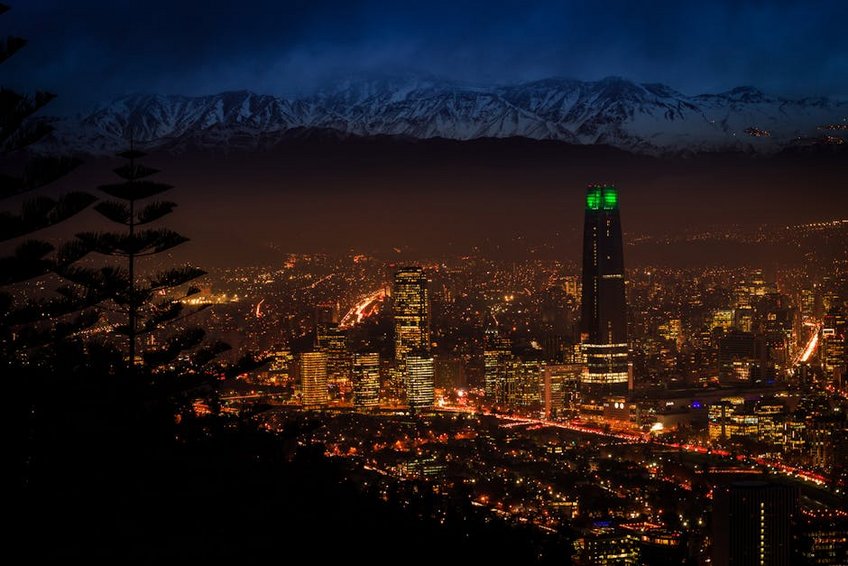
Invest in a “Tarjeta Bip!” card for seamless bus and Metro travel; it’s rechargeable at any station. For panoramic city views, head to the top of Costanera Center, Latin America’s tallest building, or take the funicular up Cerro San Cristóbal. Remember that many smaller shops and restaurants close between 1:00 PM and 3:00 PM for a traditional siesta, so plan your midday activities accordingly.
Must-See Highlights
Start at the birthplace of the city, the Plaza de Armas. This grand square is surrounded by the Metropolitan Cathedral, the Central Post Office, and the Royal Court Palace. It’s a vibrant hub of street performers, chess players, and local life. Visit in the morning for the best light and fewer crowds. Entry to the surrounding buildings is generally free.
The Museo Chileno de Arte Precolombino houses one of the continent’s finest collections of pre-Columbian artifacts. Allocate at least two hours to appreciate textiles, pottery, and sculptures from across Latin America. It’s located in the city center, a short walk from Plaza de Armas, with an entrance fee of about $8 USD. Across the plaza, the Mercado Central is a bustling iron-framed market best visited for a late lunch of fresh seafood at its famed inner restaurants.
Hidden Gems and Local Favorites
For a break from the urban pace, visit Parque Quinta Normal. This large park west of the center houses several excellent museums, including the Museo de la Memoria and the interactive Museo de Ciencia y Tecnología, all within peaceful gardens. It’s a favorite weekend spot for local families and offers a more relaxed atmosphere.
Explore Barrio Yungay, one of Santiago’s oldest residential neighborhoods. It features colorful 19th-century architecture, quirky antique shops, and the whimsical “Patio Bellavista” of sculptures. The area is also home to La Piojera, a famously no-frills tavern known for its traditional *terremoto* (“earthquake”) drink. This district offers an authentic, non-touristy glimpse into Santiago’s daily life.
Arts and Architecture Tour
Santiago is an open-air gallery for contemporary street art, especially in the Bellavista and Lastarria districts. Take a guided walking tour to understand the political and social messages behind the murals. For architecture enthusiasts, the stark, monumental buildings of the Sanhattan financial district (El Golf in Las Condes) showcase Chile’s economic boom, while the Ex National Congress building in the center is a neoclassical masterpiece.
Practical Travel Information and Logistics
Getting around the city is straightforward with a little preparation. Comodoro Arturo Merino Benítez International Airport (SCL) is the main gateway, located about 20 kilometers northwest of downtown. Official airport taxis (with set fares) and reliable ride-share services like Uber are the most convenient transfers to your hotel, costing $25-40 USD to central districts. A cheaper alternative is the dedicated Centropuerto bus to the Los Héroes Metro station.
Accommodation choices define your experience. The Centro offers history and walkability but can feel deserted at night. Providencia and Las Condes provide modern amenities and safety but less traditional charm. Lastarria and Bellavista strike a popular balance with vibrant nightlife, cafes, and cultural sites right outside your door, though they can be noisy.
| Accommodation Type | Best For & Location Tips | Avg. Nightly Price (USD) |
|---|---|---|
| Hostel / Guesthouse | Budget solo travelers; Barrio Brasil or near Universidad de Chile Metro. | $15 – $35 |
| Mid-Range Hotel / Apartment | Couples & small families; Providencia or Lastarria for walkable dining. | $80 – $150 |
| Boutique Design Hotel | Stylish urban experience; Lastarria or Bellas Artes neighborhoods. | $160 – $250 |
| International Luxury Hotel | Business or luxury leisure; Las Condes (El Golf) district. | $250 – $400+ |