San Juan Travel Guide: Your Gateway to Historic Charm and Caribbean Culture
San Juan offers a vibrant blend of Old World Spanish history and modern Caribbean energy, making it a top destination for travelers seeking culture, beaches, and cuisine. As Puerto Rico’s capital, it features the iconic forts of El Morro and San Cristóbal, the colorful streets of Old San Juan, and beautiful urban shorelines. This guide provides the practical details and local insights you need to plan a memorable trip, from exploring 16th-century cobblestone streets to enjoying contemporary nightlife and flavors.
Essential Information About Puerto Rico’s Capital
San Juan serves as the cultural and economic heart of Puerto Rico, a U.S. territory in the Caribbean. Founded in 1521 by Spanish colonists, it’s one of the oldest European-established cities under the American flag. The metropolitan area is divided into distinct districts, each offering different experiences for visitors.
You will interact with a rich cultural tapestry shaped by Taíno, Spanish, African, and American influences. Spanish and English are both official languages, with English widely spoken in tourist areas. The city uses the U.S. dollar (USD) and follows standard U.S. electrical outlets (120V), eliminating currency exchange and adapter needs for American visitors.
Key Districts and Neighborhoods
Understanding the layout helps you choose where to stay and explore.
- Old San Juan (Viejo San Juan): The historic core with blue cobblestone streets, colonial architecture, major forts, museums, and boutique shops. It’s entirely walkable and the main tourist hub.
- Condado: A modern, beachfront district known for its high-rise hotels, luxury shopping, vibrant nightlife, and popular public beaches. It’s ideal for those wanting resort amenities.
- Ocean Park: A quieter, residential neighborhood adjacent to Condado with a more local feel, a beautiful wide beach, and guesthouses. It’s perfect for a relaxed stay.
- Miramar: Located across the lagoon from Condado, this area offers more budget-friendly accommodations, local dining, and easy access to both Old San Juan and Condado.
- Isla Verde: Further east near the airport, this zone features some of the island’s best beaches, large all-inclusive resorts, and numerous casinos.
- Budget Traveler ($80-$120): Stay in a guesthouse or hostel in Miramar, use public transport (AMA buses, ferry), eat at local cafés (kioskos) and bakeries, and focus on free attractions like beaches and walking tours of Old San Juan.
- Mid-Range Traveler ($150-$300): Choose a hotel in Condado or Ocean Park, use taxis or ride-shares for convenience, dine at a mix of casual and nice restaurants, and join a few paid tours like a bio bay excursion or food tour.
- Luxury Traveler ($400+): Stay at a beachfront resort in Condado or Isla Verde, enjoy fine dining and private tours, rent a car for flexibility, and book exclusive experiences such as a private sailing charter or a chef-led cooking class.
- Discover Puerto Rico (Official Tourism Site)
- National Park Service – San Juan Historic Site
Climate and Weather Patterns
San Juan enjoys a tropical monsoon climate with warm temperatures year-round. Average daily highs range from 85°F (29°C) in winter to 89°F (32°C) in summer. Ocean breezes often provide relief from the humidity.
The region experiences a rainy season from April through November, with October typically being the wettest month. Short, intense afternoon showers are common. The official Atlantic hurricane season runs from June 1 to November 30, with peak activity from mid-August to mid-October. Travel insurance is highly recommended during this period.
Alt: “old-san-juan-colorful-colonial-buildings-cobblestone-street-blue”
San Juan Travel Guide – Planning Your Trip
A successful visit requires understanding the best times to go and what to budget. This section outlines the core elements for crafting your itinerary. Your planning should balance historic exploration, beach time, and culinary adventures.
Consider your travel style when allocating days. A fast-paced trip can cover highlights in three days, while a week allows for deeper cultural immersion and day trips. Booking flights and popular hotels at least two to three months in advance is wise for peak season.
Best Time to Visit San Juan
The peak tourist season runs from mid-December to mid-April, coinciding with the dry season and escape from northern winters. Weather is most reliable, with minimal rain and temperatures around 85°F (29°C). However, prices for flights and hotels are highest, and crowds are significant.
The shoulder seasons of late April to early June and November to early December offer a strong compromise. You’ll find lower prices, fewer crowds, and generally good weather, though brief afternoon rains become more frequent. The summer months (June-August) are hot, humid, and rainy but feature lively local festivals.
Budget Planning and Costs
Costs vary widely based on your style. Here’s a breakdown per person, per day.
Essential Preparation Checklist
Pack lightweight, breathable clothing, swimwear, a sun hat, and reef-safe sunscreen. A light rain jacket or umbrella is essential for sudden showers. Comfortable walking shoes are non-negotiable for Old San Juan’s uneven cobblestones and fort ramparts.
U.S. citizens do not need a passport, but a government-issued ID is required for airline travel. Non-U.S. citizens should check entry requirements for Puerto Rico as a U.S. territory. Purchase travel insurance that covers hurricane-related disruptions. For more details, read our Caribbean travel tips guide.
Top Attractions and Activities
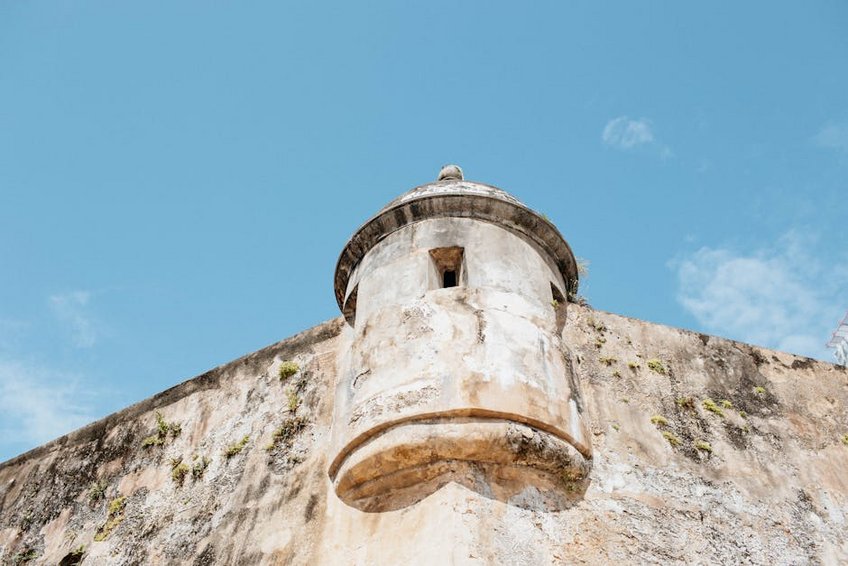
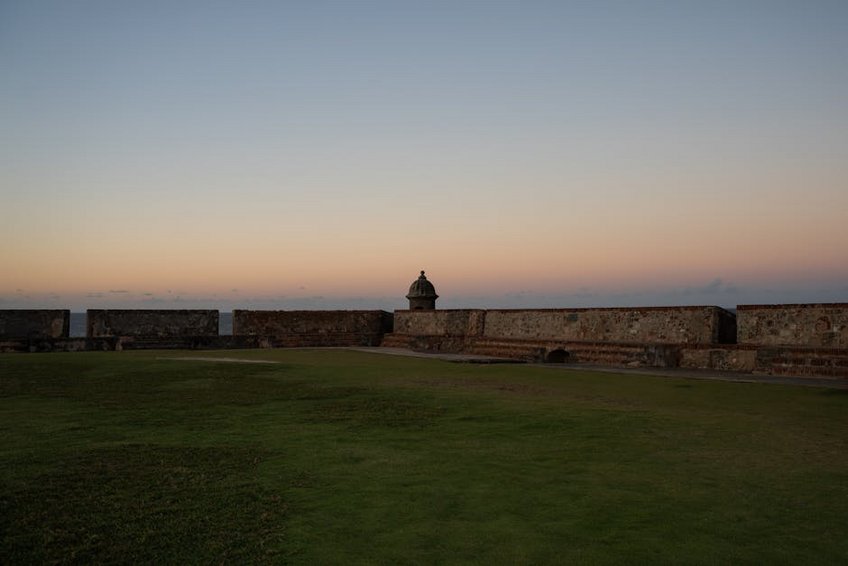
San Juan’s crown jewels are its two UNESCO World Heritage Site forts. Castillo San Felipe del Morro (“El Morro”) is the iconic 16th-century citadel guarding the harbor entrance. Explore its six levels of ramparts, barracks, and dungeons while flying a kite on the expansive lawn.
Castillo San Cristóbal is a larger, 18th-century fortress built to protect against land attacks. Its tunnel systems and Garita del Diablo (Devil’s Sentry Box) are highlights. A combined ticket for both forts costs $10 per adult and is valid for 24 hours, managed by the National Park Service.
Must-See Highlights
Old San Juan’s historic district itself is an attraction. Wander Calle de la Fortaleza, famous for its colorful hanging umbrellas or other artistic installations. Visit the Catedral de San Juan Bautista, which houses the tomb of Spanish explorer Juan Ponce de León.
The Paseo de la Princesa is a beautiful promenade along the old city walls, leading to the Raíces Fountain. For art, the Museo de las Américas inside the Cuartel de Ballajá showcases Caribbean and Latin American heritage. These sites are best visited in the morning before crowds and afternoon heat peak.
Hidden Gems and Local Favorites
Escape the crowds at the San Juan National Historic Site’s less-visited section, the San Juan Gate (Puerta de San Juan). This was the original grand entrance to the walled city. Nearby, find the tiny Capilla del Santo Cristo de la Salud, a chapel built after a miraculous survival.
For a local beach experience, head to Playa Peña in Ocean Park or the surf spot at La Pocita in Piñones. In Piñones, you can also enjoy a long boardwalk through a mangrove forest and sample authentic frituras (fried snacks) from roadside kiosks.
Beyond the City: Popular Day Trips
El Yunque National Forest, the only tropical rainforest in the U.S. Forest Service, is a 45-minute drive away. Hike to waterfalls like La Mina or climb to the Yokahú Observation Tower for panoramic views. Reservations are often required for entry.
For a bioluminescent bay experience, book a tour to Laguna Grande in Fajardo, about an hour’s drive east. Kayaking through the mangroves at night to see the water glow is a magical experience. Tours typically cost $55-$75 per person.
Practical Travel Information
Navigating the city is straightforward with multiple transportation options. Luis Muñoz Marín International Airport (SJU) is the main gateway, located in Isla Verde about 20-30 minutes from Old San Juan. Rideshares like Uber are readily available and often cheaper than traditional taxis from the airport.
Accommodation choices cater to all budgets. Old San Juan offers historic boutique hotels. Condado provides modern high-rises with ocean views. For a more residential vibe with local character, consider guesthouses in Ocean Park or Miramar.
| Accommodation Type | Best For & Features | Average Nightly Price Range (USD) |
|---|---|---|
| Historic Boutique Hotel | Old World charm, central Old San Juan location, unique architecture | $180 – $400+ |
| Beachfront Resort | All-inclusive options, pools, direct beach access, casinos (Condado/Isla Verde) | $250 – $600+ |
| Modern Condado Hotel | City views, rooftop bars, walking distance to shops & dining | $150 – $350 |
| Guesthouse / Parador | Budget-friendly, local hospitality, often includes breakfast (Ocean Park/Miramar) | $80 – $180 |