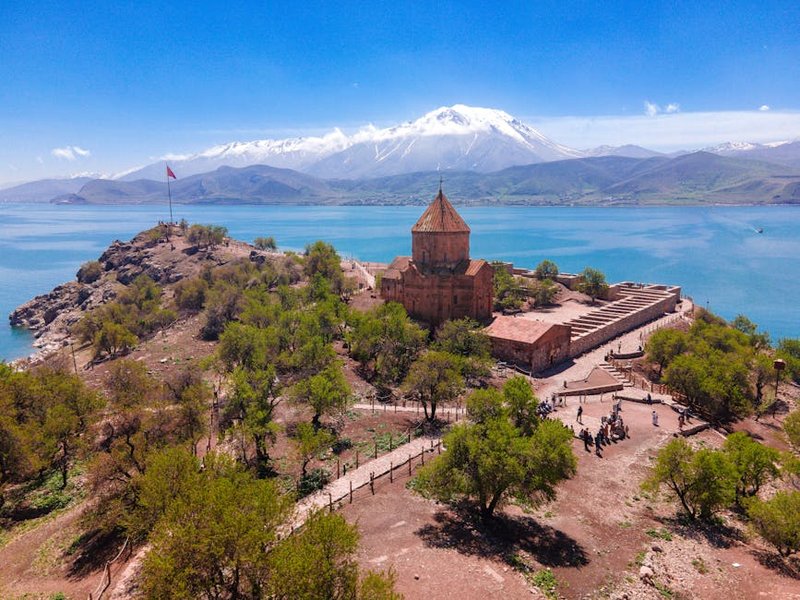
Places to Visit Around Lake Van
Lake Van, Turkey’s largest soda lake, offers a dramatic mix of ancient history, stark natural beauty, and unique cultural experiences set against a mountainous backdrop. From exploring medieval Armenian churches on remote islands to marveling at two-tone waterfalls and staying in centuries-old Seljuk caravan inns, the region promises a journey far off the standard tourist trail. This guide details the essential places to visit around Lake Van, providing practical tips for exploring this captivating corner of Eastern Anatolia.
Discovering the Lake Van Region
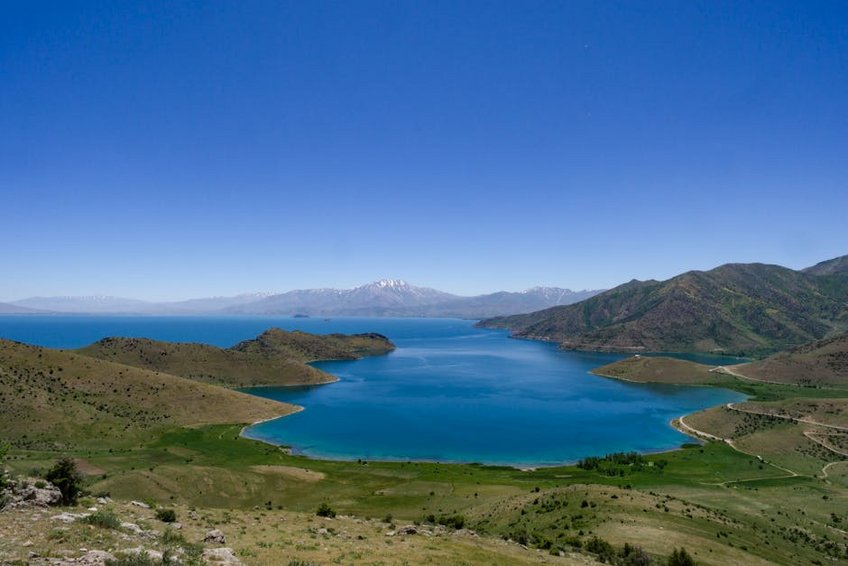
The Lake Van basin sits at a high altitude of over 1,640 meters (5,380 feet), creating a unique continental climate with snowy winters and mild summers. Its saline, alkaline waters are famous for the mysterious Van Cat breed and a legendary lake monster tale. Human history here stretches back to the ancient Urartian Kingdom, whose impressive fortifications still dot the hillsides.
Modern travel here connects you to Kurdish and Turkish cultures, visible in bustling city bazaars and tranquil village life. Infrastructure is well-developed in Van city, while more remote attractions require planning and your own transport. The landscape is defined by the vast blue lake, volcanic peaks like Mount Süphan, and fertile plains that produce delicious local foods.
What You Need to Know Before You Go
Traveling in Eastern Turkey is rewarding but requires some specific preparation. These key points will help ensure a smooth trip.
- Spring (May-June) and autumn (September-October) are ideal, with pleasant temperatures between 15-25°C (59-77°F) and fewer crowds compared to the busy July-August period.
- Renting a car is highly recommended for flexibility, as public transport to many key historical sites and natural attractions is infrequent or non-existent.
- While Van city has numerous hotels, consider a night in Akdamar Island’s simple pension or a historic *han* (caravanserai) for a more immersive experience of the Lake Van area.
- Budget Traveler ($35-50): Stay in hostels or basic guesthouses, eat at local *lokantas* and street stalls, use minibuses (*dolmuş*) for transport to major sites, and focus on free attractions like viewpoints and public beaches.
- Mid-Range Traveler ($70-120): Enjoy comfortable 3-4 star hotels, dine at a mix of casual and nice restaurants, rent a compact car for flexibility, and join a guided tour to Akdamar Island or Van Castle for deeper historical insight.
- Luxury Traveler ($200+): Stay at the best lakeside hotels or boutique properties, hire a private driver-guide for multi-day exploration, enjoy fine dining featuring local trout and meze, and take a private boat tour to lesser-known islands.
- Republic of Turkey Ministry of Culture and Tourism – Van
- Lonely Planet Travel Guide for Van Region
Key Historical Context
The region was the heart of the Urartian Kingdom from the 9th to 6th centuries BC. You can visit their formidable capital at Van Castle (Tushpa), where cuneiform inscriptions are carved into the cliff face. Later, the area became a major center of Armenian civilization, evidenced by the exquisite 10th-century Church of the Holy Cross on Akdamar Island.
This rich, layered history is visible at every turn. When visiting sites like the Armenian cathedral on Akdamar or the Seljuk-era caravanserais, understanding this past adds profound depth to your journey. Local guides and museum placards often provide excellent summaries of these complex historical transitions.
Cultural Etiquette and Interaction
Dress modestly, especially when visiting active mosques or rural villages; covering shoulders and knees is a sign of respect. Hospitality (*misafirperverlik*) is a cornerstone of local culture, and you may be invited for tea—accepting is a wonderful way to connect. A few words of Turkish like “merhaba” (hello) and “teşekkür ederim” (thank you) are greatly appreciated.
Always ask permission before photographing people, particularly women. A smile and a gesture are usually enough to communicate your request. Tipping is not deeply ingrained but is welcomed; round up taxi fares or leave 5-10% in sit-down restaurants for good service.
Alt: “akdamar-island-church-of-the-holy-cross-lake-van”
Places to Visit Around Lake Van – Planning Your Trip
Crafting an itinerary for the Lake Van area involves balancing iconic landmarks with hidden gems. A minimum of three full days allows you to see the absolute highlights without rushing. With five to seven days, you can explore more remote archaeological sites, take longer hikes, and soak in the local atmosphere of smaller towns. The lake’s sheer size means driving times between points of interest can be longer than they appear on a map.
Base yourself in Van city for its wide range of accommodations and dining options. From there, you can take day trips to the western and northern shores. For a more relaxed pace, consider splitting your stay between Van city and the town of Tatvan on the lake’s western shore. This strategy reduces daily backtracking and driving time.
Remember that some of the best places to visit around Lake Van are not just destinations but experiences. Factor in time for a leisurely lakeside breakfast, a spontaneous village visit, or simply watching the sunset over the water from a quiet spot.
Best Time to Visit Lake Van
The prime visiting window is from late May to early October. July and August are warmest, with highs of 25-30°C (77-86°F), but this is peak domestic tourism season. For ideal conditions, target June or September, when temperatures are a comfortable 18-24°C (64-75°F), crowds are thinner, and the landscapes are lush or autumnal.
Winter (November-March) transforms the region into a snowy wonderland, with temperatures often below freezing. While this can be beautiful, many rural roads become impassable, and some attractions have reduced access. Spring arrives late, with April and May bringing wildflowers but also unpredictable rain showers.
Budget Planning and Costs
Travel costs in Eastern Turkey are generally lower than in Istanbul or the Aegean coast. Here’s a breakdown for different travel styles per person, per day.
Essential Preparation Checklist
Pack layers, as temperatures can swing dramatically between day and night, even in summer. A warm fleece, windproof jacket, sturdy walking shoes for uneven archaeological sites, sunscreen, and a hat are crucial. For photography, bring a polarizing filter to manage the lake’s intense glare and a wide-angle lens for capturing vast landscapes and church interiors.
International travelers should check visa requirements for Turkey; many nationalities can obtain an e-Visa online. While major credit cards are accepted in Van city, carry Turkish Lira (TRY) in smaller denominations for rural areas, markets, and transportation. Ensure your travel insurance covers you for road trips and any planned moderate hiking.
Top Attractions and Must-See Sites
The Lake Van region’s highlights span millennia, from Urartian fortresses to elegant Seljuk architecture. Akdamar Island and its church are the undisputed crown jewel, but the mainland holds wonders of equal grandeur. Van Castle offers panoramic views and a tangible link to an ancient kingdom.
Beyond these iconic spots, the Muradiye Waterfalls provide a stunning natural counterpoint to the historical sites. The haunting beauty of the Armenian Cathedral ruins in Van’s old city tells a more recent story. Each location contributes to a complex, fascinating portrait of this crossroad of civilizations.
Must-See Highlights
The Church of the Holy Cross on Akdamar Island is an architectural masterpiece. Its exterior stone reliefs depicting biblical scenes are astonishingly well-preserved. Reach the island via a 30-minute ferry ride from the dock near Gevaş; visit in the morning for the best light on the carvings and to avoid afternoon winds.
Van Castle (Van Kalesi) is an immense Urartian fortress rising from the lakeshore plain. Climb to the summit for breathtaking views across the lake to Mount Süphan. Don’t miss the 8th-century BC Sardur Horoscope inscription and the adjacent Van Museum, which houses superb Urartian artifacts. Allocate at least half a day for this site.
The Muradiye (Bend-i Mahi) Waterfalls, located north of Van, are a powerful two-tiered cascade. The water’s distinct mineral content creates a striking two-tone effect. There’s a small entrance fee, and the best photos are from the viewing platforms on the opposite cliff. It’s a popular spot for picnics on weekends.
Hidden Gems and Local Favorites
Çarpanak Island, less visited than Akdamar, hosts the ruins of the 15th-century Ktuts Monastery. Access requires arranging a private boat from a harbor north of Van city, making the journey feel like a true expedition. The serene isolation and crumbling arches against the lake backdrop are unforgettable for intrepid travelers.
The ancient caravanserai of Hoşap (Güzelsu) guards a dramatic pass southeast of Van. This 17th-century Kurdish castle and adjacent roadside inn are remarkably well-preserved. You can explore its towers, mosque, and hamam with few other visitors. The drive there through rugged mountain scenery is an attraction in itself.
For a local experience, visit the Van Cat Villa (Van Kedisi Villası) in Van city. This research center is dedicated to preserving the region’s famous odd-eyed, white-furred feline. It’s a unique cultural stop, especially for animal lovers, and supports the conservation of this special breed.
Archaeological Day Trips
The ancient site of Çavuştepe, located about 25 km southeast of Van, is one of the best-preserved Urartian settlements. You can clearly distinguish temples, storage rooms, and a royal palace complex. Its hilltop location offers quieter contemplation than the busier Van Castle. Bring water, as there’s little shade.
For a deeper dive, consider a longer day trip to the medieval Armenian city of Ani, though it lies near the Armenian border, several hours’ drive from Van. This requires careful planning for border checkpoint procedures and a full day dedicated to travel. The spectacular ruins, known as the “City of 1001 Churches,” are worth the effort for serious history enthusiasts.
Practical Travel Information
Ferit Melen Airport (VAN) in Van city has direct flights from Istanbul, Ankara, and Izmir. The most scenic overland approach is by train: the Van Lake Express runs from Ankara to Tatvan, where you board a ferry across the lake to Van—a classic and memorable journey. Long-distance buses from across Turkey also serve Van’s modern otogar (bus station).
Within the region, renting a car provides the greatest freedom. Roads are generally in good condition, but fuel stations can be sparse in remote areas. Fill up when you see an opportunity. *Dolmuş* (shared minibuses) connect Van city with major towns like Tatvan, Gevaş, and Edremit, but are not practical for reaching most specific historical sites independently.
| Accommodation Type | Best For & Features | Price Range (USD/Night) |
|---|---|---|
| City Hotel (Van) | Convenience, range of dining, tour booking offices, business facilities. | $40 – $100 |
| Boutique Hotel/Han | Atmosphere, historical setting (restored caravanserais), unique architecture. | $70 – $150 |
| Lakeside Resort | Relaxation, direct lake access and views, on-site restaurants, tranquility. | $90 – $200 |
| Guesthouse/Pension | Budget travel, local interaction, simple home-cooked meals, basic amenities. | $20 – $50 |