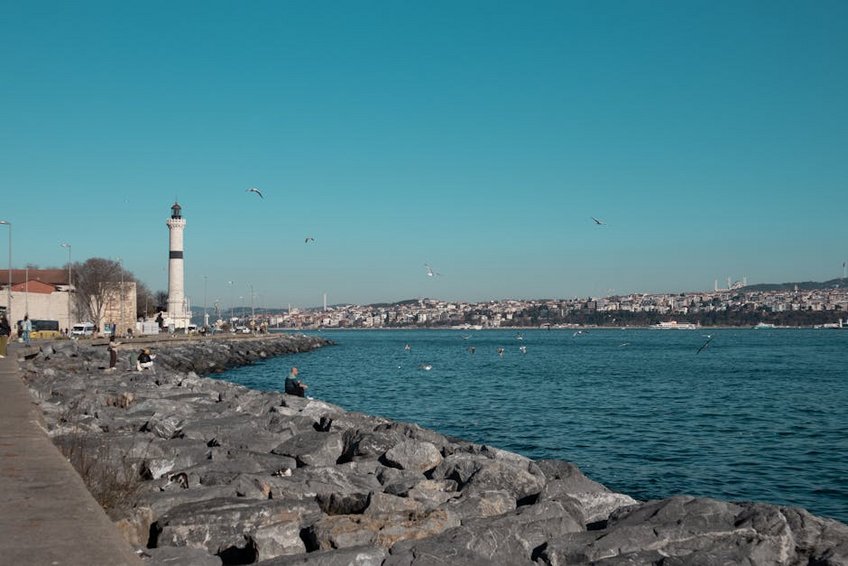
Photography Travel Routes in Turkey
Turkey presents a stunning canvas for photographers, blending ancient history with dramatic landscapes across its diverse regions. Your photography travel routes in Turkey can weave from Istanbul’s Byzantine domes to Cappadocia’s fairy chimneys and the turquoise Mediterranean coast. This guide details specific itineraries, seasonal timing, and expert techniques to capture the country’s most photogenic moments.
Essential Information for Photographing Turkey
Understanding Turkey’s geographic and cultural diversity is the first step in planning your photo expedition. The country spans seven distinct regions, each offering unique visual themes, from the arid plateaus of Central Anatolia to the lush forests of the Black Sea coast. Climate varies dramatically, influencing not just what you shoot but also how you pack and travel between locations.
Understanding Turkey’s Photographic Regions
Each region offers a distinct portfolio of images. You will need to prioritize based on your photographic style and the season of your visit.
- Marmara Region (Istanbul & Bursa): Focus on architecture, bustling street life, and the interplay of water and cityscape along the Bosphorus. Best for urban and historical photography.
- Central Anatolia (Cappadocia, Ankara): The realm of surreal landscapes, ancient cave dwellings, and iconic hot air balloon scenes. Prime for landscape and aerial photography.
- Aegean & Mediterranean (Ephesus, Pamukkale, Antalya Coast): Combines classical ruins with breathtaking coastal vistas and unique natural formations like travertine terraces. Ideal for travel, archaeological, and seascape photography.
- Budget Traveler ($1,200-$1,800): Stay in hostels or guesthouses, use intercity buses, and eat at local lokantas. Focus on free shooting locations. Allocate funds for one paid experience, like a shared balloon flight in Cappadocia ($250-$300).
- Mid-Range Traveler ($2,500-$3,500): Comfortable boutique hotels, a mix of domestic flights and car rentals, and meals at good restaurants. Allows for guided photo tours in specific locations and entrance to all major sites.
- Luxury Traveler ($5,000+): High-end cave hotels or 5-star accommodations, private transfers or flights, private guided photography tours, and gourmet dining. Enables exclusive access and maximum flexibility for shooting conditions.
- GoTürkiye: Official Tourism Portal of Türkiye
- Lonely Planet Turkey Travel Guide
Key Cultural and Logistical Notes
Respectful photography is crucial, especially at religious sites and in local communities. Always ask for permission before photographing people, particularly in rural areas or in conservative regions in the east. Many mosques allow photography, but avoid using flash and be mindful of worshippers.
Drone regulations are strict in Turkey. You must register drones over 500 grams with the Directorate General of Civil Aviation (SHGM) before arrival. Flying near military zones, historical sites, and major cities like Istanbul is often prohibited and can lead to confiscation. Always check local rules daily.
Gear Essentials and Considerations
The variety of scenes demands versatile gear. A reliable DSLR or mirrorless camera with a standard zoom (24-70mm) and a wide-angle lens (16-35mm) will cover most situations. For Cappadocia’s balloons or wildlife, a telephoto lens (70-200mm or longer) is invaluable.
Pack a sturdy tripod for low-light mosque interiors, Cappadocia’s pre-dawn shoots, and long exposures of coastal scenes. Include neutral density and polarizing filters to manage the intense Mediterranean sun and enhance sky/water contrast. Always carry extra memory cards and batteries.
Alt: “cappadocia-fairy-chimneys-sunrise-hot-air-balloons”
Photography Travel Routes in Turkey – Planning Your Shoot
Crafting your photography travel routes in Turkey requires balancing iconic locations with off-path discoveries and realistic travel times. A successful two-week journey typically focuses on two, maybe three, primary regions to avoid feeling rushed. This allows for multiple golden hour sessions at key spots and flexibility for weather.
Your budget directly influences route planning. Domestic flights between Istanbul, Kayseri (for Cappadocia), and Izmir save crucial time. For a more immersive road trip, renting a car offers freedom but adds significant driving hours on mountainous roads. Consider mixing transport modes.
Booking accommodations with photographic needs in mind is wise. In Cappadocia, select a cave hotel with a rooftop terrace facing the sunrise balloon launch field. In Istanbul, a hotel in the Sultanahmet or Karaköy districts places you within walking distance of major subjects for early morning shoots.
Best Time to Visit for Photography
The optimal periods are spring (April to early June) and autumn (September to October). During these months, daytime temperatures range from a pleasant 65°F to 80°F (18°C to 27°C), crowds are thinner than in summer, and the light is softer. Spring brings wildflowers to Cappadocia, while autumn offers golden hues.
Summer (July-August) provides long days but features harsh midday light, extreme heat up to 95°F (35°C), and overwhelming crowds at major sites. Winter can be magical, especially with snow in Cappadocia, but shorter days, cold weather (often below freezing at night), and some site closures present challenges.
Budget Planning and Costs
Costs vary widely based on travel style and season. Here is a breakdown for a 10-day photo-focused trip.
Essential Preparation Checklist
Secure your Turkish e-Visa online before travel. Ensure your passport is valid for six months beyond your entry date. Purchase comprehensive travel insurance that specifically covers expensive camera equipment, either as a separate rider or within your policy.
Pack for variable conditions: layered clothing, a waterproof jacket, sturdy walking shoes, and a sun hat. Bring universal power adapters (Turkey uses Type F sockets, 220V). Download offline maps (Google Maps or Maps.me) and useful apps like PhotoPills for planning sun and moon positions.
Top Photography Routes and Itineraries
These curated routes are designed to maximize photographic opportunities while considering practical travel logistics. They mix iconic, must-have shots with locations that offer creative depth and fewer photographers. Each route requires a minimum of ten days to execute without excessive rushing.
Classic Highlights Route: Istanbul & Cappadocia
This 10-day route covers Turkey’s two most iconic photography destinations. Start with four days in Istanbul, shooting Hagia Sophia and the Blue Mosque at dawn, followed by the Grand Bazaar and Spice Bazaar for vibrant street scenes. Capture the Galata Tower at sunset and take a Bosphorus cruise for cityscape perspectives.
Fly to Kayseri for five days in Cappadocia. Base yourself in Göreme. Shoot the sunrise balloon spectacle from a rooftop or Love Valley. Explore the rock-cut churches of Göreme Open-Air Museum in late afternoon light. Dedicate a day to the lesser-visited Soğanlı Valley for a more intimate experience.
Aegean Antiquities & Coast Route
Focus on history and sea for 12 days. Begin in Izmir, then visit Ephesus—shoot the Library of Celsus in the golden hour before closing. Continue to Pamukkale for the surreal white travertine terraces; early morning access avoids crowds and offers misty atmospherics.
Drive the scenic coast to Fethiye for the Lycian rock tombs and Ölüdeniz’s blue lagoon. Continue to Kaş for underwater photography opportunities and finish in Antalya, exploring the old city (Kaleiçi) and the dramatic Düden Waterfalls where the river meets the Mediterranean.
Eastern Adventure Route
For experienced travelers seeking dramatic landscapes, this 14-day route explores Eastern Anatolia. Start in Van, photographing Akdamar Island on Lake Van and the unique Van cats. Travel to Mount Nemrut before dawn to capture the colossal stone heads at sunrise.
Journey to the fairy-tale castle of Ishak Pasha Palace. The route culminates in Kars, near the haunting ruins of Ani, the ancient Armenian capital. This route involves significant driving and basic infrastructure but rewards with profoundly unique and rarely photographed scenes.
Practical Travel and Logistics
Navigating Turkey is straightforward with some planning. Major international carriers fly into Istanbul Airport (IST) or Sabiha Gökçen Airport (SAW). For domestic connections, Turkish Airlines, Pegasus, and SunExpress offer frequent, affordable flights to key photography hubs like Nevşehir (NAV) for Cappadocia and Izmir (ADB).
For land travel, comfortable long-distance buses connect all major cities and towns. For maximum flexibility on coastal or eastern routes, renting a car is best. Stick to major providers, ensure you have an International Driving Permit, and be prepared for assertive local driving styles, especially in cities.
| Accommodation Type | Best For / Features | Price Range (USD/Night) |
|---|---|---|
| Cave Hotel (Cappadocia) | Unique experience, rooftop terrace for balloon photos, atmospheric setting. | $80 – $300+ |
| Boutique Hotel (Istanbul/Old Towns) | Character, central location in historic districts like Sultanahmet or Karaköy. | $100 – $250 |
| Pension / Guesthouse (Coastal Villages) | Local hospitality, budget-friendly, often family-run with home-cooked meals. | $30 – $80 |
| All-Inclusive Resort (Mediterranean Coast) | Convenience, multiple pools/beach access; less ideal for dedicated photographers. | $150 – $400 |