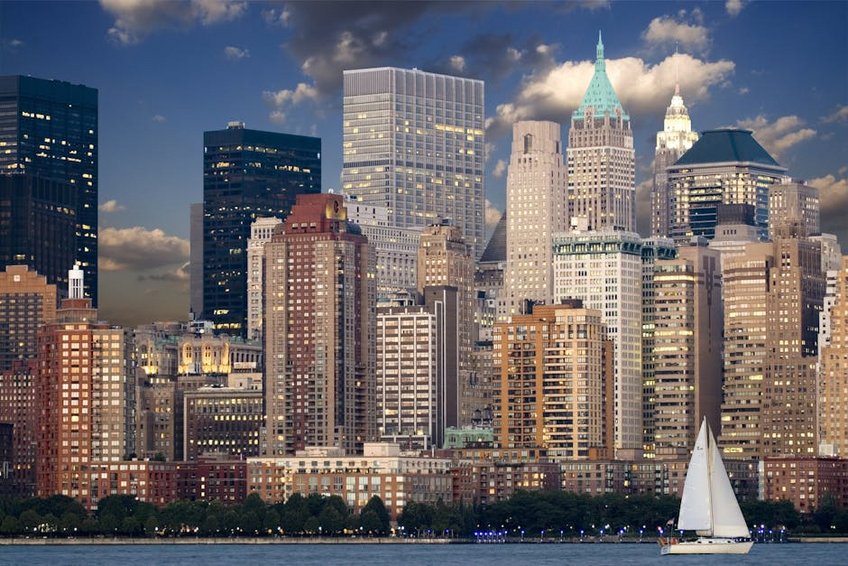
New York Travel Guide: Navigate the City That Never Sleeps
Your New York travel guide begins with understanding a metropolis of five distinct boroughs, eight million residents, and neighborhoods transforming every few blocks. This concrete jungle offers world-class art, cutting-edge cuisine, and iconic urban landscapes, all accessible via an extensive 24-hour subway system. This guide provides the essential logistics, local insights, and strategic planning you need to experience New York’s relentless energy efficiently.
Essential New York City Information
New York City comprises Manhattan, Brooklyn, Queens, The Bronx, and Staten Island. Manhattan’s grid above 14th Street simplifies navigation, with avenues running north-south and streets running east-west. Each borough possesses a unique cultural identity and must-see attractions beyond the typical tourist path.
The city operates on a fast pace, where walking is often quicker than driving. English is the primary language, but you’ll hear hundreds of others across its diverse neighborhoods. Public transportation is the lifeblood of the city, with the MTA subway and bus network serving all corners.
New York Basics – What You Need to Know
Grasping these fundamental facts will streamline your visit immediately.
- Currency is the US Dollar (USD); credit cards are accepted almost universally, but carry small bills for tips and street vendors.
- Tipping is customary: 15-20% at restaurants, $1-2 per drink at bars, and a few dollars for hotel housekeeping per day.
- The electrical current is 120V/60Hz; travelers from Europe need a plug adapter and possibly a voltage converter for some devices.
- Budget Traveler ($150-250/day): Stay in hostels or budget hotels in Brooklyn/Queens, eat street food and slice pizza, use unlimited MetroCards, focus on free attractions like parks, museums with suggested donation times, and walking tours.
- Mid-Range Traveler ($350-600/day): Book a 3-4 star hotel in Midtown or Lower Manhattan, enjoy casual sit-down meals, pre-purchase attraction passes, see a Broadway show in the rear mezzanine, and use ride-sharing occasionally.
- Luxury Traveler ($750+/day): Choose five-star hotels like The Plaza or Mandarin Oriental, dine at acclaimed restaurants (reserve months ahead), take private car services, book VIP tours for major sites, and attend premium Broadway orchestra seats.
- Official NYC Tourism Bureau
- Metropolitan Transportation Authority (MTA)
Key Neighborhoods and Their Vibe
Manhattan’s Lower East Side features historic tenement buildings, trendy boutiques, and iconic dive bars. It contrasts sharply with the Financial District’s skyscrapers and the 9/11 Memorial’s solemnity. This area is best explored on foot to discover hidden cafes and vibrant street art.
Across the East River, Williamsburg, Brooklyn, offers a hipster paradise with artisan coffee shops, indie music venues, and stunning Manhattan skyline views from Domino Park. Queens presents an unparalleled global food scene in neighborhoods like Flushing for Chinese cuisine and Jackson Heights for Indian and Colombian fare.
Weather and Seasonal Considerations
New York experiences four distinct seasons, each dramatically altering the city’s atmosphere. Summers are hot and humid, with average highs around 85°F (29°C), perfect for outdoor movies and rooftop bars. Winters are cold and windy, with temperatures often dropping below freezing, 32°F (0°C), requiring serious thermal layers.
Spring and fall provide the most pleasant conditions. April-May and September-October offer mild temperatures between 60-75°F (15-24°C) and colorful foliage in Central Park. These shoulder seasons see fewer tourists than the peak summer months.
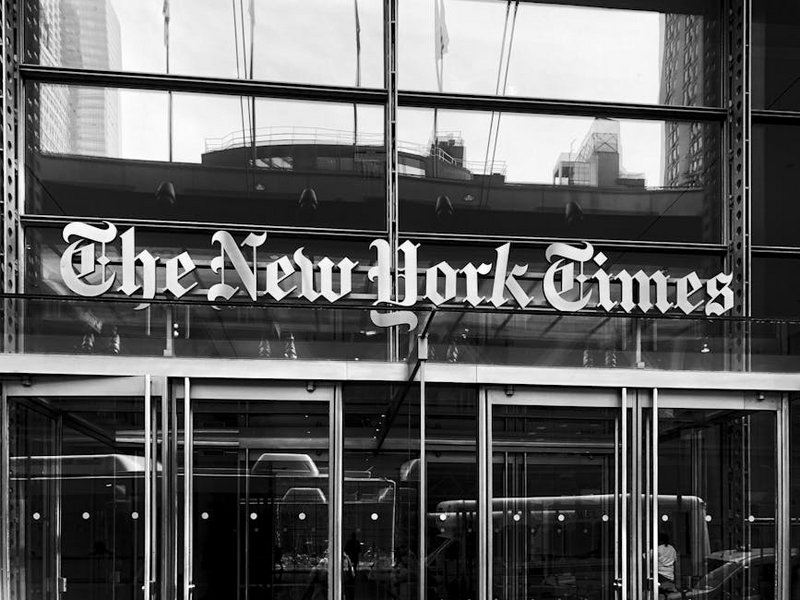
Alt: “manhattan-skyline-aerial-view-central-park-autumn”
New York Travel Guide – Planning Your Trip
A successful New York City visit demands strategic planning to manage costs, crowds, and your own energy. Prioritize key attractions and book major entries like the Empire State Building or Broadway shows weeks in advance. Accommodation is your biggest expense, so balance location with your daily itinerary.
Consider purchasing a multi-attraction pass like the New York CityPASS or Go City Card if your list includes several major paid sights. These can offer significant savings. Also, factor in substantial walking; comfortable shoes are non-negotiable for this urban adventure.
Best Time to Visit New York City
The absolute best times are late April to early June and September through October. You’ll enjoy mild weather of 65-75°F (18-24°C), manageable crowds, and seasonal events like the US Open or fall festivals. Hotel rates during these windows are high but not at peak holiday levels.
Summer from June to August is peak tourist season with hot weather and long lines. December is magical with holiday markets and decorations but is exceptionally crowded and expensive. January and February offer lower prices but require preparation for cold and potential snow.
Budget Planning and Costs
New York is expensive, but planning tiers can help manage your budget effectively.
Essential Preparation Checklist
Pack layers regardless of season, including a waterproof jacket and broken-in walking shoes. Bring a portable phone charger for navigating and photographing all day. Essential apps to download include Citymapper for transit, Resy or OpenTable for dining reservations, and the official MTA app for subway updates.
Ensure your passport is valid for the duration of your stay if traveling internationally. US visitors need only a government ID. Consider travel insurance for costly prepaid bookings. Book your airport transfer in advance, whether a cab, shuttle, or arranging the AirTrain to subway connection.
Top Attractions and Must-Do Experiences
Iconic landmarks define the NYC skyline, from the art deco spire of the Chrysler Building to the modernist curves of the Oculus. Central Park provides 843 acres of designed nature, featuring the Bethesda Terrace, Strawberry Fields, and the reservoir jogging path. These sites form the classic postcard image of the city.
Beyond the obvious, neighborhoods like the West Village with its twisting streets and Greenwich Village’s Washington Square Park offer quintessential New York atmosphere. The High Line, an elevated park built on an old rail line, combines innovative landscaping, public art, and unique city views from Chelsea to Hudson Yards.
Must-See Highlights
The Statue of Liberty and Ellis Island require a ferry from Battery Park. Book crown or pedestal access months in advance for the full experience. The 9/11 Memorial & Museum is a profoundly moving tribute; allocate at least three hours to fully appreciate the exhibits and reflecting pools.
Times Square is overwhelming but essential for a brief visit, best experienced at night when the neon dazzles. For panoramic views, Top of the Rock at Rockefeller Center often has shorter lines than the Empire State Building and includes the iconic building itself in your photos. The Metropolitan Museum of Art demands a full day for serious art lovers.
Hidden Gems and Local Favorites
Explore Roosevelt Island via the scenic aerial tramway from Manhattan for incredible views. The Cloisters museum in Fort Tryon Park houses medieval European art in a serene setting overlooking the Hudson River. Green-Wood Cemetery in Brooklyn is a historic landmark with stunning Gothic architecture and peaceful walking paths.
For a unique market, visit the Essex Street Market on the Lower East Side for gourmet foods. The City Reliquary in Williamsburg is a tiny museum filled with quirky NYC artifacts. Walk across the Brooklyn Bridge at sunrise to avoid crowds and see the skyline illuminated in golden light.
Arts, Culture, and Broadway
Broadway is the pinnacle, but also explore Off-Broadway and Off-Off-Broadway in theaters around Union Square for innovative productions. For discount same-day tickets, visit the TKTS booths in Times Square, Lincoln Center, or Downtown Brooklyn. Not in the mood for a musical? World-class ballet, opera, and symphony performances happen at Lincoln Center.
Gallery hopping in Chelsea offers free access to contemporary art from renowned and emerging artists. The Museum of Modern Art (MoMA) and the Guggenheim are modernist marvels. The Morgan Library & Museum provides an intimate look at rare books and manuscripts in a beautiful setting.
Practical Travel Information and Logistics
Navigating New York is straightforward once you understand the grid and the subway map. John F. Kennedy (JFK) and Newark Liberty (EWR) are the major international airports, while LaGuardia (LGA) handles more domestic flights. Allow ample time for airport transfers, as traffic can be heavy at any hour.
Accommodation prices are steep, especially in Manhattan. Consider staying in Long Island City (Queens), Downtown Brooklyn, or Jersey City for better value, with easy subway access to Manhattan. Booking three to six months in advance secures better rates and more options for peak seasons.
| Accommodation Area | Best For / Vibe | Average Price Range/Night (USD) |
|---|---|---|
| Midtown Manhattan | First-time visitors, proximity to major attractions, business travel | $300 – $600+ |
| Lower Manhattan/Financial District | Fewer crowds, easy ferry access, upscale hotels, weekend deals | $250 – $500 |
| Williamsburg, Brooklyn | Hipster scene, nightlife, boutique shopping, younger travelers | $200 – $400 |
| Long Island City, Queens | Value, quick subway to Manhattan, modern high-rise hotels, skyline views | $180 – $350 |