Mykonos Travel Guide
Planning a trip to this iconic Greek island requires balancing vibrant nightlife with serene Aegean beauty. Your Mykonos travel guide must cover everything from navigating the whitewashed maze of Mykonos Town to finding secluded coves away from the summer crowds. This resource provides detailed seasonal advice, specific cost breakdowns, and cultural insights to help you craft an itinerary that matches your travel style and budget perfectly.
Mykonos Island Essentials
Mykonos sits within the Cyclades island group, approximately 150 kilometers southeast of Athens in the Aegean Sea. The island spans about 85 square kilometers with a population of just over 10,000 residents, which swells dramatically during peak tourism months. Its iconic architecture features whitewashed cube buildings, blue-domed churches, and narrow cobblestone streets designed to confuse pirates centuries ago.
Historically, Mykonos was a modest fishing and agricultural community. Its transformation into a global jet-set destination began in the 1960s when international celebrities discovered its unique charm. Today, the island maintains a delicate balance between preserving its Cycladic identity and catering to a luxury international market. The local economy relies almost entirely on tourism from May through October.
Geography and Climate Overview
The island’s terrain is predominantly rocky and arid with low hills, the highest being Profitis Ilias at 341 meters. Mykonos experiences a typical Mediterranean climate characterized by hot, dry summers and mild, wetter winters. The meltemi winds, which blow from the north in July and August, provide natural air conditioning but can affect ferry schedules and beach comfort. These consistent winds historically powered the island’s iconic windmills.
Cultural Significance and Vibe
Mykonos holds a legendary status in LGBTQ+ travel history, establishing itself as a welcoming and progressive destination since the 1970s. The island’s overall atmosphere is famously cosmopolitan and liberating. You encounter a blend of ultra-luxury, authentic Greek hospitality, and a persistent party energy. However, distinct areas offer vastly different experiences, from the serene traditional village of Ano Mera to the pulsating beach clubs of Paradise.
Local customs remain important despite the international influx. Dress respectfully when visiting churches, such as Panagia Paraportiani, covering shoulders and knees. The pace of life follows the Mediterranean rhythm, with late dinners and even later nights. Family-owned tavernas in the backstreets of Mykonos Town offer a glimpse into the island’s enduring community spirit.
Island Logistics and Administration
Mykonos operates on Eastern European Time (EET, UTC+2) and switches to daylight saving time. The official currency is the Euro, with ATMs widely available, though carrying some cash for smaller shops and taxis is wise. The primary language is Greek, but English is universally spoken in the tourism sector. The island has a well-equipped health center in Mykonos Town, with more serious cases transferred to Athens.
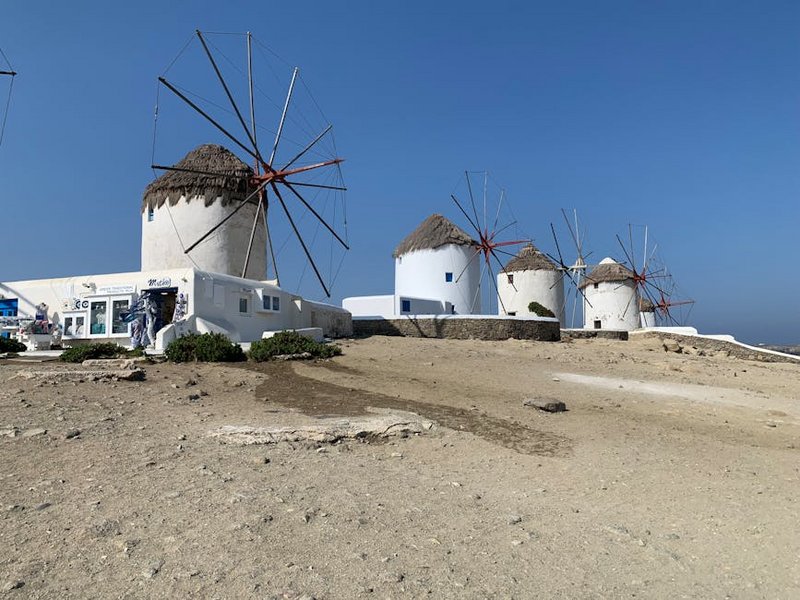
Alt: “mykonos-town-whitewash-buildings-cobblestone-alleyways-summer”
Mykonos Travel Guide – Planning Your Trip
Crafting your perfect Aegean getaway depends heavily on timing and priorities. The island transforms dramatically across the seasons, shifting from a tranquil spring escape to a July-August mega-party hub. Budget planning is equally crucial, as costs can vary by hundreds of euros daily based on your accommodation, dining, and activity choices. Early reservations for flights, hotels, and popular restaurants are non-negotiable for summer visits.
Best Time to Visit Mykonos
Peak season runs from late June through August, featuring guaranteed hot weather (82-90°F / 28-32°C), full operational hours for all businesses, and an intense social atmosphere. However, this period brings maximum crowds, highest prices, and the strongest meltemi winds. Shoulder months—May, early June, and September—offer the best balance. You enjoy warm, swimmable weather (72-82°F / 22-28°C), fewer people, and slightly lower rates while most restaurants and clubs remain open.
The off-season (October-April) sees a majority of hotels, beach clubs, and tourist-focused restaurants closed. While quiet and affordable, your experience will be of a sleepy Greek island, not the vibrant destination featured in most guides. For the classic blend of good weather and manageable crowds, target the weeks in mid-May or late September. This timing is ideal for exploring historical sites and enjoying al fresco dining comfortably.
Budget Planning and Costs
Daily expenses in Mykonos span a wide spectrum. Your total cost hinges on accommodation style, dining choices, and evening entertainment.
- Budget travelers can manage on $100-$150 per day by staying in hostels or self-catering studios in Tourlos, using public buses, eating gyros for lunch, and enjoying sunset drinks from a supermarket-bought bottle at Little Venice.
- Mid-range visitors should budget $250-$400 daily for a three-star hotel with pool, scooter rental, one nice restaurant meal per day, and entry to a mainstream beach club like Santa Marina. This tier offers the best value-for-money experience.
- A luxury daily budget starts at $600+ and includes five-star boutique hotels like Cavo Tagoo, VIP beach bed service at Nammos, private yacht charters, and chef’s table dinners. This tier provides exclusivity and seamless service during peak hustle.
- Official Municipality of Mykonos
- Greece Is Travel Guide
Essential Preparation Checklist
Pack smart for the Cycladic sun and stylish evening scene. Essentials include high-SPF sunscreen, a wide-brimmed hat, comfortable walking shoes for uneven cobblestones, a light jacket for windy evenings, and a versatile outfit for upscale venues. For beach days, bring your own towel and a reliable beach bag. A European Type C/F power adapter is necessary for charging devices.
Ensure your passport is valid for at least three months beyond your departure date from the Schengen Area. EU and US citizens do not need a visa for stays under 90 days. Purchase comprehensive travel insurance covering medical evacuation. Book airport transfers in advance, as taxis are scarce upon arrival. Download offline maps of Mykonos Town to navigate the labyrinthine Chora without a data connection.
Top Attractions and Island Activities
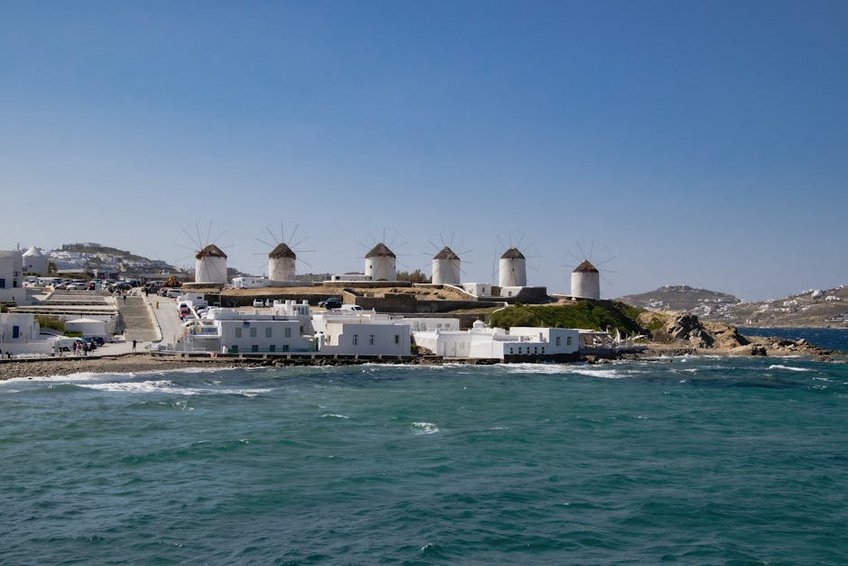
The island offers far more than just parties. Mykonos Town, known locally as Chora, is a UNESCO-protected Cycladic architectural marvel worth half a day of wandering. Its maze of narrow streets, known as *kandounia*, is filled with boutique shops, art galleries, and hidden cafes. The iconic windmills on the hill overlooking Little Venice provide the quintessential photo opportunity, especially at sunset when the sky turns pastel.
Beach hopping is a primary daytime activity, with each coast offering a different vibe. The south coast hosts the famous party beaches like Paradise and Super Paradise, with loud music and vibrant crowds. The north coast features calmer, windier shores like Agios Sostis and Ftelia, popular with windsurfers. Family-friendly options with gentle waters and amenities include Ornos and Platis Gialos beaches, easily accessible by the frequent water taxi service.
Must-See Historical and Cultural Highlights
Panagia Paraportiani is a breathtaking complex of five small whitewashed churches fused together over centuries, representing one of the most photographed monuments in Greece. The Archaeological Museum of Mykonos, near the old port, houses a collection of ancient pottery, jewelry, and a famous 7th-century BC *pithos* (large storage jar) depicting the fall of Troy. Entry costs around €4.
The Lena’s House and Agricultural Museum offer a glimpse into 19th-century middle-class Mykonian life, with traditional furnishings and tools. A short boat trip from the old port leads to the sacred island of Delos, a UNESCO World Heritage Site. This uninhabited archaeological park was the mythological birthplace of Apollo and Artemis. Guided tours cost approximately €50, including boat transfer and site entrance. Remember, nothing can be removed from Delos, and overnight stays are prohibited.
Hidden Gems and Local Favorites
Venture inland to the village of Ano Mera, centered around the 16th-century Panagia Tourliani Monastery with its intricate marble bell tower and wood-carved iconostasis. This area feels miles away from the coastal buzz, with authentic tavernas serving local specialties like *kopanisti* (spicy cheese) around a quiet square. For a secluded swim, hike to the remote beach of Fokos on the north coast, where a single excellent taverna serves fresh fish under tamarisk trees.
Discover the lesser-known Armenistis Lighthouse at the island’s northern tip, offering dramatic sunset views over the Aegean without the crowds of Little Venice. For a unique cultural experience, visit the Mykonos Folklore Museum in a 19th-century sea captain’s mansion in Kastro district. It showcases traditional textiles, furniture, and historical photographs that tell the island’s pre-tourism story. These spots provide a more authentic and peaceful counterpoint to the island’s famous hotspots.
Sailing and Water Adventures
Sailing around the island reveals secluded caves, remote beaches, and stunning coastal perspectives inaccessible by land. Numerous companies at the old port offer daily group cruises (€80-€120) or private yacht charters (€500+). A typical itinerary includes Rhenia Island for swimming, Delos for a guided tour, and a seafood lunch on board. For active travelers, Mykonos offers excellent windsurfing and kitesurfing conditions at Ftelia Beach, with equipment rentals and lessons readily available.
Practical Travel Information
Navigating Mykonos is straightforward with some prior knowledge. The island has one main bus station in Fabrika, north of Mykonos Town, connecting to most beaches and Ano Mera. Schedules are frequent in summer but wind-dependent. Taxis are expensive and in high demand; use the official taxi queue at the rank or book via phone apps like Mykonos Taxi in advance. Renting an ATV or scooter (€25-€50 per day) provides maximum flexibility for exploring remote corners.
Accommodation clusters in distinct areas: Mykonos Town for nightlife and culture, Ornos and Platis Gialos for family-friendly beach access, and the southwest coast (Paradise, Super Paradise) for the party scene. Staying in Tourlos or Agios Ioannis offers a quieter setting with easier parking and quick access to town via short drives. Most hotels offer airport/port transfers, which you should confirm when booking.
| Accommodation Type | Best For / Features | Average Nightly Rate (Summer) |
|---|---|---|
| Luxury Boutique Hotel | Honeymooners, luxury seekers; infinity pools, design aesthetics, concierge | $500 – $1500+ |
| Traditional Mykonian Villa | Groups/families; privacy, self-catering, authentic architecture | $300 – $800 |
| Mid-Range Hotel | Couples/friends; pool, breakfast, convenient location | $200 – $450 |
| Budget Studio/Guesthouse | Solo/backpacker travelers; basic amenities, shared facilities, local hosts | $80 – $180 |