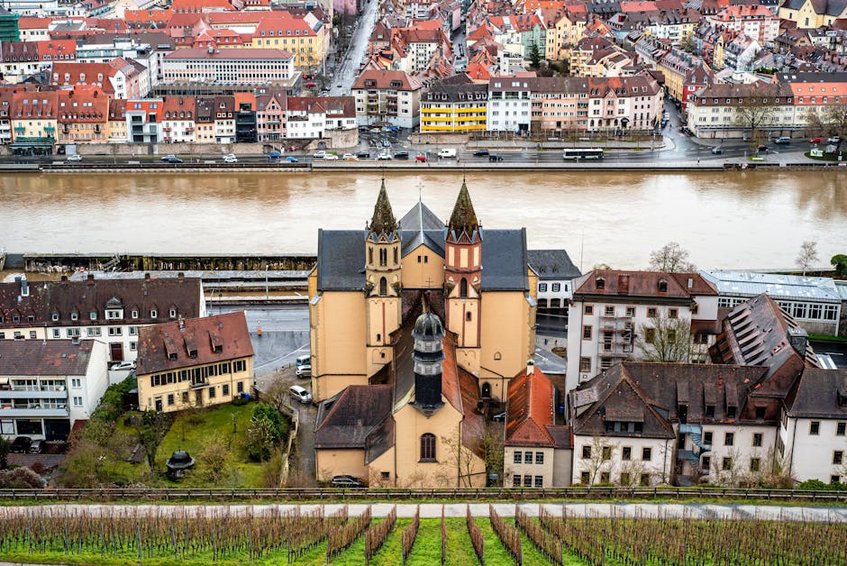
Medieval Cities in Germany for Your Historic Travel Itinerary
Exploring medieval cities in Germany offers a direct connection to a past defined by timber-framed houses, winding cobblestone lanes, and imposing stone fortifications. These historic centers, many miraculously surviving World War II, present a tangible journey through centuries of Hanseatic trade, imperial politics, and architectural evolution. This guide details the top destinations, practical travel strategies, and cultural insights to craft your perfect historic tour across the country.
Essential Information on Germany’s Historic Cores
Germany’s medieval urban landscape is not a single entity but a collection of distinct regions, each with unique character. The south, particularly Bavaria and Baden-Württemberg, features cities that often grew from Roman settlements or royal patronage, evident in their grand market squares and cathedrals. Northern Germany, shaped by the powerful Hanseatic League, showcases a more utilitarian, brick-Gothic architecture focused on trade and defense against the sea.
The term “medieval” here typically refers to the period from roughly 1000 AD to 1500 AD, though many towns have roots stretching back further. Preservation status varies; some cities like Nuremberg were heavily reconstructed, while others like Rothenburg ob der Tauber remained almost untouched. Visiting these places requires understanding their layout—a central market (Markt), a defensive wall (Stadtmauer), and a castle (Burg) often define the historic footprint.
What Defines a German Medieval City
Recognizing common architectural and planning elements enriches the visit.
- Timber-Framed Houses (Fachwerkhäuser): These iconic structures feature exposed wooden beams filled with plaster or brick. The patterns and carvings often indicated the owner’s wealth or trade, with upper floors frequently jutting out over the street.
- Defensive City Walls and Gates (Stadtmauern & Tore): Intact or partially restored walls with watchtowers and massive gates, like Lübeck’s Holstentor, are hallmarks. Many, like in Dinkelsbühl, allow for scenic walks along their entire length.
- Market Squares (Marktplatz): The historic heart, always home to a town hall (Rathaus), a central fountain, and the finest patrician houses. This is where weekly markets and major festivals still take place today.
- Budget Traveler ($75-100 USD/day): Stay in hostels or guesthouses outside the walls, use regional train passes, and eat primarily from bakeries and supermarkets. Focus on free activities like walking the city walls and exploring churches. Many museums offer discounted combined tickets.
- Mid-Range Traveler ($150-250 USD/day): This allows for comfortable hotels within the old town, a Deutschland-Ticket for unlimited regional train travel, daily museum entries, and sit-down meals at traditional gasthauses. You can also afford guided walking tours for deeper insight.
- Luxury Traveler ($350+ USD/day): Stay in historic boutique hotels or castle hotels, enjoy fine dining at renowned restaurants, hire private guides for specialized tours, and use taxis or rental cars for maximum flexibility to visit remote monasteries or castles.
- German National Tourist Board
- UNESCO World Heritage List for Germany
Key Historical Context and Regions
Germany’s lack of a central capital until the 19th century fostered incredibly diverse city-states. The Holy Roman Empire’s patchwork of bishoprics, duchies, and free imperial cities created fierce local identities. This competition drove architectural one-upmanship, resulting in the stunning cathedrals and town halls we see.
The Hanseatic League, a commercial confederation, dominated the Baltic and North Sea trade from the 13th to 17th centuries. Cities like Lübeck, Hamburg, and Bremen grew immensely wealthy, funding the construction of monumental brick churches and warehouses. Their legacy is a distinct “Hanseatic” style, different from the stone and timber of the southern interior.
Cultural Heritage and Preservation
Many of these historic cores are UNESCO World Heritage Sites, ensuring their protection. This status recognizes outstanding universal value, such as representing a significant stage in human history or architectural technology. Maintenance is a continuous, costly effort, often funded through a mix of public money and tourism revenue.
When you visit, you directly contribute to preserving these sites. Respectful tourism—staying in historic hotels, dining in local restaurants, and joining guided tours—helps sustain the communities that maintain this heritage. It is a living history, not an open-air museum.
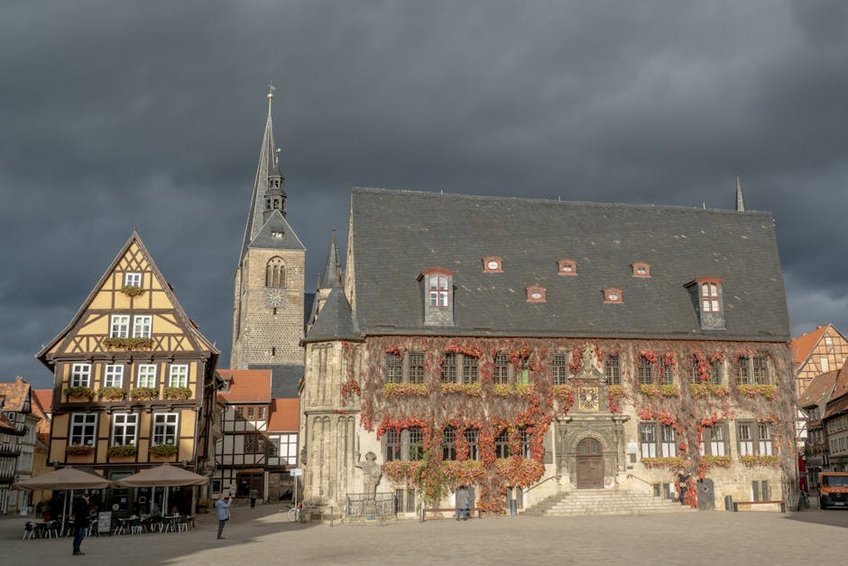
Alt: “rothenburg-ob-der-tauber-timber-framed-houses-cobblestone-street-germany”
Medieval Cities in Germany – Planning Your Trip
Building a route through Germany’s historic towns requires strategic thinking about geography and time. Focus on one or two regions rather than crisscrossing the country. A successful tour of medieval cities in Germany balances iconic stops with lesser-known gems to avoid crowds and discover authentic atmosphere. Allocate at least two nights in larger cities and one in smaller towns for a comfortable pace.
Budget considerations are wide-ranging. Train travel between cities is efficient but can be costly without a rail pass. Accommodation inside the historic walls commands a premium, especially during festivals. Dining costs vary greatly; a meal at a market-square restaurant costs $25-40 USD, while a sausage from a stand is under $5 USD.
Advance booking is non-negotiable for peak season (June-August) and during famous Christmas markets. Trains, hotels, and even guided tours fill months ahead. Shoulder seasons like May and September offer milder weather, fewer tourists, and better availability, often at lower prices.
Best Time to Visit Germany’s Historic Towns
The ideal months are late spring (May to early June) and early autumn (September to October). Daytime temperatures range from a pleasant 60-70°F (15-21°C) with lower rainfall, perfect for walking. Summer crowds peak in July and August, with temperatures reaching 75-85°F (24-29°C), making popular spots like Rothenburg uncomfortably busy.
Winter, specifically December, is magical for the world-famous Christmas markets but extremely crowded and cold, with highs of 35-40°F (2-5°C). January through March is the quietest period; some attractions have reduced hours, but you’ll have the cobblestone streets largely to yourself, albeit in chilly 30-40°F (-1 to 4°C) weather.
Budget Planning and Costs
Daily costs vary dramatically based on travel style and destination.
Essential Preparation Checklist
Packing should prioritize comfort and practicality. You will walk extensively on uneven cobblestones, so waterproof, broken-in walking shoes are the most critical item. Pack layers, including a warm sweater and a waterproof jacket, as weather can change quickly. A small daypack is useful for carrying water, guidebooks, and purchases.
Ensure your passport is valid for at least three months beyond your planned departure from the Schengen Area. U.S. and EU citizens do not need a visa for stays under 90 days. Purchase comprehensive travel insurance that covers medical emergencies and trip cancellation. Book major intercity train tickets 90 days in advance on Deutsche Bahn’s website for the best “Sparpreis” fares.
Top Historic Destinations and Activities
While countless towns boast medieval charm, a few stand out for their exceptional preservation, scale, and cultural offerings. These destinations provide a comprehensive look into different aspects of German medieval life, from imperial power to mercantile wealth. Each city serves as a perfect base for exploring surrounding villages and landscapes.
Prioritize cities that resonate with your interests: monumental architecture, fairy-tale aesthetics, or maritime history. Combining a major hub like Nuremberg with a smaller, perfectly preserved town like Dinkelsbühl offers contrast and depth. Always allocate time to simply wander without an agenda; the best discoveries happen down quiet alleys.
Must-See Highlight Cities
Rothenburg ob der Tauber: The quintessential medieval walled town, with completely intact fortifications encircling a picture-perfect center. Don’t miss the Night Watchman’s tour and views from the Town Hall tower. It’s crowded but undeniably iconic.
Lübeck: The former “Queen of the Hanseatic League,” famed for its massive Holstentor gate and marzipan. The brick-Gothic architecture of its churches and the historic salt warehouses on the river are UNESCO-listed. It offers a distinctly northern German experience.
Regensburg: A large city with a wonderfully preserved medieval core straddling the Danube River. Its 12th-century stone bridge and towering cathedral are highlights. The city feels lived-in and vibrant, not just a tourist relic.
Hidden Gems and Local Favorites
Quedlinburg: A UNESCO site in the Harz Mountains with over 1,300 half-timbered houses spanning six centuries. It’s less internationally famous than Rothenburg but equally stunning, with a charming castle hill and fewer crowds.
Bamberg: Known for its unique smoked beer and breathtaking architecture built on seven hills. The old town hall, built on an island in the river, and the imperial cathedral are unforgettable. The student population keeps the atmosphere lively.
Goslar: A former imperial palace town at the foot of the Harz, famous for its well-preserved guild halls and the Rammelsberg mine, a UNESCO site showcasing 1,000 years of mining history. The Christmas market here is exceptional.
Castles and Fortifications Exploration
No tour is complete without visiting at least one major castle. Some, like Nuremberg’s Kaiserburg, are integrated into the city. Others, like the fairytale Neuschwanstein (19th-century but medieval-inspired) or the rugged Burg Eltz, require a short trip into the countryside.
Consider a dedicated “Castle Road” (Burgenstraße) or “Romantic Road” (Romantische Straße) itinerary, which links historic towns and castles via scenic routes. These are best explored by car for flexibility, though coach tours are available from major cities like Frankfurt or Munich.
Practical Travel Information and Logistics
Navigating Germany is straightforward thanks to excellent infrastructure. The Deutsche Bahn rail network connects all major and most minor cities efficiently. For maximum flexibility, especially for visiting remote castles or villages, a rental car is ideal. However, parking within medieval centers is often restricted and expensive; use designated park-and-ride facilities on the outskirts.
Accommodation ranges from modern chain hotels near train stations to historic inns within the old walls. Staying inside the historic core is recommended for atmosphere, but be prepared for older buildings without elevators and potential noise from church bells or crowds. Booking directly with hotels can sometimes yield better rates or room upgrades.
| Accommodation Type | Best For / Features | Price Range (USD/Night) |
|---|---|---|
| Historic Hotel (Altstadt) | Atmosphere, charm, central location; may have no elevator | $120 – $300+ |
| Mid-Range Chain Hotel | Consistency, modern amenities, often near station | $90 – $180 |
| Pension/Guesthouse | Local hospitality, home-cooked breakfast, good value | $70 – $130 |
| Hostel | Solo travelers & budgets, social atmosphere, basic facilities | $25 – $60 |