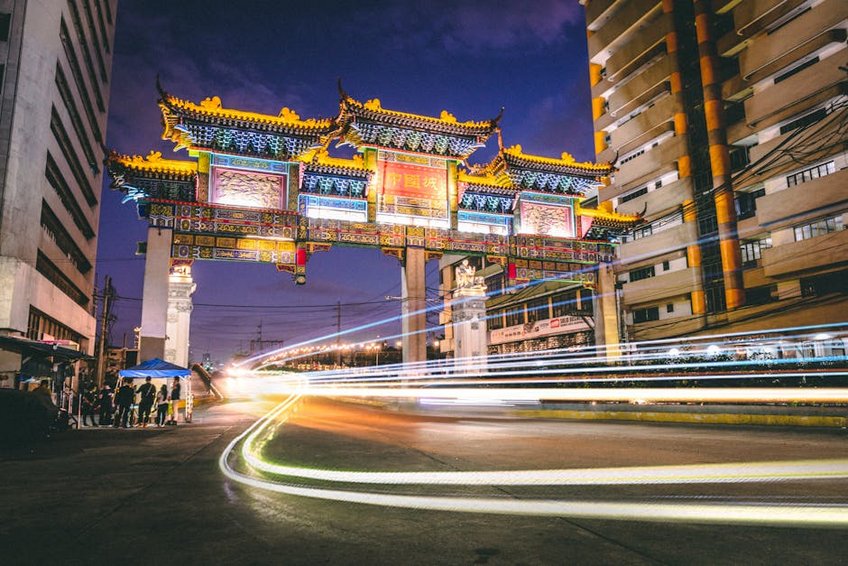
Manila Travel Guide: Navigate the Vibrant Philippine Capital
This Manila travel guide provides the essential roadmap for experiencing a city of fascinating contrasts, where Spanish colonial history sits alongside sprawling modern districts. You’ll navigate from the ancient walls of Intramuros to the glittering skyscrapers of Makati, discovering where to find authentic Filipino flavors and how to efficiently use the city’s unique transportation mix. We cover everything from ideal visit timing and neighborhood breakdowns to cultural etiquette and day-trip possibilities, ensuring you experience the capital’s dynamic energy without the common tourist frustrations.
Essential Manila Information
Manila, officially the City of Manila, is the dense, historic capital of the Philippines located on the eastern shore of Manila Bay. Founded in 1571 by Spanish conquistadors, it served as the center of Spanish political and religious power in Asia for over three centuries. Today, it is one of 16 cities that make up the National Capital Region, more commonly known as Metro Manila, a massive urban sprawl home to over 13 million people.
The city’s climate is tropical, meaning it’s consistently hot and humid year-round, with distinct wet and dry seasons shaping the visitor experience. Filipino and English are the official languages, with English widely used in business, tourism, and signage, making navigation straightforward for international visitors. The Philippine Peso (PHP) is the local currency, and while credit cards are accepted in malls and hotels, cash remains king for markets, jeepneys, and smaller eateries.
Key Facts at a Glance
Before you dive into planning, here are the foundational details you need.
- Best Time to Visit: The dry season from late November to April offers sunny days ideal for exploration, with peak tourism from December to February when temperatures are slightly cooler, averaging 75-88°F (24-31°C).
- Getting There: Most international flights land at Ninoy Aquino International Airport (MNL), located within Metro Manila. Major airlines offer direct routes from North America, Europe, and across Asia.
- Visa Requirements: Citizens from the US, UK, Canada, Australia, and other ASEAN countries receive a visa-free stay of 30 days upon arrival. Always check your specific passport requirements before booking.
- Budget Traveler ($40-60/day): Stay in hostels in Malate or Ermita ($10-15/night), eat at local carinderias (eateries) and street stalls ($1-3 per meal), and use jeepneys and the MRT/LRT train system for transport ($0.20-0.50 per ride). Focus on free attractions like Rizal Park and church visits.
- Mid-Range Traveler ($80-150/day): This budget allows for comfortable hotels in Makati or Ortigas ($50-80/night), meals at mid-tier restaurants and food halls ($5-10 per meal), Grab car rides for some journeys, and paid entry to museums and tours like Intramuros guided walks.
- Luxury Traveler ($250+/day): Enjoy 5-star hotels in BGC or Makati ($150+/night), fine dining at chef-driven restaurants ($30+ per meal), private car transfers or tours, and exclusive experiences like yacht cruises on Manila Bay or spa treatments.
- Philippine Department of Tourism
- Lonely Planet Manila Guide
Understanding Metro Manila
First-time visitors often confuse the City of Manila with Metro Manila. The City of Manila is the historic core, containing districts like Intramuros and Binondo. Meanwhile, Metro Manila is the encompassing metropolitan region, including key areas for tourists like Makati (financial center), Taguig (home to Bonifacio Global City), and Pasay (near the airport and major malls).
Your itinerary will likely span several of these cities. For instance, you might stay in a hotel in Makati, visit historical sites in Manila City, and shop in Pasay. Understanding this distinction is crucial for planning logistics, as travel between cities can be slow due to infamous traffic. It often dictates where you choose your accommodation based on your primary interests.
Cultural Context and Local Life
Manila life pulses with a blend of deep Catholic faith, strong family ties, and resilient optimism. You’ll see this in the countless churches, the weekend family gatherings in parks and malls, and the general warmth of its people, known for their hospitality. The city has endured significant history, from Spanish colonization and American occupation to the battles of World War II, all of which have shaped its complex identity.
Daily life for Manileños often revolves around massive air-conditioned shopping malls, which serve as social hubs, dining destinations, and entertainment centers. Street food is ubiquitous and a vital part of the culinary scene. Navigating the crowds and energy requires patience, but embracing the local pace and customs is key to a rewarding visit.
Alt: “manila-bay-sunset-mall-of-asia-ferris-wheel”
Manila Travel Guide – Planning Your Trip
Strategic planning is your best tool for enjoying Manila, as its scale and traffic can be overwhelming. A successful visit balances iconic historical sites with contemporary neighborhoods, allocates time for culinary adventures, and smartly schedules travel to avoid gridlock. This section provides the actionable framework for building your itinerary, focusing on timing, budgeting, and daily logistics to maximize your experience in the Philippine capital.
Consider splitting your stay between two hotel bases to minimize transit time. For example, spend a few nights in Makati or BGC for modern comforts and nightlife, then stay in the Ermita or Malate area near Manila Bay for easier access to Intramuros and Rizal Park. Always factor in at least 60-90 minutes for cross-city travel, even for relatively short distances, especially during weekday rush hours from 7-10 AM and 5-9 PM.
Best Time to Visit Manila
The absolute best months for a Manila visit are January through March, during the cool dry season. Temperatures are more comfortable, ranging from 75-88°F (24-31°C), and rainfall is minimal. This period has major festivals like the Feast of the Black Nazarene in January, but also the highest hotel rates. April and May are the hottest and driest months, with temperatures often exceeding 95°F (35°C).
The wet season runs from June to November, with heavy rainfall and typhoon risks peaking from July to October. While hotel prices drop, frequent afternoon downpours can disrupt outdoor plans. The shoulder months of November and April offer a compromise with lower crowds and moderate weather, though brief showers are possible.
Budget Planning and Costs
Manila caters to all budgets, from backpacker hostels to world-class luxury hotels. Daily costs can vary dramatically.
Essential Preparation Checklist
Pack lightweight, breathable clothing made from cotton or linen, a reusable water bottle, sturdy walking shoes, and a compact umbrella or rain jacket regardless of season. Include a power adapter (Type A/B, 220V) and a portable power bank for long days out. Essential tech includes the Grab app for taxis, Google Maps or Maps.me for navigation, and a translation app for venturing into deeper local markets.
Ensure your passport is valid for at least six months beyond your arrival date. While not mandatory, travel insurance with medical evacuation coverage is highly recommended. Book your first night’s accommodation in advance, especially if arriving late, and consider arranging an airport pickup through your hotel to avoid haggling with taxi drivers upon arrival.
Top Attractions and Activities in Manila
The city’s attractions tell the story of its layered past, from Spanish fortifications to American-era architecture and modern art. Must-see historical sites are concentrated in the old districts, while modern entertainment and shopping define the newer business centers. Allocate at least two full days to cover the major highlights at a comfortable pace, allowing time to soak in the atmosphere of each location rather than just checking them off a list.
Start your exploration in the historic core. Intramuros, the 16th-century “Walled City,” is the undisputed top attraction. Nearby, you can visit the iconic Manila Cathedral and the San Agustin Church, a UNESCO World Heritage Site. Just south lies Rizal Park, a national landmark dedicated to the country’s hero, José Rizal. These sites are best visited in the cooler morning hours to avoid the midday heat.
Must-See Historical Highlights
Intramuros requires half a day. Walk along the restored fortifications, visit Fort Santiago to learn about José Rizal’s imprisonment, and explore the cobblestone streets. You can hire a calesa (horse-drawn carriage) for a tour or join a guided walking tour for deeper historical context. The San Agustin Church and Museum houses an incredible collection of religious art and artifacts in a stunning Baroque setting.
Rizal Park is a sprawling 140-acre complex perfect for a leisurely stroll. Key points include the Rizal Monument, the Chinese and Japanese Gardens, and the National Museum complex nearby. For a poignant historical experience, visit the American Cemetery and Memorial in Taguig, the largest American military cemetery overseas, with over 17,000 graves.
Hidden Gems and Local Favorites
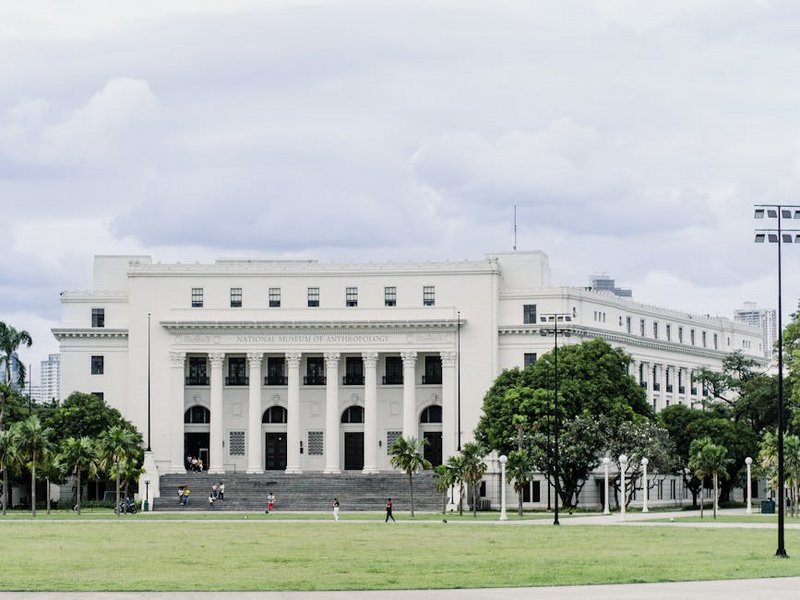
Escape the crowds at the National Museum of Fine Arts, Anthropology, and Natural History—three massive, free-admission museums located near Rizal Park. They offer world-class collections in magnificent buildings. For a unique local experience, visit the University of the Philippines Diliman campus in Quezon City on a Sunday morning when the Academic Oval is closed to traffic and filled with families biking and jogging.
Discover the artsy vibe of Poblacion in Makati, known for its vibrant street art, quirky cafes, and bustling nightlife in a more intimate setting than the big clubs. For something utterly unique, tour the newly restored Manila Central Post Office, an architectural masterpiece, or see a classic film at the art deco Metropolitan Theater.
Food Exploration and Market Tours
No visit is complete without a deep dive into Filipino food. Join a guided food tour of Binondo, the world’s oldest Chinatown, to sample authentic Chinese-Filipino fusion dishes. Visit a local wet market like the Quinta Market in Quiapo for a sensory overload of fresh produce, seafood, and local delicacies. In the evening, explore the street food stalls along Remedios Circle in Malate for adventurous eats like isaw (grilled chicken intestines) and balut (developing duck embryo).
Practical Travel Information for Manila
Navigating Metro Manila’s logistics is the biggest challenge for visitors. The key is accepting that traffic is inevitable and planning accordingly by grouping activities by geographic area. For getting around, a mix of app-based ride-hailing, the limited rail network, and the occasional adventurous jeepney ride offers the best balance of efficiency and local experience. Always carry small bills for fares and purchases.
Accommodation choices define your trip’s character. Makati and Bonifacio Global City (BGC) offer modern, walkable districts with upscale hotels, international dining, and nightlife. The Ermita and Malate areas provide more budget-friendly options and proximity to historic Manila and the baywalk, though they can feel more congested. For ultra-convenience near the airport and mega-malls, consider Pasay City.
| Accommodation Area | Best For | Price Range (USD/Night) |
|---|---|---|
| Makati | Business travelers, luxury seekers, nightlife, dining | $80 – $250+ |
| Bonifacio Global City (BGC) | Modern atmosphere, family-friendly, high-end shopping | $100 – $300+ |
| Ermita & Malate | Budget travelers, proximity to historic sites, bay area | $30 – $100 |
| Pasay (near NAIA & Mall of Asia) | Short stays, mall access, airport convenience | $50 – $150 |