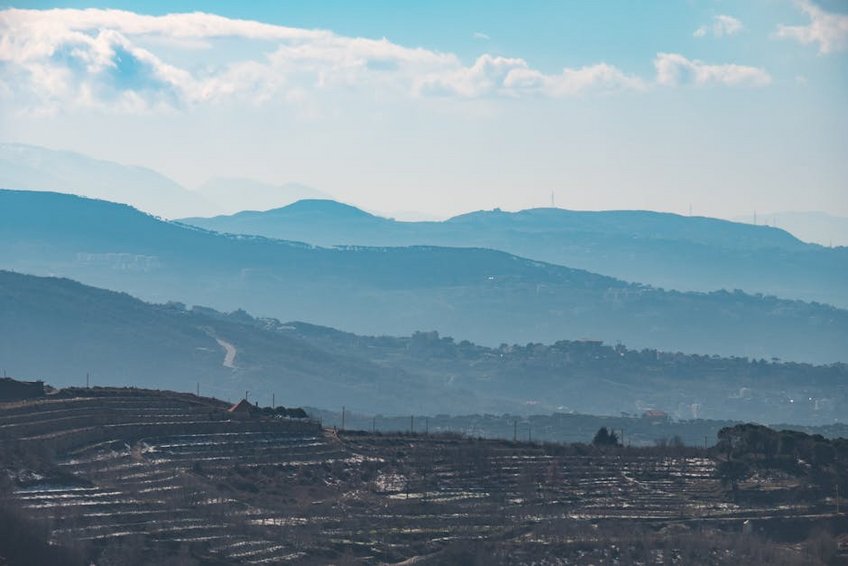
Lebanon Qadisha Valley Monasteries: Ancient Christian Heritage in the Mountains
The Lebanon Qadisha Valley Monasteries represent one of the most significant early Christian monastic settlements in the Middle East, with some communities dating back to the 5th century AD. This UNESCO World Heritage site preserves ancient churches, hermitages, and manuscripts across a dramatic gorge landscape that reaches depths of 1,000 meters. Your visit combines spiritual exploration with outdoor adventure through well-preserved historical sites accessible via hiking trails and mountain roads.
Essential Historical and Cultural Background
The Qadisha Valley’s monastic history began when early Christians sought refuge from persecution, establishing hermitages in the valley’s natural caves during the Roman era. Maronite monks developed these into permanent monasteries between the 7th and 13th centuries, creating a spiritual center that survived multiple invasions. The valley’s name translates to “Holy Valley” in Aramaic, reflecting its sacred status for Eastern Christian traditions.
These religious communities safeguarded Syriac and Arabic manuscripts through centuries of political change, including Mamluk and Ottoman rule. The monasteries served as important centers for religious education and manuscript production, with some texts now housed in European museums. This continuous Christian presence makes the valley a living museum of Eastern Christianity’s resilience.
Key Historical Periods and Developments
Understanding the timeline helps appreciate the site’s significance across different eras.
- 5th-7th Centuries: Early Christian ascetics established the first hermitages in natural caves, with the Monastery of Qannoubine founded around 1000 AD as one of the earliest organized communities.
- 13th-16th Centuries: Maronite Patriarchs used the valley as their residence, constructing additional monasteries like Deir Mar Antonios and strengthening the region’s religious authority.
- 17th Century-Present: European travelers documented the sites, leading to international recognition and eventual UNESCO designation in 1998 for outstanding cultural value.
- Budget travel at $50-70 daily covers hostel dorm beds or guesthouses, self-guided hiking using public transportation between trailheads, and picnic lunches from local markets. This approach works well for experienced hilers comfortable with route-finding.
- Mid-range budgets of $80-120 daily include private hotel rooms in Bsharri, rental car for flexibility, guided monastery tours costing $25-40, and meals at traditional Lebanese restaurants. This option provides comfort while maintaining independence.
- Luxury experiences at $150-250 daily feature boutique hotels in Ehden, private drivers and guides, multi-day hiking packages with luggage transfer, and fine dining featuring local cuisine. This maximizes comfort and cultural immersion.
- Lebanon Ministry of Tourism – Qadisha Valley Guide
- UNESCO World Heritage Centre – Qadisha Valley Documentation
Geographical Setting and Natural Features
The Qadisha Valley stretches approximately 35 kilometers through northern Lebanon’s mountains, with elevations ranging from 1,200 to 2,000 meters above sea level. The valley’s steep limestone cliffs provided natural protection for monastic communities, while numerous springs supplied fresh water. This dramatic landscape features deep gorges, forested slopes, and seasonal waterfalls that create a stunning backdrop for the religious structures.
Access points begin near Bsharri, the hometown of poet Khalil Gibran, with the valley extending toward the Mediterranean coast. The terrain varies from gentle slopes near village entrances to challenging vertical drops in the central gorge areas. Hiking trails connect the major monasteries while offering panoramic views of Lebanon’s highest peaks.
Religious Significance and Contemporary Use
The valley remains an active spiritual center with several monasteries still housing monastic communities and welcoming pilgrims. Maronite Christians continue traditional processions and celebrations at sites like the Monastery of Saint Anthony of Qozhaya during religious festivals. These living traditions connect modern visitors to practices that have continued virtually unchanged for centuries.
Many monasteries maintain ancient liturgical traditions in Syriac-Aramaic alongside Arabic, preserving linguistic heritage alongside architectural treasures. The Patriarchal seat at Qannoubine still functions for special ceremonies, while other monasteries offer retreat programs for spiritual seekers. This combination of historical preservation and active worship creates a unique cultural experience.
Planning Your Lebanon Qadisha Valley Monasteries Trip
Successful exploration of the Lebanon Qadisha Valley Monasteries requires careful timing between April and June when wildflowers bloom and temperatures range from 60-75°F (15-24°C). September through October offers similar comfortable conditions with autumn foliage, while winter brings snow that can limit access to higher trails. Budget approximately $70-120 daily for mid-range travel including guided tours, transportation, and monastery donations.
Base yourself in Bsharri or Ehden for easiest valley access, with hotels ranging from $40-150 nightly depending on season and amenities. Reserve accommodations 2-3 months early for peak season visits between May and October when European and regional tourists increase. Your itinerary should balance monastery visits with hiking time, allowing 2-3 hours per major site including approach trails.
Essential preparations include sturdy hiking shoes with grip soles, layered clothing for changing mountain weather, and cash for monastery entrance donations typically $2-5 per site. Download offline maps since cellular service diminishes in the gorge, and carry water and snacks as services are limited between monasteries. Respectful attire covering shoulders and knees is required for entering active religious sites.
Best Time to Visit the Monasteries
April through June provides ideal conditions with daytime temperatures of 65-75°F (18-24°C) and minimal rainfall, perfect for extended hiking between monastic sites. The landscape bursts with wildflowers and greenery during these months, while crowds remain manageable before summer holidays. Early morning visits avoid midday heat and offer the best photography light in the deep valley.
September and October deliver pleasant 60-70°F (15-21°C) temperatures with autumn colors appearing in late October, though occasional rain increases from mid-month. Winter from December to February brings snow above 1,500 meters with temperatures dropping to 30-45°F (-1 to 7°C), limiting access to lower trails only. July and August see intense heat reaching 85°F (29°C) in the gorge bottom, making hiking strenuous.
Budget Planning and Costs
Your expenses will vary based on travel style and accommodation choices throughout the valley region.
Essential Preparation Checklist
Physical preparation should include regular walking with elevation gain, as trails involve significant ascents and descents between 300-800 meters daily. Break in sturdy hiking boots with ankle support before your trip, and test your daypack with 2-3 liters of water capacity. Consider trekking poles for steep sections, particularly if attempting the full valley traverse.
Documentation needs include valid passport with at least six months validity, travel insurance covering emergency evacuation, and printed reservation confirmations. Lebanese visas are available on arrival for most Western passport holders for $17-35 depending on nationality. Download maps.me or similar offline navigation apps with pre-loaded Lebanon maps for trail navigation.
Health preparations should account for sun protection at high altitudes, basic first aid supplies for blisters and minor injuries, and any personal medications. While tap water is generally safe in towns, use bottled water for hiking hydration. Learn basic Arabic phrases like “marhaba” (hello) and “shukran” (thank you) for interacting with monastery caretakers.
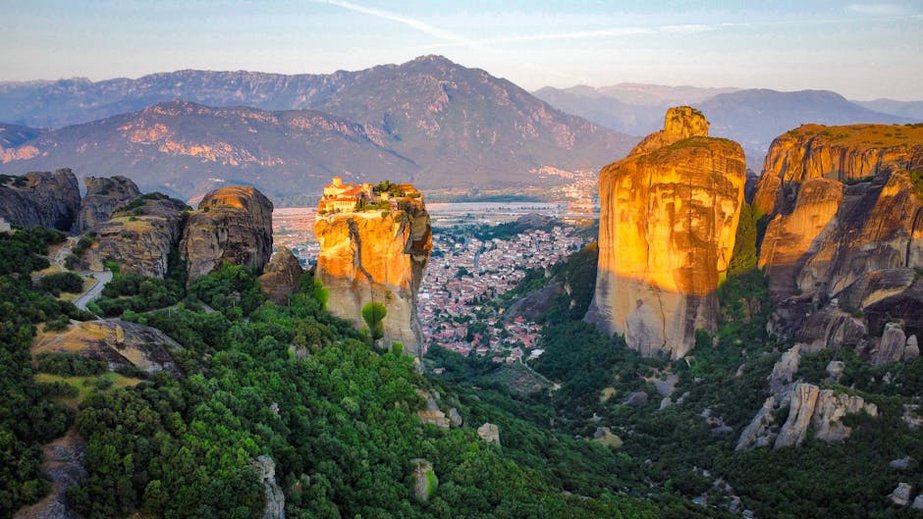
Alt: “qadisha-valley-monastery-cliffside-architecture-historical-church”
Top Monastery Attractions and Hiking Experiences
The Qadisha Valley contains approximately a dozen major monastic sites connected by centuries-old footpaths winding through dramatic landscapes. Each monastery offers unique architectural features, historical significance, and spiritual atmosphere worth experiencing. Plan to visit 3-4 primary sites daily to allow adequate exploration time without rushing between locations.
Hiking trails range from gentle walks along the valley rim to challenging descents into the gorge, with most routes well-marked but occasionally steep. Combine monastery visits with natural attractions like the Qadisha River springs and panoramic viewpoints at higher elevations. Early starts help avoid afternoon heat and provide quieter moments at popular sites.
Must-See Monastery Highlights
Deir Qannoubine served as the Maronite Patriarchal seat from the 15th to 19th centuries, housing ancient manuscripts and a rock-hewn church dating to the 4th century. The monastery’s location in the deepest part of the valley required careful construction on cliff ledges, with frescoes preserved in the main chapel. Visit before noon when sunlight illuminates the interior through small windows.
Monastery of Saint Anthony of Qozhaya features one of the oldest printing presses in the Middle East and a cave church dedicated to the hermit saint. The complex includes a museum displaying liturgical objects and historical documents, with the nearby Cave of the Madonnna containing votive offerings. Allow 90 minutes to explore the various chapels and printing press exhibition.
Deir Mar Elisha stands dramatically on a cliff edge with original 14th-century construction visible in its stone vaulting and defensive walls. This smaller monastery offers intimate atmosphere and spectacular valley views from its terrace, accessible via a steep but rewarding trail. The site rarely crowds, providing peaceful contemplation opportunities.
Hidden Gems and Lesser-Known Sites
The Hermitage of Mar Lishaa hides in a remote section of the valley, requiring a challenging hike but rewarding visitors with complete solitude and well-preserved frescoes. This 13th-century retreat features individual monk cells carved into rock faces surrounding a central chapel, illustrating early eremitic traditions. Local guides from Bsharri can lead you to this secluded spot.
Our Lady of Hawqa Monastery appears almost suspended on a vertical cliff face, accessible via a narrow path that winds behind the structure. The monastery’s strategic position provided protection during periods of conflict, with original wooden doors and ironwork surviving from the Mamluk era. Visit during weekdays when you might have the site entirely to yourself.
Hiking Routes and Nature Exploration
The Full Valley Trail covers approximately 25 kilometers over 2-3 days, connecting all major monasteries with overnight options in mountain villages. This route requires good fitness and navigation skills, with elevation changes totaling around 1,500 meters. Break the journey at Deir Qannoubine, which offers basic accommodation for pilgrims with advance arrangement.
Shorter loop trails from Bsharri or Hadath El Jebbeh provide 4-6 hour options visiting 2-3 monasteries with less elevation gain. The Bsharri to Qozhaya route descends 500 meters over 3 hours, passing through forests and offering constant valley views. These moderate hikes work well for visitors with limited time or those preferring day trips.
Practical Travel Information and Logistics
Northern Lebanon’s infrastructure supports tourism well, with good roads connecting major towns and clear signage for valley access points. Beirut-Rafic Hariri International Airport (BEY) serves as the main entry point, located 110 kilometers south with drive times of 2-3 hours depending on traffic. Rental cars provide the most flexibility, though shared taxis and occasional buses serve the region.
Accommodation ranges from basic guesthouses near trailheads to comfortable hotels in nearby towns, with prices varying significantly by season. April-June and September-October see highest demand, requiring reservations 60-90 days in advance for preferred properties. Many smaller establishments only accept cash payment in Lebanese pounds or US dollars.
| Accommodation Type | Location and Features | Price Range (USD) |
|---|---|---|
| Mountain Guesthouses | Basic rooms near trailheads, shared bathrooms, home-cooked meals | $25-45 |
| Town Hotels | Bsharri or Ehden locations, private bathrooms, breakfast included | $50-100 |
| Boutique Properties | Historical buildings, mountain views, restaurant on-site | $110-180 |
| Monastery Stays | Simple pilgrim accommodation, advance permission required | Donation basis |