Havana Travel Guide in Cuba
Navigating Havana’s vibrant streets offers a captivating journey through living history and infectious rhythm. Your Havana travel guide in Cuba begins with practical insights for exploring a city frozen in time yet pulsing with contemporary energy. This guide details essential planning, from securing a tourist card to navigating the dual currency system, ensuring you experience the authentic culture of Cuba’s iconic capital.
Essential Havana Information
Havana, the sprawling capital of Cuba, is located on the island’s northwest coast. Founded in 1519, its history as a key Spanish port is visible in every colonial plaza and fortress. The city’s urban landscape tells a story of colonial wealth, mid-century American influence, and resilient post-revolutionary culture.
The Cuban capital operates under specific regulations for international visitors. US passport holders require a specific tourist visa, while other nationals need a standard tourist card. Most travelers must also show proof of comprehensive travel medical insurance upon arrival at José Martí International Airport.
Cuban Entry Requirements and Visas
Understanding entry protocols is your first crucial step for a smooth arrival.
- Tourist Card (Tourist Visa): Required for most visitors, obtainable through airlines or Cuban consulates for $50-100 USD, valid for 30 days with a 30-day extension possible.
- US Passport Holders: Must qualify under 12 authorized travel categories (like Support for the Cuban People), book flights via authorized carriers, and retain detailed travel records for five years.
- Required Documents: Passport valid for two months beyond stay, proof of onward travel, accommodation reservations, and medical insurance with $50,000 minimum coverage.
- Budget Traveler ($50-80 USD/day): Stay in a *casa particular* ($25-35/night), eat breakfast at your lodging, enjoy street food and peso pizzas for lunch, use local buses (10 CUP), and focus on free walking tours and plaza visits.
- Mid-Range Traveler ($100-150 USD/day): Private room in a Vedado casa ($40-60/night), dine at paladares for most meals ($10-15/meal), take occasional classic car taxis ($20-30/hour), and visit key museums like the Museo de la Revolución ($8 entry).
- Luxury Traveler ($200+ USD/day): Stay at historic hotels like Hotel Nacional or Gran Hotel Manzana ($150-300/night), dine at top paladares like La Guarida, hire private drivers, and book exclusive cultural experiences or tobacco farm tours.
- U.S. Department of State – Cuba Travel Advisory
- Lonely Planet – Havana Travel Guide
Navigating Cuban Currency
Cuba’s monetary system can be confusing for first-time visitors. The country has moved away from the dual-currency system, but practical realities remain complex. The Cuban Peso (CUP) is now the sole official currency, yet many tourist services still quote prices in a convertible equivalent.
Major credit and debit cards from US banks generally do not work due to embargo restrictions. You should bring enough cash in EUR, CAD, or GBP to exchange locally. ATMs are scarce and unreliable for international cards, making cash king for daily expenses across Habana Vieja and Vedado.
Climate and What to Pack
Havana enjoys a tropical climate with distinct wet and dry seasons influencing your packing choices. Daytime temperatures average 80-90°F (27-32°C) year-round, with high humidity from May to October. Evenings can be cooler, especially from December to February.
Pack lightweight, breathable clothing made from natural fibers like cotton and linen. Include a sturdy pair of walking shoes for uneven colonial streets and a light jacket for air-conditioned venues. Essentials include sunscreen, a reusable water bottle, and any specific medications, as pharmacies may not stock familiar brands.
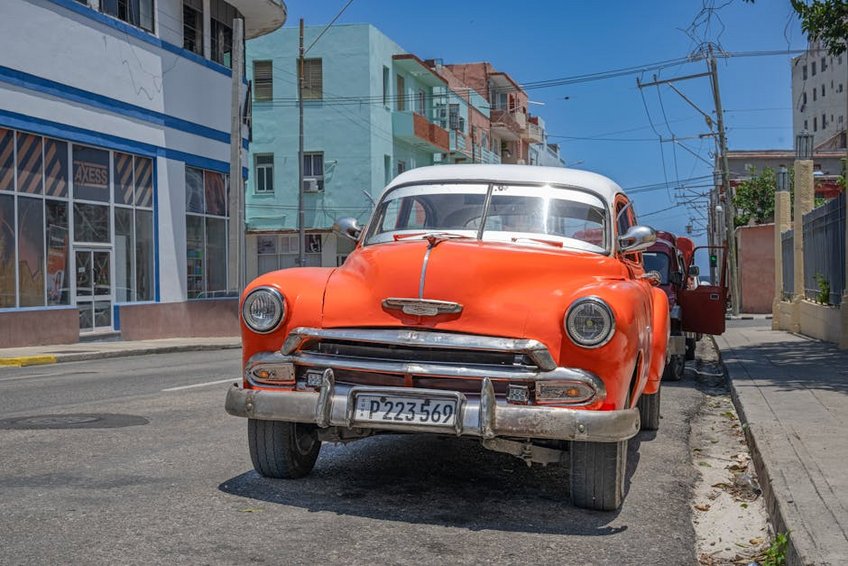
Alt: “havana-cuba-colonial-architecture-colorful-buildings-old-cars”
Havana Travel Guide in Cuba – Planning Your Trip
Organizing your Cuban adventure requires attention to logistical details often taken for granted elsewhere. Internet access remains limited, with Wi-Fi available in designated public parks and some hotels via prepaid ETECSA cards. Download offline maps and translation apps before arrival to navigate the city’s vibrant neighborhoods smoothly.
Accommodations range from state-run hotels to private homestays called *casas particulares*. Booking these in advance is wise, especially during the peak winter season from December to April. Your budget should account for museum entry fees, classic car tour costs, and dining expenses which vary widely between paladares and state restaurants.
Consider purchasing a tourist SIM card upon arrival for better connectivity. This allows use of navigation apps and communication, though service can be inconsistent. Learning basic Spanish phrases significantly enhances interactions with local residents, who are generally warm and welcoming to respectful visitors.
Best Time to Visit Havana
The ideal period for a Havana visit is during the dry season from November to mid-April. These months offer pleasant temperatures between 70-80°F (21-27°C) and minimal rainfall, perfect for exploring outdoor plazas and the Malecón. This is also peak tourist season, so expect higher prices and advance booking requirements for popular casas particulares.
Shoulder seasons like May and October present a compelling alternative with fewer crowds. You’ll experience warmer weather around 85°F (29°C) and the chance of afternoon showers. The summer months from June to September are hot, humid, and prone to hurricanes, but offer deeply discounted rates and a more local atmosphere in the Cuban capital.
Budget Planning and Costs
Daily expenses in Havana can vary dramatically based on your travel style and accommodation choices.
Essential Preparation Checklist
Begin preparations by checking your passport’s validity and researching the correct tourist card process for your nationality. Book flights into José Martí International Airport (HAV) and secure at least your first few nights of accommodation. Confirm your health insurance provides the required coverage or purchase a compliant policy from companies like Asistur.
Pack a power adapter for Type A/B/C outlets (110V/220V), as plugs vary. Include a basic first-aid kit, hand sanitizer, and tissues, as these items can be scarce. Finally, inform your bank of your travel plans to avoid card freezes, but remember you’ll operate primarily on cash exchanged at official CADECA bureaus.
Top Attractions and Cultural Experiences
Habana Vieja, the historic Old Havana, is a UNESCO World Heritage site and the city’s undeniable heart. Wander through its four main plazas—Plaza Vieja, Plaza de Armas, Plaza de San Francisco, and Plaza de la Catedral—each offering distinct architectural wonders. Restoration projects have revived magnificent buildings, now housing museums, hotels, and art galleries.
The Malecón, the iconic seawall stretching five miles along the coast, is the city’s communal living room. Join locals at sunset to watch the sky explode with color, listen to impromptu music sessions, and feel the ocean spray. This boulevard connects Centro Habana with Vedado and reflects the daily life and resilient spirit of Habaneros.
Must-See Historical Highlights
El Capitolio Nacional, Havana’s stunning capitol building completed in 1929, rivals its Washington D.C. namesake. The recently restored interior features the Statue of the Republic and a 25-carat diamond marking Cuba’s zero kilometer point. Guided tours cost approximately $10 USD and provide fascinating insight into the building’s varied history.
The Museo de la Revolución, housed in the former Presidential Palace, chronicles Cuba’s revolutionary history from a particular perspective. Exhibits include the Granma yacht used by Fidel Castro and his comrades. Nearby, the Castillo de la Real Fuerza is the oldest stone fort in the Americas, offering panoramic views from its watchtower.
Hidden Gems and Local Favorites
Venture beyond the tourist trail to Fábrica de Arte Cubano (FAC), an avant-garde art factory in Vedado. This multimedia space combines visual art exhibits with live music, dance performances, and film screenings in a converted cooking oil factory. Entry is around $10 USD and includes multiple drink tickets, making for an unforgettable evening.
For a quiet escape, seek out the Jardín Botánico Nacional on the city’s outskirts, a vast expanse showcasing Cuba’s diverse flora. In the city, Callejón de Hamel is a narrow alley in Centro Habana transformed into a vibrant shrine to Afro-Cuban culture, best visited on Sunday afternoons for rumba performances.
Classic Car Tours and Photography
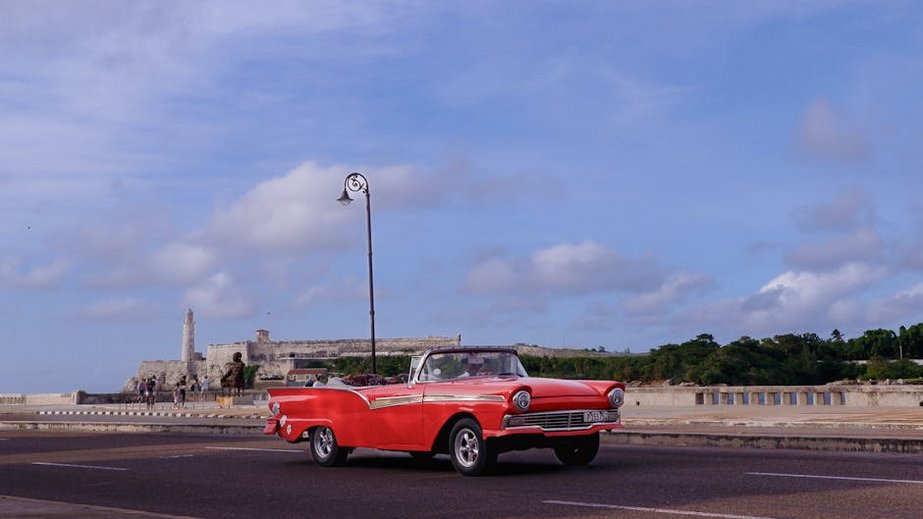
No visit is complete without a tour in a meticulously maintained 1950s American convertible. Negotiate a route with your driver to include key landmarks like Plaza de la Revolución, the University of Havana, and the leafy streets of Miramar. Hourly rates range from $25-50 USD, and morning light provides optimal conditions for photography.
Photography enthusiasts should focus on the interplay of decay and restoration in Centro Habana’s streets. Always ask for permission before photographing individuals directly. The golden hours just after sunrise and before sunset cast a magical light on the city’s pastel-colored facades, creating iconic images of the Cuban capital.
Practical Travel Information for Havana
Navigating Havana involves a mix of transportation modes, each with its own charm and challenge. Official taxis are metered and reliable, while collective *colectivo* taxis follow set routes for a lower fare. The HabanaBusTour hop-on-hop-off service is a practical option for visiting major attractions across different city zones.
Accommodation choices define your experience in the Cuban capital. State-run hotels offer convenience and amenities, while privately-owned casas particulares provide authentic interaction with local families. Booking platforms like Airbnb list many casas, but direct booking via email or phone often secures better rates and confirms availability during busy periods.
| Accommodation Type | Features and Location | Price Range (USD per night) |
|---|---|---|
| Casa Particular (Private Room) | Breakfast included, family atmosphere, locations in Vedado or Centro | $25 – $50 |
| Boutique Hotel | Restored colonial building, central in Habana Vieja, breakfast & Wi-Fi | $80 – $150 |
| Luxury Historic Hotel | Full amenities, pool, multiple restaurants, ocean or plaza views | $180 – $350 |
| Local Hostel (Shared) | Basic dormitory, social atmosphere, limited private bathrooms | $15 – $25 |