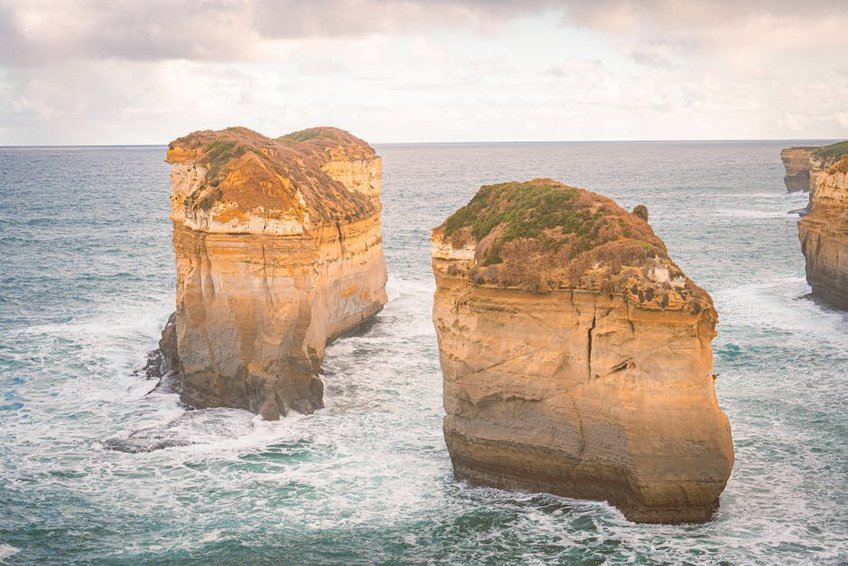
Great Ocean Road Guide: Australia’s Epic Coastal Adventure
Driving Australia’s Great Ocean Road offers a breathtaking journey past towering cliffs, iconic rock formations, and lush rainforests, all within a few hours of Melbourne. This 151-mile coastal route, built by returning World War I soldiers, provides more than just scenic views; it’s an immersive experience into Victoria’s natural history and coastal culture. This Great Ocean Road guide covers essential planning tips, hidden stops, and practical advice to transform your drive from a simple trip into an unforgettable coastal exploration.
Essential Great Ocean Road Information
Stretching from Torquay to Allansford, the Great Ocean Road is the world’s largest war memorial. Construction began in 1919 to provide employment for returned servicemen, with the final section completed in 1932. The drive weaves through the traditional lands of the Eastern Maar and Gunditjmara peoples, whose connection to this landscape spans tens of thousands of years.
Today, the route is part of the Australian National Heritage List, recognized for its historical and natural significance. The road hugs the Southern Ocean coastline, offering constant views of powerful surf and weathered limestone stacks. Travelers should allocate a minimum of two full days to experience the major highlights without rushing.
What You Need to Know Before You Go
Prepare for your coastal adventure with these key details.
- Drive on the left side of the road in Australia, and remember that distances between towns can be significant, so fuel up when you see a station.
- The weather is famously changeable, with conditions shifting from brilliant sunshine to misty rain within minutes, so pack layers including a waterproof jacket.
- Mobile reception can be spotty, especially in the Otway Ranges, so download offline Google Maps or purchase a physical map as a backup.
- Budget travelers can manage on $75-100 USD per day by camping or staying in hostel dorms, cooking their own meals, and focusing on free natural attractions like beaches and lookouts.
- Mid-range travelers should budget $150-250 USD daily for comfortable motel or Airbnb accommodation, eating at casual cafes and pubs, and paying for one guided activity like a rainforest tour.
- Luxury travelers can expect to spend $300+ USD per day on boutique lodges with ocean views, fine dining at restaurants like Brae, and private guided tours or helicopter flights over the Apostles.
- Great Ocean Road Regional Tourism
- Parks Victoria – Great Ocean Road
Key Geographical and Historical Details
The road’s engineering is a feat in itself, carved directly into the cliffsides. You’ll notice many sharp bends and narrow sections designed to follow the natural contours of the land. These characteristics demand attentive driving, especially for those accustomed to wider, straighter highways.
Look for the iconic archway at the eastern entrance in Torquay, marking the official start of your journey. Throughout the drive, interpretive signs detail the history of the soldiers’ labor and the communities that developed along the route. This context enriches the visual spectacle with a deep human story.
The Shipwreck Coast and Its Legacy
The section from Port Campbell to Peterborough is known as the Shipwreck Coast. Over 700 shipwrecks lie off this treacherous shoreline, earning it a fearsome reputation among 19th-century sailors. The Loch Ard Gorge is named after a famous 1878 shipwreck where only two of 54 passengers survived.
Visiting these sites provides a sobering contrast to the area’s natural beauty. The powerful waves and jagged cliffs that attract tourists today were the very hazards that doomed countless vessels. This history is preserved at the Flagstaff Hill Maritime Museum in Warrnambool.
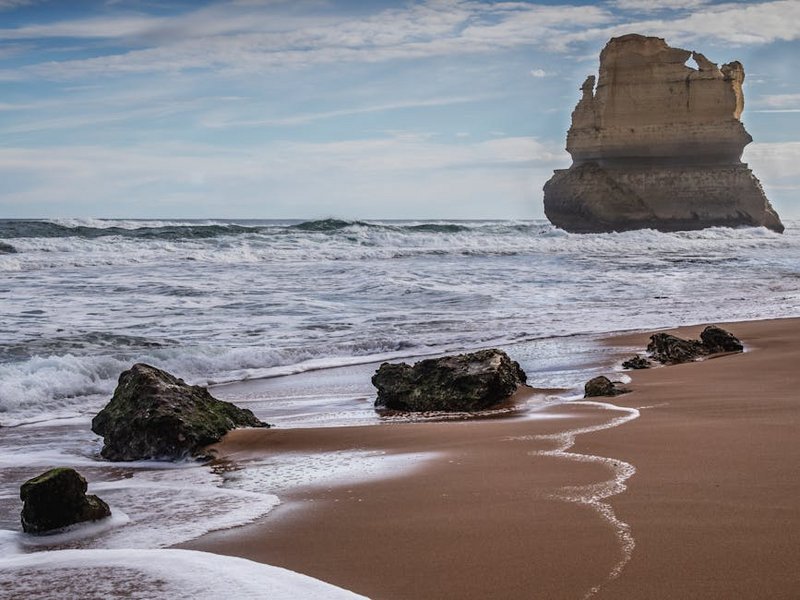
Alt: “great-ocean-road-twelve-apostles-sunset-coastal-view”
Great Ocean Road Guide – Planning Your Coastal Trip
Effective planning turns a good drive into a great adventure. Your Great Ocean Road guide should start with a flexible itinerary that accounts for weather, crowds, and personal interests. While the drive can technically be done in one long day from Melbourne, this approach misses the essence of the experience.
Renting a car from Melbourne airport provides the most freedom. Choose a vehicle you’re comfortable driving on winding roads; a standard sedan is perfectly adequate. Book your accommodation well in advance, especially if traveling during Australian summer holidays from December to January.
Consider your travel style. Do you prefer leisurely lunches in coastal towns or maximizing time at lookout points? Your answer will determine where you stop and how long you spend driving each day. Build in buffer time for spontaneous detours, as some of the best discoveries are unplanned.
Best Time to Visit the Great Ocean Road
Visit between March and May or September and November for optimal conditions. These shoulder seasons offer mild temperatures ranging from 59-68°F (15-20°C), fewer crowds, and better accommodation rates. The landscape is particularly green in spring, while autumn provides stable weather for photography.
Summer (December-February) is peak season with warm temps of 68-77°F (20-25°C), but also brings dense crowds and higher prices. Winter (June-August) is quieter and dramatic, with temperatures of 46-57°F (8-14°C) and powerful storm waves, though some walking trails may be muddy.
Budget Planning and Costs
Daily costs vary significantly based on your travel style.
Essential Preparation Checklist
Pack smart for variable coastal conditions. Essential items include sturdy walking shoes for uneven paths, a warm fleece and rain jacket, sunscreen and a hat (the Australian sun is intense), and a reusable water bottle. Don’t forget your camera with extra memory cards and a wide-angle lens for landscapes.
Ensure your driver’s license is valid in Australia and arrange an International Driving Permit if required. Purchase comprehensive travel insurance that covers rental car excess and medical evacuation. Book your first night’s accommodation before arrival to avoid stress after a long flight.
Top Attractions and Unmissable Experiences
This coastal drive delivers iconic landmarks around every bend. The Twelve Apostles are the famous centerpiece, but the journey offers much more. From surfing beaches to ancient forests, diversity defines the experience. Prioritize your must-see list but remain open to unexpected discoveries.
Allow time to exit your vehicle and explore on foot. Short walking trails lead to secluded coves, waterfalls, and panoramic viewpoints invisible from the road. These moments of immersion create lasting memories beyond the classic photo stops.
Must-See Highlights Along the Route
The Twelve Apostles demand an early morning or late afternoon visit to avoid tour bus crowds and capture the best light. These limestone stacks rise up to 150 feet (45 meters) from the Southern Ocean. The nearby Gibson Steps provide beach-level perspective on these giants.
Loch Ard Gorge tells a compelling human story through its geology. Walk down to the beach where the survivors of the 1878 shipwreck came ashore. London Bridge (now London Arch) offers a dramatic example of coastal erosion after its central span collapsed in 1990.
The Otway Fly Treetop Walk lets you experience the temperate rainforest from 82 feet (25 meters) above the forest floor. This steel canopy walkway provides a unique perspective on the ancient myrtle beech and blackwood trees.
Hidden Gems and Local Favorites
Step beyond the postcard sites to find authentic charm. The Great Ocean Road Chocolaterie in Bellbrae offers free tastings and a stunning garden view, perfect for a sweet break. Blanket Bay in the Great Otway National Park provides a peaceful picnic spot away from the main tourist flow.
For a true local experience, visit the Apostle Whey Cheese factory in Timboon. Their cheese tasting platter features exceptional regional products. Nearby, the Timboon Railway Shed Distillery crafts whisky and spirits in a beautifully restored historic building.
Surfing and Beach Culture
The road begins in Torquay, home to the Australian National Surfing Museum and iconic brands like Rip Curl. Bells Beach hosts the world’s longest-running surfing competition each Easter. Even non-surfers can appreciate the powerful waves from the clifftop lookout.
Further along, Fairhaven and Eastern View beaches offer long stretches of sand for a stroll. Remember that ocean swimming here can be dangerous due to strong rips; always swim between the red and yellow flags at patrolled beaches.
Practical Travel Information and Logistics
Navigating the route requires some logistical planning. The road is generally well-signed as “B100,” but having a general itinerary prevents missing key turnoffs. Distances between facilities can be longer than expected, so plan your fuel, food, and restroom stops strategically.
Accommodation options range from campgrounds to luxury retreats, but they book out quickly. Base yourself in two or three different towns over multiple nights to minimize daily backtracking and maximize exploration time.
| Accommodation Type | Best For | Price Range (USD/Night) |
|---|---|---|
| Hostels & Campgrounds | Budget travelers, backpackers, social atmosphere | $20-50 |
| Motels & Holiday Parks | Families, road trippers, self-catering options | $80-150 |
| Boutique B&Bs & Inns | Couples, comfort seekers, personalized service | $150-300 |
| Luxury Lodges & Retreats | Splurge experiences, stunning locations, gourmet dining | $300+ |