Glacier Tour in Iceland: Your Guide to Exploring Frozen Landscapes
Exploring Iceland’s glaciers offers a profound encounter with the planet’s ancient ice. A glacier tour in Iceland immerses you in a dynamic landscape of deep blue crevasses, towering icefalls, and surreal ice caves. This guide covers essential planning details, top tour operators, safety protocols, and seasonal insights to ensure your Icelandic ice adventure is both thrilling and secure.
Iceland’s Glacial Landscape: Essential Information
Iceland’s glaciers are vast, powerful rivers of ice that cover roughly 11% of the country’s surface. These immense ice caps, like Vatnajökull and Langjökull, are active landscapes constantly shaped by volcanic heat and changing climate. Understanding their nature is the first step toward a respectful and awe-inspiring visit.
The country’s largest ice cap, Vatnajökull, is also Europe’s biggest glacier by volume. It conceals several active volcanoes beneath its frozen surface, creating a unique geothermal environment. This interaction between fire and ice defines the Icelandic experience, making every glacial expedition a journey through geologic time.
What You Need to Know Before You Go
Glacier hiking and ice caving require specific preparation and respect for the environment.
- Guided tours are mandatory for safety; the ice is unstable with hidden crevasses and requires expertise to navigate. Independent hiking is dangerous and illegal on most glacial tongues.
- Physical fitness requirements vary; most introductory walks demand a moderate activity level for 2-4 hours, while advanced ice climbing requires greater stamina and no fear of heights.
- The weather dictates all plans; tours cancel frequently due to high winds, heavy rain, or poor visibility, so maintaining a flexible itinerary is crucial for success.
- Budget (Small Group Hike): A 3-hour introductory walk costs $110-$140 USD. This includes crampons, a helmet, and a guide. You’ll save by booking directly with operators based near the glacier, not from Reykjavík tour resellers.
- Mid-Range (Ice Cave & Glacier Combo): A 4-5 hour tour combining a hike with an ice cave visit runs $180-$250 USD. This offers the best value, showcasing two major glacial features with transport often included from local hubs.
- Luxury (Private Ice Climbing Expedition): A full-day private ice climbing lesson for 2-4 people costs $350-$500 per person. This includes premium gear, a highly experienced guide, and a tailored itinerary on more challenging ice formations.
- Icelandic Safe Travel
- Icelandic Meteorological Office
Key Details on Iceland’s Major Glaciers
Each glacial region offers a distinct experience. Vatnajökull National Park in the southeast provides access to dramatic outlet glaciers like Svínafellsjökull and Falljökull, famous for their rugged scenery and ice cave systems. Summer hikes here traverse stunning blue ice, while winter focuses on exploring crystal ice caves formed by glacial meltwater.
In the south, Sólheimajökull is a popular and accessible glacier tongue descending from Mýrdalsjökull. Its proximity to Reykjavík makes it a common choice for shorter tours. Meanwhile, Langjökull in the Icelandic Highlands features the remarkable “Into the Glacier” experience, a man-made ice tunnel that offers a stable, year-round journey deep inside the ice cap.
The Science and Significance of the Ice
These glaciers are critical climate indicators, visibly receding each year. On your tour, guides often point out markers showing the ice edge from previous decades, providing a powerful visual lesson in climate change. The blue color in ice comes from dense, ancient ice that absorbs all colors of the spectrum except blue, which it scatters back.
Glacial meltwater feeds countless iconic waterfalls and black sand beaches across Iceland. The sediment-rich water, known as glacial flour, creates the milky blue color of lagoons like Jökulsárlón. This interconnected system highlights how glaciers shape the entire country’s geography and ecology.
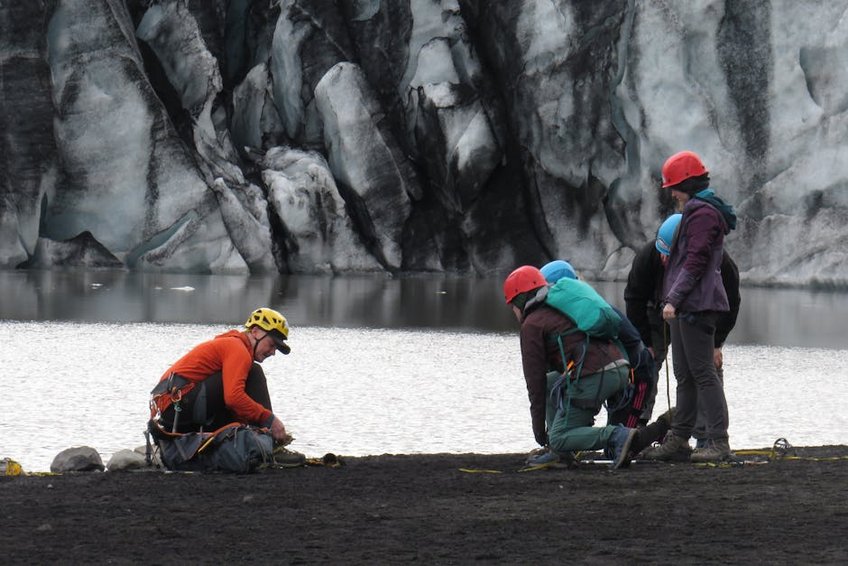
Alt: “vatnajokull-glacier-ice-cave-blue-ice-formation-iceland”
Glacier Tour in Iceland – Planning Your Trip
Selecting the right glacier tour in Iceland depends on your interests, fitness, and the season. Operators offer everything from gentle two-hour walks on easy ice slopes to full-day ice climbing adventures and super-jeep tours to remote ice caps. Booking in advance is essential, especially for summer dates and winter ice cave excursions.
Your budget should account for the guide’s expertise and safety equipment. Basic tours start around $120 USD, while specialized ice climbing or longer expeditions can cost $250-$400. Always verify that your operator is certified by the Icelandic Association of Search and Rescue and provides necessary gear like crampons, helmets, and ice axes.
Logistics involve considering your base location. Tours to Sólheimajökull often depart from Reykjavík or Vik, while Vatnajökull adventures typically start from Höfn or the Skaftafell area. Factor in drive times, which can be 2-4 hours from the capital, and consider staying near your chosen glacier region for multiple days.
Best Time to Visit Iceland’s Glaciers
For traditional hiking on the ice, the peak season runs from June through August. Summer offers milder temperatures, averaging 50-59°F (10-15°C), and up to 24 hours of daylight for long explorations. However, this is also the busiest period, requiring bookings several weeks or even months in advance for popular operators.
The shoulder months of May and September provide cooler, quieter conditions with still-accessible ice. The prime season for natural ice cave tours is November through March, when stable winter temperatures freeze the meltwater tunnels. Winter tours operate in limited daylight, often focusing on the caves themselves, with temperatures between 23-32°F (-5 to 0°C).
Budget Planning and Costs
Tour prices vary significantly based on duration, activity, and group size.
Essential Preparation Checklist
Packing correctly is non-negotiable for comfort and safety. You must wear sturdy, waterproof hiking boots with good ankle support, as crampons strap directly to them. Layer with a moisture-wicking base layer, an insulating mid-layer like fleece, and a waterproof and windproof outer shell jacket and pants.
Documentation includes valid travel insurance that explicitly covers glacier hiking or mountaineering. Book your tour at least two weeks ahead in summer and confirm details 48 hours prior due to weather checks. Physically, prepare with regular walking or hiking in the weeks before your trip to build stamina for uneven terrain.
Top Attractions and Glacial Activities
Beyond a standard hike, the frozen landscapes offer diverse ways to engage. Ice caving provides an intimate look at the glacier’s internal architecture, with light filtering through the ice in magical ways. Glacier lagoon boat tours at Jökulsárlón and Fjallsárlón let you sail among towering icebergs that have calved from the glacier’s face.
For aerial perspectives, scenic flights from Reykjavík or Skaftafell soar over the vast, cracked expanse of the ice caps, revealing features impossible to see from the ground. In winter, some operators combine northern lights hunting with evening ice cave visits, creating a truly arctic adventure under the aurora borealis.
Must-See Glacial Highlights
The Crystal Ice Cave in Vatnajökull is a winter icon, with translucent blue walls and ceilings that glow with reflected light. Accessible from November to March, tours involve a super-jeep ride and a short walk. Book months ahead for this popular experience, which costs approximately $200-$250 USD per person.
Jökulsárlón Glacier Lagoon is a non-negotiable stop. Here, you can take an amphibious boat tour ($50 USD) to drift among icebergs or simply walk the Diamond Beach adjacent to it, where ice chunks wash ashore on black sand. The lagoon is accessible year-round and is about a 5-hour drive from Reykjavík.
The “Into the Glacier” tunnel in Langjökull offers a guaranteed glacial encounter regardless of weather. This man-made tunnel, reachable via a monster truck journey, features exhibitions and chapel-like chambers inside the ice. It’s a great family-friendly option costing around $160 USD.
Hidden Gems and Local Favorites
For a less crowded hike, consider Falljökull, the “Falling Glacier,” in Vatnajökull National Park. Its steep, dramatic icefall makes for a more challenging and visually stunning trek than some busier tongues. Local guides here often provide deep geological insights during the ascent.
The lesser-known Skaftafellsjökull glacier tongue offers serene views with fewer tour groups. A marked hiking trail from the Skaftafell Visitor Center leads to its edge, where you can observe the terminus and lagoon without a guide. Pair this with a hike to Svartifoss waterfall for a perfect day in the park.
Ice Climbing and Advanced Expeditions
For the adventurous, introductory ice climbing on a glacier’s vertical walls is an unforgettable challenge. Tours teach basic techniques using ice axes and front-point crampons on prepared ice faces. No prior experience is needed, but a good fitness level and comfort with heights are essential.
Multi-day glacial expeditions traverse sections of the highland ice caps. These trips, for truly experienced hikers, involve overnight stays in mountain huts and travel across crevasse fields using ropes and full mountaineering techniques. They represent the pinnacle of Icelandic glacial exploration.
Practical Travel Information for Iceland
Transportation to glacier regions relies heavily on renting a car or joining a tour with pickup. Iceland’s Ring Road (Route 1) connects most major glacial areas, but final access to meeting points often requires turning onto gravel roads, indicated by F-road signs. Always check road conditions at road.is before departing.
Accommodation ranges from guesthouses in villages like Vik or Höfn to hotels near national park entrances. Booking.com and local farmstay websites offer the best variety. For glacier tours starting early, staying within 30-60 minutes of the meeting point is highly recommended to avoid stressful morning drives.
| Category | Options/Features | Price Range (USD) |
|---|---|---|
| Economy Car Rental | Compact 2WD, basic insurance, unlimited mileage. Sufficient for summer Ring Road travel to main tour meeting points. | $65-$95 / day |
| Accommodation (Guesthouse) | Private room with shared bath, includes breakfast. Common in towns near glaciers like Skaftafell or Vik. | $120-$180 / night |
| Guided Glacier Hike | 3-hour small group tour, includes all technical gear (crampons, axe, helmet) and certified guide. | $110-$150 / person |
| Winter Ice Cave Tour | 3-4 hour tour with super-jeep transport to cave entrance, guide, and safety equipment. Operates Nov-Mar. | $180-$250 / person |