Scandinavian Fjord Tours: Experience Nordic Majesty
Exploring Scandinavian fjords connects you with some of Europe’s most dramatic and ancient landscapes, carved by glaciers over millennia. A dedicated fjord tour offers the most efficient way to navigate these deep inlets, combining transportation, expert guidance, and access to viewpoints unreachable independently. This guide details the essential planning steps, top destinations, and cultural insights for your Scandinavian fjord adventure, from Norway’s iconic Geirangerfjord to Sweden’s hidden bays.
Essential Fjord Tour Information
The Scandinavian fjords span the western coastlines of Norway, Sweden, and a small part of Finland. These are not just bodies of water but entire ecosystems surrounded by steep cliffs, waterfalls, and historic villages. Norway’s fjord region is the most extensive and famous, part of the UNESCO-listed West Norwegian Fjords landscape. Understanding their glacial origins and scale is key to appreciating what you’ll see.
Sweden’s fjords, like Gullmarsfjorden, are narrower and less mountainous but offer a quieter, forest-lined experience. The region operates on a strong ethos of sustainability, with many tour operators holding eco-certifications. Infrastructure is excellent, with roads, tunnels, and ferries designed to make these remote areas accessible from late May through September.
What Constitutes a Fjord Tour
These tours are structured experiences designed for navigation and education.
- A guided boat cruise is the core, ranging from large public ferries to small private rib boats, focusing on geology and history.
- Most packages include land transport, like coaches or trains, to connect different fjords or provide panoramic road views from routes like Trollstigen.
- Organized tours handle logistics like timed ferry bookings and hotel stays in key towns such as Flåm or Bergen, maximizing your sightseeing efficiency.
- Budget tours ($800-$1,500 for 5 days) use public transport ferries, hostels or basic hotels, and few guided activities. Meals are often self-catered. This suits resilient travelers comfortable with independent logistics.
- Mid-range packages ($2,000-$4,000 for 7 days) include coach travel, comfortable hotel stays, most meals, and a mix of guided cruises and free time. This offers the best value, covering key sights like the Flåm Railway and a Geiranger cruise with expert narration.
- Luxury experiences ($5,000+ for 7 days) feature small-group tours, stays in historic hotels like the Kviknes in Balestrand, gourmet dining, and exclusive activities like private glacier hikes or classic car tours on mountain roads.
- Visit Norway Official Tourism Board
- Fjord Norway Travel Information
Key Geographic Regions
Norway’s fjord country is divided into several key areas, each with a distinct character. The Sognefjord region, home to the Nærøyfjord and Flåm, features the deepest and longest fjords, best explored from Bergen or Balestrand. The Geirangerfjord area, further north, is renowned for the Seven Sisters waterfall and the steep Eagle’s Road.
Meanwhile, the Hardangerfjord region is famous for its fruit orchards and the stunning Trolltunga hike nearby. In Sweden, the Bohuslän coast near Gothenburg offers a more serene fjord landscape, with smooth granite cliffs and fishing communities. Choosing your base region is the first critical decision for your itinerary.
Climate and Seasonal Considerations
The touring season is dictated by weather and daylight. Summer, from June to August, offers long days with 18+ hours of light and temperatures between 55-68°F (13-20°C), ideal for all activities. This is the peak period for cruise ships and availability, requiring bookings months in advance.
The shoulder seasons of May and September see fewer crowds, cooler temps of 45-55°F (7-13°C), and more frequent rain, but offer stunning spring blossoms or autumn foliage. From October to April, many tours and ferries cease operation due to snow, ice, and limited daylight, though some winter-specific fjord experiences are available.
Alt: “norway-geirangerfjord-cruise-ship-waterfall-mountains”
Scandinavian Fjord Tours – Planning Your Itinerary
Constructing a successful trip requires balancing your desired depth of exploration with practical time constraints. A common mistake is trying to cover too much distance; the terrain makes travel slower than it appears on a map. Focus on one or two primary fjord regions for a trip under seven days to avoid constant packing and unpacking.
Your budget must account for Norway’s high cost of living; expect to pay a premium for convenience and guided expertise. Independent travel is possible using Norway’s excellent public ferry and bus system, but a packaged Scandinavian fjord tour saves significant planning time and often provides narrative context you’d otherwise miss.
Best Time for Fjord Exploration
The prime window for classic fjord tours runs from late May to mid-September. June provides excellent daylight and blooming flowers, while July and August deliver the warmest weather, with averages of 60-68°F (15-20°C), perfect for kayaking or hiking side excursions. However, these are also the busiest months at major ports like Geiranger.
For a balance of good weather and thinner crowds, target the first two weeks of June or the first half of September. During these shoulder periods, you’ll experience temperatures of 50-60°F (10-15°C) and a higher chance of moody, atmospheric clouds that make for dramatic photography, though you should pack waterproof layers.
Budget Planning and Tour Costs
Costs vary dramatically based on style, duration, and inclusion level.
Essential Preparation Checklist
Packing correctly is crucial for comfort in the variable maritime climate. Essential items include a high-quality waterproof and windproof jacket, moisture-wicking layers, sturdy hiking shoes with good grip, and a daypack. Also bring a power adapter (Type F, 220V), a reusable water bottle, and a quality camera with a wide-angle lens.
For documentation, ensure your passport is valid for three months beyond your stay. U.S. and EU citizens do not need a visa for stays under 90 days. Book major ferries and popular hotels like the Fretheim in Flåm at least four to six months in advance for summer travel. Consider travel insurance that covers activity cancellations.
Top Destinations and Iconic Experiences
Norway’s Sognefjord, often called the “King of the Fjords,” is the longest and deepest, offering awe-inspiring scale. A journey here typically includes the Flåm Railway, one of the world’s steepest standard-gauge climbs, and a cruise on the narrow, UNESCO-protected Nærøyfjord. The village of Flåm serves as a bustling hub, though staying in quieter Aurland provides a more local feel.
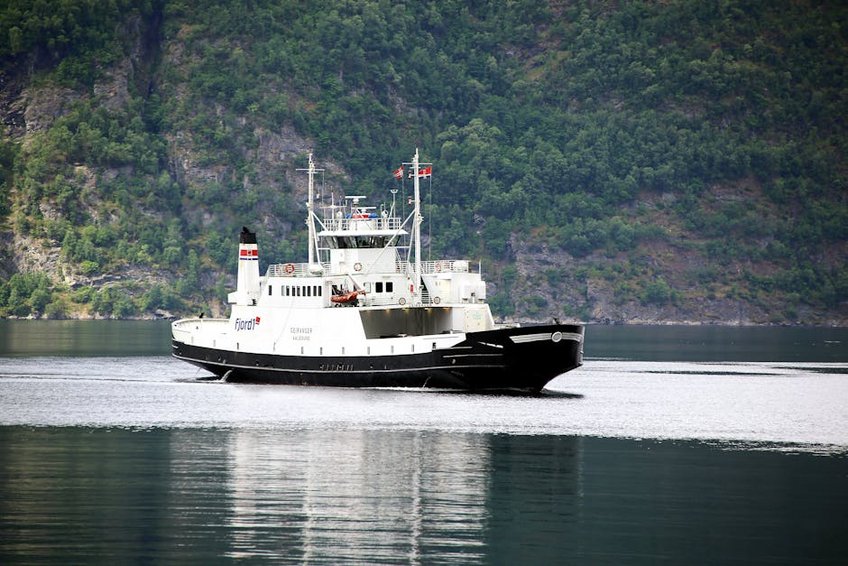
The Geirangerfjord, a UNESCO site, is famous for its sheer cliffs and cascading waterfalls like the Seven Sisters. The best perspective comes from a ferry cruise that winds between the mountains. On land, the Dalsnibba Skywalk and the winding Eagle’s Road offer breathtaking panoramic views. This area is extremely popular, so early morning or late afternoon visits are best.
Must-See Highlights
The Flåm Railway is a non-negotiable experience, a 20km engineering marvel ascending from sea level to 2,844 feet at Myrdal station. Book tickets directly with Vy for $60-80 USD to secure a window seat. In Geiranger, the Skageflå hike leads to an abandoned mountain farm with a phenomenal fjord overlook, requiring moderate fitness and about two hours round-trip.
For a different perspective, kayaking on the Nærøyfjord allows for silent, up-close exploration of the cliffs and wildlife. Guided tours from Flåm or Gudvangen cost $100-150 USD for a half-day. Don’t miss the historic Borgund Stave Church, a stunning example of medieval Norse architecture located near Lærdal, accessible on many tour routes.
Hidden Gems and Local Favorites
Venture to the less-visited Hjørundfjord in the Sunnmøre Alps, where jagged peaks plunge directly into the water with virtually no tourist crowds. Access is via a local ferry from Ålesund. The village of Trandal, reachable by a tiny cable car over the fjord, has a population of three and a charming pub—a truly unique stop.
In Sweden, explore the Gullmarsfjorden, Sweden’s only true fjord, near Lysekil. It’s a center for marine research and offers calm, clear waters perfect for a quiet boat tour or snorkeling to see unique cold-water coral. The coastal Bohuslän region is also famed for its excellent seafood shacks, called “räkestugor,” serving fresh shrimp.
Combining Fjords with Northern Lights
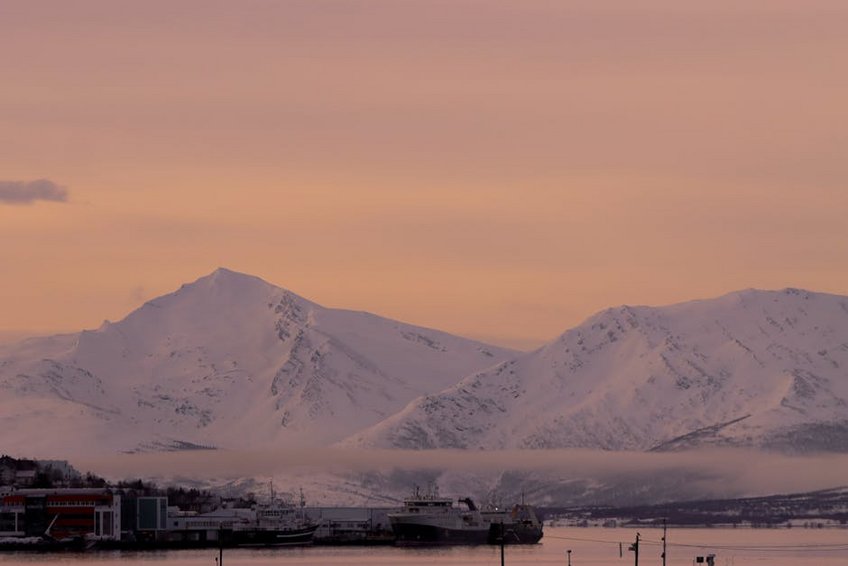
While classic fjord tours are a summer pursuit, winter packages from October to March combine fjord scenery with aurora hunting. Based in Tromsø or Narvik, these tours use smaller boats or RIBs to explore Arctic fjords like Lyngen under the polar night. The snow-capped mountains create a magical backdrop for the green aurora dancing overhead.
These specialized trips are shorter, focus on photography, and require extreme cold-weather gear, with temperatures plunging to 14°F (-10°C). Success isn’t guaranteed, but the experience of a silent, frozen fjord under the stars is unforgettable. Booking with a knowledgeable local guide is essential for safety and aurora forecasting.
Practical Travel and Logistics
Transportation networks are robust but require careful scheduling. Most multi-day tours are coach-based, departing from cities like Oslo, Bergen, or Stavanger. Independent travelers can use the “Norway in a Nutshell” self-guided route or purchase a Bergen-Hurtigruten Coastal Express ticket for a longer, more immersive ferry journey up the coast.
Accommodation ranges from modern city hotels to historic fjord-side manor houses. In peak season, rooms in small villages sell out quickly. For a genuine experience, consider a night in a rorbu, a traditional fisherman’s cabin, often renovated with modern comforts, available in places like Lofoten (though further north) or along the Sognefjord.
| Tour Type | Primary Features & Transport | Price Range (USD) for 7 Days |
|---|---|---|
| Guided Coach Tour | Comprehensive itinerary, expert guide, hotels & most meals, includes Flåm Railway & major fjord cruises. | $2,500 – $4,500 |
| Self-Guided “Nutshell” | Pre-booked train, ferry, and bus tickets, hotel vouchers, freedom to explore at your own pace between legs. | $1,200 – $2,000 |
| Hurtigruten Coastal Voyage | Classic Norwegian ferry as floating hotel, daily port stops, optional excursions, focus on coastal culture. | $1,800 – $5,000+ |
| Active Adventure Tour | Small groups, hiking/kayaking focus, simple lodgings, includes gear and local activity guides. | $2,000 – $3,500 |