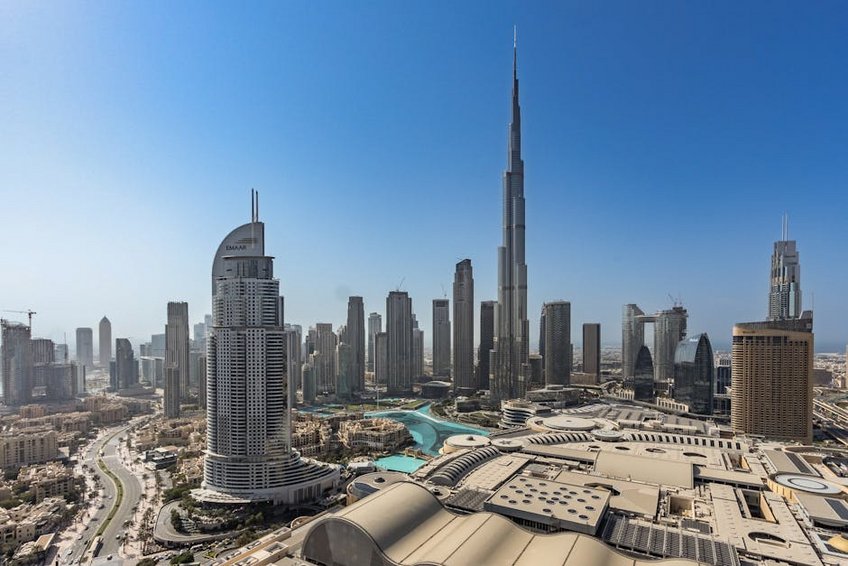
Dubai Travel Guide: Navigate the Modern Marvel
This Dubai travel guide demystifies the Emirate’s dazzling contrasts, where futuristic skylines meet historic souks and vast deserts. Navigating this ambitious city rewards you with unparalleled luxury, profound cultural experiences, and adventurous landscapes, all within a meticulously planned urban oasis. We’ll detail everything from visa processes and neighborhood selection to budget dining and the best times for desert safaris, ensuring your trip is seamless from arrival to departure.
Essential Dubai Information
Dubai is one of seven emirates comprising the United Arab Emirates, located on the Arabian Peninsula’s Persian Gulf coast. Unlike the federal capital Abu Dhabi, this city-state thrives as a global commerce and tourism hub. Its transformation from a pearl-diving village to a 21st-century icon is a story of rapid, visionary development.
The local currency is the UAE Dirham (AED), which is pegged to the US Dollar. Most establishments widely accept credit cards, but carrying some cash is wise for traditional markets. English is universally spoken in commercial and tourist areas, alongside the official Arabic, making communication straightforward for international visitors.
Visa and Entry Requirements
Entry rules depend on your passport. Many nationalities receive a free 30-day visit visa on arrival.
- US, UK, EU, Canadian, and Australian passport holders receive a 30-day visa stamp upon arrival at no cost, extendable for a fee.
- Always check the latest regulations with your airline or the UAE government portal, as policies can change.
- Your passport must be valid for at least six months from your date of entry into the UAE.
- Budget travelers can manage on $70-$100 USD per day by staying in hostels or budget hotels in Deira, using metro transport, and eating at local cafeterias and shawarma spots. Many beaches and souks are free to explore.
- Mid-range visitors spending $150-$300 USD daily enjoy 4-star hotels in Marina or Downtown, occasional taxis, mixed dining, and paid attractions like Burj Khalifa ‘At the Top’ tickets or a desert safari.
- A luxury experience from $500+ USD per day includes 5-star palaces, fine dining every night, private tours, helicopter rides, and VIP access to clubs and beach resorts.
- Dubai Tourism Official Website
- Lonely Planet Dubai Guide
Local Culture and Etiquette
Dubai is cosmopolitan yet rooted in Islamic tradition, requiring respectful cultural awareness. Dress modestly in public areas like malls and souks; cover shoulders and knees. Public displays of affection are frowned upon, and drinking alcohol is only permitted in licensed venues like hotels and specific clubs.
During the holy month of Ramadan, eating, drinking, or smoking in public during daylight hours is prohibited by law. Many restaurants operate with covered seating, and business hours shorten. This period offers a unique cultural insight but requires adjusted planning.
Climate and Weather Patterns
The city has a desert climate characterized by two main seasons: extremely hot summers and mild winters. Summer, from May to September, sees average highs soaring above 40°C (104°F), with high humidity near the coast. Outdoor activities become limited during this period.
Winter, from November to March, is the ideal time for a Dubai trip. Daytime temperatures range from a pleasant 24°C to 30°C (75°F to 86°F), with cooler evenings perfect for desert excursions and outdoor dining. This is the peak tourist season.
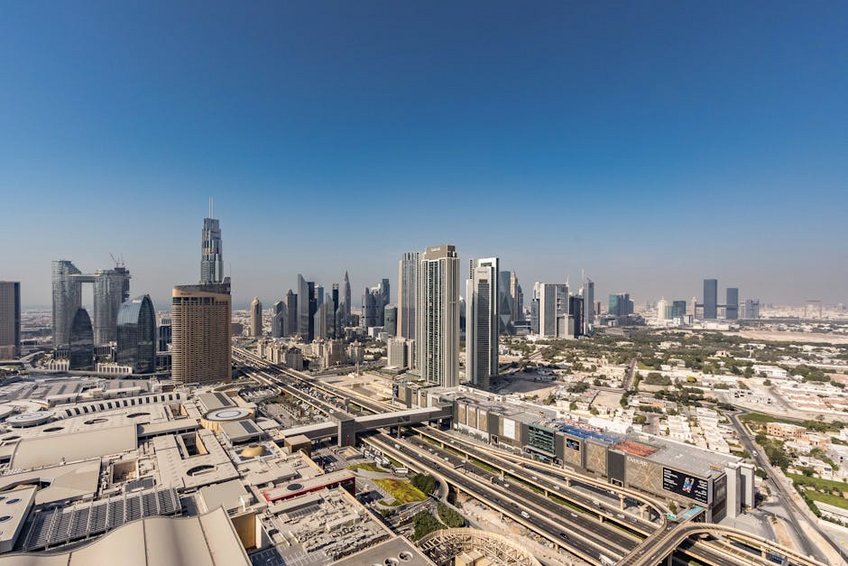
Alt: “dubai-city-skyline-burj-khalifa-desert-backdrop”
Dubai Travel Guide – Planning Your Trip
Crafting your Dubai itinerary balances iconic sights with local flavor. Allocate days for mega-malls and modern wonders, but reserve equal time for the Al Fahidi Historical District and abra boat rides across Dubai Creek. Successful planning accounts for the heat, often scheduling indoor activities for midday and outdoor exploration for mornings and evenings.
Transportation is efficient with a clean metro system, plentiful taxis, and ride-hailing apps. Consider the type of pass you need based on your zone of travel. While renting a car offers freedom for trips to Abu Dhabi or Hatta, traffic can be heavy, and parking in popular areas is expensive.
Best Time to Visit Dubai
The prime window for a Dubai travel experience is between November and early April. During these months, daytime temperatures hover between 25°C and 30°C (77°F and 86°F), with minimal rainfall. This weather is perfect for desert safaris, beach clubs, and rooftop bars. Hotel rates and crowds peak from December through February.
For lower prices and thinner crowds, target the shoulder months of October and late April. You’ll still enjoy warm, swimmable weather. The summer months from June to August offer significant discounts but confine most activities to air-conditioned spaces due to extreme heat exceeding 40°C (104°F).
Budget Planning and Costs
Your daily budget in Dubai varies dramatically based on lifestyle choices. Here’s a realistic breakdown.
Essential Preparation Checklist
Pack lightweight, loose-fitting clothing made from natural fabrics, a high-SPF sunscreen, sunglasses, and a wide-brimmed hat. A light sweater or pashmina is essential for overly air-conditioned malls and for covering up when visiting mosques. Comfortable walking shoes are a must, even for a city known for its cars.
Secure comprehensive travel insurance that covers medical emergencies. Ensure your electronics are compatible with 220V outlets (UK-style 3-pin plugs are standard). Book popular experiences like the Burj Khalifa, a desert safari, or a dinner at a sought-after restaurant at least one to two weeks in advance, especially during peak season.
Top Attractions and Unmissable Activities
Dubai’s landmarks are feats of engineering and imagination. The Burj Khalifa, the world’s tallest building, dominates the skyline and offers breathtaking views from its observation decks. Adjacent, the Dubai Fountain performs stunning choreographed shows set to music, best viewed from the waterfront promenade at Burj Park.
Contrast this with the history of Al Fahidi Historical Neighborhood, with its wind-tower architecture and labyrinthine lanes. Here, you can visit the Dubai Museum housed in Al Fahidi Fort and then take a traditional abra across the Creek to the bustling souks.
Must-See Modern Highlights
The Burj Khalifa’s ‘At the Top’ experience on the 124th and 125th floors costs around $40-$100 USD depending on timing. For a different perspective, visit The View at The Palm, an observation deck on Palm Jumeirah offering panoramic vistas of the artificial archipelago and coastline. The Palm itself is an engineering marvel best appreciated from the air via a scenic helicopter tour.
Dubai Mall is far more than a shopping center; it’s an entertainment complex housing the Dubai Aquarium & Underwater Zoo, an Olympic-sized ice rink, and a massive indoor waterfall. Allocate at least half a day to explore its vast offerings, conveniently connected to the Burj Khalifa and Dubai Fountain.
Desert and Adventure Experiences
A desert safari is a quintessential Arabian adventure. Afternoon tours include dune bashing in a 4×4, camel riding, sandboarding, and a traditional barbecue dinner under the stars with live entertainment. For a more serene experience, opt for a sunrise hot air balloon flight over the dunes, often followed by a falconry display.
For active travelers, the Hajar Mountains near Hatta offer hiking, kayaking on the turquoise Hatta Dam, and exploring heritage village. This mountainous enclave, part of Dubai’s territory, provides a stark and beautiful contrast to the city’s urban core and is about a 90-minute drive southeast.
Cultural and Historical Exploration
Visit the Jumeirah Mosque, one of the few mosques in the city open to non-Muslims through guided tours organized by the Sheikh Mohammed Centre for Cultural Understanding. This is an invaluable opportunity to learn about Islamic traditions and architecture. The nearby Etihad Museum provides a modern, interactive look at the UAE’s founding in 1971.
Explore the textile, spice, and gold souks on the Deira side of Dubai Creek. Remember, bargaining is expected in these markets. For a curated heritage experience, Alserkal Avenue in Al Quoz is the city’s premier arts district, featuring contemporary galleries, cafes, and creative workshops in converted warehouses.
Practical Travel Information and Logistics
Navigating Dubai is straightforward thanks to excellent infrastructure. Dubai International Airport (DXB) is a major global hub with direct flights from countless international cities. The Dubai Metro is clean, efficient, and cost-effective, with two main lines connecting key areas along Sheikh Zayed Road and to the historic center.
Taxis are metered, relatively inexpensive, and ubiquitous. Ride-hailing apps like Uber and Careem operate widely. For maximum flexibility, especially for trips outside the city, consider renting a car. Roads are excellent, but be prepared for toll gates (Salik) and aggressive local driving styles.
| Category | Options/Features | Price Range (USD) |
|---|---|---|
| Budget Accommodation | Hostels in Al Barsha, budget hotels in Deira/Bur Dubai, basic amenities, metro access | $40 – $80 / night |
| Mid-Range Dining | International chains, casual local restaurants, food court meals, decent coffee shops | $15 – $35 / person |
| Premium Attraction | Burj Khalifa ‘At the Top’ prime hours, Premium Desert Safari, Waterpark passes | $80 – $150 / ticket |
| Local Transport | Metro day pass, average taxi fare across town, one-day car rental (economy) | $7 – $45 / day |