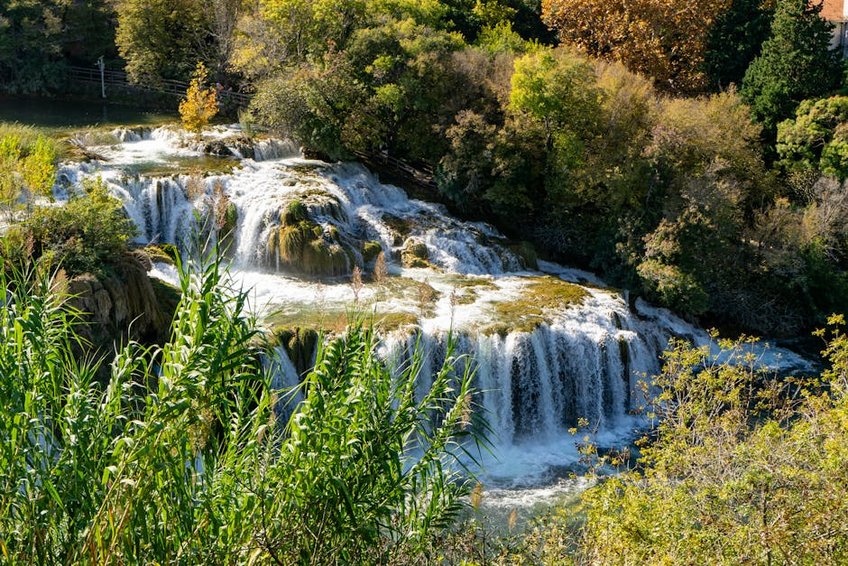
Croatia Krka Waterfalls: Discovering Natural Beauty and Adventure
Exploring the Croatia Krka Waterfalls immerses you in one of Europe’s most stunning natural parks, where turquoise waters cascade over travertine barriers amid lush Mediterranean vegetation. Your visit offers accessible wooden pathways, boat tours to monastic islands, and swimming opportunities in designated areas during warmer months. This guide covers essential planning details, top attractions, practical logistics, and cultural insights for an unforgettable Croatian adventure.
Krka National Park Essential Information
Krka National Park spans 109 square kilometers along the Krka River in Dalmatia, protecting seven major waterfalls and diverse ecosystems. Established in 1985, the park features exceptional biodiversity with over 800 plant species and numerous bird habitats. Visitors encounter well-maintained trails, educational exhibits, and preserved historical sites throughout the protected area.
The park operates year-round with seasonal variations in opening hours and accessible areas. Entrance fees support conservation efforts and maintenance of visitor facilities. You’ll find information centers, restrooms, and dining options at major points like Skradinski Buk and Roški Slap.
What You Need to Know Before Visiting
Prepare for your Krka adventure with these key considerations.
- Purchase tickets online in advance during peak season (June-August) to avoid long queues, with adult prices around $25-40 depending on included boat tours.
- Wear comfortable walking shoes with grip for wooden pathways that can become slippery near waterfall spray areas during visits.
- Check swimming regulations as policies change annually, with some years permitting bathing at Skradinski Buk and others restricting water access for conservation.
- Budget travelers spend $35-50 daily using public buses from Split ($10-15 roundtrip), park entry ($25), and self-guided exploration with packed lunches from local markets.
- Mid-range visitors allocate $75-120 daily for rental car flexibility ($30-50), guided boat tours ($20), restaurant meals ($25), and comfortable hotels in Šibenik ($60-80).
- Luxury experiences cost $150-250+ daily featuring private guides ($100), premium accommodation in waterfront villas ($120+), fine dining ($50), and combined tours with other attractions.
- Krka National Park Official Website
- Lonely Planet Krka National Park Guide
Key Park Features and Layout
Skradinski Buk represents the park’s most famous waterfall complex, featuring 17 cascades across 800 meters with a total drop of 45 meters. This area includes the first hydroelectric power plant in Europe, operational in 1895, now housing an educational museum. Well-constructed wooden walkways allow circular routes with minimal elevation change suitable for most fitness levels.
Roški Slap offers a quieter experience with traditional watermills and boat access to Visovac Island’s Franciscan monastery. The Krka estuary section near Skradin town provides excellent birdwatching opportunities with over 200 recorded species. Northern areas feature archaeological sites including Roman military camp Burnum and medieval fortresses.
Historical Significance and Conservation
Human presence around Krka dates back to prehistoric times, with Illyrian tribes and Roman settlements documented throughout the river valley. The area gained protected status following scientific recognition of its unique travertine formation processes and endemic species. Ongoing conservation focuses on balancing tourism with preservation of fragile calcium carbonate deposits that form the waterfalls.
Local communities maintain traditional practices like fishing and agriculture alongside tourism development. Sustainable tourism initiatives include limited visitor numbers in sensitive areas and educational programs about the ecosystem. Your visit directly supports these conservation efforts through entrance fees and guided tour contributions.
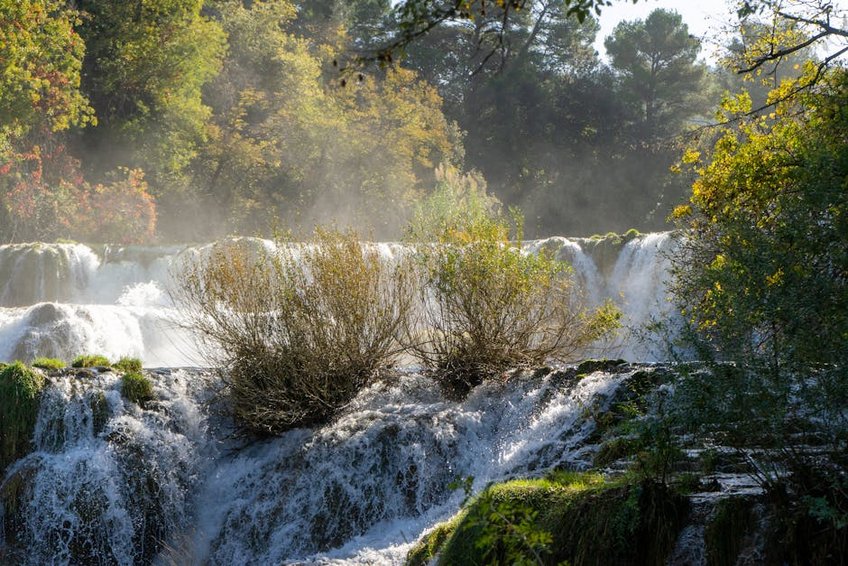
Alt: “krka-waterfalls-skradinski-buk-travertine-cascades-park”
Planning Your Croatia Krka Waterfalls Trip
Organizing your Croatia Krka Waterfalls visit requires considering seasonal weather, accommodation options, and activity preferences for optimal experience. Summer months bring warm temperatures ideal for swimming but larger crowds, while spring and autumn offer pleasant hiking conditions with fewer visitors. Base yourself in nearby cities like Split or Šibenik for flexible day trips with multiple transportation choices.
Budget approximately $50-75 daily for park entry, transportation, and meals when visiting from coastal cities. Allocate extra funds for guided boat tours ($15-25) and specialty dining experiences featuring Dalmatian cuisine. Reserve accommodations 2-3 months early for July-August visits, particularly if staying in park-adjacent towns like Skradin.
Combine your Krka exploration with other Dalmatian highlights like Plitvice Lakes, Split’s Diocletian Palace, or coastal islands for a comprehensive Croatian itinerary. Pack swimwear, waterproof camera protection, sun protection, and reusable water bottles to enhance your comfort throughout the day.
Best Time to Visit Krka Waterfalls
Visit between May and June or September to October for optimal conditions with moderate crowds and pleasant temperatures ranging 65-80°F (18-27°C). These months provide adequate water flow from seasonal rains while avoiding peak summer congestion. July-August temperatures reach 85-95°F (29-35°C) with higher humidity but guarantee swimming opportunities if permitted.
Winter visits from November to March offer solitude with temperatures 40-55°F (4-13°C) but limited boat service and some trail closures. Spring brings spectacular waterfall power from snowmelt and rainfall, while autumn features beautiful foliage colors along the river valleys. Check the official park website for current operating hours and special events when finalizing dates.
Budget Planning and Costs
Manage expenses effectively with these tiered options.
Essential Preparation Checklist
Pack quick-dry clothing, sturdy walking shoes, swimwear, and waterproof bags for electronics near waterfall spray. Include sun protection like hats and SPF 30+ sunscreen, plus insect repellent for wooded areas. Carry Croatian kuna for small purchases though credit cards accepted at major facilities.
Verify passport validity for EU entry (90-day Schengen visa waiver for US citizens) and purchase travel insurance covering outdoor activities. Download offline maps and park information since cellular service varies in canyon areas. Book tickets and transportation 2-4 weeks ahead for summer visits to secure preferred time slots.
Top Attractions and Activities
Krka National Park delivers diverse experiences from thunderous waterfall viewings to serene island monasteries accessible via scenic boat routes. The Skradinski Buk area serves as the primary attraction with its massive travertine cascades and historical exhibits. Roški Slap features traditional watermills and longer hiking trails through peaceful woodland settings.
Boat excursions from Skradin or Roški Slap provide access to Visovac Island’s 15th-century Franciscan monastery with valuable art and manuscript collections. The Krka River estuary near Skradin town offers exceptional birdwatching with guided tours available for enthusiasts. Northern sections contain Roman archaeological sites at Burnum with remaining amphitheater arches and military camp foundations.
Must-See Highlights
Skradinski Buk waterfall complex demands 2-3 hours for complete exploration via circular wooden walkways spanning the river. This area includes educational displays about hydroelectric history and ecology near the original power plant building. Visit early morning or late afternoon for best photography light with fewer visitors obstructing views.
Visovac Island monastery tours operate via scheduled boats from Skradinski Buk or Roški Slap, requiring 1-2 hours including transportation. The monastery museum houses rare liturgical items and biological collections alongside peaceful gardens. Roški Slap’s waterfall series and traditional watermills offer quieter alternative with hiking options to Ozidana Pecina cave.
Krka River boat tours from Skradin to Skradinski Buk provide beautiful canyon perspectives unavailable from land routes. These 20-minute journeys pass through narrow gorges with nesting birds and lush vegetation along riverbanks. Burnum Roman ruins feature remaining military camp structures and a museum displaying archaeological finds from the site.
Hidden Gems and Local Favorites
Manojlovac slap represents the park’s tallest single-drop waterfall at 60 meters, accessible via longer hiking trails from Roški Slap with minimal crowds. This area features beautiful viewpoints overlooking the canyon and opportunities for peaceful contemplation away from main tourist paths. Local guides sometimes offer specialized tours to this less-visited section.
Traditional watermills at Roški Slap include operational demonstrations during summer months, showcasing historical grain-processing techniques. The nearby Oziđana pećina cave contains archaeological findings from Neolithic periods with guided tours available by reservation. These areas provide authentic cultural experiences beyond standard waterfall viewing.
Waterfall Photography Tips
Capture stunning waterfall images using polarizing filters to reduce glare and enhance water texture against travertine formations. Early morning light creates beautiful contrasts while avoiding harsh midday sun that flattens details. Use tripods for long exposure shots smoothing water movement, particularly at Skradinski Buk’s multiple cascades.
Experiment with different perspectives from various boardwalk levels and riverbank viewpoints for unique compositions. Include contextual elements like Mediterranean vegetation, traditional architecture, or visitors for scale in wider shots. Protect equipment from mist using waterproof covers or plastic bags during close approaches to powerful cascades.
Practical Travel Information
Reaching Krka National Park involves multiple transportation options from major Dalmatian cities with varying convenience and cost factors. Split serves as the primary gateway with regular buses to Skradin (1.5 hours) and direct organized tours including park entry. Šibenik offers closer access (30 minutes) with more frequent local buses to park entrances.
Accommodation ranges from budget guesthouses in Skradin to luxury hotels in Šibenik and Split, with camping available nearby during summer months. Dining options include park restaurants serving Dalmatian specialties, plus numerous konoba (tavern) experiences in surrounding villages. Advance reservations prove essential for summer visits across all service categories.
| Category | Options/Features | Price Range (USD) |
|---|---|---|
| Accommodation | Skradin guesthouses, Šibenik hotels, Split apartments, nearby camping | $40-200 nightly |
| Transportation | Rental cars, public buses, organized tours, private transfers, boat services | $10-150 daily |
| Dining | Park restaurants, village konobas, market picnics, hotel restaurants | $15-50 per person |
| Activities | Park entry, guided tours, boat excursions, specialized photography workshops | $25-120 per experience |