China Huangshan Yellow Mountains Travel Guide
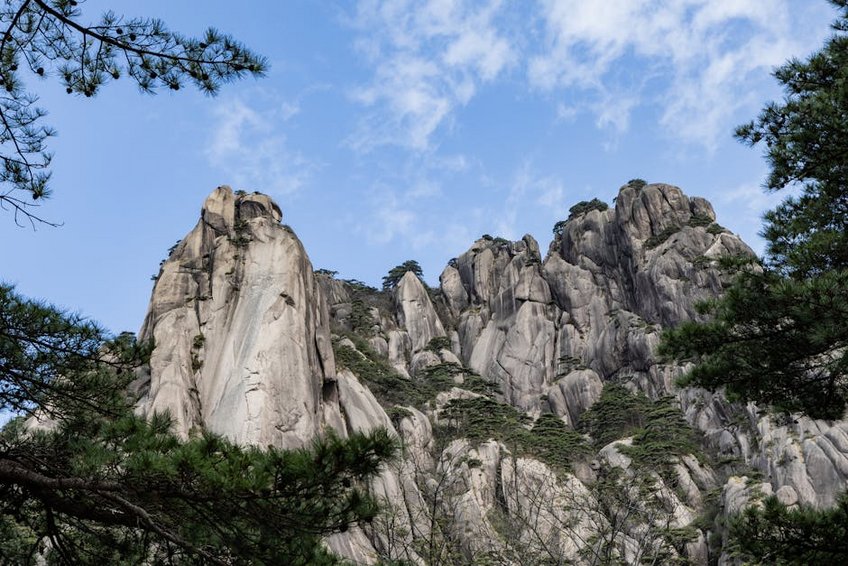
China Huangshan Yellow Mountains offer dramatic granite peaks, ancient pine trees, and sea of clouds vistas in Anhui Province. This UNESCO World Heritage site spans 154 square kilometers with elevations reaching 1,864 meters at Lotus Peak. Our guide covers hiking routes, seasonal photography, accommodation options, and cultural insights for Western travelers.
Essential Huangshan Information
Huangshan Mountain Range formed over 100 million years ago through geological uplift and granite intrusion. These mountains inspired classical Chinese art and poetry for centuries with their distinctive jagged formations. Visitors encounter four wonders: peculiar pines, absurd stones, sea of clouds, and hot springs.
The national park operates from 6:30 AM to 5:30 PM daily with extended hours during peak seasons. Admission costs vary by season and access points, with cable car services available at three main stations. Huangshan receives over 3 million annual visitors, primarily between April and November.
What You Need to Know
Before visiting these legendary mountains, understand these key aspects.
- Physical preparation matters with steep stone steps totaling over 60,000 across the scenic area, requiring good fitness levels and proper hiking shoes.
- Weather changes rapidly with temperature drops up to 10°C (18°F) between base and summit, necessitating layered clothing regardless of season.
- Altitude affects some visitors at peaks above 1,800 meters, with oxygen stations available along the Western Steps for those needing assistance.
- Budget travelers spend $40-60 daily using hostels in Tangkou Town, public transportation, and self-catering while purchasing basic park admission without cable cars.
- Mid-range visitors allocate $80-120 per day for comfortable hotels, one-way cable car rides, guided day hikes, and restaurant meals featuring local cuisine.
- Luxury experiences cost $150-300 daily including summit hotel stays, private guides, all cable car routes, and premium dining with Huangshan Maofeng tea tasting.
- China Highlights Huangshan Guide
- Wikitravel Huangshan Information
Key Geological Features
Huangshan’s distinctive landscape results from Quaternary glacial activity and granite weathering over millennia. The mountains feature 77 peaks exceeding 1,000 meters elevation with distinctive names like Beginning-to-Believe Peak and Bright Summit. These formations create the iconic sea of clouds effect when moisture condenses at specific altitudes.
Granite surfaces exhibit unusual erosion patterns creating stone pillars, caves, and unique shapes that inspired Chinese landscape painting. The area contains numerous hot springs with temperatures around 42°C (107°F) rich in carbonate minerals. These geological wonders span multiple climate zones from subtropical foothills to alpine summit conditions.
Historical and Cultural Significance
Huangshan appears in Chinese literature as early as the Tang Dynasty (8th century CE) when poet Li Bai wrote about its beauty. The mountains became a pilgrimage site for Taoist practitioners seeking immortality during the Ming Dynasty. Today, they represent the pinnacle of Chinese natural aesthetics in art and philosophy.
Numerous temples and inscriptions dot the landscape, including the Xihai Temple dating to the Ming Dynasty. The mountains inspired the Huangshan School of painting during the 17th century. Modern conservation efforts began in 1982 when China designated the area as its first national park for scenic beauty.
Alt: “huangshan-mountains-granite-peaks-sea-of-clouds”
China Huangshan Yellow Mountains – Planning Your Trip
Your China Huangshan Yellow Mountains visit requires careful timing between March and May for optimal conditions. Spring delivers comfortable temperatures between 10-20°C (50-68°F) with blooming azaleas and clearer visibility. Avoid national holidays like Golden Week when crowds exceed 50,000 daily visitors.
Budget adequately for park entrance fees, cable car tickets, and mountain accommodation. The scenic area spans multiple zones requiring 2-3 days for comprehensive exploration. Book hotels months ahead for summit stays during popular seasons.
Physical preparation should include stair climbing practice and packing essentials like rain gear. The high elevation demands acclimatization, especially for travelers coming from sea level locations. Consider hiring local guides for hidden trails and cultural context.
Best Time to Visit Huangshan
April through June offers ideal conditions with temperatures ranging 15-22°C (59-72°F) and moderate rainfall. These months provide the best balance between comfortable hiking weather and spectacular scenery with blooming flora. Crowds remain manageable outside Chinese holiday periods.
September to November delivers stunning autumn foliage with crisp air temperatures of 10-18°C (50-64°F). Winter visits from December to February offer snow-covered landscapes but require preparation for temperatures dropping to -10°C (14°F) at summit. Summer brings heavy rainfall and reduced visibility despite warmer conditions.
Budget Planning and Costs
Understand these three budget tiers for different travel styles.
Essential Preparation Checklist
Pack layered clothing including thermal base layers, waterproof jackets, and sturdy hiking boots with grip soles. Weather changes rapidly between base and summit areas throughout the day. Include portable chargers, headlamps, and basic first aid supplies for unexpected situations.
Secure China tourist visa 1-2 months before departure through official consulates or agencies. Book accommodation 3-4 months ahead for peak season visits to summit hotels. Purchase comprehensive travel insurance covering high-altitude hiking and medical evacuation if needed.
Top Attractions and Activities
Huangshan’s scenic area divides into four main sections: Beihai, Xihai, Yuping, and Yungu. Each offers distinct landscapes and hiking challenges across well-maintained stone pathways. Most visitors require multiple days to experience the highlights without rushing.
Cable cars provide access to different starting points, saving 3-4 hours of strenuous climbing. The three main routes vary in difficulty from gentle Yungu Valley paths to challenging Western Steps. Photography opportunities abound throughout the day, especially during sunrise and sunset.
Must-See Highlights
Begin with Flying Over Rock, a 12-meter tall boulder seemingly defying gravity on a narrow base. This iconic formation appears in numerous classical paintings and photographs. Visit early morning to avoid crowds and capture optimal lighting conditions.
Guest-Greeting Pine represents Huangshan’s most famous tree, estimated over 1,000 years old growing from cliffside granite. This symbol of hospitality requires queuing during peak hours. Nearby, Beginning-to-Believe Peak offers panoramic views across the central scenic area.
Bright Summit Peak stands at 1,840 meters with 360-degree views of surrounding granite pillars. This location provides the best sunset photography opportunities with fewer visitors than Lotus Peak. The nearby Cloud-Dispelling Pavilion frequently offers spectacular sea of clouds phenomena.
Hidden Gems and Local Favorites
Explore Nine-Dragon Waterfall in the less-visited Songgu Area, accessible via stone steps away from main crowds. This multi-tiered cascade flows strongest after rainfall between June and August. Local guides know secret viewpoints for photography without obstruction.
Discover Fairy Walking Bridge, a natural stone arch hidden along the Western Steps route. This geological wonder remains uncrowded despite its beauty due to strenuous access. Visit during weekdays for solitary contemplation moments.
Seek out Xihai Grand Canyon’s unmarked trails requiring local guidance but rewarding with untouched scenery. These paths reveal hidden caves, unusual rock formations, and rare alpine flowers. The area demonstrates Huangshan’s pristine wilderness beyond developed tourist routes.
Hiking and Photography Tips
Start hikes before 7 AM to avoid congestion on narrow pathways and stone stairs. The Eastern Steps present fewer challenges than the steeper Western route. Carry sufficient water and snacks since summit prices triple compared to base areas.
Photography requires patience for weather changes and cloud movements creating dramatic scenes. Use polarizing filters to enhance contrast between granite and vegetation. Sunrise at Refreshing Terrace offers the most reliable spectacular views with fewer visitors than other locations.
Practical Travel Information
Huangshan connects to major cities via high-speed rail to Huangshan North Station, then bus transfer to Tangkou Town. The nearest airport (TXN) offers domestic flights from Shanghai, Beijing, and Guangzhou. Local buses shuttle visitors between transportation hubs and scenic area entrances.
Accommodation ranges from budget hostels in Tangkou to luxury hotels on mountain summits. Booking platforms like Ctrip and Booking.com list verified options with English support. Summit stays require advance reservations, especially for sunrise viewing.
| Category | Options/Features | Price Range (USD) |
|---|---|---|
| Budget Accommodation | Hostels in Tangkou with shared facilities, basic breakfast included | $15-30/night |
| Mid-Range Hotels | Hotels with private bathrooms, mountain views, restaurant access | $50-100/night |
| Summit Lodging | Limited rooms with heating, sunrise viewing platforms, meal packages | $120-250/night |
| Luxury Resorts | Hot springs access, spa facilities, guided tours, premium dining | $200-400/night |