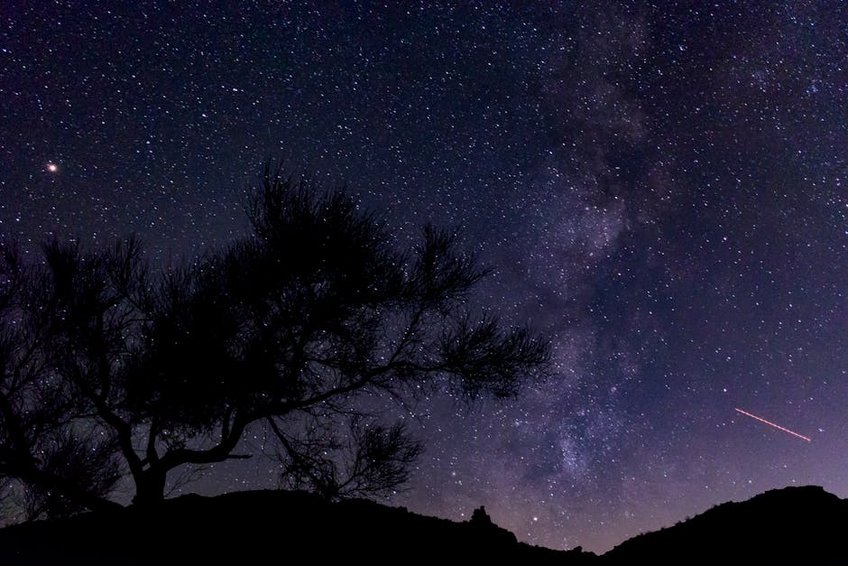
Chile Atacama Desert Stargazing Tours: Explore the Clearest Night Skies
Chile Atacama Desert stargazing tours offer unparalleled access to the world’s driest non-polar desert, where minimal light pollution and high altitude create perfect celestial viewing conditions. These specialized experiences feature professional telescopes, expert astronomers, and overnight excursions to remote observation sites across the Atacama’s unique landscape. This guide covers essential planning details, top observatory visits, and practical tips for maximizing your astronomical adventure under the Southern Hemisphere’s spectacular night sky.
Essential Atacama Stargazing Information
The Atacama Desert’s extreme aridity results from the rain-shadow effect of the Andes Mountains, with some areas recording zero rainfall for decades. This creates atmospheric conditions so clear that major international observatories like ALMA and Paranal operate here year-round. The desert’s elevation ranges from 2,000 to 5,000 meters above sea level, further reducing atmospheric interference for stargazing.
Nighttime temperatures vary dramatically between seasons, dropping to 30°F (-1°C) in winter and reaching 50°F (10°C) during summer months. The region experiences over 300 clear nights annually, with humidity levels often below 10% creating ideal transparency for celestial observation. These conditions make the Atacama superior to other global stargazing destinations like Arizona or the Canary Islands.
Unique Astronomical Advantages
The Southern Hemisphere location provides exclusive views of celestial objects invisible from northern latitudes.
- Magellanic Clouds appear as bright satellite galaxies with naked-eye visibility during new moon phases.
- The Galactic Center of the Milky Way arches directly overhead from March through October.
- Southern constellations like Crux and Centaurus dominate the sky with distinctive patterns.
- Budget tours cost $75-120 per person using shared transportation and smaller telescopes, ideal for casual observers wanting basic constellation identification.
- Mid-range options at $150-250 provide larger aperture telescopes, astrophoto-graphy instruction, and smaller groups with more personalized attention from trained astronomers.
- Premium experiences ranging $300-500 include private guides, high-end equipment like 16-inch telescopes, gourmet meals, and access to restricted observation sites with minimal light pollution.
- Chile Tourism Board
- European Southern Observatory Tourism Guidelines
Climate and Viewing Conditions
Winter months from June to August deliver the darkest skies with longest viewing hours, though temperatures require thermal layers and heated observation areas. Summer visits from December to February offer milder conditions but shorter darkness periods, balanced by spectacular Milky Way positioning. Spring and autumn provide transitional conditions with comfortable temperatures and good visibility.
Altitude considerations impact some visitors, with San Pedro de Atacama at 2,400 meters requiring acclimatization before strenuous activities. Higher elevation sites like El Tatio Geyser at 4,300 meters may cause mild altitude sickness symptoms during overnight astronomy sessions. Proper hydration and gradual ascent help mitigate these effects.
Historical Astronomy Context
Indigenous Atacameño communities developed sophisticated astronomical knowledge over millennia, using celestial patterns for agricultural timing and navigation. European settlers established the first formal observatories in the early 20th century, leading to Chile’s current status as host to 40% of the world’s astronomical infrastructure. Modern facilities represent multinational collaborations valuing billions of dollars.
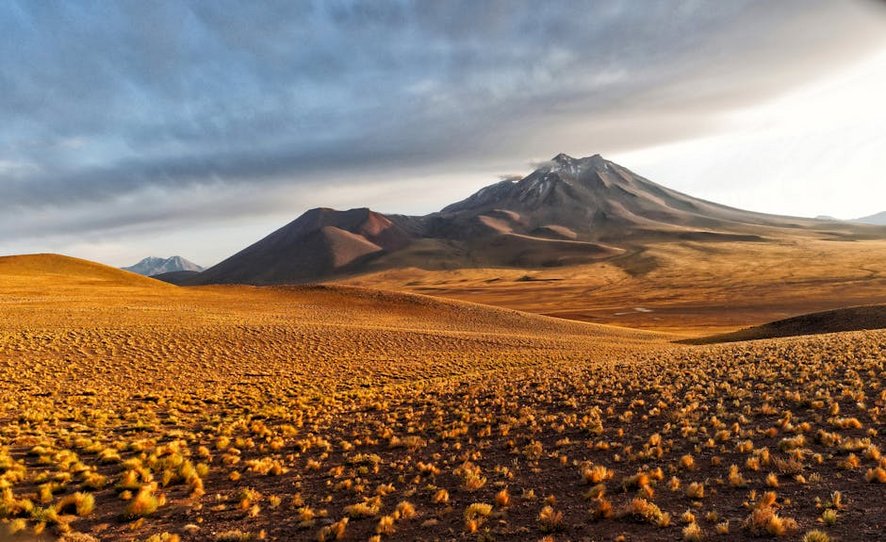
Alt: “atacama-desert-night-sky-milky-way-observatory”
Chile Atacama Desert Stargazing Tours – Planning Your Trip
Professional astronomy tours typically include transportation from San Pedro de Atacama, bilingual guides, high-quality telescopes, and thermal clothing for nighttime conditions. Many operators offer photography-focused options with DSLR camera mounting and post-processing instruction. Booking three months in advance secures preferred dates during peak season from April to September.
Independent travelers can join group tours starting at $75 per person or arrange private experiences costing $200-400 for exclusive telescope access. Multi-day astronomy packages combining desert exploration with stargazing range from $500 to $1,200 depending on accommodation quality and included meals. Verify operator credentials through the Chilean Tourism Board for safety and quality assurance.
Best Time to Visit for Optimal Viewing
Peak stargazing conditions occur between April and September when the Milky Way core is most visible and atmospheric transparency reaches its maximum. Winter nights from June to August provide up to 13 hours of darkness with temperatures between 25-40°F (-4 to 4°C). Shoulder months like March and October offer a balance of comfortable 45-60°F (7-16°C) evenings with good celestial visibility.
The summer rainy season from January to February brings occasional cloud cover, though still maintains better conditions than most global locations. Lunar phase planning proves crucial, with new moon periods delivering the darkest skies for faint deep-sky objects. Full moon weeks work well for lunar observation and landscape photography.
Budget Planning and Costs
Tour prices vary significantly based on group size, equipment quality, and included amenities.
Essential Preparation Checklist
Pack multiple thermal layers, wind-resistant outerwear, and insulated gloves since desert temperatures drop rapidly after sunset. Bring headlamps with red light settings to preserve night vision during observatory sessions. Sturdy hiking shoes provide stability on uneven terrain at remote observation locations.
Carry altitude medication like acetazolamide if prone to elevation sickness, and maintain hydration with electrolyte supplements. Book tours offering English-speaking astronomers if Spanish proficiency is limited. Verify that your travel insurance covers high-altitude activities and emergency evacuation from remote areas.
Top Astronomical Attractions and Activities
The Atacama region hosts both professional research facilities and public observatories with guided tours available throughout the year. ALMA Observatory’s massive radio telescope array represents the world’s most advanced astronomical project, though visitor access requires advance reservation. Paranal Observatory’s Very Large Telescope offers monthly public days with spectacular sunset viewing opportunities.
Smaller commercial observatories like SPACE and Ahlarkapin provide more intimate experiences with extended telescope time and photography assistance. Many operators combine stargazing with other desert attractions like Valle de la Luna sunset tours or El Tatio Geyser morning visits. These combination tours maximize daytime and nighttime experiences efficiently.
Must-See Observatories and Sites
ALMA Observatory tours demonstrate how 66 radio antennas work together to study cosmic origins, though reservations must be made months in advance through their official website. Paranal Observatory’s public days include visits to the control room and spectacular platform views at 2,600 meters elevation. Both facilities illustrate cutting-edge astronomical research.
SPACE Observatory near San Pedro offers nightly sessions with multiple telescope types and expert explanations in multiple languages. Their observation platforms provide 360-degree views of the desert sky with minimal light interference. Tour prices include hotel pickup and warm beverages during the session.
Hidden Gems and Local Favorites
Tatio Geyser field astronomy tours depart before dawn to combine geothermal feature viewing with pre-sunrise stargazing at 4,300 meters elevation. This unique experience captures both terrestrial and celestial wonders in one excursion. Local guides share indigenous astronomical knowledge passed through generations.
Private landowners sometimes permit access to secluded observation sites beyond standard tour routes, offering completely dark sky conditions. These exclusive locations require local guide arrangements and four-wheel-drive transportation. They provide unparalleled solitude for serious astrophotography and meditation under the stars.
Astrophotography Techniques and Tips
Successful night photography requires fast wide-angle lenses (f/2.8 or faster), sturdy tripods, and intervalometers for long exposures. Shoot in RAW format during new moon phases to capture faint nebulae and galaxies. Frame compositions with desert landscapes like rock formations or salt flats foregrounding the Milky Way.
Advanced photographers use star tracking mounts to eliminate star trails during exposures longer than 30 seconds. Post-processing software like Adobe Lightroom enhances celestial details while maintaining natural appearance. Many tour operators provide camera rental options and field instruction for beginners.
Practical Travel Logistics and Accommodation
Most international visitors fly into Santiago’s Arturo Merino Benítez Airport (SCL) before connecting to Calama’s El Loa Airport (CJC) near the Atacama Desert. Flight time from Santiago to Calama averages two hours, with multiple daily departures from LATAM and Sky Airline. From Calama, shared shuttle services or rental cars complete the journey to San Pedro de Atacama.
Accommodation in San Pedro ranges from hostels to luxury resorts, with astronomy-focused hotels offering private observation decks and telescope rentals. The town’s compact center contains restaurants, tour agencies, and supplies shops within walking distance. Many quality hotels provide altitude adaptation assistance and astronomy activity coordination.
| Accommodation Type | Features and Amenities | Price Range (USD) |
|---|---|---|
| Budget Hostels | Shared dormitories, basic kitchen, social atmosphere, tour booking assistance | $15-40 per night |
| Mid-Range Hotels | Private bathrooms, swimming pools, restaurant, airport transfers | $80-150 per night |
| Boutique Lodges | Private terraces, telescope access, spa services, gourmet dining | $200-350 per night |
| Luxury Resorts | Private observatories, astronomer guides, all-inclusive packages, isolation | $400-800 per night |