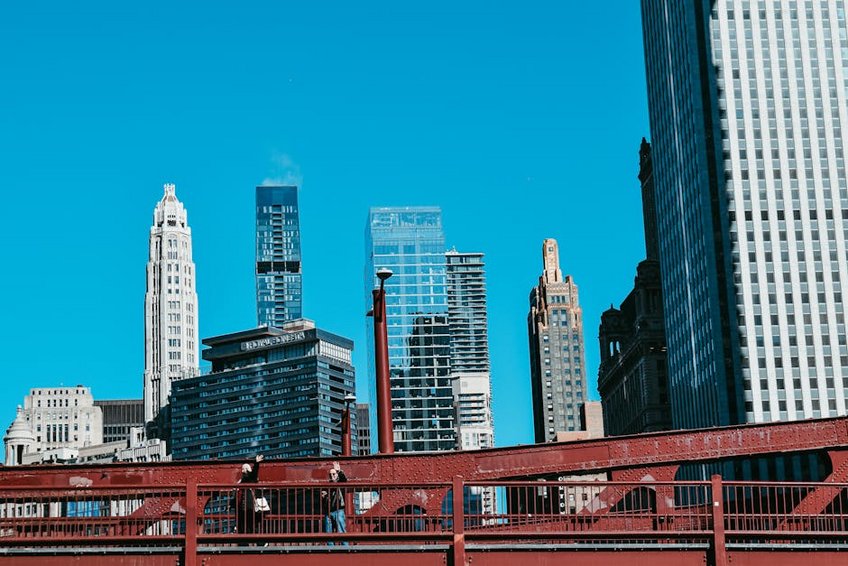
Chicago Travel Guide: Discover the Windy City’s Best Sights and Bites
Planning a trip to the Midwest’s vibrant heart requires a solid Chicago travel guide to navigate its world-class architecture, lakefront parks, and deep-dish pizza legacy. The city stretches along 26 miles of Lake Michigan shoreline, offering an urban playground with distinct neighborhoods from the trendy River North galleries to the historic Bronzeville district. This guide provides the essential logistics, seasonal advice, and local secrets you need for an efficient and memorable visit to America’s third-largest city.
Essential Chicago Information
Chicago, located in northeastern Illinois, serves as a major transportation hub for the entire United States. Founded in 1833, the city famously rebuilt after the Great Chicago Fire of 1871, leading to its pioneering role in modern skyscraper design. Its grid system, centered on State and Madison streets, makes navigation surprisingly straightforward for first-time visitors.
The city’s culture is a blend of Midwestern hospitality and global influence, reflected in its diverse food scene and renowned institutions like the Art Institute. Summers buzz with massive festivals, while winters transform the city into a sparkling, if chilly, wonderland. Understanding this seasonal rhythm is key to planning your activities and packing appropriately.
Chicago at a Glance – What You Need to Know
Before you dive into planning, here are the foundational facts about the Windy City.
- Timezone: Central Time (CT). The city observes Daylight Saving Time, shifting from CST to CDT from March to November.
- Best Airport: O’Hare International (ORD) is a major global hub, while Midway (MDW) often has cheaper domestic flights and is closer to downtown.
- Public Transit: The Chicago Transit Authority (CTA) operates the extensive ‘L’ train and bus network; purchase a rechargeable Ventra card for easy fares.
- Budget Traveler ($80-120/day): Stay in a hostel or budget hotel outside the core, use public transit exclusively, enjoy free museums on their designated days (like the Art Institute on Thursday evenings for IL residents), and eat deep-dish pizza as a splurge meal.
- Mid-Range Traveler ($200-350/day): Book a hotel in River North or the Loop, take the occasional taxi or rideshare, visit 2-3 paid attractions (like the Skydeck or a museum), and dine at a mix of casual and one notable restaurant.
- Luxury Traveler ($500+/day): Stay at a five-star hotel on the Magnificent Mile or in the Gold Coast, enjoy private architectural tours, secure premium theatre tickets, and dine at Michelin-starred establishments like Alinea or Smyth.
- Choose Chicago Official Tourism Site
- Chicago Transit Authority (CTA) Official Site
Key Details on Neighborhoods and Layout
Downtown Chicago, known as the Loop, is the central business district circled by elevated train tracks. North of the river, you’ll find the Magnificent Mile shopping corridor, River North’s nightlife, and the Gold Coast’s historic mansions. To the west, neighborhoods like Wicker Park and Logan Square offer a more alternative, artistic vibe with vintage shops and acclaimed restaurants.
South of the Loop, explore museum campuses, Chinatown, and historic districts like Prairie Avenue. The lakefront is entirely public space, connected by the 18-mile Lakefront Trail perfect for biking or jogging. Each area has its own character, so choosing where to base yourself significantly shapes your urban adventure.
The City’s Climate and What to Expect
Chicago experiences four distinct seasons with dramatic temperature swings. Summer (June-August) is warm and humid, with averages around 80°F (27°C), but can spike into the 90s°F (32-35°C). This is peak festival season, from Taste of Chicago to the Air and Water Show, drawing large crowds.
Winter (December-February) is cold and windy, with average highs just above freezing at 32°F (0°C) and lows that can dip below 0°F (-18°C). Snow is common. Spring and fall are transitional, offering milder weather and fewer tourists, though conditions can be unpredictable with sudden rain or temperature drops.
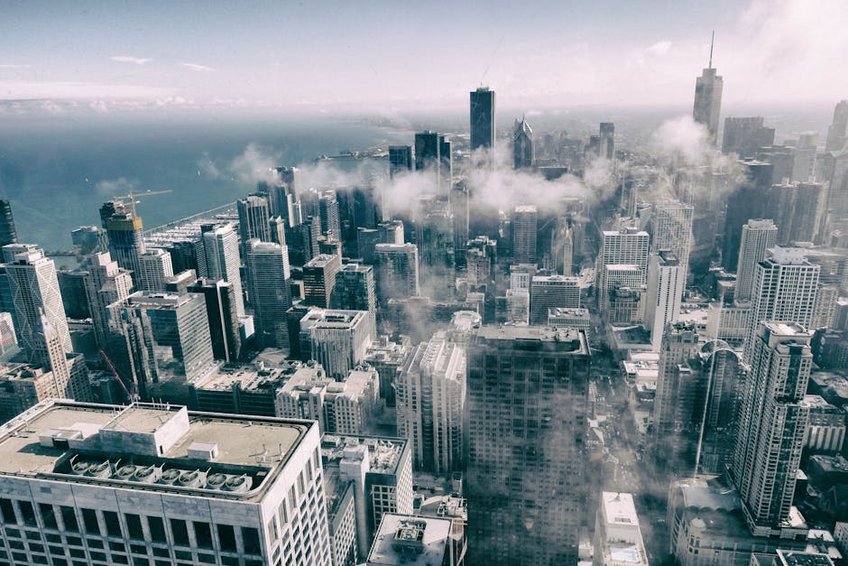
Alt: “chicago-skyline-lake-michigan-sunset-from-adler-planetarium”
Chicago Travel Guide – Planning Your Trip
Creating the right itinerary depends heavily on your interests and the time of year. A culture-focused trip will center on the Museum Campus and downtown theatres, while a foodie adventure might weave through ethnic enclaves like Pilsen and Avondale. Your budget also dictates options, from free Lincoln Park Zoo visits to splurging on a Chicago Architecture Foundation Center River Cruise.
Booking accommodations well in advance is crucial for summer visits or during major conventions. Similarly, popular restaurant reservations, especially for famed steakhouses or chef-led tasting menus, can fill up weeks ahead. A smart Chicago travel plan balances iconic must-dos with relaxed neighborhood exploration to capture the city’s true spirit.
Best Time to Visit Chicago
The ideal months for pleasant weather and outdoor events are late May through early June and September through early October. Temperatures range from a comfortable 60-75°F (15-24°C), and you’ll avoid the extreme humidity of high summer and the biting cold of winter. Major events like the Chicago Jazz Festival in September operate with perfect backdrop weather.
Summer (July-August) is the most popular and expensive season, packed with tourists and festival-goers. Winter offers lower prices and magical holiday displays like the Christkindlmarket, but requires serious cold-weather gear. Shoulder seasons provide the best balance of good conditions, manageable crowds, and reasonable rates for flights and hotels.
Budget Planning and Costs
Your daily budget can vary widely. Here’s a breakdown for a single traveler per day, excluding flights.
Essential Preparation Checklist
Pack layers regardless of season, including a waterproof jacket and comfortable walking shoes. For winter, a heavy coat, insulated boots, gloves, hat, and scarf are non-negotiable. Summer demands sunscreen, sunglasses, and a reusable water bottle for hydration during long days of exploration.
U.S. and EU passport holders do not need a visa for tourist stays under 90 days. Purchase travel insurance that covers healthcare, as U.S. medical costs are extremely high. Download transit apps (CTA, Transit) and a rideshare app (Uber, Lyft) before you arrive. Book key attractions online in advance to skip ticket lines.
Top Attractions and Chicago Activities
Chicago’s skyline itself is an attraction, best viewed from the Lakefront Trail or from the water on an architecture tour. The Museum Campus, a lakeside park, houses three world-class institutions: the Field Museum, Shedd Aquarium, and Adler Planetarium. Millennium Park, with its iconic Cloud Gate sculpture (affectionately called “The Bean”), serves as the city’s vibrant front yard.
For performing arts, the Theatre District in the Loop offers Broadway productions, while the Steppenwolf Theatre Company in Lincoln Park is famous for groundbreaking plays. Sports fans can catch a Cubs game at the historic Wrigley Field or see the Bulls play at the United Center. The city’s cultural calendar is packed year-round.
Must-See Highlights and Landmarks
The Art Institute of Chicago is a top global art museum, home to iconic works like American Gothic and A Sunday on La Grande Jatte. Allow at least 3-4 hours. The 360 CHICAGO observation deck (formerly John Hancock Center) offers stunning views and the thrilling TILT experience. Visit just before sunset to see the city transition from day to night.
Wrigley Field, built in 1914, is a beloved baseball landmark even if you’re not catching a game. Take a stadium tour. The Chicago Riverwalk, recently expanded, is perfect for a stroll, with restaurants, bars, and boat tour docks lining its path. These sites form the core of any first-time visitor’s itinerary.
Hidden Gems and Local Favorites
Explore the 606, an elevated 2.7-mile trail and park built on a former railway line spanning several northwest neighborhoods. It’s perfect for a walk or bike ride away from downtown crowds. The Garfield Park Conservatory, one of the largest in the nation, is a stunning collection of indoor gardens under historic glass domes, and it’s free.
For a unique cultural experience, visit the American Writers Museum in the Loop or the National Museum of Puerto Rican Arts & Culture in Humboldt Park. The Alfred Caldwell Lily Pool in Lincoln Park is a hidden prairie-style garden that feels worlds away from the city. These spots offer depth beyond the standard postcard views.
Architecture and Design Exploration
Chicago’s architectural legacy is unparalleled. The Chicago Architecture Center offers superb walking tours, but you can also take a self-guided tour of Loop landmarks like the Rookery Building (with a stunning Frank Lloyd Wright-designed lobby) and the Board of Trade Building. Don’t miss the Prairie Avenue Historic District to see Gilded Age mansions.
For modern design, tour the former home of Mies van der Rohe or see his landmark Illinois Institute of Technology campus. The River North gallery district is also worth exploring for contemporary art. Appreciating the built environment is a central part of understanding the city’s innovative history and current identity.
Practical Travel and Logistics Information
Navigating Chicago is straightforward with a little preparation. The city’s grid system and excellent public transit make getting around efficient. Most visitors use a combination of the ‘L’ trains, buses, rideshares, and their own two feet. Accommodation choices range from hostels and boutique hotels to major luxury chains, each offering different neighborhood experiences.
Staying in the Loop or River North puts you in the middle of the action, close to major attractions and transit hubs. Neighborhoods like Lincoln Park or Wicker Park offer more local flavor and may be quieter at night. Your choice should align with your priorities—proximity to sights versus immersion in residential Chicago life.
| Accommodation Category | Neighborhood & Features | Avg. Nightly Price (USD) |
|---|---|---|
| Budget Hostel/Hotel | Near North Side or Wicker Park; shared facilities, basic rooms | $80 – $140 |
| Mid-Range Boutique | River North or Lincoln Park; stylish design, on-site restaurant/bar | $180 – $300 |
| Business Hotel | The Loop; conference facilities, fitness center, multiple dining | $220 – $350 |
| Luxury Hotel | Magnificent Mile or Gold Coast; spa, fine dining, concierge, lake views | $400 – $700+ |