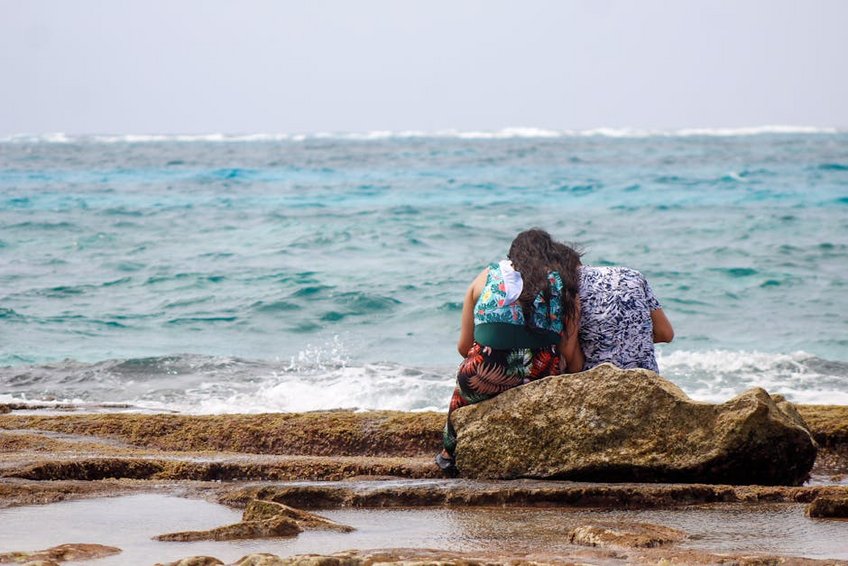
Caribbean Beaches in Colombia: Discover Untouched Coastal Paradise
The Colombian Caribbean coast stretches over 1,600 miles, offering some of the most diverse and unspoiled shorelines in the Americas. From the vibrant coral reefs of the Rosario Islands to the serene palm-fringed sands of Palomino, this region delivers an authentic tropical escape far from crowded resorts. This guide explores the top destinations, practical travel logistics, and cultural gems for your perfect coastal journey, blending adventure with profound relaxation on these stunning Caribbean beaches in Colombia.
Essential Colombian Caribbean Coast Information
Colombia’s northern coastline borders the Caribbean Sea, featuring a dramatic mix of ecosystems. You will find everything from arid desert landscapes meeting the ocean in La Guajira to dense, jungle-backed bays near the Panamanian border. The region’s history is a rich tapestry of indigenous, Spanish colonial, and Afro-Caribbean influences, visible in its music, food, and architecture.
The climate is consistently tropical, with average temperatures ranging from 80°F to 90°F (27°C to 32°C) year-round. A dry season typically runs from December to April, offering sunny days ideal for beach visits. The wetter months from May to November see brief afternoon showers that often enhance the lush greenery, with humidity remaining high throughout the year.
Regions and Key Destinations
Understanding the geography helps plan an efficient itinerary across this vast coastline.
- The Cartagena & Islands Region: Features the historic walled city of Cartagena, the nearby white-sand beaches of Isla Barú, and the protected coral archipelago of Islas del Rosario and San Bernardo, perfect for snorkeling and luxury day trips.
- The Santa Marta & Tayrona Area: Serves as the gateway to the famed Tayrona National Park, with its jungle trails leading to secluded coves, and the laid-back backpacker hub of Palomino, known for river tubing.
- The La Guajira Peninsula: A remote and arid region culminating at Punta Gallinas, the northernmost point of South America, offering unique desert-beach landscapes and insights into Wayúu indigenous culture.
- Budget Traveler ($35-$50/day): Stay in hostel dorms in Santa Marta or Taganga, use local buses (colectivos), eat at budget-friendly “menu del día” spots, and focus on free activities like hiking in Tayrona or beach days. Book dorm beds for $8-$15 nightly.
- Mid-Range Explorer ($80-$150/day): Secure private rooms in guesthouses or budget hotels, use taxis for convenience, enjoy meals at a mix of local and mid-range restaurants, and join guided tours like a Rosario Islands boat trip or a Lost City trek. Expect to pay $40-$80 per night for accommodation.
- Luxury Seeker ($250+/day): Reserve boutique hotels in Cartagena’s Old City or luxury eco-lodges near Tayrona, arrange private car transfers and yacht charters, dine at top-rated gourmet restaurants, and book exclusive private guides for personalized experiences. Luxury hotels range from $150 to $400+ per night.
- Colombia Travel Official Tourism Website
- National Natural Parks of Colombia System
Cultural Context and Vibe
Each coastal area possesses a distinct character and cultural rhythm. Cartagena pulses with a sophisticated, energetic vibe, blending romantic history with vibrant nightlife. Santa Marta feels more utilitarian, acting primarily as a transport hub for adventurers heading to the parks and beaches. The smaller coastal villages offer total immersion in the slow, relaxed “tranquilo” lifestyle emblematic of the Colombian coast.
Music is everywhere, with the sounds of salsa, champeta, and vallenato spilling from local bars. The Afro-Caribbean heritage is particularly strong, influencing dance, cuisine, and local festivals. Respectful engagement with local communities significantly enriches the travel experience beyond the sand and sea.
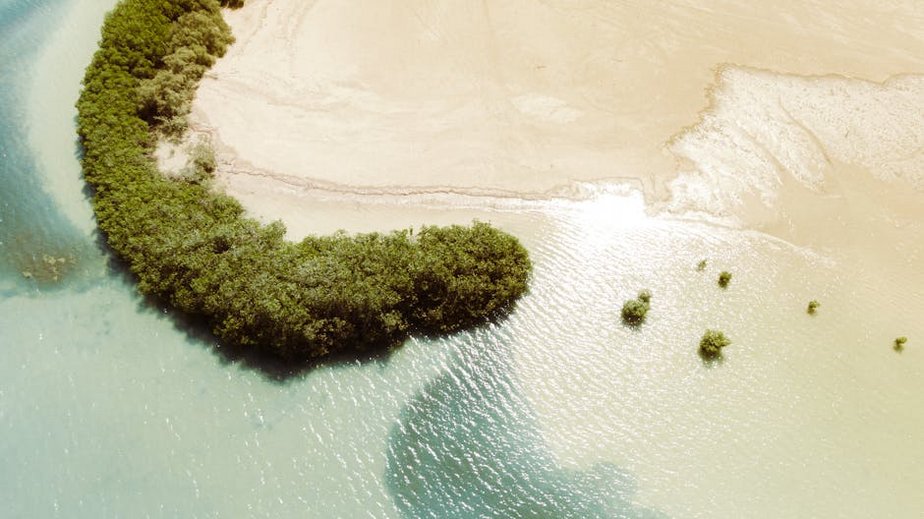
Alt: “cartagena-colonial-walls-caribbean-sea-view-colombia”
Caribbean Beaches in Colombia – Planning Your Trip
Strategizing your visit to the Colombian Caribbean requires balancing seasonal weather, regional festivals, and personal interests. For classic sunny beach weather, target the December to April window, though this coincides with peak domestic and international tourist traffic. Shoulder seasons like May or November often provide a sweet spot with decent weather and fewer visitors, offering better value on accommodations.
A realistic budget can vary widely. A frugal traveler relying on hostels and local buses might spend $35-$50 per day. Mid-range travelers enjoying private rooms, guided tours, and restaurant meals should budget $80-$150 daily. Luxury seekers opting for boutique hotels and private transfers can easily exceed $250 per day, especially in Cartagena’s old city.
Best Time to Visit the Colombian Coast
The ideal period for a beach-focused trip is during the dry season from mid-December through March. During these months, rainfall is minimal, sunshine is abundant, and sea conditions are generally calm, perfect for boat trips and underwater activities. Daytime temperatures hover between 85°F and 90°F (29°C-32°C), with warm evenings around 75°F (24°C).
Consider visiting in late January or February to avoid the peak holiday crowds of December. The months of October and November, while wetter, see lush landscapes and offer fantastic surfing conditions on certain stretches of coast. Always check for local holidays like Semana Santa (Holy Week), when domestic travel surges and prices spike.
Budget Planning and Costs
Your daily budget dictates the style of your coastal adventure. Here is a realistic breakdown for different travel styles.
Essential Preparation Checklist
Packing correctly for the coast involves more than just swimwear. Essential items include high-SPF, reef-safe sunscreen, strong insect repellent, a reusable water bottle with a filter, quick-dry clothing, and sturdy sandals for rocky paths. For adventures like the Lost City Trek, proper hiking shoes and moisture-wicking layers are non-negotiable.
Ensure your travel documents are in order. Most Western passport holders do not need a visa for tourist stays under 90 days. Purchase comprehensive travel insurance that covers potential medical evacuation. Book key domestic flights (e.g., to Santa Marta) and popular hotels at least two to three months in advance for peak season travel.
Top Destinations and Beach Experiences
Beyond the famous names, the Colombian shoreline holds countless gems. Tayrona National Park is a crown jewel, where dense rainforest trails lead to breathtaking coves like Cabo San Juan. The journey is part of the experience, often involving hikes or horseback rides to reach the most pristine spots. These areas prioritize conservation, with limited infrastructure to preserve their natural state.
For a different perspective, the offshore islands provide a quintessential tropical escape. The Rosario Islands, a national park, boast some of the healthiest coral reefs near the mainland. Further south, the San Bernardo Archipelago feels even more remote, with overwater bungalows and placid, shallow waters ideal for families and relaxation seekers.
Must-See Coastal Highlights
Parque Nacional Natural Tayrona is indispensable. Arrive early to secure entry, as daily visitor numbers are capped. Hike to Arrecifes or Cabo San Juan, where you can swim in sheltered bays and rent a hammock for an overnight stay under the stars. The park is typically closed for a spiritual cleansing period each February, so verify dates before planning.
In Cartagena, the beaches within the city, like Bocagrande, are urban and bustling. For a better beach day, take a short boat ride to Isla Barú or the Rosario Islands. Playa Blanca on Barú offers powdery white sand, though it can get crowded; consider staying overnight for a more peaceful morning. For history, the walled city and Castillo San Felipe are unparalleled.
Hidden Gems and Local Favorites
Venture beyond the major hubs to discover quieter shores. Palomino, a two-hour drive from Santa Marta, offers a long, gray-sand beach backed by the Sierra Nevada mountains. Its main draw is tubing down the Palomino River as it flows to the sea. Further east, the tiny fishing village of Chengue, near the city of Riohacha, provides an authentic glimpse of local life with virtually no tourism.
Near the Panama border, the Gulf of Urabá region, including Capurganá and Sapzurro, is accessible only by boat or plane. These isolated villages offer incredible snorkeling, jungle waterfalls, and a frontier feel. They are perfect for travelers seeking complete disconnection. The lack of roads enhances their untouched charm.
Adventure and Eco-Tourism Activities
The region is a playground for active travelers. The multi-day Lost City Trek (Ciudad Perdida) is a challenging jungle hike to ancient Tayrona ruins, often considered a more rugged alternative to Machu Picchu. Snorkeling and diving are exceptional around the coral islands, with visibility varying by season but marine life consistently abundant.
For unique landscapes, a tour to Punta Gallinas in La Guajira reveals dramatic sand dunes plunging into the sea. Kitesurfing has found a world-class home in Cabo de la Vela, where consistent trade winds create ideal conditions. Birdwatching in the coastal mangroves and flamingo spotting in the Camarones lagoon are rewarding for nature enthusiasts.
Practical Travel Information and Logistics
Navigating the Colombian Caribbean is straightforward with basic planning. The primary international gateway is Cartagena’s Rafael Núñez Airport (CTG), with direct flights from several US cities. Santa Marta’s Simón Bolívar Airport (SMR) handles domestic flights and some international connections from Panama. Overland travel from Bogotá is a long but scenic bus journey of 18-24 hours.
Accommodation ranges from $10 hostel beds to $500+ luxury suites. Cartagena’s Old City is charming but pricey; Getsemaní offers a more bohemian and affordable vibe. In Santa Marta, the historic center or the Rodadero beach area are convenient bases. For Tayrona, book eco-habs inside the park or stay in nearby hostels in Costeño Beach.
| Accommodation Type | Best For & Features | Average Price Range (USD) |
|---|---|---|
| City Hostel (Cartagena/Santa Marta) | Budget travelers, social atmosphere, basic amenities, shared kitchens | $8 – $20 per night |
| Beachside Guesthouse (Palomino, Costeño) | Mid-range relaxation, direct beach access, family-run, simple meals | $40 – $80 per night |
| Boutique Hotel (Cartagena Old City) | Romantic getaways, historic charm, rooftop pools, concierge service | $120 – $300 per night |
| Eco-Lodge (Tayrona Area) | Nature immersion, sustainable design, guided tours, secluded settings | $90 – $200 per night |