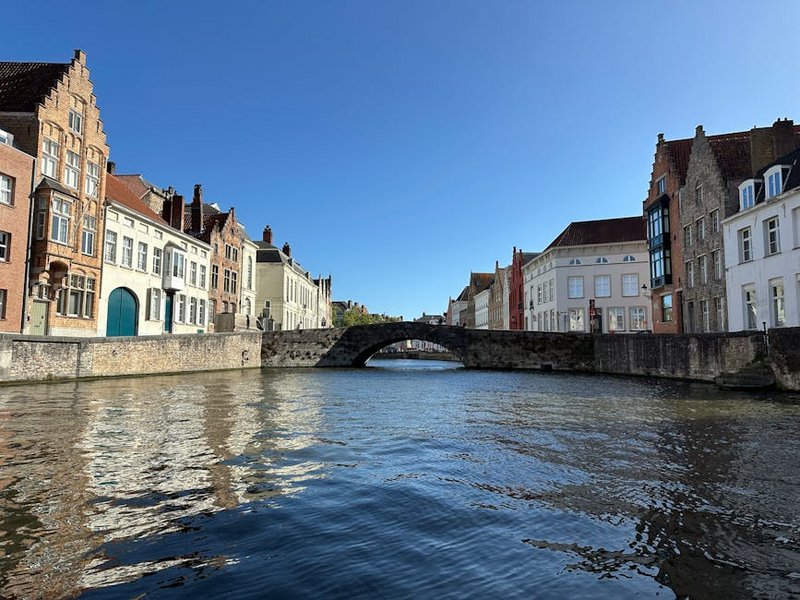
Canal Tour in Bruges: See the City from Its Historic Waterways
Exploring Bruges by boat is the definitive way to experience this UNESCO-listed medieval city. A canal tour in Bruges glides you past postcard-perfect scenery of gabled houses, ancient stone bridges, and tranquil gardens hidden from street view. This guide provides all the practical details—from choosing the best tour operator and time of day to understanding the rich history you’ll float by—to ensure your waterborne adventure is seamless and deeply memorable.
Essential Bruges Canal Information
Often called the “Venice of the North,” Bruges owes its existence and stunning preservation to its intricate network of canals. These waterways were the lifeblood of the city’s medieval trade, connecting it to the North Sea and fostering immense wealth from the cloth trade. Today, they form the scenic backbone of the historic center, offering a unique vantage point you simply cannot get on foot.
The tours are operated by several companies, but all follow a similar, regulated route through the city’s most picturesque quarters. Each boat is captained by a licensed guide who provides commentary, though the depth and language of narration can vary. Tours operate in nearly all weather conditions, with boats featuring cover for rain.
What You Need to Know Before You Go
Understanding a few key details will help you make the most of your boat trip.
- Departure Points: Boats depart from five central docks (Dijver, Groenerei, Katelijnestraat, Nieuwstraat, and Rozenhoedkaai). Rozenhoedkaai offers the most iconic photo backdrop of the Belfry.
- Ticket & Pricing: You purchase tickets directly at the dock. Prices are fixed at around €12 for adults and €7 for children (3-12), payable in cash or card. There is no advantage to booking online for standard tours.
- Tour Logistics: The journey lasts approximately 30 minutes. Boats run from 10:00 AM to 6:00 PM daily, with extended hours in peak summer. Seating is first-come, first-served, so queues can form on sunny weekends.
- Budget Traveler ($50-70/day): The canal tour is a perfect centerpiece. At $13, it’s a major activity. Stay in a hostel, enjoy street food like frites, and use the free museum entry on the first Sunday of the month. Walk everywhere within the compact city center.
- Mid-Range Traveler ($100-150/day): Combine your $13 boat trip with a premium walking tour ($25-30). Book a private room in a boutique B&B, dine at a traditional bistro for mussels, and visit one major museum like the Groeninge. This budget allows for comfort and curated experiences.
- Luxury Traveler ($250+/day): Enhance the standard tour by booking a private evening boat charter (starting around $150 for a small group). Stay in a 5-star hotel like the Hotel de Orangerie, enjoy Michelin-starred dining at Den Gouden Harynck, and arrange a private art historian guide for a deep dive into the city’s Flemish Primitive collections.
- Official Tourism Website of Bruges
- Lonely Planet Travel Guide to Bruges
Key Historical Details You’ll Encounter
As you cruise, your guide will highlight centuries of history. The canals were originally constructed for defense and transportation, with many of the stunning guildhouses you see dating back to Bruges’ 15th-century golden age. You’ll learn how the city’s economic decline after the Zwin channel silted up inadvertently preserved its medieval architecture.
The tour passes by the remarkable Gothic architecture of the Church of Our Lady, home to Michelangelo’s “Madonna and Child” statue. You’ll also glide under low, vaulted bridges and past the secluded Beguinage, a peaceful convent founded in the 13th century. Each bend reveals a new story etched in brick and stone.
Accessibility and Physical Considerations
While a wonderful experience, the boat tours have specific physical requirements. Boarding involves stepping down into a moving vessel, which can be challenging for those with limited mobility. The boats are not wheelchair accessible due to the fixed docks and narrow design.
You’ll also need to duck under several low bridges during the journey. The seating is typically simple wooden benches, so those with back issues may want to plan accordingly. The experience is very safe for children, but life jackets are not typically provided or worn.
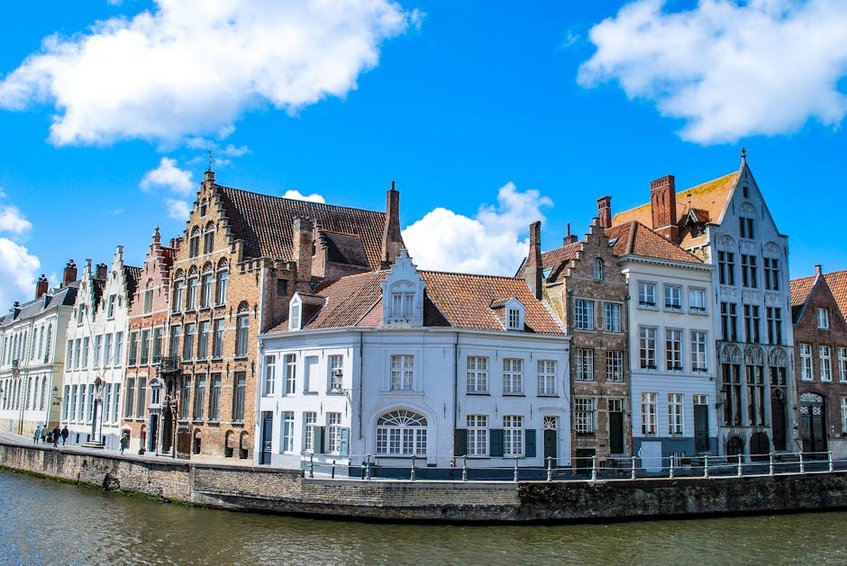
Alt: “bruges-canal-tour-historic-bridges-belfry-view”
Canal Tour in Bruges – Planning Your Trip
Strategic planning transforms a simple boat ride into a highlight of your visit. Aim for a morning departure shortly after 10:00 AM to avoid the longest queues that build by midday, especially from April to October. Late afternoon tours, about two hours before closing, often feature beautiful golden light perfect for photography with fewer crowds.
Your budget should account for the fixed ticket price of €12 (approx. $13 USD). While the tour is affordable, consider combining it with a walking tour to get both water-level and street-level perspectives. No reservation is needed for standard tours, freeing you to be flexible with your daily itinerary around weather and energy levels.
Dress in layers, as it can feel cooler on the water even on a warm day. Have your camera ready, but also take moments to simply absorb the scenery without a lens. The best seats for unobstructed photos are at the front or back of the boat, rather than the middle.
Best Time to Visit for a Canal Tour
Visit Bruges between late April and early June, or September to October, for the ideal canal tour balance. During these shoulder seasons, you’ll find manageable crowds, daytime temperatures of 55-68°F (13-20°C), and vibrant spring blooms or autumnal colors reflecting in the water. The weather is generally mild and pleasant for waiting in line.
Peak summer (July-August) brings warmer weather of 70-75°F (21-24°C) but also the largest crowds and longest queues, sometimes exceeding 45 minutes. Winter tours from November to February offer a magical, misty atmosphere with almost no wait, but bundle up for temperatures of 35-45°F (2-7°C). Some docks may close in icy conditions.
Budget Planning and Tour Costs
Here’s how a canal tour fits into different travel budgets.
Essential Preparation Checklist
Pack a compact umbrella or light rain jacket, as Belgian weather is famously changeable and tours run rain or shine. Wear comfortable shoes with good grip for the potentially wet step into the boat. Ensure your phone or camera is charged, as the photo opportunities are continuous from the moment you embark.
Have small euro bills or a credit card ready for ticket purchase to speed up the transaction. If visiting in high season, plan to visit the docks either early or late to minimize queue time. No advance booking is required, so keep your schedule flexible to accommodate weather or spontaneous decisions.
Top Attractions Seen from the Water
From the unique vantage point of the canals, you’ll witness Bruges’ most famous landmarks and discover secret corners. The tour is designed to showcase the harmonious blend of Gothic and Renaissance architecture that lines the waterways. You gain an appreciation for the city’s scale and layout that is impossible to grasp when walking its winding streets.
Beyond the major sites, you’ll see charming private gardens, ancient weeping willow trees dipping into the water, and picturesque houseboats. This perspective reveals why Bruges has inspired artists for centuries and how the water continues to define its serene character today.
Must-See Highlights Along the Route
The tour inevitably passes the iconic Rozenhoedkaai (Quay of the Rosary), the most photographed spot in Bruges where the Dijver and Groenerei canals meet. Here, you get the classic view of the 13th-century Belfry tower reflected in the water. It’s the perfect introduction to the city’s fairy-tale aesthetic.
You’ll glide directly past the ornate brickwork of the Gruuthuse Palace, a 15th-century mansion that now houses a museum. The Church of Our Lady’s towering spire, the second tallest brick tower in the world, dominates the skyline throughout much of the journey. Guides often pause near the picturesque Bonifacius Bridge and the tranquil Beguinage gardens.
Hidden Gems and Local Favorites
Look for the small “Godhuis” almshouses—charitable homes for the elderly built around quiet courtyards—that face the canals. Their whitewashed facades and peaceful aura offer a glimpse into a quieter, community-focused side of Bruges history. These are easily missed on a walking tour but prominent from the water.
The tour also navigates through the quieter, southern stretches of the Groenerei canal. Here, away from the main squares, you’ll see elegant private residences with beautiful gardens and fewer tourists. Your guide may point out the “Four Winds” mills on the old city ramparts in the distance, marking the historical boundary of the medieval town.
Photography Tips from the Boat
Use a faster shutter speed (1/500s or higher) to combat the boat’s gentle motion and avoid blurry images. Polarizing filters can be highly effective for reducing glare on the water and deepening the blue of the sky, making the brickwork colors pop. Frame your shots to include the graceful arches of the stone bridges as natural frames.
The light is often soft and diffused, which is flattering for architecture. For the best shots, sit at the very front or back of the boat to get an unobstructed forward or rearward view. Be ready to shoot quickly as you approach famous views like the Belfry, as the boat moves at a steady pace and won’t stop for photos.
Practical Travel Information for Bruges
Bruges is exceptionally well-connected and easy to navigate. The city’s compact size means almost everything in the historic center is within a 25-minute walk. For arrivals, Brussels Airport (BRU) is the main international gateway, with direct trains to Bruges taking about 90 minutes. Antwerp and Brussels also have efficient rail links.
Within the city, walking is truly the best mode of transport. Bicycles can be rented for a fun alternative to explore beyond the immediate center. While there are local buses, most visitors never need them. Taxis are available but expensive and cannot access many of the narrow, cobbled streets in the core tourist zone.
| Category | Options/Features | Price Range (USD) |
|---|---|---|
| Budget Accommodation | Hostels & basic B&Bs; shared facilities; central location near Minnewater Park. | $70-110/night |
| Mid-Range Hotels | Boutique 3/4-star hotels; private bath, breakfast included; often in historic buildings. | $150-250/night |
| Luxury Stays | 5-star hotels & chateaus; spa services, fine dining, canal views; concierge. | $300-600+/night |
| Dining (Per Person) | Quick lunch (frites/waffle), mid-range bistro dinner, fine dining tasting menu. | $10, $40-60, $120+ |