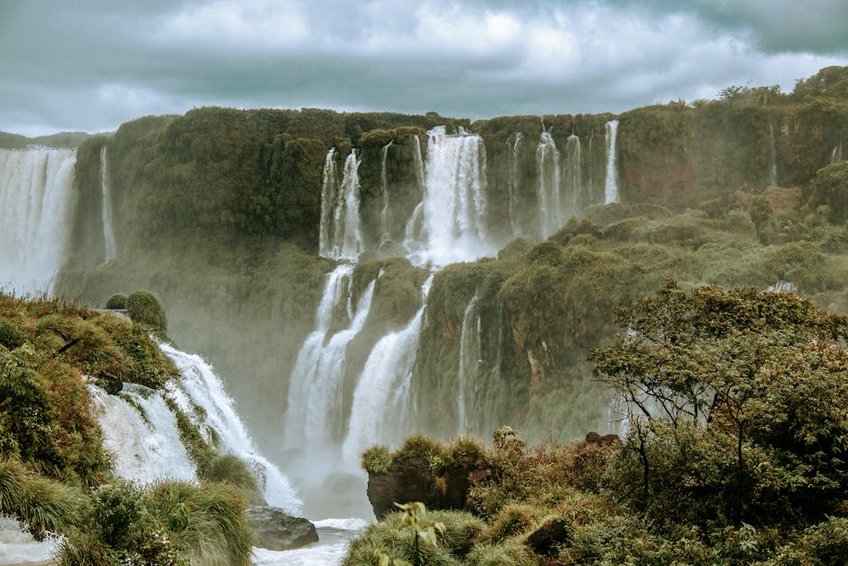
Argentina Iguazu Falls Brazilian Side: Panoramic Views and Adventure
Visiting the Argentina Iguazu Falls Brazilian side provides breathtaking panoramic views of one of the world’s largest waterfall systems. You’ll experience the full scale of the cascades from across the border in Brazil, offering unique photo opportunities and accessible walkways. This guide covers everything from transportation logistics to seasonal timing for your South American adventure.
Essential Iguazu Falls Information
Iguazu Falls straddles the Argentina-Brazil border within a protected UNESCO World Heritage site. The waterfall system comprises 275 individual drops across nearly two miles of riverfront. Its name translates as “Big Water” from the indigenous Guarani language.
The Brazilian side delivers the most comprehensive panoramic vistas of the entire falls complex. You’ll witness the Devil’s Throat cataract from a distance alongside numerous smaller cascades. Well-maintained pathways and viewing platforms accommodate visitors of all mobility levels.
Geographical Location and Access
The falls span the Iguazu River between Argentina’s Misiones Province and Brazil’s Paraná State. Foz do Iguaçu serves as the primary Brazilian gateway city with international airport connections.
- Brazilian side coordinates: 25°41′S 54°26′W within Iguaçu National Park
- Border crossing requirements include valid passport and possible visa depending on nationality
- Park entrance fees approximately $20 USD with additional costs for specialized tours
- Budget travelers spend $50-80 USD daily using hostels, public transport, and self-guided exploration including park fees and basic meals
- Mid-range visitors allocate $100-150 USD for comfortable hotels, guided tours, and restaurant dining with transportation between attractions
- Luxury experiences cost $200-300 USD featuring premium resorts, private guides, helicopter tours, and fine dining establishments
- Iguaçu National Park Official Administration
- Lonely Planet Brazil Travel Guide
Historical Significance and Ecosystem
European exploration began in 1542 with Spanish conquistador Álvar Núñez Cabeza de Vaca’s documentation. The area gained protected status in 1939 through Brazilian presidential decree. Indigenous Guarani communities consider the falls sacred within their cultural traditions.
The surrounding Atlantic rainforest hosts over 2,000 plant species and 400 bird varieties. You might spot coatis, toucans, and butterfly swarms during your visit. Conservation efforts maintain biodiversity while accommodating tourism infrastructure.
Climate Patterns and Weather Considerations
Tropical climate dominates with high humidity year-round and occasional rainfall. Temperatures range from 59°F to 86°F (15°C to 30°C) depending on season. Summer months from December to February bring warmer conditions and potential afternoon thunderstorms.
Winter visits between June and August offer cooler temperatures around 64°F (18°C) average. Shoulder seasons provide balanced weather with fewer crowds at viewing platforms. Always carry rain protection regardless of forecast predictions.
Argentina Iguazu Falls Brazilian Side – Planning Your Trip
Organizing your Argentina Iguazu Falls Brazilian side adventure requires attention to cross-border logistics and seasonal factors. The Brazilian perspective delivers unmatched panoramic photography opportunities across the entire waterfall system. You’ll need approximately two full days to experience both countries’ park sections thoroughly.
Border documentation varies by nationality with visa requirements checking before departure. Currency exchange between Argentine pesos and Brazilian reais simplifies local transactions. Multilingual guides available through certified tour operators enhance the educational experience.
Best Time to Visit Iguazu Falls
Peak season runs from December through February when water volumes reach their maximum flow. Temperatures average 82°F (28°C) with high humidity levels around 80%. Advance bookings become essential during South American summer holidays.
Shoulder months of March-May and September-November provide comfortable 72°F (22°C) conditions with moderate crowds. The waterfalls maintain impressive volume while walking paths feel less congested. Off-season June-August sees cooler 64°F (18°C) weather with possible lower water levels.
Budget Planning and Costs
Daily expenses vary significantly based on accommodation style and tour selections.
Essential Preparation Checklist
Pack quick-dry clothing, waterproof footwear, and multiple moisture-wicking layers for changeable conditions. Bring high-SPF sunscreen, insect repellent, and reusable water bottles for hydration during extended walks. Photography equipment should include polarizing filters and protective cases against mist.
Secure comprehensive travel insurance covering international medical emergencies and activity cancellations. Check passport validity extends six months beyond your planned departure date. Learn basic Portuguese phrases for enhanced interactions with local service providers.

Alt: “iguazu-falls-brazilian-side-panoramic-view-walkway”
Top Attractions and Activities
The Brazilian park section focuses primarily on breathtaking panoramic overlooks across the entire falls system. Well-designed pathways require minimal physical effort while delivering maximum visual impact. You’ll capture photographs encompassing multiple cascades simultaneously from strategic viewpoints.
Adventure activities include helicopter tours departing from nearby Foz do Iguaçu airport. Boat rides approach the base of certain waterfalls for immersive mist experiences. Bird park visits complement the natural wonder with exotic species presentations.
Must-See Highlights
Start with the main walking trail providing continuous panoramic views across the falls. The path extends approximately 1,200 meters with minimal elevation changes suitable for all ages. You’ll encounter multiple designated photography spots along the entire route.
Devil’s Throat observation platforms deliver the most dramatic perspective on the Brazilian side. This horseshoe-shaped cataract generates constant mist clouds visible from kilometers away. Morning visits typically provide better lighting conditions with fewer crowds.
The elevator access to upper viewpoints accommodates visitors with mobility challenges. This convenient alternative reaches the same spectacular vistas as the staircases. Combine both walking and elevator options for comprehensive visual experiences.
Hidden Gems and Local Favorites
Macuco Safari boat tour takes you beneath the waterfalls for exhilarating soaking experiences. This operator has conducted tours for decades with excellent safety records. Booking directly through their website often provides small discounts.
Poço Preto trail offers secondary walking routes through lush rainforest environments. You’ll encounter quieter waterfalls and potential wildlife sightings away from main tourist paths. Guided ecological tours provide educational context about local flora and fauna.
Adventure and Specialty Tours
Helicopter flights deliver aerial perspectives spanning both countries’ territories. Operators maintain strict safety protocols with multiple daily departure options. Fifteen-minute tours cost approximately $150 USD per person with group discounts available.
Bird Park admission includes access to aviaries housing toucans, macaws, and other regional species. The facility focuses on conservation and education through interactive exhibits. Combine this visit with your falls exploration for full natural immersion.
Practical Travel Information
Foz do Iguaçu International Airport (IGU) receives flights from major South American hubs and limited international routes. Ground transportation options include taxis, ride-sharing services, and hotel shuttles. The urban infrastructure supports tourism with multiple accommodation categories.
Border crossing procedures between Brazil and Argentina require proper documentation and potential visa arrangements. Day trips typically involve straightforward processes with tour operator assistance. Independent travelers should verify current regulations before attempting crossings.
| Accommodation Type | Features and Locations | Price Range (USD) |
|---|---|---|
| Budget Hostels | Dormitory rooms, shared facilities, central Foz do Iguaçu locations | $15-30 nightly |
| Mid-Range Hotels | Private rooms, swimming pools, airport transfers included | $60-120 nightly |
| Luxury Resorts | Spa services, gourmet dining, private falls viewing areas | $180-350 nightly |
| Eco-Lodges | Sustainable design, guided nature activities, park proximity | $90-160 nightly |