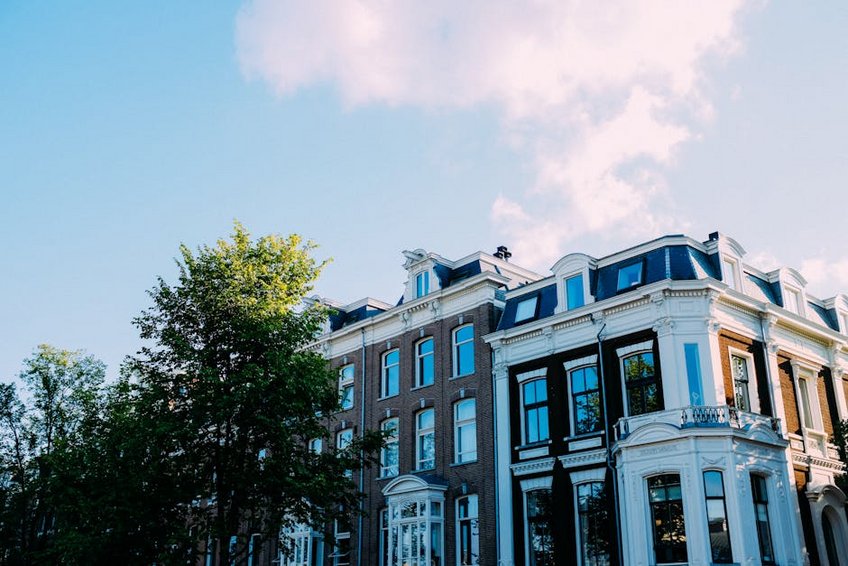
Amsterdam Travel Guide: Navigate Canals and Culture
Amsterdam masterfully blends historic charm with modern energy across its iconic canal ring and diverse neighborhoods. This Amsterdam travel guide provides the essential planning framework for exploring world-class museums, picturesque waterways, and a uniquely tolerant urban culture. You’ll discover practical advice on timing your visit, navigating transport, and experiencing authentic Dutch life beyond the postcard scenes.
Essential Amsterdam Information
Founded as a fishing village in the late 12th century, Amsterdam’s wealth blossomed during the Dutch Golden Age of the 17th century. That prosperous era funded the construction of the UNESCO-listed Canal Ring and left a legacy of trade, art, and tolerance. The city’s official name is the Municipality of Amsterdam, and it serves as the constitutional capital of the Netherlands, though the government sits in The Hague.
Today, the city is a major European hub known for its progressive values, cycling culture, and stunning architectural consistency. English proficiency is exceptionally high, making navigation straightforward for international visitors. The city operates on Central European Time (CET) and uses the Euro (€) as currency.
City Layout and Key Districts
Understanding Amsterdam’s layout is the first step to efficient exploration. The city center is defined by the concentric canals of the Grachtengordel.
- Canal Ring (Grachtengordel): The historic heart, a UNESCO World Heritage site encompassing the main canals—Herengracht, Keizersgracht, and Prinsengracht. This area is dense with museums, upscale shopping, and classic canal-house architecture.
- Jordaan: A former working-class neighborhood west of the center, now a picturesque area of narrow streets, indie boutiques, cozy cafes, and art galleries. It offers a more local, residential feel.
- De Pijp: Located south of the center, this vibrant, multicultural district is home to the Albert Cuyp Market, diverse eateries, and the serene Sarphatipark. It’s a favorite for foodies and younger crowds.
- Oost (East): A rapidly developing area featuring the Dappermarkt, the expansive Oosterpark, and major cultural sites like the Tropenmuseum. It’s less touristy and offers great value.
- Budget Traveler ($80-120/day): Stay in a hostel dorm, cook some meals, use a bike rental ($10-15/day) or a multi-day GVB transit pass, enjoy free walking tours, and visit free attractions like the Begijnhof. Prioritize one major museum using a discount card.
- Mid-Range Traveler ($150-250/day): Book a private room in a budget hotel or B&B, eat at casual cafes and ethnic restaurants, buy an I amsterdam City Card for museum access, take a paid canal cruise, and enjoy a few drinks at a traditional brown cafe.
- Luxury Traveler ($350+/day): Stay at a 4-5 star canal-house hotel, dine at renowned restaurants like Rijks or De Kas, book private guided tours, enjoy premium concert tickets at the Concertgebouw, and hire a private boat for a personalized canal tour.
- I amsterdam Official Visitor Portal
- GVB Public Transport
Weather and Climate Overview
Amsterdam has a maritime climate characterized by mild winters, cool summers, and rainfall distributed throughout the year. Winters (December-February) see average highs of 42°F (6°C) and lows around 34°F (1°C), with occasional frost and rare snow. Always pack a waterproof jacket and layers.
Spring (March-May) brings blooming tulips and increasing sunshine, with temperatures rising from 50°F (10°C) to 64°F (18°C). Summer (June-August) is peak season, with pleasant averages of 66-70°F (19-21°C), though it can be crowded. Autumn (September-November) features crisp air and beautiful fall foliage, with temperatures cooling from 63°F (17°C) to 48°F (9°C).
Local Customs and Etiquette
Dutch culture values directness, practicality, and equality. Don’t misinterpret straightforward communication as rudeness; it’s a sign of respect and efficiency. Tipping is not obligatory as service charges are usually included, but rounding up the bill or leaving 5-10% for exceptional service is appreciated.
Cyclists have absolute right of way on dedicated paths. Never walk in a bike lane—look both ways before crossing. A simple “Dank u wel” (thank you) or “Hallo” goes a long way, though nearly everyone speaks fluent English.
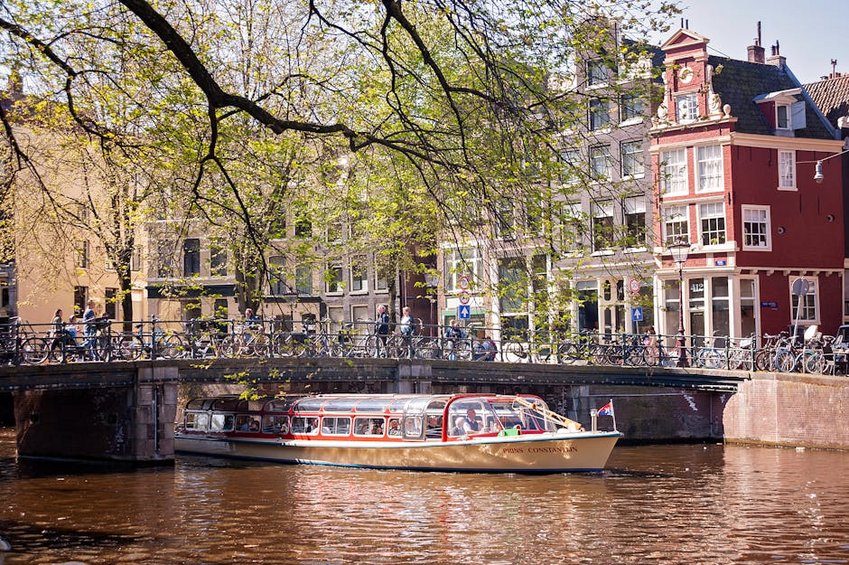
Alt: “amsterdam-canal-ring-historic-bridges-houseboats-sunny-day”
Amsterdam Travel Guide – Planning Your Trip
Effective planning transforms a good visit into a great one. Your Amsterdam travel guide strategy should balance advance bookings for major attractions with ample time for spontaneous canal-side wandering. Purchase an I amsterdam City Card or a multi-day public transport pass if you plan intensive museum visits, as these offer significant savings on entry fees and unlimited travel.
Accommodation books up quickly, especially during summer and festival periods. Reserve your hotel or apartment at least three months in advance for the best rates and locations. Consider staying slightly outside the Centrum in neighborhoods like De Pijp or Oost for better value and a more local atmosphere.
Build a flexible itinerary that groups sights by geographic area to minimize backtracking. For instance, pair the Rijksmuseum and Van Gogh Museum in the Museumplein one day, and explore the Canal Ring and Jordaan on foot another day.
Best Time to Visit Amsterdam
Late April through early June is arguably the ideal time. You’ll experience mild weather (55-68°F / 13-20°C), the world-famous Keukenhof tulip gardens (late March to mid-May), and longer daylight hours before the peak summer crowds arrive. King’s Day on April 27 is a massive, city-wide orange-colored festival.
September offers similar advantages: pleasant temperatures (59-68°F / 15-20°C), fewer tourists, and cultural events reopening after the summer. The winter months (November-February) are cold and dark but magical with festive lights, Christmas markets, and the chance to ice skate on frozen canals if conditions allow.
Budget Planning and Costs
Amsterdam is a pricey destination, but costs can be managed with planning.
Essential Preparation Checklist
Pack versatile clothing suitable for layers, a sturdy pair of walking shoes, and a high-quality rain jacket or compact umbrella. A European plug adapter (Type C/F) is required for charging devices. Ensure your passport is valid for at least three months beyond your planned departure date from the Schengen Area.
Purchase comprehensive travel insurance that covers medical emergencies and trip cancellation. Book time-slot tickets online for the Anne Frank House, Van Gogh Museum, and Rijksmuseum weeks in advance. Download essential apps: the official GVB app for public transport, Google Maps for navigation, and Thuisbezorgd for food delivery.
Top Attractions and Cultural Experiences
Amsterdam’s cultural offerings are incredibly dense and world-class. Beyond the famous museums, the city’s charm lies in its everyday scenes: cyclists crossing bridges, houseboats bobbing gently, and the quiet courtyards hidden behind unassuming doors. Allocate time for both scheduled sightseeing and aimless exploration.
The Museumplein is your cultural epicenter, home to three major institutions. Each requires at least two to three hours for a meaningful visit. Spread them out over different days to avoid “museum fatigue” and to appreciate the contrasting green space of the adjacent Vondelpark.
Must-See Museums and Historic Sites
The Rijksmuseum is the national treasury of Dutch art and history. Focus on the Gallery of Honour to see Rembrandt’s The Night Watch and Vermeer’s The Milkmaid. Pre-book a timed ticket (€22.50) to skip long queues. The Van Gogh Museum holds the world’s largest collection of the artist’s works, beautifully curated to tell his tragic story. Book online (€20) as tickets sell out daily.
The Anne Frank House is a profoundly moving historical experience. Walking through the secret annex where she hid is unforgettable. Online tickets (€16) are released six weeks in advance and sell out within hours—set a reminder. The Stedelijk Museum, also on the Museumplein, is a premier destination for modern and contemporary art lovers.
Hidden Gems and Local Favorites
Escape the crowds at the Begijnhof, a serene 14th-century courtyard and one of the oldest inner courts in Amsterdam. Enter quietly through the wooden door off the Spui. For a unique perspective, visit the Museum Het Schip in the Spaarndammerbuurt, an architectural museum dedicated to the Amsterdam School and housed in a spectacular expressionist housing complex.
Explore the NDSM-werf in Amsterdam Noord, a former shipyard transformed into a giant open-air street art gallery and creative hub. Take the free ferry behind Central Station to get there. The Hortus Botanicus, one of the oldest botanical gardens in the world, offers a peaceful retreat with thousands of plant species, including a monumental three-century-old Eastern Cape giant cycad.
Canal Cruise Insights and Alternatives
A canal cruise is a classic for good reason—it’s the best way to appreciate the city’s engineering and architecture. Opt for a smaller, open-boat tour from companies like Those Dam Boat Guys or Pure Boats for a more intimate experience. Standard large-boat tours cost around €16-20 for a one-hour loop.
For a more active alternative, rent a pedal boat (“canal bike”) to navigate the waterways at your own pace. Alternatively, explore Amsterdam like a local by taking a ferry—they are free and part of the public transport network. The ferry to Buiksloterweg provides a stunning short crossing with a classic postcard view of Central Station.
Practical Travel Information and Logistics
Amsterdam’s infrastructure is efficient and traveler-friendly. Schiphol Airport (AMS) is a major international hub with excellent train connections to Central Station (15-20 minutes, €5.70). The city’s public transport (GVB) includes trams, buses, metros, and ferries. An OV-chipkaart is the universal payment method, but visitors often find multi-day travel cards more convenient.
Taxis are expensive; use the tram network or walk for short distances in the compact center. Cycling is the quintessential Amsterdam experience. Reputable rental shops like Black Bikes or MacBike offer well-maintained bicycles for around €10-15 per day, including a lock. Always lock your bike to a fixed object through both the frame and wheel.
| Accommodation Type | Best For & Features | Average Price Range/Night (USD) |
|---|---|---|
| Hostel | Solo travelers & budget groups; social atmosphere, shared dorms, basic kitchen | $35 – $70 |
| Budget Hotel/B&B | Couples & small families; private rooms, often central location, simple breakfast | $120 – $220 |
| Mid-Range Hotel | Most travelers; modern amenities, better locations (Canal Ring, De Pijp), on-site restaurant | $220 – $350 |
| Luxury Hotel/Apartment | Splurge & special occasions; historic canal houses, spa facilities, prime views, concierge | $400+ |