Complete Alaska Fairbanks Northern Lights Season Adventure 5

Alaska Fairbanks Northern Lights Season: Your Complete Viewing Guide

The Alaska Fairbanks Northern Lights season delivers consistent aurora displays under the Auroral Oval. Viewing windows span from late August to mid-April with peak activity. This guide details timing, locations, and practical tips for your Arctic adventure.

Essential Information About Fairbanks Northern Lights

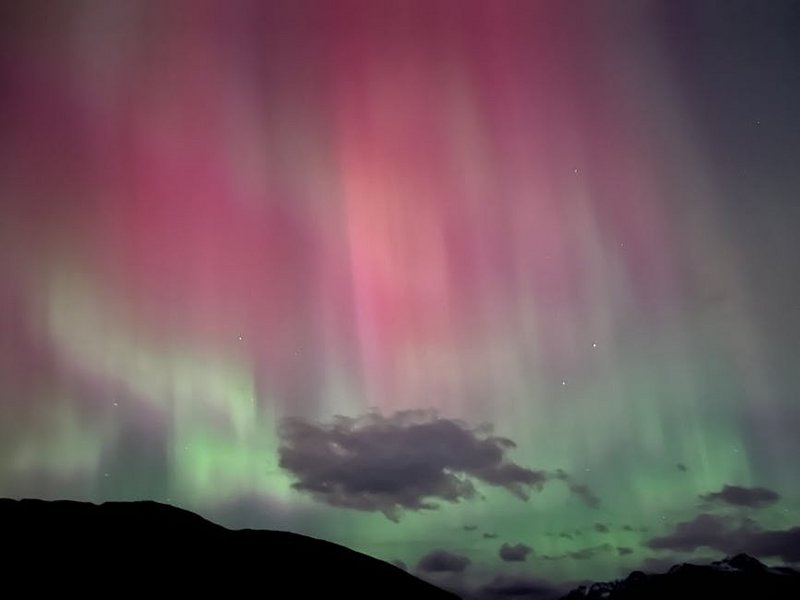
Fairbanks ranks among the top global destinations for Aurora Borealis sightings. Its position maximizes frequency of vibrant green and purple hues. Solar activity cycles significantly influence visibility and intensity each winter.

Understanding space weather forecasts improves your viewing success rates. The geomagnetic storms create these breathtaking natural light shows. Local indigenous cultures hold deep reverence for the celestial phenomena.

What Makes Fairbanks Ideal for Aurora Viewing

Fairbanks offers unique geographic advantages for Northern Lights chasers.

  • Location directly under the Auroral Oval increases aurora probability and brilliance.
  • Minimal light pollution in surrounding wilderness areas ensures darker skies.
  • Clear, cold winter nights provide optimal atmospheric conditions for visibility.
  • Solar Cycles and Aurora Activity

    Solar maximum periods enhance aurora strength and frequency. We are currently in an elevated solar activity phase. Check KP index forecasts for real-time viewing predictions.

    Geomagnetic storms can push auroras further south unexpectedly. These events create particularly vivid and dynamic displays. Apps like My Aurora Forecast provide timely alerts.

    Historical Context and Cultural Significance

    Alaska Native stories describe the lights as spirits or ancestors. Scientific explanation involves solar particles colliding with Earth’s magnetosphere. This blend of myth and science enriches the experience.

    Modern Fairbanks celebrates this heritage through cultural centers. The Morris Thompson Center offers extensive educational exhibits. Respectful observation honors these longstanding traditions.

    Planning Your Alaska Fairbanks Northern Lights Season

    Strategic planning ensures a successful Alaska Fairbanks Northern Lights season excursion. Book key elements several months ahead for September through March visits. Flexibility with dates accommodates variable weather and solar activity.

    Your itinerary should balance guided tours with self-exploration options. Allocate sufficient nights for multiple aurora viewing attempts. Patience remains essential as nature operates on its own schedule.

    Best Time to Visit Fairbanks for Northern Lights

    Peak viewing occurs from September to March with darkest skies. February and March offer longer nights and slightly warmer temperatures. Solar activity typically increases around equinoxes in September and March.

    Temperatures range from 20°F to -20°F (-7°C to -29°C). Dress in layers with insulated outerwear for extended viewing. Shoulder seasons see fewer crowds but more variable weather.

    Budget Planning and Costs

    Northern Lights trips vary widely based on comfort and included activities.

    1. Budget option: Costs $1,500-$2,000 per person. Includes hostel stays, rental car for self-viewing, and economy flights. Save by preparing meals and using free public viewing areas.
    2. Mid-range option: Costs $2,500-$3,500 per person. Features hotel packages with aurora wake-up calls and guided group tours. Best value for balanced comfort and curated experiences.
    3. Luxury option: Costs $4,000-$5,000 per person. Offers all-inclusive lodges, private guided tours, and photography workshops. Premium features include heated viewing cabins and gourmet dining.
    4. Essential Preparation Checklist

      Pack thermal base layers, insulated boots, and chemical hand warmers. Bring camera gear with tripods, extra batteries, and remote shutters. Reserve flights and accommodations three to six months in advance.

      Obtain travel insurance covering winter sports and trip cancellations. Check visa requirements for international travelers to the United States. Download offline maps and aurora forecasting applications before arrival.
      Alaska Fairbanks Northern Lights Season

      Top Viewing Spots and Activities

      Fairbanks provides diverse locations for optimal aurora photography and observation. Elevated sites outside city limits reduce light pollution interference. Combine viewing with unique Arctic winter activities for full immersion.

      Guided tours enhance safety and provide expert local knowledge. Self-drive options offer flexibility but require winter driving confidence. Always check road conditions and aurora forecasts before departing.

      Must-See Highlights for Aurora Viewing

      Cleary Summit sits just 20 miles from Fairbanks with panoramic views. Chena Hot Springs Resort combines aurora watching with natural geothermal pools. Murphy Dome offers high elevation perspectives minimal artificial light.

      These locations feature dedicated parking and sometimes heated shelters. Arrive early to secure optimal positioning for photography. Tour operators frequently use these sites for group viewings.

      Hidden Gems and Local Favorites

      Ester Dome and Wickersham Dome attract knowledgeable locals for solitude. Access requires four-wheel drive vehicles on unplowed winter roads. These spots deliver authentic experiences away from tourist groups.

      Smaller lakes like Ballaine Lake provide reflective water surfaces. The reflections double the aurora’s visual impact in photographs. Always respect private property and leave no trace.

      Winter Activities Beyond Aurora Watching

      Dog sledding tours operate throughout the winter daylight hours. Ice fishing on local lakes offers cultural immersion and fresh catches. Snowshoeing and cross-country skiing explore quiet boreal forests.

      Combine these activities with evening aurora chasing for full days. Many tour operators offer package deals for multiple experiences. This maximizes your Arctic adventure beyond nighttime viewing.

      Practical Travel Information

      Fairbanks International Airport (FAI) serves as the primary gateway. Direct flights connect from Seattle and Anchorage with seasonal variations. Winter travel demands preparedness for extreme cold and potential delays.

      Rental cars provide independence but require winter driving experience. Alternative transport includes taxis, rideshares, and hotel shuttles. Bundle services when booking tours and accommodations.

      Getting There and Around

      Fly into Fairbanks International Airport (FAI) from Seattle or Anchorage. Flight duration is approximately 3.5 hours from Seattle International Airport. From Anchorage, it’s a one-hour flight or six-hour scenic drive.

      Rental cars are essential for remote viewing site access. Choose vehicles with four-wheel drive and winter tire packages. Local bus service is limited, especially during late-night aurora hours.

      Where to Stay

      Downtown Fairbanks offers easy access to restaurants and shops. Recommended hotels include Pike’s Waterfront Lodge and SpringHill Suites. These properties often provide aurora wake-up call services.

      Remote lodges like Chena Hot Springs Resort offer immersive experiences. Book accommodations with viewing decks or nearby dark sky areas. Reserve at least three months ahead for December through February stays.

      Alaska Fairbanks Northern Lights Season

      Food, Culture, and Local Experience

      Fairbanks cuisine highlights fresh Alaskan seafood and game meats. Cultural experiences blend indigenous heritage with frontier history. Winter festivals and events add community warmth to cold nights.

      Local restaurants source ingredients from surrounding waters and forests. Dining options range from casual eateries to upscale establishments. Embrace the opportunity to try authentic regional specialties.

      Local Cuisine and Must-Try Dishes

      Sample Alaska king crab legs and halibut at seafood restaurants. Reindeer sausage appears on breakfast menus throughout the city. Wild berry desserts showcase lingonberries and blueberries.

      The Pump House and Lavelle’s Bistro serve excellent local fare. Entree prices range from $15 to $50 depending on establishment. Many venues accommodate dietary preferences like vegetarian or gluten-free.

      Cultural Tips and Etiquette

      Dress appropriately for the cold to show respect for the environment. Tipping 15-20% is standard in restaurants and for tour guides. Greet locals politely and respect personal space in small communities.

      Learn simple phrases like “thank you” in indigenous languages. Visit the University of Alaska Museum of the North for insights. Avoid sensitive topics like resource extraction in casual conversation.

      Winter Festivals and Events

      The World Ice Art Championships occur in February and March. Fairbanks Winter Solstice Celebration features bonfires and community gatherings. These events provide daytime activities during shorter daylight hours.

      Festivals enhance your trip beyond aurora viewing alone. Check local event calendars when planning your travel dates. Participate respectfully and support local artisans and performers.

      Sources and References

      • Explore Fairbanks Official Tourism Authority
      • University of Alaska Geophysical Institute Aurora Forecast
      • Frequently Asked Questions

        When is the best time to visit Fairbanks for Northern Lights?

        Visit between September and March for reliable aurora viewing with peak months in February and March. These periods offer the darkest skies and highest solar activity probabilities. Temperatures range from 10°F to -20°F (-12°C to -29°C) requiring proper cold-weather gear.

        How much does a Northern Lights trip to Fairbanks cost?

        A Northern Lights trip costs $1,500-$5,000 per person depending on travel style and duration. Budget trips average $1,500-$2,000 with basic accommodations and self-guided viewing. Luxury packages reach $4,000-$5,000 including all-inclusive lodges and private guided experiences.

        How many days do you need for Northern Lights in Fairbanks?

        Plan 4-7 days to maximize aurora viewing opportunities across multiple nights. This duration accounts for potential cloudy evenings and variable solar activity. It also allows time for daytime winter activities and acclimation to Arctic conditions.

        How do you get to Fairbanks for Northern Lights?

        Fly into Fairbanks International Airport (FAI) with direct flights from Seattle or connections through Anchorage. From Seattle, flight time is approximately 3.5 hours; from Anchorage, it’s one hour by air. Rental cars are recommended for transportation to viewing sites outside the city.

        Where should you stay for Northern Lights in Fairbanks?

        Stay in downtown Fairbanks for convenience or near Cleary Summit for darker skies. Properties like Pike’s Waterfront Lodge offer aurora wake-up calls and viewing amenities. Remote lodges provide secluded experiences but require longer drives to other attractions.

        Is Fairbanks safe for travelers during Northern Lights season?

        Yes, Fairbanks maintains low crime rates and welcomes winter visitors with standard safety precautions. Exercise caution when driving on icy roads and walking in extreme cold. Dress in layers to prevent frostbite during extended outdoor viewing sessions.

        Do you need special preparation for Northern Lights viewing in Fairbanks?

        Yes, pack thermal clothing, camera equipment with tripods, and winter travel insurance. Book tours and accommodations months in advance, especially for peak season visits. Monitor aurora forecasts and maintain flexible plans to adapt to weather changes.

        Final Thoughts on Your Aurora Adventure

        Fairbanks delivers predictable aurora displays through unique geographic positioning and dark winter nights. Your Alaska Fairbanks Northern Lights season succeeds with advance bookings between September and March, proper sub-zero gear, and patience for nature’s schedule. Which Arctic activity—dog sledding, ice fishing, or hot springs—will complement your celestial observations?

        Related Stories

        spot_img

        Discover

        Top Chile Atacama Desert Bloom Journey 10 Tips

        Chile Atacama Desert Bloom: Witness the Driest Place on Earth Come Alive Experiencing the Chile...

        Essential Arizona Cactus Bloom Season Experience 10 Tips

        Arizona Cactus Bloom Season: Your Guide to the Desert's Colorful Show The Arizona cactus bloom...

        Essential California Poppy Super Bloom Journey 10 Tips

        California Poppy Super Bloom: Your Ultimate Guide to Witnessing Nature's Orange Spectacle The California poppy...

        Perfect American Southwest Desert Wildflowers Adventure 12

        American Southwest Desert Wildflowers: Your Guide to the Seasonal Spectacle Witnessing the American Southwest desert...

        Complete China Luoyang Peony Festival Experience 12 Tips

        Luoyang Peony Festival: China's Spring Bloom Spectacle The annual Luoyang Peony Festival transforms this ancient...

        South Korea Jinhae Cherry Blossom Festival: 3 Essential

        South Korea Jinhae Cherry Blossom Festival: Your Guide to the Pink Canopy The South Korea...

        Popular Categories

        Comments

        LEAVE A REPLY

        Please enter your comment!
        Please enter your name here

      Category Options/Features Price Range (USD)
      Accommodation Hotels, lodges, cabins with aurora viewing packages and wake-up calls $100-$300 per night
      Aurora Tours Guided group tours, private photography workshops, heated cabin viewings $100-$250 per person
      Winter Transportation Rental cars (4WD recommended), taxis, shuttle services, tour transport $50-$150 per day
      Dining & Food Local restaurants, cafes, grocery stores, and meal packages $20-$50 per meal