Abu Dhabi Travel Guide: Discover the Capital’s Modern Marvels and Cultural Heart
This Abu Dhabi travel guide provides the essential information for exploring the UAE’s sophisticated capital, a city that masterfully blends ultramodern architecture with deep-rooted Arabian heritage. Beyond the iconic skyline, you’ll find serene corniches, expansive desert dunes, and cultural institutions preserving the region’s history. Your visit offers a balanced experience of world-class entertainment, culinary diversity, and authentic Emirati traditions, all under a sun-drenched sky for most of the year.
Essential Abu Dhabi Information
Abu Dhabi is the largest of the seven emirates and the federal capital of the United Arab Emirates, situated on a T-shaped island extending into the Arabian Gulf. The city’s modern foundation dates to the late 18th century with the Bani Yas tribe, but its rapid transformation began after the discovery of oil in 1958. Today, it functions as the nation’s administrative and political center, with a more reserved and cultural atmosphere compared to its neighbor, Dubai.
The official currency is the UAE Dirham (AED), which is pegged to the US Dollar at approximately 3.67 AED to 1 USD. Credit cards are widely accepted everywhere, from luxury malls to traditional souks. For Western travelers, Abu Dhabi maintains a high standard of safety and offers excellent infrastructure, with English commonly spoken in all tourist and business areas, making navigation straightforward.
Visa and Entry Requirements
Understanding entry protocols is crucial for a smooth arrival. Most visitors can obtain a visa on arrival or an eVisa.
- Citizens from the US, UK, EU, Canada, and Australia receive a free 30-day visit visa stamp upon arrival at Abu Dhabi International Airport (AUH). Ensure your passport is valid for at least six months from your arrival date.
- For longer stays or other nationalities, you must apply for a tourist eVisa online before travel through the official UAE government portals. Processing typically takes 2-5 business days and costs around $80-$100 USD.
- All visitors must have comprehensive travel medical insurance that covers COVID-19, as it is a mandatory requirement for entry. Proof of insurance may be requested by immigration officials.
- Budget Traveler ($80-$120 USD/day): Stay in budget hotels or hostels in the city center, use public buses, eat at local cafeterias and food courts, and focus on free attractions like the Corniche and heritage sites. A desert safari group tour would be your main splurge.
- Mid-Range Traveler ($180-$300 USD/day): This allows for a 4-star beachfront hotel, taxi transport between districts, dining at a mix of mid-range and occasional high-end restaurants, and entry tickets to major paid attractions like Louvre Abu Dhabi and Ferrari World.
- Luxury Traveler ($450-$800+ USD/day): Enjoy 5-star palace hotels (e.g., Emirates Palace), private guided tours, fine dining at award-winning restaurants, VIP desert safari experiences, and perhaps a spa day at a renowned wellness center.
- Department of Culture and Tourism – Abu Dhabi
- Lonely Planet Abu Dhabi Travel Guide
Weather and Climate Overview
Abu Dhabi has an arid desert climate characterized by two main seasons: extremely hot summers and mild, pleasant winters. Summer, from May to September, sees average high temperatures soaring between 104°F and 115°F (40°C-46°C) with intense humidity, especially near the coast. Outdoor activities are limited during daytime hours in this period.
The ideal visiting season is winter, from November to March. During these months, daytime temperatures range from a comfortable 75°F to 82°F (24°C-28°C), while nights can cool to around 57°F (14°C). This period offers perfect conditions for desert safaris, beach time, and exploring outdoor attractions with clear, sunny skies.
Cultural Norms and Dress Code
While Abu Dhabi is cosmopolitan, it respects Islamic traditions. Public behavior should be modest. Displaying affection in public is frowned upon, and swearing or rude gestures can lead to legal consequences. During the holy month of Ramadan, eating, drinking, or smoking in public during daylight hours is prohibited by law.
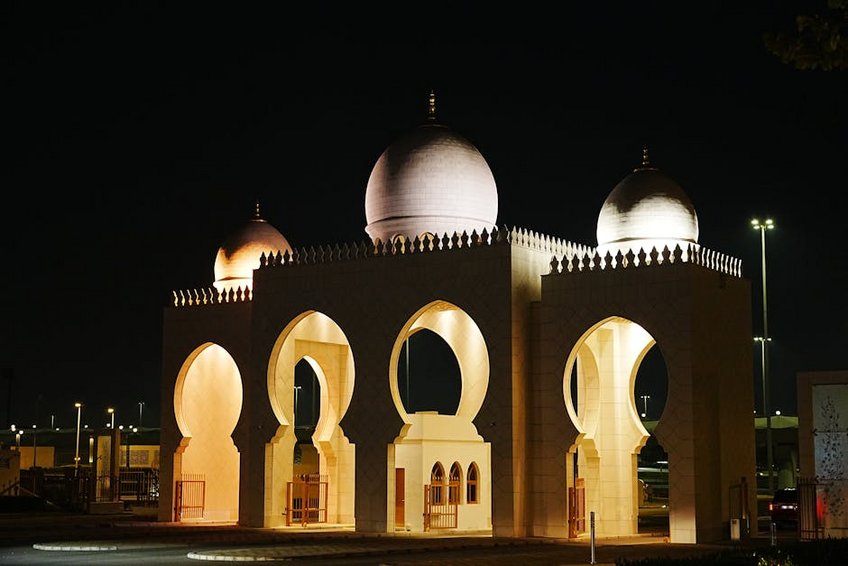
Dress code is generally liberal in hotels, resorts, and on hotel beaches, but modest attire is required when visiting public places, malls, and especially religious sites. For men and women, clothing should cover shoulders and knees. When visiting the Sheikh Zayed Grand Mosque, women must wear an abaya (provided free at the entrance) and cover their hair.
Alt: “abu-dhabi-skyline-sheikh-zayed-grand-mosque-modern-architecture”
Abu Dhabi Travel Guide – Planning Your Trip
Effective planning for the capital requires aligning your activities with the season and your interests. A well-structured itinerary balances iconic landmarks, cultural immersion, and leisure. Winter months demand advance bookings for hotels and popular tours, while summer visits can offer significant discounts on luxury accommodations.
Budget considerations vary widely. You can experience the city comfortably on a mid-range budget, as many grand attractions like the Grand Mosque and Corniche beaches are free to visit. Allocate funds for unique experiences like a desert safari or a visit to the Louvre Abu Dhabi, which are well worth the cost. Transportation is affordable via taxis, which are metered and reliable.
Your Abu Dhabi travel guide itinerary should account for the city’s spread-out geography. Major attractions are not within walking distance of each other. Group visits by geographical zone—for example, the Cultural District on Saadiyat Island one day, and the Grand Mosque and Emirates Palace area the next—to minimize travel time.
Best Time to Visit Abu Dhabi
The peak tourist season runs from November to March, coinciding with the perfect winter climate. This is the best time for all outdoor activities, from desert camping to city strolls. Hotel prices are at their highest, particularly around major events like the Formula 1 Etihad Airways Abu Dhabi Grand Prix in November or the Abu Dhabi Festival in March. Book flights and hotels at least three months in advance for this period.
Shoulder months like April and October still offer warm, swimmable sea temperatures around 82°F (28°C) and tolerable heat, with fewer crowds. The summer months from June to August present a challenge with extreme heat, but they offer the advantage of deeply discounted luxury hotel rates, often 50-60% lower, and air-conditioned indoor attractions remain fully operational.
Budget Planning and Costs
Daily costs can be tailored to different travel styles, excluding international flights.
Essential Preparation Checklist
Pack lightweight, loose-fitting clothing made from natural fibers like cotton and linen for the heat, but include a light sweater or jacket for air-conditioned malls and cooler winter evenings. Sun protection is non-negotiable: bring high-SPF sunscreen, a wide-brimmed hat, and UV-protection sunglasses. Comfortable walking shoes are essential for exploring large museum complexes and marble mosque courtyards.
Ensure you have valid travel insurance covering medical emergencies. While not mandatory for visa-on-arrival nationalities, it is highly recommended. Download useful apps like ‘Abu Dhabi Police’ for emergency services, ‘Careem’ or ‘Uber’ for ride-hailing, and ‘The Entertainer’ for dining and attraction discounts. Inform your bank of your travel plans to avoid card blocks.
Top Attractions and Iconic Experiences
Abu Dhabi’s landmarks showcase its ambition and cultural reverence. The architectural splendor of its modern sites is matched by the preservation of its natural and historical environments. From record-breaking theme parks to tranquil mangrove forests, the emirate offers a diverse portfolio of experiences that cater to thrill-seekers, art lovers, and families alike.
Many major attractions are located on dedicated islands or districts, making them destinations in themselves. Planning a full day for Yas Island or Saadiyat Island is more efficient than trying to combine them with other areas. Purchasing multi-park passes or city tourist cards can provide significant savings if you plan to visit several ticketed sites.
Must-See Cultural Highlights
The Sheikh Zayed Grand Mosque is the city’s undisputed crown jewel. This architectural masterpiece features 82 domes, over 1,000 columns, the world’s largest hand-knotted carpet, and crystal chandeliers. Admission is free, but modest dress is strictly enforced. Visit in the late afternoon to see the white marble change color with the setting sun.
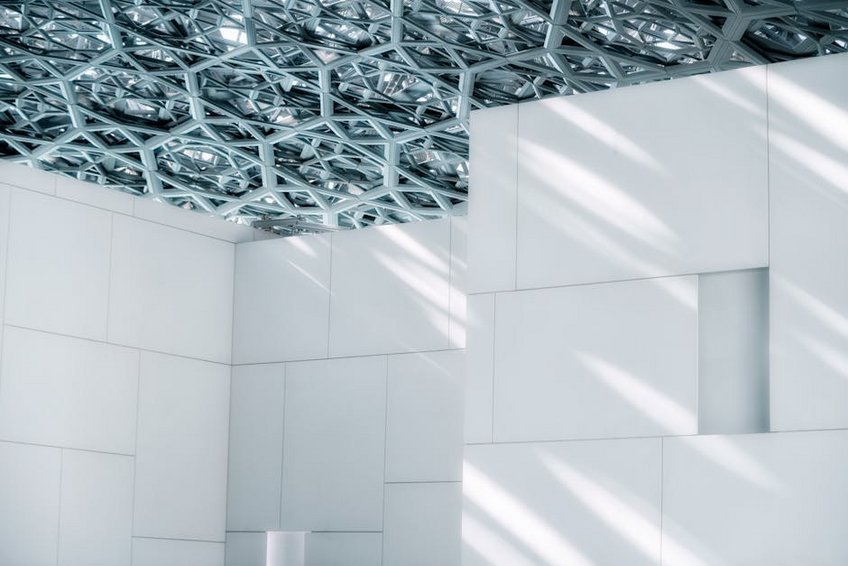
The Louvre Abu Dhabi on Saadiyat Island is not merely an outpost of the Parisian museum but a groundbreaking institution of its own. Its iconic floating dome creates a mesmerizing “rain of light” effect. The collection presents a narrative of universal human history, with artworks and artifacts from across civilizations. Allow at least 3-4 hours for a proper visit.
Qasr Al Watan is more than a presidential palace; it’s a working institution and a monument to Arabian knowledge and governance. Visitors can explore the grandiose halls, the vast library, and see exquisite craftsmanship. The nightly “Palace in Motion” light and sound show projected onto its facade is a spectacular, free-to-watch event.
Family Fun and Adventure
Yas Island is the epicenter of entertainment. Ferrari World Abu Dhabi, under its massive red roof, houses the world’s fastest roller coaster, Formula Rossa. Neighboring Yas Waterworld offers over 40 slides and attractions with an Emirati theme. For a different pace, the Warner Bros. World indoor theme park features characters and rides in fully air-conditioned comfort.
Beyond the parks, the Arabian Desert is a must-experience. A desert safari typically includes dune bashing in a 4×4, camel riding, sandboarding, and a evening at a traditional Bedouin-style camp with barbecue dinner and live entertainment. Choose a morning safari for photography or an evening safari for the full cultural program under the stars.
Natural Escapes and Leisure
The Abu Dhabi Corniche is an 8-kilometer waterfront stretch with pristine beaches, a pedestrian pathway, cycling tracks, and numerous parks. The public beach areas are well-maintained and offer amenities for a full day of relaxation. For a more secluded natural experience, kayak through the Eastern Mangroves National Park, a serene ecosystem within the city limits where you can spot herons and flamingos.
Saadiyat Island’s public beach is another beautiful spot, known for its white sand and clear waters. The island is also home to the upcoming Guggenheim and Natural History museums, cementing its status as the cultural district. For a glimpse into pre-oil history, visit the Heritage Village near the Marina Mall, a reconstructed traditional oasis village.
Practical Travel Information and Logistics
Navigating the emirate is straightforward thanks to excellent infrastructure. Abu Dhabi International Airport (AUH) is a major global hub with direct flights from many US, European, and Asian cities. Upon arrival, taxis are readily available, and ride-hailing apps function seamlessly. The city’s public bus system is modern and covers most tourist areas, though routes can be time-consuming for extensive sightseeing.
Accommodation ranges from extravagant 5-star resorts to serviced apartments and international business hotels. The main tourist clusters are located on the Corniche, Yas Island, Saadiyat Island, and in the downtown business district. Your choice should align with your planned activities; staying on Yas Island is ideal for theme park visitors, while the Corniche offers classic city and sea views.
| Accommodation Type | Best For / Key Features | Average Price Range (USD/Night) |
|---|---|---|
| Luxury Beach Resort | Families & leisure travelers; private beach, multiple pools, kids’ clubs, fine dining. | $250 – $600+ |
| City Center Business Hotel | Solo travelers & couples; prime location, modern amenities, easy taxi access. | $120 – $300 |
| Yas Island Hotel | Theme park visitors; packages with park tickets, often with shuttle services. | $150 – $400 |
| Serviced Apartment | Longer stays & families; kitchenette, more space, laundry facilities. | $100 – $250 |