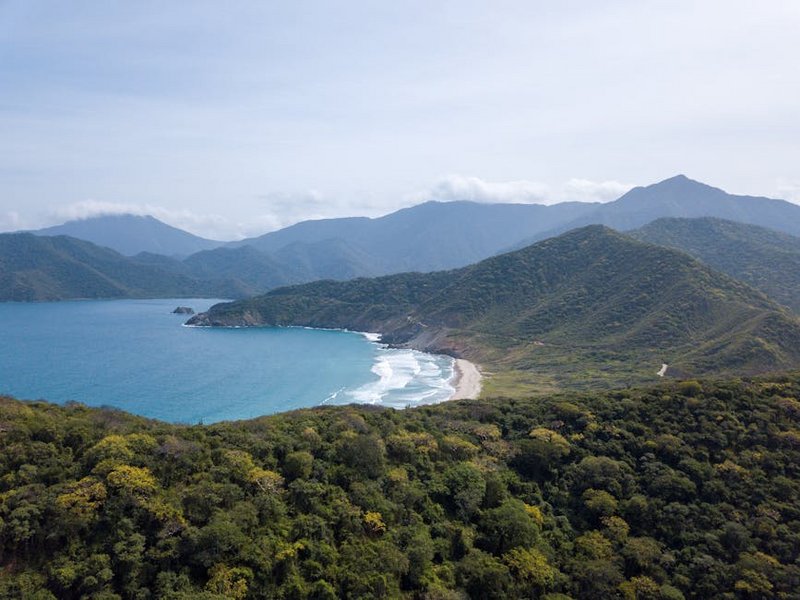
Colombia Tayrona National Park Beaches: Caribbean Paradise Guide
Colombia Tayrona National Park beaches stretch along the Caribbean coast with pristine sands backed by lush Sierra Nevada mountains. This protected area spans 150 square kilometers featuring diverse ecosystems from coral reefs to tropical forests accessible via scenic hiking trails. Your visit combines beach relaxation with adventure activities in one of South America’s most biodiverse coastal regions.
Essential Tayrona National Park Information
Tayrona National Park sits on Colombia’s northern Caribbean coast near Santa Marta in the Magdalena Department. Established in 1964, this protected area preserves 12,000 terrestrial and 3,000 marine hectares across coastal and mountainous terrain. The park’s name honors the Tayrona indigenous civilization that inhabited this region for centuries before Spanish colonization.
Park Geography and Ecosystems
Tayrona’s landscape transitions from sea level to 900-meter peaks within the Sierra Nevada de Santa Marta mountain range. This creates multiple microclimates supporting distinct biological zones across short distances.
- Coastal Zone: Features 15 main beaches with white sand, coral formations, and calm coves protected by natural rock barriers.
- Forest Zones: Contains tropical dry forest, cloud forest, and mangrove ecosystems hosting 108 mammal and 300 bird species.
- Marine Area: Encompasses coral reefs with 110 coral species and 400 fish species in the Caribbean Sea.
- Budget travelers can manage on $50-75 daily using hammock rentals ($15-25), bringing food, and using public transportation from Santa Marta ($5-10).
- Mid-range visitors spend $80-120 daily for eco-habs ($40-70), restaurant meals ($15-25), and guided tours ($20-40) to hidden beaches.
- Luxury experiences cost $130-200+ with private cabañas ($80-150), full-board dining ($30-50), and boat transfers ($40-60) to remote coves.
- Colombia National Parks System
- Lonely Planet Tayrona Guide
Climate and Weather Patterns
Tayrona experiences tropical savanna climate with distinct dry and wet seasons influencing visitor experiences. Temperatures remain consistently warm year-round between 75-90°F (24-32°C) with high humidity levels.
December through March brings the driest conditions with minimal rainfall and calmer seas. April through November sees increased precipitation, particularly during October’s peak rainy season.
Conservation and Protected Status
As a UNESCO Biosphere Reserve since 1979, Tayrona implements strict conservation measures to protect its fragile ecosystems. Visitor numbers are controlled through daily entrance limits and mandatory overnight reservations during peak seasons.
The park management collaborates with indigenous communities who consider the Sierra Nevada mountains sacred territory. This partnership helps preserve both natural resources and cultural heritage through sustainable tourism practices.
Planning Your Colombia Tayrona National Park Beaches Adventure
Your Colombia Tayrona National Park beaches trip requires careful planning due to the remote location and protected status of this destination. Advance reservations for accommodations and park entry become essential during December-January and June-July high seasons. Budget between $50-150 daily depending on your travel style and accommodation preferences.
Most visitors access the park through El Zaino or Calabazo entrances, with hiking trails connecting to various beaches. The park maintains limited infrastructure with no roads beyond entrance areas, requiring visitors to walk or hire horses for transportation between zones.
Best Time to Visit Tayrona Beaches
Visit Tayrona National Park between December and March for optimal beach conditions and hiking weather. These months offer daily temperatures of 80-85°F (27-29°C) with minimal rainfall and calmer Caribbean waters.
Shoulder seasons in April-May and August-September provide fewer crowds but higher humidity and occasional afternoon showers. The park closes annually during February for ecological recovery, so verify exact dates before planning winter visits.
Budget Planning and Costs
Budget considerations vary significantly based on accommodation type and dining preferences within the park.
Essential Preparation Checklist
Pack lightweight quick-dry clothing, reef-safe sunscreen, and broken-in hiking shoes for Tayrona’s tropical conditions. Bring waterproof bags for electronics and important documents since humidity and occasional rain affect all areas.
Secure Colombian tourist visa if required, travel insurance with medical evacuation, and necessary vaccinations before departure. Book accommodations 2-3 months ahead for peak season visits and confirm park entry requirements which change seasonally.
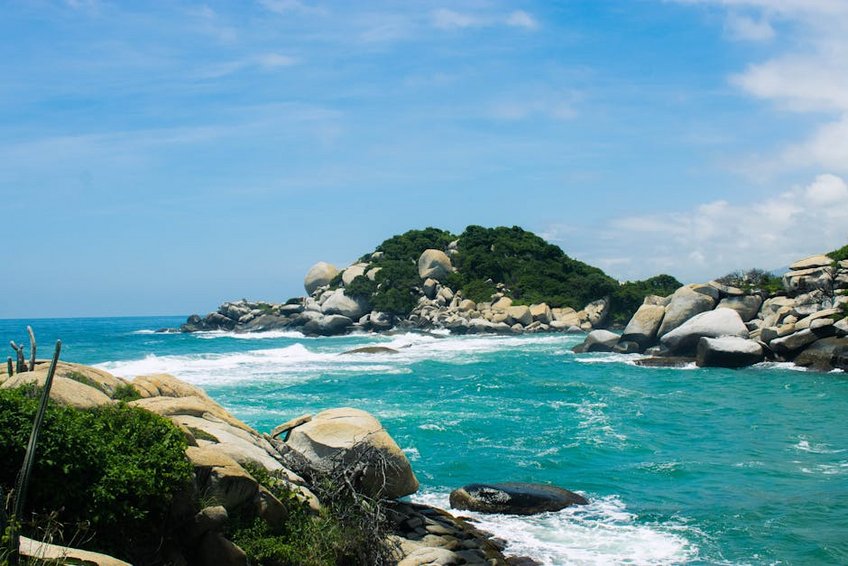
Alt: “tayrona-national-park-caribbean-coastline-mountain-backdrop”
Top Beaches and Activities in Tayrona
Tayrona’s coastline features numerous beaches with varying characteristics from swimming-friendly coves to dramatic surf spots. The most accessible shores cluster near the main entrances while remote beaches require longer hikes or boat access.
Water safety remains paramount since strong currents affect several beaches with red flags indicating prohibited swimming areas. Park rangers monitor conditions and restrict access during dangerous surf conditions particularly at Arrecifes beach.
Must-See Beach Highlights
Cabo San Juan del Guía represents Tayrona’s most iconic beach with its double crescent bay and famous clifftop viewpoint. This popular spot offers basic services including food stalls, hammock rentals, and rustic cabins with advance reservations.
La Piscina provides safe swimming conditions in a natural pool protected by coral formations near Cabo San Juan. Arrive before 10am to secure space during busy periods when visitor numbers peak.
Arrecifes beach showcases dramatic waves crashing against dark volcanic rocks but prohibits swimming due to dangerous currents. The scenic coastal trail connecting these beaches offers spectacular ocean views throughout the 45-minute walk.
Hidden Gems and Local Favorites
Playa Brava remains accessible only via 3-hour hike from Calabazo entrance, rewarding visitors with near-private beach experience. Basic camping facilities operate here with advance reservations through authorized providers.
Boca del Saco requires careful timing during low tide for access through a natural rock tunnel near Cabo San Juan. This secluded cove offers exceptional snorkeling opportunities in calm turquoise waters away from main tourist areas.
Snorkeling and Water Activities
Snorkeling tours depart from Taganga or Cabo San Juan to explore vibrant coral reefs teeming with tropical fish. Equipment rentals cost $10-15 daily with guided tours priced at $25-40 including boat transportation.
Surfing conditions vary by season with consistent waves from December through March attracting intermediate to advanced surfers. Local operators offer board rentals and lessons at beaches outside the park boundaries in nearby areas.
Practical Travel Information for Tayrona
Reaching Tayrona National Park involves flying into Simón Bolívar International Airport in Santa Marta (SMR) from major Colombian cities. From Santa Marta, take buses or colectivos to park entrances with travel times of 45-90 minutes depending on your chosen entry point.
Accommodation options range from basic camping to comfortable eco-lodges with prices increasing during December and January. Book all overnight stays through official park channels since independent camping remains prohibited throughout the protected area.
| Category | Options/Features | Price Range (USD) |
|---|---|---|
| Camping | Designated areas with tent rentals, shared bathrooms, security | $15-30 |
| Hammocks | Beachfront locations with mosquito nets, lockers, common areas | $20-35 |
| Eco-Habs | Rustic cabins with private bathrooms, fans, limited electricity | $50-100 |
| Luxury Cabañas | Private beach access, restaurant service, guided activities | $120-200 |