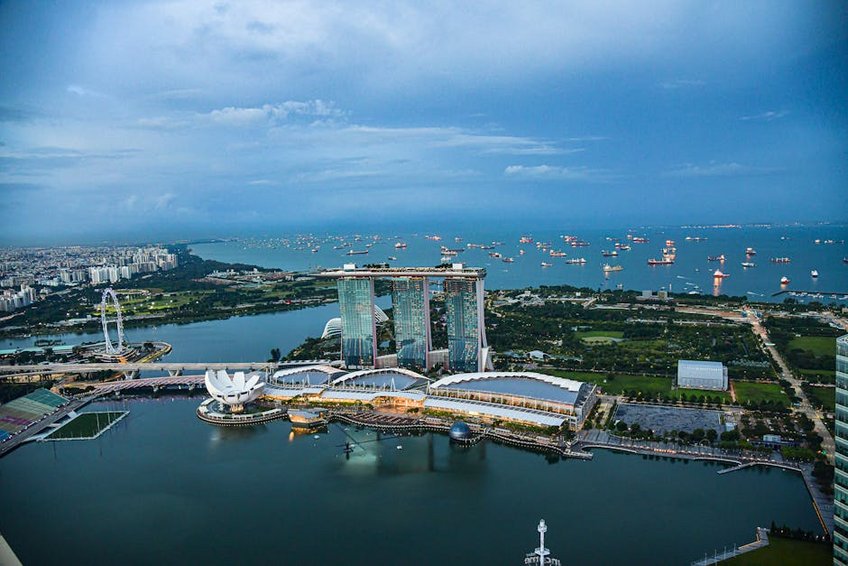
City and Nature Balance in Singapore
Singapore masterfully blends futuristic cityscapes with lush, thriving ecosystems, creating a unique urban-nature harmony. You can gaze at the iconic Marina Bay Sands skyline in the morning and walk through a primary rainforest at the city’s core by afternoon. This guide details how to experience the best of both worlds, from rooftop gardens to coastal wetlands, with practical tips for a seamless Singapore adventure.
Singapore’s Unique Urban Ecosystem
Singapore’s transformation into a “City in a Garden” is a deliberate, decades-long national project. The government’s commitment to integrating greenery began in the 1960s with extensive tree-planting and has evolved into sophisticated biophilic design. This forward-thinking approach ensures that nature isn’t an afterthought but a foundational component of urban planning and daily life.
You will find biodiversity woven directly into the infrastructure. High-rise buildings feature sky terraces, major roads are lined with dense canopies, and reservoirs double as recreational parks. This synthesis means you are never far from a green space, making the city and nature balance in Singapore feel effortless and authentic rather than forced or token.
Understanding the “City in a Garden” Vision
The vision goes beyond parks; it’s about creating an interconnected network of green spaces. Here are the key pillars that make it work.
- Park Connector Network: Over 300 km of seamless, car-free paths link major parks, nature reserves, and housing estates, allowing you to cycle or walk across the island on green corridors.
- Vertical Greening: Policies encourage green walls and roofs on buildings, which cool the urban environment, improve air quality, and provide habitats for urban wildlife like birds and butterflies.
- Biodiversity Conservation: Despite its size, Singapore protects over 300 hectares of primary rainforest and has active species recovery programs for native creatures like the Sunda Pangolin and Oriental Pied Hornbill.
- Budget Traveler ($70-100 USD): Stay in hostels or budget hotels in Little India, use public transport exclusively, eat at hawker centers for every meal ($3-7 per dish), and focus on free activities like hiking the MacRitchie Treetop Walk and exploring neighborhoods.
- Mid-Range Traveler ($150-250 USD): Comfortable hotels in areas like Kampong Glam or near Bugis, a mix of hawker meals and casual restaurants, occasional taxis, and entry to 1-2 major paid attractions per day like the Cloud Forest or Singapore Zoo.
- Luxury Traveler ($400+ USD): Premium hotels with rooftop pools in Marina Bay, fine dining at celebrity chef restaurants, private tours of nature reserves, and VIP experiences like the Sands SkyPark Observation Deck or a private bumboat tour.
- Singapore Tourism Board
- National Parks Board Singapore
Key Geographic Zones
The island is conveniently organized into distinct regions, each offering a different flavor of the urban-nature mix. The Central Business District (CBD) and Marina Bay area showcase architectural marvels intertwined with curated gardens like Gardens by the Bay. Moving outward, the Central Catchment Nature Reserve forms the green heart, housing ancient rainforests and massive reservoirs.
The East and West offer coastal greenery, such as Changi Beach Park and Jurong Lake Gardens. The Southern islands provide getaways like Pulau Ubin, a step back in time to a 1960s kampong village setting. Understanding these zones helps you plan an itinerary that efficiently combines metropolitan excitement with natural tranquility.
Climate and What to Expect
Singapore has a tropical rainforest climate with consistently high humidity around 84% and temperatures averaging 88°F (31°C) during the day. Rainfall is common year-round, with brief, intense showers often occurring in the afternoon. There is no true dry season, but the slightly drier months from February to April see less frequent rain.
This climate supports the lush greenery but requires preparation. Light, breathable clothing, a reusable water bottle, and a compact umbrella or rain jacket are essential for any day exploring. Mornings are typically the best time for outdoor nature walks before the heat and potential afternoon showers peak.
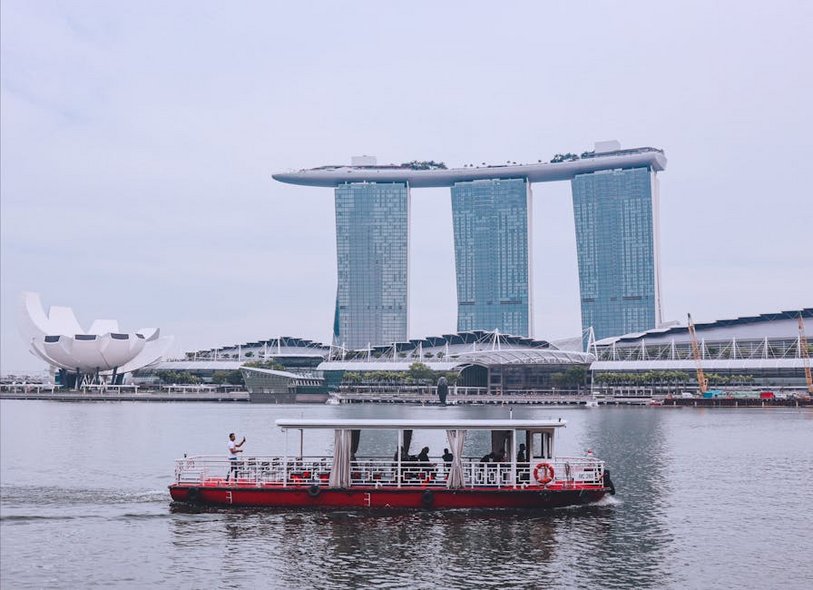
Alt: “singapore-gardens-by-bay-supertree-grove-urban-park”
City and Nature Balance in Singapore – Planning Your Trip
To truly appreciate Singapore’s dual character, your itinerary should deliberately alternate between built and natural environments. A successful visit balances iconic urban attractions with immersive green escapes, avoiding sensory overload from either extreme. Planning around the weather and booking key attractions in advance are crucial steps for a smooth experience.
Budgeting for this destination requires understanding its tiers: world-class attractions command premium prices, but nature reserves and public gardens are mostly free. You can manage costs by mixing paid highlights with Singapore’s excellent, complimentary green infrastructure. The city’s efficient public transport makes navigating between urban districts and nature hubs straightforward and affordable.
Best Time to Visit for Optimal Balance
Visit Singapore between late January and early March for the best overall conditions, balancing pleasant weather and cultural events. These months fall within the Northeast Monsoon’s tail end, offering slightly less rainfall and comfortable temperatures averaging 86°F (30°C). Humidity remains high, but the reduced rain chance is ideal for both city walking and park exploration.
The major festivals of Chinese New Year (January/February) and the Singapore Garden Festival (biennial) often occur in this window, adding cultural depth. Avoid the peak of the Southwest Monsoon from June to September, which can bring more frequent haze, and the very wet November-December period if you plan extensive outdoor time.
Budget Planning and Costs
Singapore caters to all budgets, but planning is key. Here’s a typical daily breakdown per person.
Essential Preparation Checklist
Pack lightweight, quick-dry clothing, comfortable walking shoes for both paved streets and forest trails, and a high-quality power adapter (Type G). Singapore uses 230V voltage. Essential tech includes the Grab app for taxis/food delivery and the NLB Singapore app for navigating parks and trails with offline maps.
Ensure your passport is valid for at least six months. U.S., U.K., Canadian, and EU passport holders do not need a visa for stays under 90 days. Purchase comprehensive travel insurance covering medical expenses and trip interruption. Book accommodations and popular attraction tickets (like Gardens by the Bay Floral Fantasy) at least one month in advance, especially for weekend travel.
Top Attractions Showcasing the Harmony
Singapore’s attractions are designed to exemplify the coexistence of human ingenuity and natural beauty. The most famous sites are often hybrids, where technology enhances nature or where wilderness is framed by steel and glass. This creates photo opportunities and experiences you won’t find anywhere else, from cloud forests under glass to nocturnal wildlife parks in the city.
You can structure your days thematically, dedicating mornings to active nature exploration and afternoons to air-conditioned museums or urban wandering. Alternatively, choose geographically focused days, exploring one region like Sentosa or the Civic District, which each contain their own balanced mix of green spaces and cultural points of interest.
Must-See Hybrid Highlights
Gardens by the Bay is the iconic poster child for Singapore’s vision. The futuristic Supertree Grove, with its nightly light show, sits beside two massive climate-controlled conservatories: the Flower Dome and the Cloud Forest. It’s a stunning example of curated nature within an urban marvel. Tickets start at $28 SGD ($21 USD) for two conservatories.
The Singapore Botanic Gardens, a UNESCO World Heritage Site, offers 160 years of history with free entry to most grounds. Its National Orchid Garden (entry $15 SGD / $11 USD) showcases an incredible collection. For wildlife, the Singapore Zoo and its adjacent Night Safari provide world-class, open-concept animal encounters nestled within a lush secondary rainforest setting.
Hidden Gems and Local Favorites
For a true local experience, visit the Southern Ridges, a 10km trail connecting several parks via architectural wonders like the Henderson Waves bridge. It’s a favorite weekend hike offering stunning city skyline views from within a forest canopy. Another secret is the Chestnut Nature Park, Singapore’s largest nature park, perfect for mountain biking and birdwatching far from crowds.
Pulau Ubin, a short bumboat ride from Changi Point Ferry Terminal, feels like a different country. This granite island preserves the last traditional *kampong* (village) lifestyle in Singapore. Rent a bike and explore its quarries, mangroves, and Chek Jawa Wetlands, a rich intertidal ecosystem. It’s the ultimate nature escape just minutes from the metropolis.
Neighborhoods with Built-In Green Space
Explore neighborhoods designed for living with nature. Tiong Bahru, a historic art deco estate, features a renowned market surrounded by indie cafes and is within walking distance of the peaceful Henderson-Dawson Park. Similarly, Bishan-Ang Mo Kio Park is a community hub where a concrete canal was transformed into a naturalized, meandering river, frequented by families and otters.
These areas demonstrate that the city and nature balance in Singapore isn’t just for tourists but is integral to resident well-being. Walking through these communities gives you a genuine sense of how green space is woven into the fabric of everyday Singaporean life, from morning exercises to evening strolls.
Practical Travel and Logistics
Singapore’s compact size and outstanding public transportation make navigating between urban and natural sites remarkably efficient. The Mass Rapid Transit (MRT) subway system is clean, safe, and extensive, reaching key nature access points like the Botanic Gardens MRT station. Buses fill in the gaps, serving parks and reserves not directly adjacent to train lines.
Accommodation choices can enhance your experience. Staying in a central location provides easy access to both downtown and major park connectors. Alternatively, choosing a hotel near a specific nature reserve, like those near the MacRitchie area, allows for early morning walks before the day heats up.
| Accommodation Type | Best For | Price Range (USD/Night) |
|---|---|---|
| Marina Bay Luxury | Iconic skyline views, rooftop pools, walk to Gardens by the Bay | $300 – $700+ |
| Cultural District (Kampong Glam, Little India) | Vibrant local atmosphere, great food, mid-range pricing | $120 – $250 |
| Near Nature Reserves (Upper Thomson, Novena) | Direct access to hiking trails, quieter setting | $100 – $200 |
| Sentosa Island Resorts | Beach access, family-friendly attractions, self-contained getaway | $250 – $500 |