Tianmen Mountain Glass Bridge: China’s Sky-High Adventure
Walking the Tianmen Mountain Glass Bridge delivers breathtaking views from 4,700 feet above sea level, combining engineering marvels with natural beauty in China’s Hunan province. This suspended glass pathway stretches 200 feet across a deep canyon, offering unobstructed panoramas of Tianmen Mountain’s karst landscapes and lush forests. Our guide covers essential planning tips, seasonal considerations, and practical advice for experiencing this iconic attraction safely and memorably.
Essential Tianmen Mountain Information
Tianmen Mountain National Forest Park spans 5.3 square miles within the Wulingyuan Scenic Area, recognized as a UNESCO World Heritage Site since 1992. The mountain’s name translates to “Heaven’s Gate Mountain,” derived from the natural arch cave formation discovered during the Tang Dynasty around 263 AD. Visitors access the area through Zhangjiajie City, the primary gateway to this spectacular region.
Geographical and Historical Context
The mountain’s unique quartzite sandstone formations developed over 300 million years through erosion and tectonic activity. Tianmen Cave, the world’s highest natural arch at 430 feet tall, became accessible via the 11-kilometer Tianmen Mountain Road with 99 sharp bends completed in 2006. These engineering feats preceded the glass bridge construction, which opened to the public in 2016 after three years of development.
Climate and Weather Patterns
Subtropical monsoon climate creates distinct seasonal variations, with temperatures ranging from 30°F to 85°F (-1°C to 29°C) throughout the year. Humidity levels frequently exceed 80%, creating the famous sea of clouds effect that envelops the mountain peaks. Rainfall peaks between April and August, while winter months from December to February occasionally bring light snowfall.
Visitor Statistics and Access
Annual visitation exceeds two million people, with peak months seeing over 300,000 visitors monthly. The cableway system holds Guinness World Records as the world’s longest passenger cableway at 7,455 meters. Advanced ticket reservations prove essential, especially during Chinese public holidays and summer vacation periods.
Alt: “tianmen-mountain-glass-bridge-suspended-canyon-views”
Planning Your Tianmen Mountain Glass Bridge Trip
Your Tianmen Mountain Glass Bridge experience requires careful timing between March and May or September to November for optimal weather conditions. These shoulder seasons provide comfortable temperatures between 55°F and 75°F (13°C-24°C) with reduced rainfall and smaller crowds. Budget approximately $75-150 per person for comprehensive park access, including cable car rides and bridge admission fees.
Best Time to Visit Tianmen Mountain
April through June offers the clearest visibility with blooming rhododendrons and azaleas coloring the mountainsides. Daytime temperatures range from 65°F to 80°F (18°C-27°C) with manageable humidity levels around 70%. July and August bring heavier rainfall exceeding 200mm monthly, though morning visits often provide clearer conditions before afternoon clouds accumulate.
September to November features pleasant autumn foliage with maple trees turning vibrant red and gold hues. Temperatures gradually decrease from 75°F to 55°F (24°C-13°C) through the season, creating ideal hiking conditions. Winter visits from December to February require warm layers but reward with occasional snow-dusted landscapes and significantly smaller crowds.
Budget Planning and Costs
Consider these three budget tiers when planning your visit.
- Budget travelers spend $50-75 daily using public transportation from Zhangjiajie, packed lunches, and hostel accommodations outside the park. This covers basic park entry ($32), cable car round-trip ($18), and bridge access ($15) with minimal additional expenses.
- Mid-range visitors allocate $100-150 daily for comfortable hotels in Zhangjiajie, restaurant meals, and guided tours. This budget includes priority cable car tickets, photography services on the bridge, and combination tickets covering multiple attractions.
- Luxury experiences cost $200-300 daily featuring five-star resorts, private guides, and exclusive early access to the bridge. Premium packages include helicopter tours over the mountain, gourmet dining, and extended photography sessions during golden hour.
- Travel China Guide – Tianmen Mountain
- Lonely Planet – Zhangjiajie Travel Guide
Essential Preparation Checklist
Pack non-slip shoes with good traction, lightweight waterproof layers, and a small backpack for water and snacks. Camera equipment should include polarizing filters to reduce glass reflections and wide-angle lenses for capturing the expansive views. Comfortable walking shoes prove essential for navigating the park’s steep pathways and numerous stairs.
Secure China tourist visas 1-2 months before travel, valid for 10 years with 60-day stays for US passport holders. Purchase comprehensive travel insurance covering high-altitude activities and medical evacuation. Download translation apps and offline maps since English signage remains limited throughout the park.
Top Attractions and Activities
Tianmen Mountain offers diverse experiences beyond the glass bridge, including the world’s longest cable car ride and ancient temples perched on cliffs. The Tianmen Cave requires climbing 999 steps, representing spiritual purification in Chinese culture. Various walking trails cater to different fitness levels, with the Coiling Dragon Cliff walkway providing exceptional photography opportunities.
Must-See Highlights
Tianmen Cave stands as the mountain’s namesake attraction, accessible via the dramatic 99-bend road or glass elevator. The cave measures 430 feet high and 190 feet wide, creating a natural frame for panoramic photographs. Visit early morning to avoid crowds and capture the best lighting conditions through the arch.
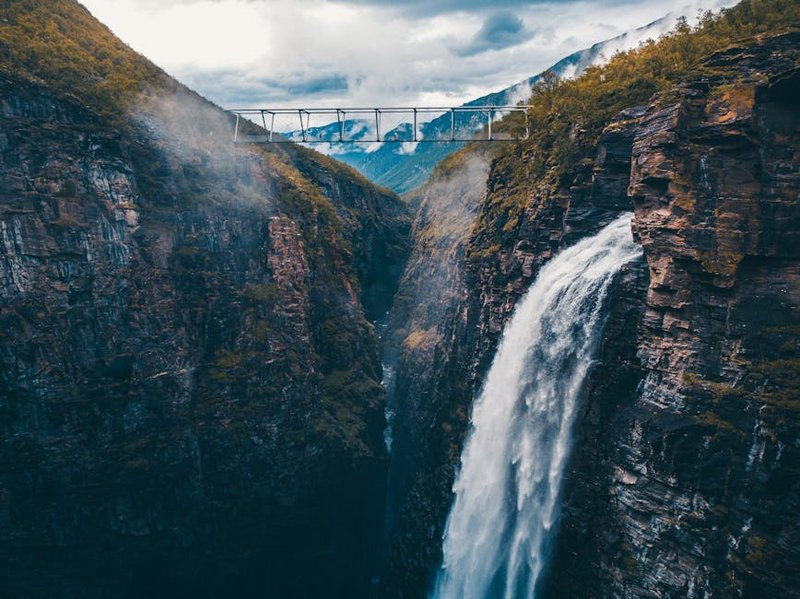
The Glass Skywalk stretches 200 feet along the cliff face at 4,700 feet elevation, featuring 2.5-inch thick tempered glass panels. This section provides unparalleled views of the valley below and surrounding peaks. Morning visits typically offer clearer visibility before clouds develop in the afternoon.
Zhangjiajie Grand Canyon Glass Bridge located nearby spans 1,410 feet as the world’s longest and highest glass-bottomed bridge. Combined tickets cost approximately $65, covering transportation between sites. Allocate a full day to experience both bridges properly without rushing.
Hidden Gems and Local Favorites
Buddhist temples dating to the Ming Dynasty nestle in secluded areas of the mountain, offering tranquil spaces away from main tourist paths. The Temple of Heaven’s Gate features original architecture from 1368 AD with intricate wood carvings and incense ceremonies. Local guides can direct you to these less-visited cultural sites.
Early morning cable car rides before 8 AM provide private-feeling experiences with mist-shrouded mountain views. The first departure typically has minimal queues, allowing uninterrupted photography sessions. Hotel concierges in Zhangjiajie can arrange special early access through tour operators.
Photography Tips and Techniques
Use circular polarizing filters to minimize reflections on the glass surfaces during midday visits. Wide-angle lenses between 16-35mm capture the vastness of the landscapes, while telephoto lenses isolate distant rock formations. Early morning and late afternoon light creates dramatic shadows and highlights across the karst formations.
Time-lapse photography works beautifully from fixed positions along the cliff walkways, capturing cloud movements across the peaks. Sturdy tripods are permitted but must not obstruct pathways. Professional photography tours provide access to restricted areas during golden hour for premium shots.
Practical Travel Information
Zhangjiajie Hehua International Airport (DYG) serves as the primary gateway with direct flights from major Chinese cities and some international connections. The airport lies 6 miles from downtown Zhangjiajie, with taxis costing $10-15 for the 20-minute transfer. High-speed rail connects from Changsha in 3 hours, with tickets priced at $25-40.
Accommodation options range from budget hostels at $15-30 nightly to luxury resorts costing $150-300. Staying in Zhangjiajie city center provides better dining options and easier access to transportation. Book hotels 2-3 months in advance for peak season visits between April and October.
| Category | Options/Features | Price Range (USD) |
|---|---|---|
| Accommodation | Hostels, mid-range hotels, luxury resorts with mountain views | $15-300 |
| Transportation | Airport transfers, cable cars, park buses, taxis | $5-50 |
| Food & Dining | Street food, local restaurants, hotel dining | $5-40 |
| Tours & Guides | Group tours, private guides, photography workshops | $30-150 |