China Terracotta Warriors Xian Tour: Uncover an Ancient Empire
A China Terracotta Warriors Xian tour offers a profound journey into the heart of the Qin Dynasty, where thousands of life-sized clay soldiers stand guard over China’s first emperor. Discovered by farmers in 1974, this archaeological marvel reveals meticulous artistry and ancient military strategy frozen in time for over two millennia. This guide provides essential logistics, cultural context, and insider tips to plan your visit to this UNESCO World Heritage site effectively.
Essential Historical and Cultural Context
Emperor Qin Shi Huang ordered the construction of his mausoleum complex around 246 BC, unifying China and standardizing its writing and currency systems. The terracotta army served as his spiritual guard in the afterlife, reflecting the emperor’s power and the era’s belief in cosmic order. This immense project involved an estimated 700,000 workers over nearly four decades, showcasing unprecedented organizational scale.
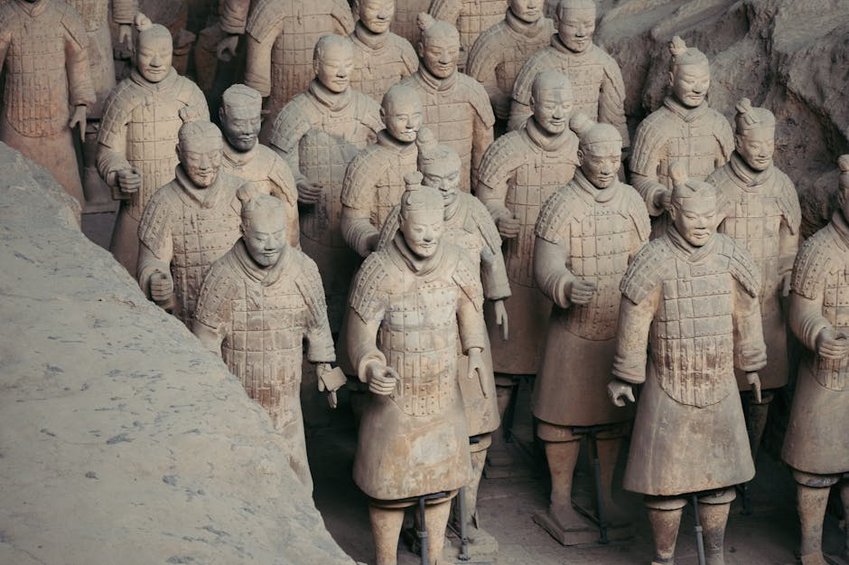
Three main pits contain the majority of discovered figures, with Pit 1 being the largest and most impressive for visitors. Each warrior features unique facial features, hairstyles, and armor, indicating they were modeled after real soldiers from different regions. The original figures were brightly painted, though exposure to air during excavation caused most pigments to fade within minutes.
Understanding the Archaeological Site
This section helps you navigate the massive excavation site and appreciate its ongoing work.
- Pit 1 spans 230 meters long and 62 meters wide, housing over 6,000 figures in battle formation with chariots and horses, offering the most iconic view of the army.
- Pit 2 contains cavalry and infantry units in a more complex military array, revealing advanced tactical formations used by the Qin military strategists of the time.
- The Bronze Chariots and Horses Exhibition displays two exquisitely detailed half-size chariots discovered near the tomb mound, representing the pinnacle of ancient Chinese bronze metallurgy.
- Budget travelers can expect to spend $45-65 per person. This includes public bus transport from Xian ($2), museum entry ($25), an audio guide ($8), and simple lunch ($10). Stay in a hostel and use free walking tours in downtown Xian to offset costs.
- Mid-range visitors should budget $80-120 per person. This covers a private car for half-day transfer ($40 split), museum entry, a licensed English guide for 3 hours ($50), and a good local lunch. This option offers the best balance of comfort, information, and value.
- A luxury private tour costs $150-300+ per person. This includes hotel pickup in a premium vehicle, VIP skip-the-line entry, an expert historian guide, a multi-course lunch, and often a combined itinerary with the Han Yang Ling Mausoleum. It provides deep, personalized access and convenience.
- The Museum of Qin Terracotta Warriors and Horses Official Site
- UNESCO World Heritage Centre: Mausoleum of the First Qin Emperor
Museum Layout and Key Exhibits
The site operates as the Emperor Qinshihuang’s Mausoleum Site Museum, comprising the pits, exhibition halls, and the unexcavated tomb mound. You should allocate at least three hours to walk between the structures and view the detailed displays. The on-site museum provides excellent English signage and showcases some of the best-preserved individual warriors under climate-controlled glass.
Do not miss the interactive exhibits explaining the conservation challenges and the recreation of ancient workshop techniques. Experts continue to work in the preservation and restoration laboratory visible to the public. This offers a rare glimpse into the meticulous process of reassembling fragmented statues.
Preservation Efforts and Ongoing Research
Conservation remains a primary challenge due to the fragile pigments and clay composition of the statues. International teams collaborate with Chinese archaeologists to develop new techniques for preserving the original paint. Research continues into the remaining unopened sections of the necropolis, including the central tomb mound itself.
Ground-penetrating radar suggests the entire mausoleum complex covers approximately 56 square kilometers, with many auxiliary pits still unexplored. Future excavations promise further revelations about Qin Dynasty culture and technology. Your visit directly supports these vital preservation and research initiatives.
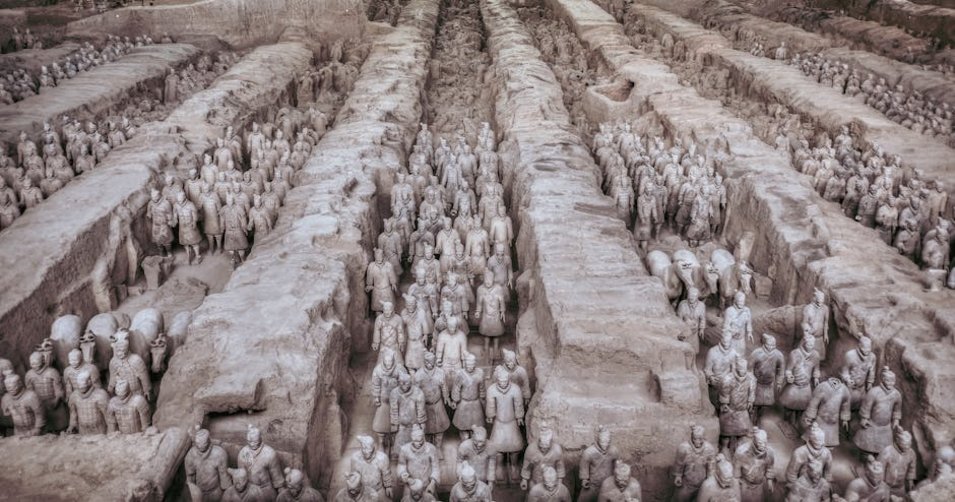
Alt: “terracotta-warriors-xian-pit-one-aerial-view-formation”
China Terracotta Warriors Xian Tour – Strategic Planning
Successfully navigating a China Terracotta Warriors Xian tour requires strategic planning to avoid crowds and maximize your experience. The site is located about 40 kilometers east of downtown Xian, necessitating a half-day commitment for transportation and viewing. You should book tickets online in advance through the official museum website or a reputable travel platform to secure your entry slot.
Consider combining your visit with other significant attractions in the Xian area, such as the ancient City Wall or the Muslim Quarter. Many visitors find a two-day itinerary in Xian ideal for covering major historical sites without feeling rushed. Allocate a budget that includes transport, guide services, and potential souvenir purchases from authorized vendors.
Engaging a licensed, English-speaking guide is highly recommended to decode the historical significance and point out intricate details you might otherwise miss. Guides provide context about the warriors’ ranks, weapons, and the archaeological methods used. They can also help you navigate the sprawling complex efficiently.
Best Time to Visit the Terracotta Army
The ideal months for a Xian tour are April-May and September-October, when daytime temperatures range from 60-75°F (15-24°C) and rainfall is lower. These shoulder seasons offer pleasant weather for exploring the large, semi-open pits without the extreme summer heat or winter chill. Crowds are moderately heavy but manageable with early arrival.
Summer (June-August) brings high heat, with temperatures often exceeding 86°F (30°C), and the peak tourist season with significant domestic travel. Winter (November-March) is cold, with temperatures between 30-45°F (-1 to 7°C), but offers the fewest visitors. Regardless of season, always arrive at the museum gates right at opening time, 8:30 AM, to enjoy the first hour with minimal crowds.
Budget Planning and Costs
Costs can vary significantly based on your travel style and group size. Here is a typical breakdown.
Essential Preparation Checklist
Wear comfortable walking shoes with good support, as you will be on your feet for hours on hard concrete floors. The pits are covered but are essentially large hangars without seating. Dress in removable layers, as the interior spaces can feel stuffy while outdoor areas may be cool.
Ensure your passport is with you, as it is required for ticket verification. Purchase comprehensive travel insurance that covers medical evacuation. Book your accommodation in Xian’s city center near the Bell Tower for easy access to transport hubs and other attractions. Download a reliable translation app and a local ride-hailing app like DiDi before you arrive.
Top Attractions and Activities in Xian
Xian served as the capital for 13 ancient dynasties, making it a treasure trove of history beyond the terracotta army. The well-preserved City Wall from the Ming Dynasty offers a unique perspective of the old city, best experienced by bicycle. The vibrant Muslim Quarter provides a sensory feast of street food and bustling markets, reflecting centuries of cultural exchange along the Silk Road.
The Shaanxi History Museum is a must-visit to contextualize your warrior tour, displaying artifacts from the Zhou to the Tang dynasties. Its free entry tickets are highly sought after, so reserve online days in advance. For a quieter historical experience, the Small Wild Goose Pagoda and its serene garden complex provide a peaceful contrast to the major sites.
Must-See Historical Highlights
The Xian City Wall is the most complete ancient city fortification in China, stretching 14 kilometers around the old center. Rent a bicycle on top for a leisurely 2-hour ride with panoramic views. Entry costs around $8 USD, with bike rental an additional $5.
The Giant Wild Goose Pagoda, built in 652 AD to house Buddhist sutras, is an iconic symbol of Xian. Climbing its seven stories offers a view over the city. The adjacent North Square features the largest musical fountain show in Asia each evening. Combined ticket and climb access is approximately $12 USD.
The Shaanxi History Museum requires planning but is invaluable. Its three main exhibition halls chronologically display over 370,000 relics, including exquisite Tang dynasty goldware and murals. Secure the free ticket online exactly one week before your visit through their official WeChat channel or website.
Hidden Gems and Local Favorites
Venture to the Banpo Neolithic Village Museum, a preserved archaeological site of a 6,000-year-old matriarchal community. It’s less frequented by international tourists and provides insight into prehistoric life in the Yellow River valley. Reaching it requires a taxi or bus ride but offers a quiet, educational experience.
For a unique cultural performance, consider the “Tang Dynasty Music and Dance Show” hosted by the Shaanxi Song and Dance Troupe. It is considered more authentic than some larger, commercial productions. The theater is intimate, and the costumes and music are based on extensive historical research. Tickets typically cost $25-40 USD.
Explore the peaceful grounds of the Xian Forest of Steles Museum, home to an enormous collection of ancient stone tablets and calligraphy. It’s a haven for history buffs interested in the evolution of Chinese writing and Confucian classics. The atmosphere is scholarly and calm, a world away from the bustling tourist centers.
Silk Road Legacy Exploration
Xian marks the eastern terminus of the ancient Silk Road. Visit the Tang West Market Museum to explore the history of global trade that flowed through the city. The museum sits atop the actual archaeological remains of the market where Persian, Arab, and Central Asian merchants once traded.
To connect this history to your warrior tour, consider that the Qin Dynasty’s unification created the stable infrastructure that later enabled Silk Road trade. This thematic link enriches your understanding of China’s long-term geopolitical and cultural development. Several boutique tours in the city specialize in connecting these historical threads.
Practical Travel Information for Xian
Xian is a major tourist hub with modern infrastructure, making navigation straightforward for international visitors. The city’s metro system efficiently connects the railway station, city wall, and Bell Tower area. Taxis and ride-hailing services are plentiful and affordable, though have your destination written in Chinese for drivers.
Accommodation ranges from international chain hotels to traditional courtyard guesthouses. Staying inside the city wall puts you within walking distance of many attractions and dining options. For a more local experience, the southern part of the city offers newer developments with excellent metro access to all major sites.
| Accommodation Type | Features & Best For | Price Range (USD/Night) |
|---|---|---|
| Luxury International Hotel | Full-service concierge, multiple restaurants, swimming pool, central location. Best for comfort and convenience. | $120 – $300 |
| Boutique Courtyard Hotel | Traditional architecture, quiet atmosphere, personalized service. Best for cultural immersion. | $70 – $150 |
| City Center Business Hotel | Modern amenities, good value, near metro stations. Best for independent travelers on a mid-range budget. | $40 – $90 |
| Hostel / Guesthouse | Social atmosphere, budget rooms, organized tours. Best for solo travelers and backpackers. | $10 – $35 |