China Li River Bamboo Rafting: Karst Scenery Adventure
China Li River bamboo rafting delivers a peaceful journey through Guilin’s stunning limestone formations and emerald waters. This traditional activity combines natural beauty with cultural insights, floating past fishing villages and lush rice paddies. Our guide provides detailed planning advice, seasonal recommendations, and practical tips for your river exploration.
Essential Li River Information
The Li River flows 83 kilometers from Guilin to Yangshuo through Guangxi Province’s karst landscape. This region features over 100 peaks rising 100-200 meters above the river valley. UNESCO recognized this area for its exceptional natural beauty and geological significance.
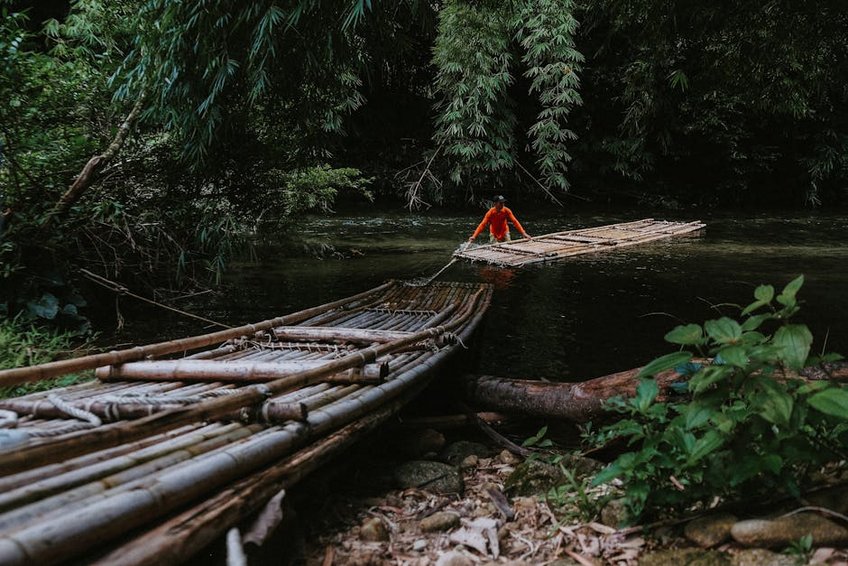
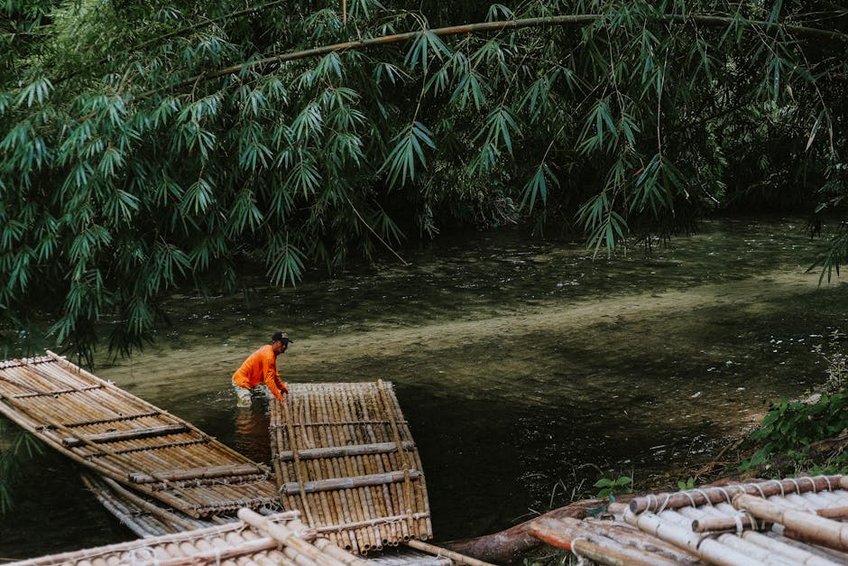
Bamboo rafting has operated here for centuries, originally for transportation and now tourism. Local operators use handcrafted bamboo rafts powered by long poles. These vessels carry 2-4 passengers comfortably for 1-2 hour excursions.
What You Need to Know
Understand these key aspects before booking your Li River experience.
- Rafting sections vary from crowded tourist spots near Guilin to quieter stretches toward Yangshuo with better scenery and fewer boats.
- Standard rafts measure approximately 4 meters long with bamboo seating and canopy shade, though quality differs between operators.
- Water levels change seasonally, affecting rafting routes and accessibility, particularly during summer rainy season from June to August.
- Budget options cost $25-40 per person including basic rafting, transportation from Yangshuo, and simple lunch. These use shared transfers and standard rafts with larger groups.
- Mid-range experiences run $45-75 featuring better quality rafts, English-speaking guides, hotel pickup, and restaurant meals. These often include additional stops at scenic viewpoints.
- Premium tours charge $80-150 offering private rafts, photography services, luxury meals, and exclusive access to less crowded river sections. These include insurance and premium amenities.
- China National Tourism Administration
- Lonely Planet Guilin Travel Guide
Key Geographical Features
The Li River karst landscape formed over 200 million years through limestone erosion. These peaks create dramatic silhouettes against the sky, particularly at sunrise and sunset. The river itself maintains depths between 2-8 meters depending on rainfall and season.
Several notable formations appear along the route, including Elephant Trunk Hill and Nine Horses Fresco Hill. These natural sculptures have inspired Chinese poetry and painting for generations. The entire scenic area covers approximately 400 square kilometers of protected landscape.
Historical and Cultural Significance
Bamboo rafting traditions date back to the Tang Dynasty (618-907 AD) along the Li River. Local fishermen developed these vessels for navigating shallow waters and fishing operations. The rafts symbolize harmony between humans and nature in Chinese philosophy.
Modern tourism began developing in the 1970s when Chinese artists popularized the scenery. International recognition grew after former U.S. President Bill Clinton visited in 1998. Today, the area welcomes over 20 million annual visitors while maintaining cultural authenticity.
China Li River Bamboo Rafting – Planning Your Trip
Proper planning ensures you experience the best sections of the Li River with reliable operators. Research different departure points between Guilin and Yangshuo for varied perspectives. Booking through licensed companies guarantees safety standards and fair pricing for your bamboo raft adventure.
Consider combining your rafting with other regional activities like cycling Yangshuo’s countryside or visiting Longji Rice Terraces. Many travelers allocate 3-4 days for comprehensive Guilin exploration. Your China Li River bamboo rafting experience benefits from advance preparation and flexible scheduling.
Best Time to Visit Li River
Visit between April-May and September-October for ideal rafting conditions with mild temperatures. These months offer 65-75°F (18-24°C) weather with lower humidity and clearer skies. Water levels remain sufficient for rafting while crowds diminish compared to peak summer.
June-August brings warmer temperatures of 80-90°F (27-32°C) with occasional afternoon thunderstorms. Winter months from November-March see cooler conditions of 50-60°F (10-15°C) with possible fog. Some rafting operations reduce schedules during January-February for maintenance.
Budget Planning and Costs
Understand these typical price ranges for Li River experiences.
Essential Preparation Checklist
Pack quick-dry clothing, waterproof bags, and sunscreen regardless of season. Wear sturdy sandals or water shoes with good grip for getting on/off rafts. Bring a hat and sunglasses for sun protection during your 1-2 hour floating time.
Carry Chinese yuan cash since many rural operators don’t accept credit cards. Download translation apps and offline maps for navigation beyond tourist areas. Verify your travel insurance covers recreational water activities before departure.
Alt: “li-river-bamboo-raft-karst-mountains-scenery”
Top Attractions and Activities
The Li River region offers numerous experiences beyond basic rafting adventures. Combine your water journey with land-based exploration for comprehensive understanding. This area showcases some of China’s most photographed natural landscapes across different perspectives.
Yangshuo town serves as the primary base for river activities with extensive services. The West Street area features restaurants, shops, and tour operators catering to international visitors. Surrounding countryside provides excellent cycling routes through farming villages and smaller rivers.
Must-See Highlights
Elephant Trunk Hill represents Guilin’s iconic symbol with its natural arch resembling an elephant drinking. This formation appears on Chinese currency and numerous promotional materials. Visit early morning to avoid crowds and capture better photographs in soft light.
Nine Horses Fresco Hill challenges visitors to identify horse shapes in the limestone patterns. This spot features prominently in traditional Chinese art and literature. The viewing area includes platforms and telescopes for detailed observation.
Moon Hill offers panoramic views after climbing 800 steps to the natural arch opening. This geological feature frames the countryside beautifully in photographs. Entrance costs approximately $6 with operating hours from 8:00-17:30 daily.
Hidden Gems and Local Favorites
Xingping Ancient Town preserves traditional architecture without Yangshuo’s commercial development. This fishing village appears on the 20 RMB banknote with its classic river view. Wander narrow stone streets to discover local crafts and authentic restaurants.
Yulong River provides quieter bamboo rafting with manually poled rafts through smaller landscapes. This tributary features ancient stone bridges and swimming spots away from main tourist routes. Cycling paths follow the riverbank through farming communities.
Photography Tips for Karst Landscapes
Capture morning mist between 6:00-8:00 when light creates dramatic atmospheric effects. Use polarizing filters to reduce water reflection and enhance greenery. Include foreground elements like bamboo rafts or fishing boats to create depth in compositions.
Experiment with different perspectives from river level and elevated viewpoints. The golden hour before sunset produces warm tones on limestone formations. Foggy conditions can create minimalist black and white opportunities despite reduced visibility.
Practical Travel Information
Guilin Liangjiang International Airport (KWL) serves as the primary gateway with connections from major Asian cities. High-speed trains connect Guilin to Guangzhou (3 hours), Shenzhen (4 hours), and Hong Kong (4 hours). Yangshuo requires additional bus or car transfer from Guilin transportation hubs.
Accommodation ranges from hostels to luxury resorts throughout the region. Yangshuo offers the widest selection with 300+ properties across different price points. Guilin provides more urban conveniences but requires daily travel to rafting departure points.
| Category | Options/Features | Price Range (USD) |
|---|---|---|
| Budget Accommodation | Hostels, guesthouses with shared facilities, basic breakfast | $15-35/night |
| Mid-Range Hotels | Private rooms, air conditioning, swimming pools, tour desk | $40-80/night |
| Luxury Resorts | River views, spas, multiple restaurants, private transfers | $90-200/night |
| Transportation | Buses, taxis, bicycle rentals, private car with driver | $5-50/day |