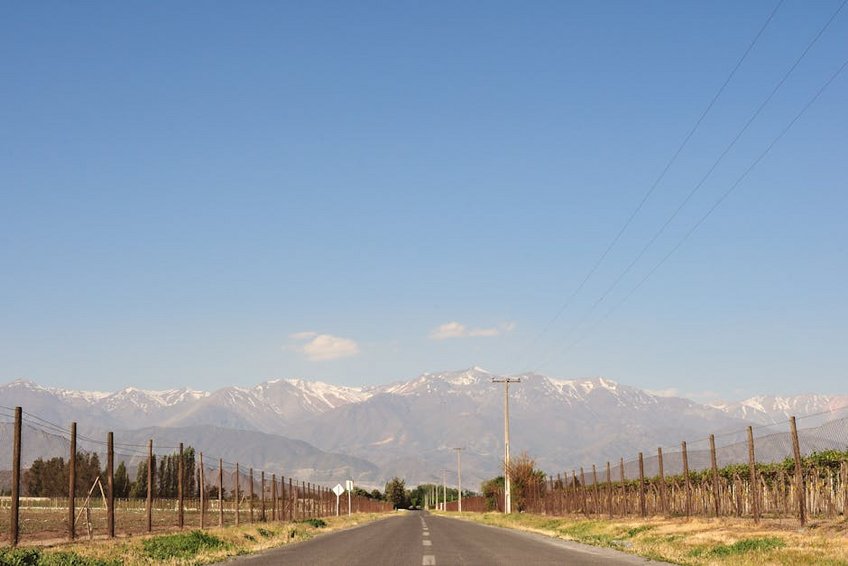
Chile Santiago January Vineyard Tours
Embarking on vineyard tours in Santiago, Chile during January places you in the heart of the Southern Hemisphere’s peak wine harvest season. The capital’s surrounding valleys buzz with activity as winemakers hand-pick grapes under sunny, long days averaging 86°F (30°C). This guide details everything for your Chilean wine adventure, from exclusive harvest experiences in the Maipo Valley to navigating the vibrant city’s summer rhythm.
Essential Chilean Wine Country Information
Chile’s central valley, anchored by Santiago, is a world-renowned wine-producing region protected by the Andes Mountains and the Pacific Ocean. This unique geography creates ideal conditions for Bordeaux varieties like Cabernet Sauvignon and Carménère, Chile’s signature grape. The country’s winemaking history dates to the 16th century, with a modern quality revolution blossoming in the 1980s.
Santiago serves as the perfect urban hub for exploring multiple distinct wine valleys within a day’s trip. Each valley offers a different terroir, from the warm, clay-rich soils of Maipo to the cooler, coastal-influenced slopes of Casablanca. Understanding these regional differences helps you select tours matching your palate preferences for robust reds or crisp whites.
Key Valleys and Their Characteristics
These valleys are easily accessible for day trips from the city center.
- Maipo Valley: The oldest and most famous region, just 30 minutes south of Santiago, is celebrated for full-bodied Cabernet Sauvignon and historic, estate-style vineyards with stunning mountain backdrops.
- Casablanca Valley: Located about an hour northwest towards the coast, this cooler valley excels with Sauvignon Blanc, Chardonnay, and Pinot Noir, offering a refreshing contrast during the warm January weather.
- Colchagua Valley: A two-hour drive south, this region is a destination for premium red wine lovers, specializing in Carménère, Syrah, and Malbec, often paired with luxurious estate tours and gourmet lunches.
- Budget-Friendly (Under $100 USD): Join a shared group tour to the Maipo Valley, including 2-3 winery visits, basic tastings, and transport. Book directly through hostel boards or platforms like Viator. Save by bringing your own lunch or eating at local empanada shops near the vineyards.
- Mid-Range ($100-$250 USD): Opt for a small-group tour to Casablanca or a focused Maipo tour featuring premium estates like Concha y Toro. This price typically includes curated tastings, a guided vineyard walk, and a multi-course gourmet lunch at a winery restaurant with paired wines.
- Luxury ($250+ USD): Arrange a private driver and guide for a custom itinerary to Colchagua Valley. Includes exclusive access, library wine tastings, meetings with winemakers, and a lavish lunch. Booking through a specialized operator like Uncorked or Turistik ensures VIP treatment.
- Chile Travel Official Tourism Board
- Wines of Chile Trade Association
Harvest Season Specifics for January
January is the climax of the vendimia, or harvest season, for early-ripening white varieties and some reds. You will witness tractors carrying grape bins and possibly see sorting tables in action at larger bodegas. The energy is palpable, and some wineries offer special “harvest experiences” where you can participate in grape picking or stomping.
This active period means certain production areas may be restricted for safety, but tours often compensate with enhanced tastings of just-fermented wines. It is crucial to book tours well in advance, as this is a popular time for international visitors and local holidaymakers. Expect warm, dry days perfect for outdoor vineyard walks and terrace tastings.
The Carménère Story – Chile’s Signature Grape
Once mistaken for Merlot, the Carménère grape found its perfect home in Chile after being virtually wiped out in Bordeaux by phylloxera. This late-ripening red grape produces wines with notes of blackberry, spice, and a characteristic green peppercorn hint. Visiting a winery specializing in Carménère provides a unique taste of Chile’s viticultural identity you cannot find elsewhere.
Many tours in the Maipo and Colchagua Valleys highlight this varietal, explaining its rediscovery and the careful canopy management required for optimal ripeness. Tasting a well-crafted Carménère alongside a classic Cabernet Sauvignon offers a fantastic comparison of Chile’s wine prowess.
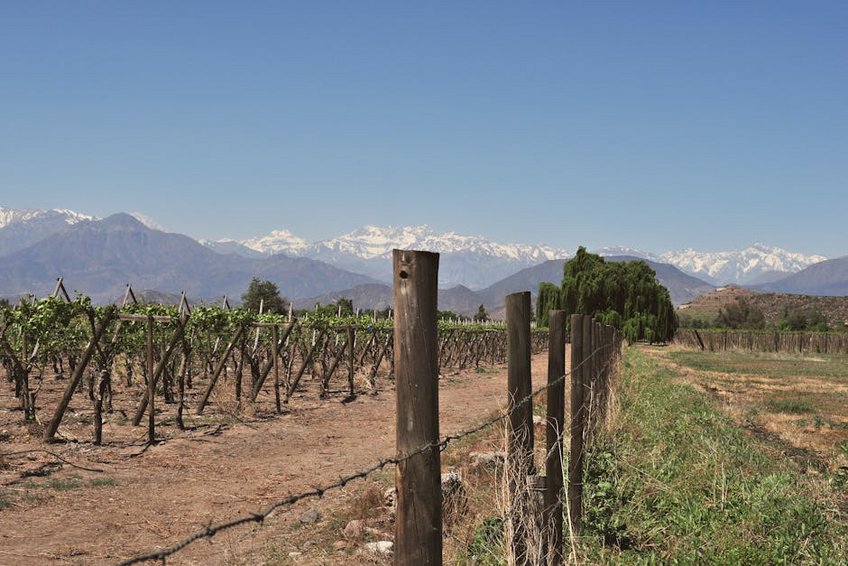
Alt: “maipo-valley-vineyard-january-harvest-andes-mountains-background”
Chile Santiago January Vineyard Tours – Planning Your Trip
Organizing your wine tour from Santiago in January requires attention to seasonal details. The summer heat demands morning tour bookings, lightweight clothing, and guaranteed transportation with air conditioning. Many premium wineries operate by appointment only, especially during the busy harvest, making pre-booking non-negotiable for a seamless experience.
Your itinerary should balance valley exploration with Santiago’s urban charms. Dedicate two to three full days for wine tours, spacing them out to avoid palate fatigue. Allocate time to visit the city’s own wine bars, like Bocanáriz in Lastarria, to taste labels from harder-to-reach regions without the drive.
Best Time to Visit Santiago’s Wine Regions
The absolute peak season for Chilean vineyard tours runs from late December through March, with January sitting squarely in the heart of it. Daytime highs average 86°F (30°C), with nighttime lows a pleasant 57°F (14°C), creating a large diurnal shift that benefits grape acidity. Rainfall is virtually nonexistent, guaranteeing sunny skies for your tours.
While crowded, January offers the unique harvest energy you cannot find other months. For slightly smaller crowds but similar weather, consider the very end of January or early February. Avoid Chilean public holidays like New Year’s Day, as many wineries will be closed, and traffic leaving the city can be intense.
Budget Planning and Costs
Tour costs vary significantly based on group size, valley distance, and winery prestige.
Essential Preparation Checklist
Pack for summer sun and sophisticated settings: sunglasses, a wide-brimmed hat, high-SPF sunscreen, and a reusable water bottle are mandatory. Wear comfortable, closed-toe shoes for walking on uneven vineyard terrain and a light layer for cool cellars. Most wineries enforce a smart-casual dress code; avoid beachwear.
Ensure your passport is valid for entry (Chile waives visa fees for US/EU citizens). Book all winery tours and major Santiago accommodations at least two months in advance. Consider travel insurance that covers trip interruption and consider renting a car only if you have a designated driver, as Chile has a strict zero-tolerance drinking-and-driving law.
Top Vineyard Experiences and Activities
Beyond standard tastings, Santiago’s wine valleys offer immersive activities capitalizing on the January harvest. Seek out experiences like blending workshops where you create your own bottle or guided walks through organic vineyards learning about sustainable practices. Many estates also feature stunning architecture, art collections, and panoramic viewpoints of the Andes.
Balance iconic, large-scale wineries with visits to boutique family-owned viñateros. The former, like Viña Concha y Toro, offer polished historical tours, while the latter provide intimate insights into small-batch production. This combination gives you a complete picture of the Chilean wine landscape.
Must-See Highlights
Viña Concha y Toro (Maipo Valley): Chile’s most famous winery offers the “Concha y Toro Marqués” tour, which includes access to the historic underground cellars and the legend of the Casillero del Diablo. It’s efficient, informative, and easily accessible, perfect for first-time visitors. Book the earliest tour to avoid crowds.
Viña Vik (Millahue): A luxury art-and-wine destination about two hours south. The stunning titanium-clad hotel and winery is an architectural marvel. Tastings are by appointment only and feature their exceptional flagship blend. The journey itself, through rolling hills, is spectacular.
Emiliana Organic Vineyards (Casablanca Valley): A leader in biodynamic and organic wines. Their “Adobe Tour” includes a walk through their gardens and vineyards, explaining their eco-philosophy, followed by a tasting of their excellent Coyam and Novas wines.
Hidden Gems and Local Favorites
Venturing off the main tour bus routes reveals authentic charm. In the Maipo Alto (Upper Maipo), seek out smaller producers like Viña Aquitania, co-owned by a Bordeaux winemaking legend, offering personal tours with breathtaking views of Santiago. Their Lazuli Cabernet Sauvignon is a standout.
In the Casablanca Valley, family-run Viña Morandé is known for innovation, pioneering plantings in the region. They offer a fun “Wine Truck” tour through the vineyards and have a quirky collection of old cars. Their “Pionero” wine range offers excellent value.
Harvest Participation Experiences
A handful of vineyards offer true hands-on harvest programs in January. These typically start very early in the morning and involve several hours of grape picking alongside seasonal workers, followed by a traditional harvesters’ lunch and a tasting. Operators like Ampelō Tours can arrange these authentic, physically demanding, and incredibly rewarding experiences.
These are not commonly advertised; they require direct inquiry or a specialized tour operator. They provide a deep, memorable connection to the land and the annual cycle of winemaking that a standard tasting cannot match.
Practical Travel Information for Santiago
Navigating Santiago and its surrounding valleys is straightforward with proper planning. The city’s modern metro system is efficient for urban travel, but you’ll need other transport for wineries. Rideshare apps like Uber and Cabify are widely used and reliable for getting to nearby valleys, but for full-day, multi-stop tours, a pre-booked driver or guided tour is safest and most convenient.
Accommodation choices should be based on your preferred balance of city life and vineyard proximity. Neighborhoods like Providencia and Las Condes are upscale, safe, and full of excellent restaurants. The bohemian Lastarria district is more central and walkable, with great nightlife.
| Accommodation Type | Best For / Features | Price Range (USD)/Night |
|---|---|---|
| Luxury Wine Hotel | Staying in a vineyard estate (e.g., Viña Vik, Casa Real); ultimate immersion, spa, on-site fine dining. | $400 – $1000+ |
| Uscale City Hotel | Hotels in Las Condes/Providencia (e.g., The Ritz-Carlton); luxury base, pools, concierge help with tour bookings. | $200 – $400 |
| Boutique Hotel | Properties in Lastarria (e.g., The Singular); central location, design-focused, walkable to restaurants & sites. | $150 – $300 |
| Mid-Range Apartment | Airbnb in Ñuñoa or Providencia; more space, kitchenette, local neighborhood feel, good for longer stays. | $80 – $150 |