Cheapest cities to visit in Europe: Updated Tips 2025

Cheapest Cities to Visit in Europe for Budget Travelers

Exploring Europe doesn’t require a massive budget if you know where to look. Several vibrant cities offer rich history, incredible food, and lively culture at a fraction of the price of Western European capitals. This guide highlights the best budget destinations where your dollar stretches furthest, from the Balkans to Eastern Europe.

Understanding European Budget Travel

Budget travel in Europe focuses on regions with favorable exchange rates and lower costs of living. Eastern and Southeastern Europe provide outstanding value. You’ll experience authentic culture without the premium prices of Paris or Rome.

Daily expenses in these destinations can be one-third of those in Western Europe. This includes accommodation, meals, transportation, and entrance fees. The key is targeting cities where the local economy benefits budget-conscious visitors.

What Makes a City Budget-Friendly?

Several factors determine a destination’s affordability for travelers.

  • Local Currency Strength: Cities in countries like Poland, Hungary, and Serbia use currencies weaker than the Euro, dramatically increasing purchasing power for dollar or euro holders.
  • Cost of Living: Lower everyday costs for residents translate to cheaper restaurants, markets, and services for visitors compared to high-cost Western European countries.
  • Tourist Infrastructure: Affordable public transport, free walking tours, and reasonably priced attractions keep daily budgets low without sacrificing experience quality.
  • Regional Value Breakdown

    The Balkans offer some of Europe’s best travel bargains. Countries like Bosnia, Albania, and North Macedonia are emerging destinations. Prices here remain refreshingly low as tourism develops.

    Central European gems like Poland and Czechia balance affordability with excellent infrastructure. These nations provide a seamless travel experience for first-time visitors to the region. You get Western convenience at Eastern European prices.

    Budgeting for Different Travel Styles

    Shoestring backpackers can survive on $40-50 USD daily in the cheapest cities. This covers hostel dorms, supermarket meals, and public transport. Mid-range travelers spending $70-90 USD daily enjoy private rooms, restaurant meals, and paid attractions.

    Your budget allocation shifts dramatically between destinations. In Western Europe, accommodation dominates expenses. In budget cities, you can splurge on experiences and dining while maintaining a low total cost.
    Cheapest cities to visit in Europe

    Alt: “krakow-main-square-historic-buildings-budget-travel-europe”

    Cheapest Cities to Visit in Europe – Planning Your Trip

    Strategic planning maximizes your budget across these affordable European destinations. Focus on shoulder seasons like May-June and September-October. You’ll avoid summer crowds and peak prices while enjoying pleasant weather.

    Combine cities within the same region to minimize travel costs. Use budget airlines or efficient trains and buses. Booking accommodation a few months in advance secures the best rates, especially for longer stays.

    Best Time to Visit for Value

    Visit during the shoulder seasons of April-May and September-October for optimal value. Temperatures range from 55-70°F (13-21°C) with fewer tourists. You’ll find lower flight and hotel prices compared to the July-August peak.

    Winter months from November to February offer the lowest prices, particularly in Central Europe. Expect temperatures of 30-45°F (-1 to 7°C). Some attractions may have shorter hours, but Christmas markets add magical atmosphere in December.

    Budget Planning and Costs

    Daily budgets vary significantly based on your travel style and destination tier.

    1. Budget Backpacker: $35-50 USD per day covers hostel dorm beds, self-catered meals, free walking tours, and public transport. This works in cities like Sarajevo and Belgrade.
    2. Mid-Range Traveler: $65-85 USD daily allows private Airbnb rooms, daily restaurant meals, museum entries, and occasional taxis. This suits Krakow and Budapest perfectly.
    3. Comfort Traveler: $100-130 USD daily gets hotel stays, fine dining, guided tours, and premium experiences. Even this “splurge” level costs less than basic travel in Western Europe.
    4. Essential Preparation Checklist

      Pack versatile clothing suitable for walking and layering, plus comfortable shoes for cobblestone streets. Bring a reusable water bottle and universal power adapter. Download offline maps and translation apps before departure.

      Ensure your passport has at least six months validity. EU passport holders need no visa for these destinations. US citizens can visit all listed countries visa-free for up to 90 days. Purchase travel insurance covering medical emergencies and trip interruptions.

      Top Affordable European Cities to Visit

      These destinations deliver incredible experiences without draining your savings. From historic centers to vibrant nightlife, each city offers unique attractions at accessible price points. You’ll discover why budget travel doesn’t mean compromising on quality.

      Northern Macedonian capital Skopje dazzles with monumental architecture and a bustling Old Bazaar. Daily costs here rank among Europe’s lowest. The mix of Ottoman heritage and quirky modern statues creates a fascinating urban landscape.

      Must-See Highlights on a Budget

      Krakow’s magnificent Main Market Square and Wawel Castle cost nothing to admire. Pay only for castle interior tours. The historic Jewish Quarter, Kazimierz, offers atmospheric streets and affordable eateries. Visit the sobering Auschwitz-Birkenau memorial on a day trip.

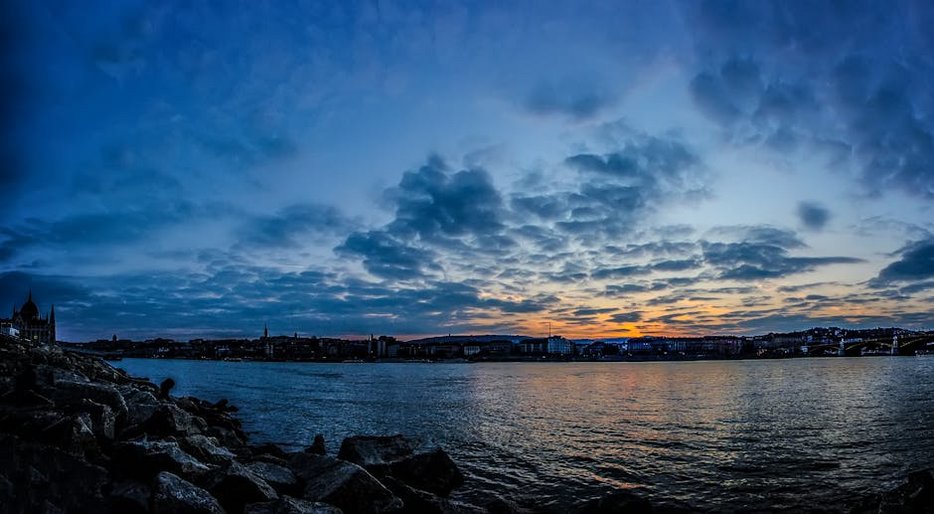
      Budapest’s thermal baths provide luxurious relaxation at reasonable prices. Széchenyi Baths cost around $20 USD for a day pass. The Danube promenade, Parliament building, and Fisherman’s Bastion offer free spectacular views. Take the historic Castle Hill funicular for a small fee.

      Hidden Gems and Local Favorites

      Sarajevo’s Baščaršija quarter transports you to Ottoman times with copper workshops and cevapi stands. The Sarajevo Rose memorials and Tunnel Museum reveal poignant recent history. Ride the cable car to Mount Trebević for panoramic city views.

      Belgrade’s Bohemian quarter, Skadarlija, features traditional restaurants with live music. The imposing Kalemegdan Fortress offers free access and sunset views over the Danube and Sava rivers. Experience the city’s famous nightlife in splavovi (river barges).

      Cultural Capitals with Small Price Tags

      Prague’s historic center, a UNESCO site, is free to explore. Pay only for entering specific attractions like Prague Castle. The Lesser Town and Charles Bridge provide endless photographic opportunities. Find affordable Czech cuisine in local pubs away from the main tourist square.

      Bucharest combines grandiose Communist architecture with charming French-inspired quarters. The colossal Palace of Parliament tour costs under $15 USD. Herăstrău Park offers free relaxation, while the historic Lipscani district buzzes with affordable bars and restaurants.

      Practical Travel Information for Budget Cities

      Getting to these destinations is increasingly affordable with budget airlines. Wizz Air and Ryanair serve many Eastern European hubs. Consider flying into one major city and using ground transportation to reach others. Overland travel between these countries is inexpensive and scenic.

      Accommodation ranges from hostel dorms to boutique hotels at Western hostel prices. Airbnb offers excellent value for apartments, especially for groups or longer stays. Local guesthouses (pensions) provide authentic hospitality at family-run establishments.

      Getting There and Around

      Fly into Budapest (BUD), Krakow (KRK), or Belgrade (BEG) from major European hubs. Budget airlines offer direct routes from London, Berlin, and Milan. Use Skyscanner or Google Flights to find the cheapest connections to your chosen region.

      Intercity trains and buses connect these destinations affordably. Companies like FlixBus and RegioJet offer comfortable journeys for $20-40 USD between cities. Local public transport within cities costs $2-5 USD daily for unlimited travel passes. Walking is often the best way to explore compact historic centers.

      Where to Stay

      Stay in city centers for walkable access to major sights. In Krakow, choose the Old Town or Jewish Quarter. Budapest offers great value in the Jewish District or near Deák Ferenc tér. Belgrade’s best locations are near the fortress or in the Savamala district.

      Book hostels through Hostelworld for reviewed budget options. Use Booking.com for hotels and guesthouses, filtering by price and guest ratings. For stays longer than three nights, Airbnb often provides better value with kitchen access to save on meals.

      Cheapest cities to visit in Europe

      Alt: “budapest-parliament-river-danube-evening-lights-budget-destination”

      Food, Culture, and Local Experience on a Budget

      Affordable cities boast vibrant food scenes where local specialties cost little. Street food and market halls provide authentic tastes at minimal prices. Dining at traditional restaurants (not tourist-oriented ones) offers fantastic value for multi-course meals.

      Cultural experiences abound without expensive tickets. Free walking tours operate in every city, with guides working for tips. Many museums offer free admission days monthly. Simply wandering historic neighborhoods reveals architectural wonders at no cost.

      Local Cuisine and Must-Try Dishes

      Polish pierogi (dumplings) cost $4-8 USD for a substantial portion. Try various fillings like meat, cheese, or seasonal berries. Hungarian goulash soup makes a hearty meal for $5-7 USD. Pair it with fresh bread from local bakeries.

      Bosnian ćevapi (grilled minced meat) served with somun bread and onions costs $3-6 USD. Serbian pljeskavica (spiced meat patty) in lepinja bread is similarly priced. These street food options provide delicious, filling meals without restaurant markups.

      Cultural Tips and Etiquette

      Learn basic greetings in local languages: “Dzień dobry” in Polish, “Jó napot” in Hungarian. Locals appreciate the effort. Dress modestly when visiting religious sites, covering shoulders and knees. Remove shoes when entering homes in Balkan countries.

      Tipping 10% is customary in restaurants across the region. Round up taxi fares to the nearest whole number. Bargaining is acceptable in markets but not in shops with fixed prices. Always carry some local currency, as small establishments may not accept cards.

      Saving on Entertainment and Nightlife

      Enjoy affordable classical music concerts in historic churches. Tickets often cost $10-15 USD. Many cities offer cheap theater performances in local languages with visual appeal transcending language barriers. Summer brings free outdoor festivals and concerts in public squares.

      Local pubs serve excellent regional beers for $2-4 USD. Avoid tourist bars near main squares where prices triple. Experience ruin bars in Budapest or kafanas in Belgrade for unique nightlife at reasonable prices. Pre-drink at your accommodation to reduce bar expenses.

      Sources and References

      • Rough Guides Europe Travel Information
      • Numbeo Cost of Living Comparisons
      • Frequently Asked Questions

        When is the best time to visit Europe on a budget?

        Visit during shoulder seasons of April-May or September-October for ideal balance. You’ll avoid peak summer prices while enjoying mild temperatures of 60-75°F (15-24°C). Winter offers the lowest prices but shorter daylight and colder weather around 35-45°F (2-7°C).

        How much does a week in budget European cities cost?

        A week costs $350-500 USD for budget travelers and $600-850 USD for mid-range comfort. This includes accommodation, food, transport, and attractions. Flights from the US add $500-900 USD roundtrip depending on season and advance booking.

        How many days do you need for each budget European city?

        Plan 3-4 days per city to see major highlights without rushing. This allows time for historic centers, key museums, day trips, and local dining experiences. With 10 days, you can comfortably explore two cities with travel time between them.

        How do you get between cheap European cities?

        Use budget airlines like Wizz Air for longer distances or trains and buses for shorter routes. FlixBus offers extensive European network with fares from $15-40 USD for 4-8 hour journeys. Trains provide scenic travel, often comparable in price to buses.

        Where should you stay in budget European cities?

        Stay in city center hostels or budget hotels for walkable access to attractions. Areas just outside main tourist zones offer better value with easy public transport access. Choose accommodations with kitchen facilities to reduce food costs through self-catering.

        Are budget European cities safe for travelers?

        Yes, these destinations maintain good safety records with standard precautions advised. Petty theft like pickpocketing occurs in crowded tourist areas as in any city. Use common sense: secure valuables, avoid poorly lit areas at night, and be aware of your surroundings.

        Do you need special preparation for budget European travel?

        Yes, research visa requirements and purchase travel insurance with medical coverage. Inform your bank of international travel to prevent card blocks. Download offline maps and translation apps. Pack versatile clothing and comfortable walking shoes for extensive exploration.

        Maximizing Your European Budget Adventure

        These affordable European destinations prove that memorable travel doesn’t require lavish spending. You’ll experience rich history, vibrant cultures, and delicious cuisine while maintaining a reasonable daily budget. Focus on regions with favorable exchange rates and developing tourist infrastructures.

        Your search for the cheapest cities to visit in Europe succeeds with strategic timing, smart transportation choices, and local-style accommodation. Prioritize experiences over luxury, tasting authentic street food and joining free walking tours for genuine cultural immersion.

        Which combination of budget-friendly capitals appeals most to your travel interests for an economical European journey?

        Related Stories

        spot_img

        Discover

        Top Indonesia Nyepi Silence Day Bali Guide 5 Tips

        Indonesia Nyepi Silence Day Bali Nyepi, the Balinese Day of Silence, transforms the vibrant island...

        Complete Vietnam Hue Festival Cultural Events Journey 3 Tips

        Vietnam Hue Festival Cultural Events The Vietnam Hue Festival cultural events represent a spectacular biennial...

        2026 Updated Thailand Songkran Water Festival Preparations

        Thailand Songkran Water Festival Preparations The Thailand Songkran Water Festival is the most exuberant and...

        Ultimate Peru Lima Gastronomy Festival Experience 7 Tips

        Peru Lima Gastronomy Festival: A Culinary Tour of the Andes and Amazon Each October, the...

        Complete Greece Independence Day March Journey 15 Tips

        Greece Independence Day March 2025: A Visitor's Guide to the Celebration March 25th in Greece...

        Complete Italy Rome Easter Celebrations Adventure 3 Tips

        Italy Rome Easter Celebrations: A Guide to Holy Week in the Eternal City Experiencing Easter...

        Popular Categories

        Comments

        LEAVE A REPLY

        Please enter your comment!
        Please enter your name here

      City Budget Accommodation (Night) Meal Cost Public Transport Daily
      Krakow, Poland Hostel: $12-18, Hotel: $40-60 $6-12 USD $3-4 USD
      Budapest, Hungary Hostel: $10-16, Hotel: $35-55 $7-14 USD $4-5 USD
      Sarajevo, Bosnia Hostel: $8-14, Hotel: $25-40 $5-10 USD $2-3 USD
      Belgrade, Serbia Hostel: $9-15, Hotel: $30-45 $6-11 USD $2-3 USD