Caravan Routes in Turkey: Journey Through Ancient Trade Paths
Exploring the caravan routes in Turkey offers a profound connection to history, tracing the footsteps of merchants, pilgrims, and empires along the legendary Silk Road. These ancient networks, spanning from the cosmopolitan bazaars of Istanbul to the remote caravanserais of Cappadocia, reveal a layered narrative of cultural exchange and architectural wonder. This guide details the most significant historical trails, practical travel logistics for the modern explorer, and the immersive experiences that bring this epic journey to life.
The Historical Tapestry of Turkish Trade Routes
Turkey’s position as a continental bridge made it the definitive crossroads of the ancient world. For over a millennium, its caravan routes facilitated the movement of silk, spices, and ideas between Europe and Asia. This exchange shaped global commerce, religion, and culture, leaving an indelible mark on the landscape.
The most famed network was the Silk Road, but several critical branches traversed Anatolia. The King’s Road, an even older path used by Persian rulers, connected Sardis to Susa. Later, Roman and Byzantine roads were integrated into the system, followed by the extensive Seljuk and Ottoman networks that built the iconic caravanserais still standing today.
Key Historical Periods and Influences
Understanding the chronology helps appreciate the sites you’ll visit.
- Persian Era (6th-4th Century BC): Established the Royal Road, enabling rapid communication across the empire with relay stations, setting a precedent for organized long-distance travel.
- Roman & Byzantine Era (1st Century BC – 11th Century AD): Enhanced routes with stone-paved roads and bridges for military and trade, integrating Anatolia into the Mediterranean economic sphere.
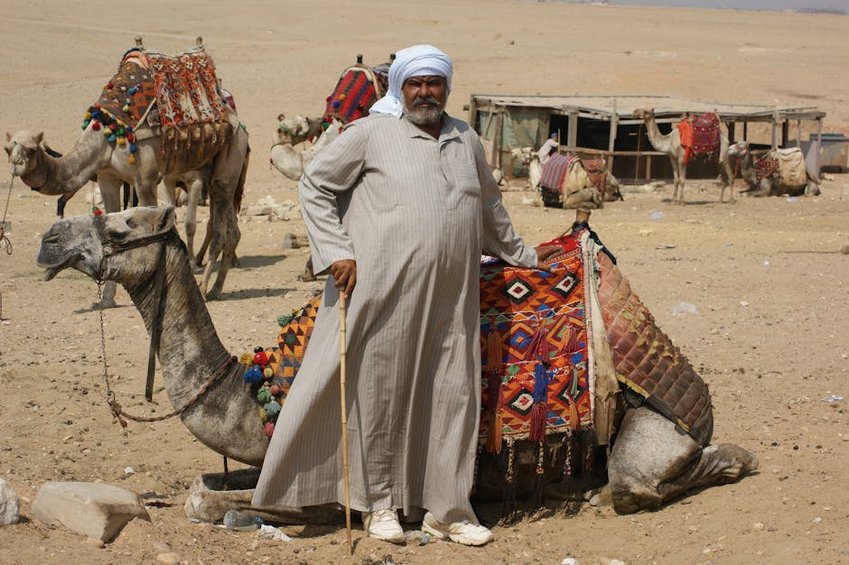
- Seljuk Era (11th – 13th Century): Constructed robust caravanserais approximately every 25-30 miles (40-48 km), a day’s journey by camel, focusing on security and hospitality for merchants.
- Budget Traveler ($50-80/day): Stay in guesthouses or hostels, use intercity buses to reach major hubs like Konya or Göreme, and visit freely accessible ruins. Focus on self-catering and public transport. Entrance fees to state-run caravanserais are typically under $5.
- Mid-Range Explorer ($100-200/day): Rent a compact car for flexibility ($30-50/day), stay in comfortable boutique hotels or restored manor houses, and enjoy meals at local restaurants. This budget allows guided day tours to specific sites and more frequent paid attractions.
- Luxury Cultural Journey ($300+/day): Hire a private driver-guide, stay in luxury cave hotels in Cappadocia or five-star hotels in cities, and enjoy private guided tours of archaeological sites. This includes fine dining and exclusive access experiences, such as private viewings of caravanserais.
- Republic of Türkiye Ministry of Culture and Tourism
- UNESCO World Heritage Centre – Anatolian Seljuks Caravanserais
Architectural Legacy: The Caravanserai
The caravanserai is the defining architectural feature of these trails. These fortified inns provided safety, shelter, and facilities for caravans. Their design typically included a massive portal, a central courtyard, stables for animals, and rooms for merchants. They often featured mosques, hamams (bathhouses), and repair workshops.
Their strategic placement was meticulous. Building them a day’s travel apart ensured traders could move reliably across harsh terrain. This network enabled not just trade but also the spread of technology, art, and religious thought, making them hubs of cross-cultural interaction far beyond simple rest stops.
The Silk Road’s Anatolian Branches
The Silk Road wasn’t a single path but a web. In Turkey, two primary corridors were essential. The northern route ran from Trabzon on the Black Sea through Erzurum and into Persia. The more traveled southern route entered from Syria, passing through Gaziantep, Konya, Aksaray, and then diverging toward Ankara or Constantinople.
Each branch served different goods and climates. The southern route offered milder winters and access to Mediterranean ports. The northern route was crucial for goods from the Caucasus and the steppes. Major cities like Konya thrived as administrative and commercial centers where these paths converged.
Alt: “seljuk-caravanserai-courtyard-architecture-anatolia-turkey”
Caravan Routes in Turkey – Planning Your Journey
Modern exploration of these historic trails requires blending adventure with comfort. You can choose between a curated road trip focusing on key caravanserais or dedicated long-distance hiking segments. Your itinerary depends largely on your interests: deep history, photography, or immersive trekking. Research is crucial, as some remote sites have limited facilities.
A self-drive itinerary offers maximum flexibility. Renting a car in Istanbul, Ankara, or Kayseri allows you to visit off-the-beaten-path caravanserais at your own pace. Alternatively, joining a specialized cultural tour provides expert guides who explain historical context you might otherwise miss. Your choice defines the depth of your experience.
Best Time to Visit the Ancient Routes
Visit between late April and early June or September to October for ideal conditions. During these months, daytime temperatures range from 65-80°F (18-27°C), and rainfall is minimal, perfect for both driving and hiking. The landscapes in spring are green and filled with wildflowers, while autumn offers golden hues and softer light.
July and August bring intense heat, often exceeding 95°F (35°C) in central Anatolia, making extended outdoor exploration strenuous. Winter, from November to March, can be harsh with snow closing highland passes and temperatures dropping below freezing, though it offers a stark, beautiful solitude at sites like Sultanhanı.
Budget Planning and Costs
Costs vary widely based on travel style and comfort level.
Essential Preparation Checklist
Packing requires consideration for variable climates and active days. Bring sturdy, broken-in hiking boots for exploring rocky sites, layers for temperature shifts, and sun protection. A reliable power bank, offline maps (Google Maps or Maps.me), and a detailed paper road atlas are crucial for remote areas with poor cell service.
Secure an international driving permit if renting a car. Book rental vehicles and key accommodations months in advance for peak seasons. While major routes are safe, inform your accommodation of daily travel plans when heading to very remote locations. Travel insurance covering road trips and potential hiking is highly recommended.
Top Historical Routes and Must-Visit Sites
Following the caravan trails today takes you through diverse landscapes and magnificent ruins. The most rewarding approach is to connect major caravanserais, which act as historical waypoints. Each region offers a different character, from the otherworldly rock valleys of Cappadocia to the vast plains of central Anatolia.
Focus on routes that cluster several significant sites within a reasonable drive. The Aksaray-Kayseri corridor, for instance, contains some of Turkey’s best-preserved Seljuk inns. Combining these with natural wonders like the Ihlara Valley or underground cities creates a richly layered trip blending history with stunning geography.
Must-See Caravanserais and Stops
Sultanhanı Caravanserai (Aksaray): This is the largest and best-preserved Seljuk caravanserai in Turkey. Its monumental entrance, intricate stonework, and vast courtyard are awe-inspiring. Arrive early to avoid tour buses and photograph the morning light streaming into the central hall.
Şarapsa Han (Antalya Region): Located near the Mediterranean coast, this 13th-century han highlights the route’s extension to the sea. It’s smaller but beautifully situated and less crowded, offering a more intimate feel. It’s easily accessible on a day trip from Antalya.
Agzıkarahan (Aksaray-Cappadocia): A favorite for its photogenic, honey-colored stone and relatively remote setting. It features a small mosque atop its entrance and well-preserved living quarters. It’s often quieter than Sultanhanı, allowing for peaceful contemplation.
Hidden Gems and Lesser-Known Paths
Venture off the main circuit to discover sites like Alara Han, near the Alara River, which combines a caravanserai with a dramatic castle on a nearby hill. It’s rarely visited and offers a sense of raw discovery. The route to it is scenic, passing through citrus groves.
Another secret is the network of paths in the Taurus Mountains. These ancient trails connected the coastal plains to the central plateau. While challenging to trace fully, sections can be hiked with a local guide, revealing forgotten bridges and waymarkers far from modern roads.
The Cappadocia Connection
Cappadocia was a vital hub on the southern Silk Road branch. Merchants would rest and trade in towns like Aksaray before navigating the region’s unique terrain. The Göreme valley itself contains rock-cut churches adorned with frescoes funded by Silk Road wealth.
Explore the Caravanserai of Sarıhan near Avanos, which now hosts nightly whirling dervish ceremonies. While partially reconstructed, it evokes the era’s atmosphere. The underground cities, like Derinkuyu, provided secure shelter for entire caravans during times of conflict, adding a fascinating defensive dimension to the journey.
Practical Travel and Logistics
Navigating modern Turkey to reach these ancient paths is straightforward with planning. The country has excellent long-distance bus networks connecting all major cities, which serve as perfect hubs for regional exploration. For the deepest flexibility, a rental car is unmatched, allowing spontaneous stops at unmarked ruins and rural villages.
Accommodation ranges from basic pensions in small towns to world-class hotels. In key historical towns like Konya or Aksaray, opt for hotels in the city center for easy access to museums and other sites. In Cappadocia, the unique cave hotels offer an experience in themselves.
| Route Segment | Key Stops & Features | Recommended Duration |
|---|---|---|
| Istanbul to Konya | Sultanhanı, İncirli Han, Konya’s Alaaddin Hill & Mevlana Museum | 3-4 Days |
| Cappadocia Loop | Ağzıkarahan, Sarıhan, Ihlara Valley, Underground Cities | 4-5 Days |
| Antalya to Cappadocia | Şarapsa Han, Alara Han, Eğirdir Lake, Kovada Lake | 5-6 Days |
| Eastern Anatolia (Advanced) | Erzurum, Divriği Great Mosque (UNESCO), remote mountain hans | 7+ Days |