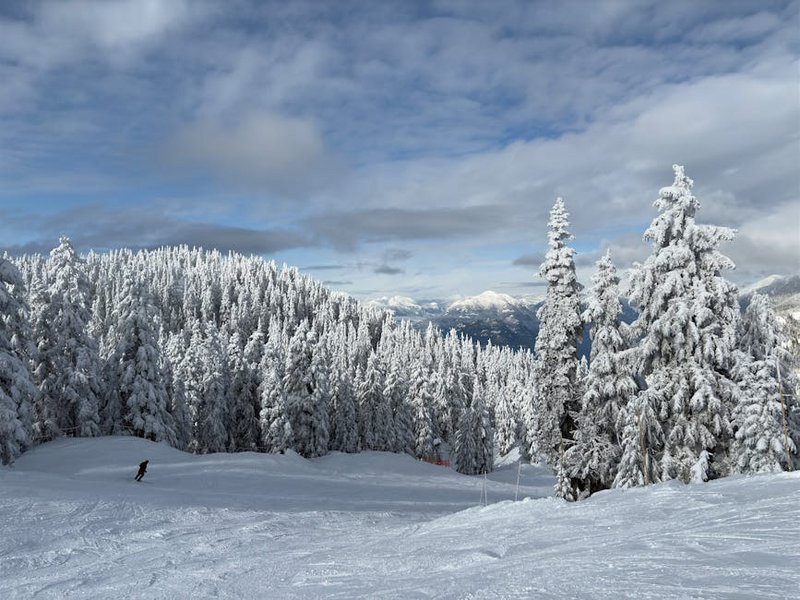
Canada Whistler January Ski Conditions
Hitting the slopes in Whistler during January offers reliable deep snow, consistent cold temperatures, and a vibrant alpine atmosphere. You’ll find the mountain’s upper elevations fully open, with peak snowpack often exceeding 300 centimeters by mid-month, providing exceptional coverage for both groomed runs and off-piste adventures. This guide details exactly what to expect from the weather, terrain, and essential planning steps for your trip.
Understanding Whistler in January
January is the heart of the winter season in the Coast Mountains of British Columbia. The month typically brings the most consistent cold of the year, locking in the substantial snow that falls from November onwards. This creates a stable, deep snowpack across Whistler Blackcomb’s vast terrain, making it a premier destination for serious skiers and snowboarders.
The village buzzes with post-holiday energy, hosting world-class events like the Whistler Pride and Ski Festival. While early January can see residual holiday crowds, the latter half settles into a steady rhythm with shorter lift lines. You trade the possibility of holiday sunshine for a higher probability of significant snowfall, which is the ultimate prize for many winter sports enthusiasts.
Weather and Snowfall Patterns
January weather is characterized by sustained cold and frequent storms rolling in from the Pacific Ocean. Average daytime temperatures at mid-mountain range from 23°F to 32°F (-5°C to 0°C), with overnight lows often dropping into the teens. It’s crucial to prepare for true winter conditions, including potential whiteouts and rapid weather changes during storm cycles.
- Snowfall averages around 200 inches (500 cm) for the month, with storms frequently delivering 6-12 inches in a 24-hour period.
- The “Freezing Level” is typically at or below village elevation, ensuring quality snow from top to bottom.
- Bluebird days do occur, often following a major storm, offering spectacular visibility and photo opportunities.
- Budget: $150-250 USD per person per day covers a hostel dorm, multi-day lift pass discounts, grocery meals, and public transit. Focus on packing your lunch and staying in Whistler Hostel or Creekside locations.
- Mid-Range: $350-550 USD per person per day gets a hotel room in the Upper Village, standard lift tickets, a few restaurant meals, and group lessons. Look for packaged deals that bundle lodging and lifts through Whistler Blackcomb.
- Luxury: $700+ USD per person per day affords ski-in/ski-out suites, premium lift passes with line-skipping, fine dining, private guides, and spa treatments. The Four Seasons and Fairmont Chateau Whistler offer this full-service experience.
- Whistler Blackcomb Official Website
- Environment Canada Weather Data
Mountain Terrain and Conditions
By January, virtually 100% of Whistler Blackcomb’s terrain is open and accessible. The alpine bowls on both mountains hold deep, often untracked powder for days after a storm. Grooming operations are in full swing, providing excellent corduroy on over 5,000 acres of designated runs for all ability levels.
The famous Peak to Creek run on Whistler is typically fully covered, allowing for the epic 11-kilometer descent. Glacier skiing on Blackcomb’s Horstman Glacier provides reliable, high-altitude conditions. Tree skiing in areas like Symphony Bowl on Whistler or the Crystal Zone on Blackcomb offers fantastic visibility and protection during snowy weather.
Crowds and Village Atmosphere
The first week of January remains busy with holiday visitors, leading to longer lift lines, especially at the main gondolas. From the second week onward, crowds diminish significantly, creating a more local feel with manageable wait times. Weekdays, in particular, offer a near-private mountain experience compared to peak periods.
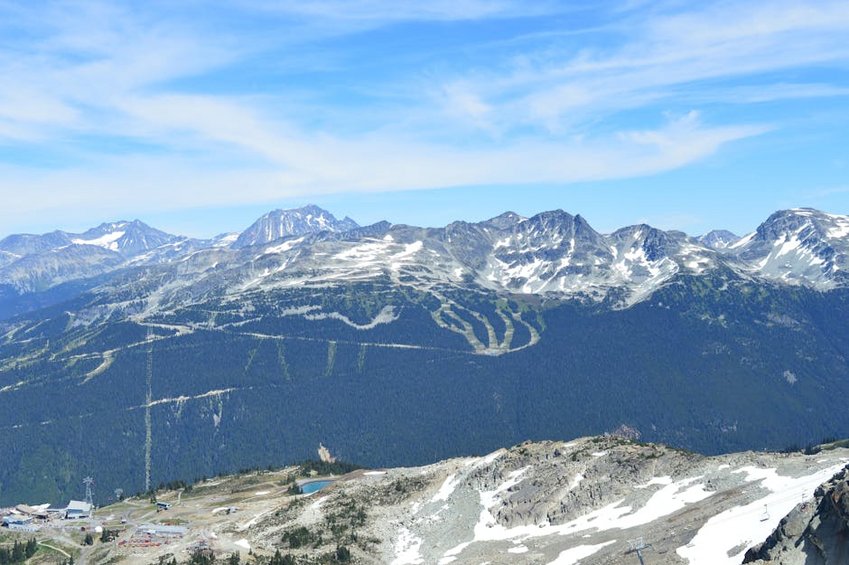
Alt: “whistler-blackcomb-january-snowstorm-ski-lifts-alpine”
Canada Whistler January Ski Conditions – Planning Your Trip
Successfully navigating a January ski holiday in Whistler hinges on strategic preparation for the weather and mountain logistics. Your primary goal should be embracing the cold and snow, not fighting it. This means prioritizing gear that keeps you dry and warm, along with a flexible mindset for days when visibility is low or snowfall is heavy.
Booking key elements like lodging, lift tickets, and lessons well in advance is still advised, especially for the first half of the month. While not as frantic as December, prime ski-in/ski-out accommodations fill quickly. Consider the trade-off between absolute village convenience and the value found in nearby Upper Village or Creekside locations.
Best Time to Visit Whistler for January Skiing
For the deepest snow and fewest people, target the last two weeks of January. Snowpack is at its seasonal peak, and the post-holiday crowd exodus is complete. Average daily highs hover around 28°F (-2°C), with consistent overnight lows that preserve snow quality. Early January, from the 2nd to the 10th, still sees holiday visitors but offers a festive village atmosphere.
The third week of January is often considered the “sweet spot,” balancing excellent conditions with relative tranquility. Be mindful that major events like Whistler Pride (late January) can bring a surge of visitors, so check the calendar. Regardless of the week, you are virtually guaranteed skiable terrain across the entire resort.
Budget Planning and Costs
A January ski trip requires a realistic budget for premium winter conditions.
Essential Preparation Checklist
Your packing list must defend against wet, cold coastal mountain weather. Essential items include a waterproof and breathable shell jacket and pants, quality thermal baselayers, insulated mid-layers, and waterproof gloves or mittens with liners. Goggles with low-light lenses are as important as sunny-day ones for storm conditions.
Ensure your travel documents are in order; U.S. and EU citizens do not need a visa for tourist stays under 180 days. Purchase travel insurance that explicitly covers winter sports and potential mountain resort closures due to extreme weather. Book airport transfers from Vancouver (YVR) in advance, as shuttles fill quickly during the winter season.
On-Mountain Experience and Activities
January’s conditions unlock the full potential of North America’s largest ski resort. Beyond downhill skiing and snowboarding, the landscape transforms into a playground for snowshoeing, cross-country skiing, and winter hiking. The deep snow cover creates ideal conditions for backcountry access via the designated routes off Blackcomb Mountain, though this requires proper avalanche training and equipment.
Guided experiences, such as snowmobile tours to the Callaghan Valley or twilight snowshoe adventures, provide unique perspectives on the winter wilderness. The mountain hosts various clinics and workshops, from freestyle development camps to women’s-specific ski workshops, leveraging the excellent mid-winter conditions for skill progression.
Must-See Highlights and Runs
On Whistler Mountain, head to the Peak Express on a clear day for the iconic descent from the summit down Whistler Bowl or the challenging Papoose Trees. The Symphony Amphitheatre, accessed via the Symphony Express, offers a vast area of intermediate-friendly bowl skiing that holds powder beautifully. For a long, groomed cruiser, the Dave Murray Downhill run is a must.
On Blackcomb Mountain, the Glacier Express lift services the breathtaking Blackcomb Glacier and the steep chutes of the Jersey Cream area. The Seventh Heaven lift provides access to high-alpine, sun-exposed runs with incredible views. Don’t miss the chance to ski the world-famous Peak 2 Peak Gondola for a unique transfer between mountains over the Fitzsimmons Valley.
Hidden Gems and Local Favorites
Venturing off the main trails reveals quieter, powder-filled zones. On Whistler, explore the often-overlooked terrain off the Catskinner Chair on the lower mountain, which features fun, rolling glades. The West Cirque area, when open, offers advanced, hike-to terrain with a true alpine feel. Locals often find fresh tracks in the lesser-gladed areas surrounding the Emerald Express chair.
For a break from skiing, the Lost Lake trail network provides 30 kilometers of professionally groomed cross-country ski and snowshoe trails just minutes from the village. The Train Wreck hiking trail, accessible via a suspension bridge in Function Junction, is a unique, flat walk to a historical site, perfect for a non-ski day.
Family-Friendly Activities and Zones
Whistler is exceptionally family-friendly in January. The Magic Chair on Blackcomb and the Olympic Chair on Whistler provide gentle, protected learning areas. The Tree Fort on Blackcomb and the Magic Castle on Whistler are enchanting, on-snow playgrounds for children. Book ski school lessons early, as they are in high demand and provide the best foundation for young skiers.
Off the slopes, the Whistler Sliding Centre offers public bobsleigh and skeleton rides, an unforgettable thrill. The Audain Art Museum in the village presents a world-class collection of British Columbian art. For evening fun, the Vallea Lumina multimedia night walk in the Cougar Mountain forest is a magical experience for all ages.
Practical Travel Information
Navigating travel to and within Whistler in January requires careful consideration of weather impacts. The Sea to Sky Highway (Highway 99) from Vancouver is a scenic but sometimes challenging drive that can be affected by snow, ice, and avalanche control work. All vehicles traveling the route between October and March are required by law to carry winter tires with the mountain/snowflake symbol or chains.
Accommodation ranges from luxury hotels and condominiums to budget-friendly hostels and Airbnb listings. Staying in Whistler Village places you steps from the gondolas and amenities, while Creekside offers a quieter base with its own direct gondola to mid-Whistler. The complimentary Whistler Village Shuttle (Route 4/5/6) efficiently connects all neighborhoods.
| Accommodation Type | Best For & Location Tips | January Price Range (USD per night) |
|---|---|---|
| Ski-in/Ski-out Condo/Hotel | Ultimate convenience, families, minimizing walk in gear. Focus on Upper Village or Blackcomb Base. | $400 – $900+ |
| Whistler Village Hotel | Nightlife, dining, shopping access. Easy walk to Whistler Village Gondola. | $250 – $600 |
| Creekside Condo | Value, quieter atmosphere, direct Creekside Gondola access, grocery store. | $200 – $450 |
| Hostel / Budget Lodge | Solo travelers, tight budgets. Often includes kitchen. Located in Function Junction or near Nordic areas. | $40 – $150 |