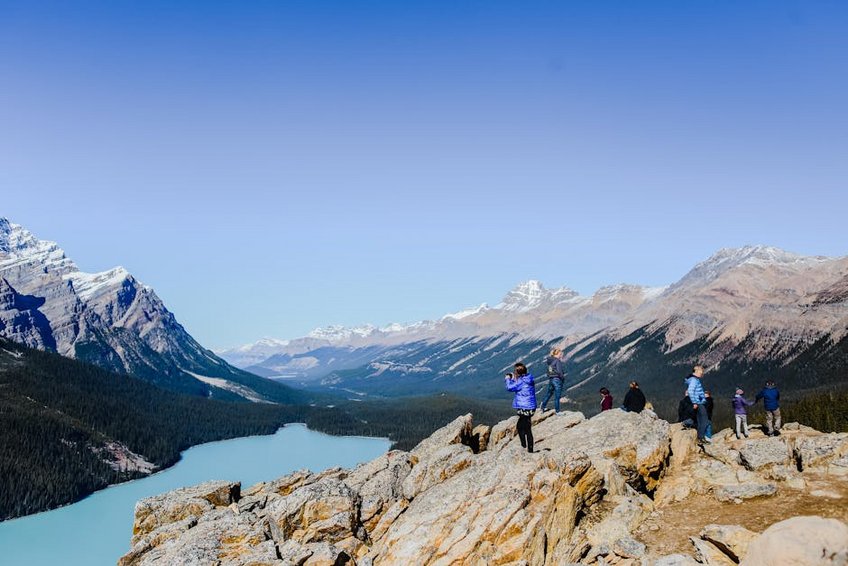
Canada Rocky Mountains Best Hikes for Epic Alpine Adventures
Exploring the Canadian Rockies offers some of the planet’s most breathtaking alpine scenery, with trails leading to turquoise lakes, ancient glaciers, and vast wilderness. Your journey through the Canada Rocky Mountains best hikes connects you to iconic national parks like Banff and Jasper, where wildlife sightings and pristine nature are part of the daily trek. This guide details essential trail information, seasonal planning, and insider tips to help you confidently tackle these legendary paths.
Canadian Rockies Hiking Essentials
The Rocky Mountains in Canada span the provinces of Alberta and British Columbia, forming the backbone of several national and provincial parks. These protected areas, including Banff, Jasper, Kootenay, and Yoho, preserve millions of acres of rugged peaks, deep valleys, and extensive trail networks. Hiking here demands respect for the environment and preparation for rapidly changing mountain weather.
Trails range from gentle lakeside walks to challenging multi-day alpine expeditions, catering to all fitness levels. The region’s geology reveals ancient sedimentary rock pushed skyward, while its ecosystems support grizzly bears, mountain goats, and fragile alpine flowers. Understanding this context enriches every step you take on these historic paths.
Key Parks and Their Signature Trails
Each national park in the Canadian Rockies possesses a unique character and flagship hiking routes.
- Banff National Park: Home to iconic Lake Louise and Moraine Lake, offering famous trails like the Plain of Six Glaciers and the Larch Valley Sentinel Pass hike for unforgettable valley views.
- Jasper National Park: Larger and more remote, featuring the epic Skyline Trail, a multi-day backcountry trek, and the powerful Athabasca Glacier overlooks accessible via the Wilcox Pass trail.
- Yoho National Park: Renowned for its powerful waterfalls and striking rock formations, with must-do hikes to the turquoise waters of Emerald Lake and the steep climb to the Burgess Shale fossil beds.
- Budget Traveler ($70-120 USD/day): Camp at park campgrounds ($25-40/night), prepare all meals, use the Parks Canada shuttle to trailheads, and focus on free day hikes. Purchase a Discovery Pass for annual park entry.
- Mid-Range Traveler ($150-300 USD/day): Stay in hostel dorm rooms or budget motels in Canmore ($80-140/night), mix restaurant meals with groceries, book a few guided nature walks, and rent a car for flexibility.
- Luxury Traveler ($400+ USD/day): Stay at iconic lodges like the Fairmont Chateau Lake Louise, enjoy guided multi-day hiking tours with gourmet meals, and utilize private transfers to trailheads for maximum convenience.
- Parks Canada Official Website
- AllTrails – Banff National Park Hiking Guides
Understanding the Alpine Environment
Weather in the high mountains is notoriously unpredictable, with sunshine turning to snow squalls within hours. Summer daytime temperatures range from 50-75°F (10-24°C), but they can drop near freezing at night, especially at higher elevations. Afternoon thunderstorms are common in July and August, making an early start a critical safety strategy for longer treks.
The hiking season is relatively short, typically running from late June to mid-September, when most high-altitude trails are snow-free. Always check trail condition reports from Parks Canada before departure, as snow can persist on passes into July. Carrying layers, including a waterproof shell and insulation, is non-negotiable for comfort and safety.
Wildlife Safety and Trail Etiquette
The Rockies are active bear country, requiring all hikers to carry bear spray, know how to use it, and travel in groups when possible. Making noise on trails, particularly in dense forest or near streams, is a standard practice to avoid surprising wildlife. Proper food storage using bear-proof canisters or lockers at campgrounds is mandatory to protect both you and the animals.
Practice Leave No Trace principles by packing out all trash, staying on designated trails to protect fragile vegetation, and yielding to uphill hikers. Camping is only permitted at designated backcountry sites, which require advance reservations through the Parks Canada reservation system due to high demand.
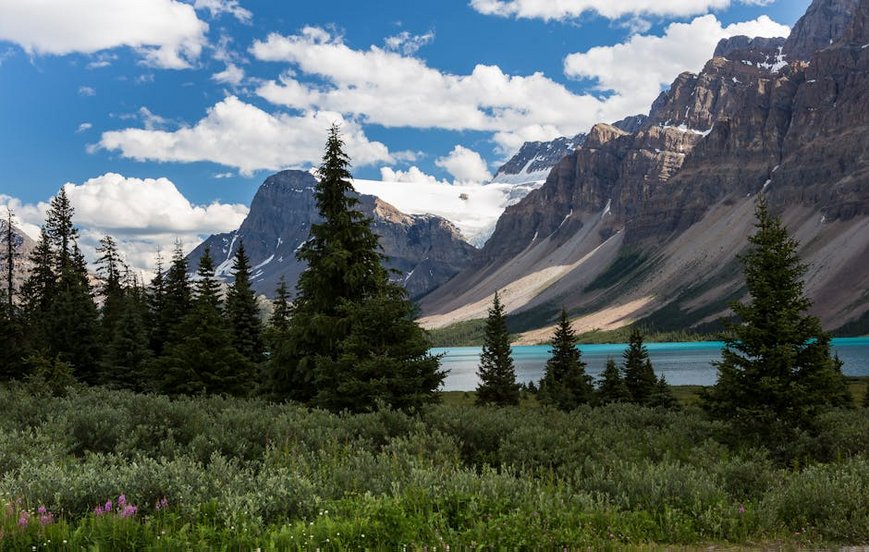
Alt: “banff-national-park-moraine-lake-hiking-trail-canadian-rockies”
Canada Rocky Mountains Best Hikes – Planning Your Trip
Successfully experiencing the top trails requires strategic planning around permits, fitness, and timing. For the most popular day hikes, like those at Lake Louise, arriving at the trailhead before 7 AM is essential to secure parking and enjoy solitude. Booking accommodations in gateway towns like Banff or Canmore several months in advance is crucial for summer visits, as hotels fill quickly.
Invest in quality hiking boots with ankle support and break them in thoroughly before your trip. Your daypack should always contain the ten essentials: navigation, headlamp, sun protection, first aid, knife, fire starter, shelter, extra food, extra water, and extra clothes. Cell service is unreliable on most trails, so downloading offline maps or carrying a physical topographic map is a key precaution.
Best Time to Hike the Canadian Rockies
For optimal conditions, plan your visit between mid-July and early September. During this peak window, most high-elevation passes are clear of snow, wildflowers are in bloom, and all facilities are open. Daytime highs average 65-75°F (18-24°C), with cooler nights dipping to 40-50°F (4-10°C). Be prepared for crowds on iconic trails and book all reservations well ahead.
The shoulder seasons of June and late September offer fewer crowds but come with greater weather variability and the likelihood of snow at higher elevations. Early June often has lingering snowpack on high routes, while late September brings spectacular fall larch displays but much colder temperatures, often below freezing at night. Winter transforms the region into a snowshoeing and ski-touring paradise, but summer hiking trails are generally inaccessible.
Budget Planning and Costs
Costs for a hiking trip vary widely based on your style of travel and trip duration.
Essential Preparation Checklist
Physical preparation should begin at least two months before your trip, focusing on building cardio endurance and leg strength with regular hill training. Break in your hiking boots on progressively longer walks while wearing the pack you plan to use. Ensure your bear spray is accessible on your pack’s hip belt, not buried inside, and check its expiration date.
Secure necessary permits: a Parks Canada Discovery Pass for park entry and, critically, advance reservations for any backcountry campsites or popular day-use shuttle buses. International travelers should ensure they have appropriate travel/medical insurance covering helicopter evacuation. Finally, familiarize yourself with the symptoms and treatment of altitude sickness, as many trails ascend above 7,000 feet.
Top Trail Recommendations and Experiences
The sheer volume of trails can be overwhelming, but certain routes stand out for their consistently stunning scenery and rewarding challenges. Iconic day hikes provide maximum visual payoff for a single day’s effort, while multi-day treks offer deep immersion into the remote backcountry. Combining a few classic day hikes with one overnight trip gives a comprehensive feel for the region’s diversity.
When selecting trails, honestly assess your group’s fitness, experience, and appetite for elevation gain. Distances on maps can be deceptive due to steep terrain and thin air. Always choose a hike that matches the weakest member’s ability, and have a conservative turnaround time to ensure you finish before dark or impending weather arrives.
Must-See Day Hikes
The Lake Agnes Teahouse Trail near Lake Louise is a moderate 4.6-mile (7.4 km) round-trip hike with a 1,300-foot (400 m) elevation gain, culminating at a historic teahouse serving refreshments beside an alpine lake. For panoramic views, the Sentinel Pass via Larch Valley hike is a strenuous 7.5-mile (12 km) journey gaining 2,400 feet (730 m), famous for its golden larch trees in late September.
In Jasper National Park, the Sulphur Skyline Trail is a steep but rewarding 5-mile (8 km) climb gaining 2,300 feet (700 m) to a breathtaking 360-degree summit panorama. The Parker Ridge Trail along the Icefields Parkway is a shorter, family-friendly option offering incredible views of the Saskatchewan Glacier with a modest 820-foot (250 m) climb over 3.7 miles (6 km).
Premier Multi-Day Backpacking Trips
The Skyline Trail in Jasper is often considered the crown jewel of Canadian Rockies backpacking, a 27-mile (44 km) point-to-point route spent mostly above the treeline. It typically takes 2-3 days, requires advance campsite reservations, and features epic ridgewalking with high chances of seeing bighorn sheep and marmots.
The Rockwall Trail in Kootenay National Park is a spectacular 34-mile (55 km) trek past a continuous, towering limestone cliff and multiple glaciers. This 3-5 day journey involves several significant passes and requires careful planning for food storage and creek crossings, which can be hazardous in early summer during snowmelt.
Family-Friendly and Accessible Walks
Not all great experiences require strenuous effort. The Johnston Canyon walk in Banff features paved paths and catwalks leading to powerful lower and upper waterfalls, suitable for all ages. The Marsh Loop near the Banff townsite is a flat, 1.8-mile (2.9 km) trail offering excellent wildlife viewing, especially at dawn and dusk, for birds, elk, and occasionally bears from a safe distance.
Maligne Canyon in Jasper provides an easy, fascinating walk along a deep limestone gorge, with interpretive signs explaining the geology. For stunning views with minimal climbing, drive up the Mount Norquay road in Banff for the short, paved stroll to the viewpoint overlooking the entire Bow Valley.
Practical Travel and Logistics
Navigating the Rockies involves understanding distances, limited services, and seasonal considerations. The main hub is Calgary, Alberta, home to the nearest major international airport (YYC). From there, it’s a 90-minute drive west to Canmore and the Banff Park gates. Renting a car provides the most flexibility for reaching different trailheads, though shuttle services operate between major hubs and some popular trailheads during peak season.
Accommodation ranges from rustic campgrounds and hostels to world-class resorts, but availability evaporates quickly for summer dates. Booking lodging 4-6 months in advance is standard for July and August visits. Consider staying in less crowded gateway communities like Canmore, Golden, or even the Alberta foothills to the east for better value and availability.
| Transportation Mode | Key Details & Best For | Estimated Daily Cost (USD) |
|---|---|---|
| Rental Car | Maximum flexibility for trailheads; book months ahead for summer; all-wheel drive recommended for gravel access roads. | $70 – $120 + gas |
| Park Shuttle Buses | Essential for Lake Louise/Moraine Lake areas (private vehicle access restricted); requires online reservation. | $5 – $15 per ride |
| Regional Bus Services | Connects Calgary, Banff, Lake Louise, Jasper; good for point-to-point travel without a car. | $40 – $80 per segment |
| Guided Tour Transport | Includes pickup, drop-off, and guide; ideal for hassle-free access to popular trailheads. | $100 – $250 per person |