Camping Equipment Checklist for Beginners: Your First Trip Made Simple
Stepping into the world of camping can feel overwhelming, with countless gear lists and technical jargon. A solid camping equipment checklist for beginners cuts through the noise, ensuring you have the essentials for safety and comfort without overspending. This guide breaks down every item you need, from your tent and sleep system to cooking gear and lighting, tailored for your initial outdoor adventure. We provide specific product recommendations, budget-friendly alternatives, and a logical packing strategy to make your first night under the stars a success.
Essential Gear Categories Explained
Understanding the core categories of camping gear helps you prioritize purchases and pack efficiently. Your primary systems are shelter, sleep, cooking, and clothing. Each system must work reliably to ensure a comfortable experience, regardless of minor weather shifts. Beginners often overpack clothing and under-invest in a proper sleep pad, which is a critical mistake for staying warm.
Start by acquiring a reliable shelter and sleep setup before anything else. Your comfort and safety during the night are non-negotiable foundations. Then, build out your cooking kit and clothing layers based on the season and location of your planned trip. This methodical approach prevents last-minute panic buying and ensures all gear is tested before departure.
The Big Three: Shelter, Sleep, and Pack
These three items form the backbone of your camping system and deserve the most research. They are also typically the largest investments for a new camper. Choosing the right balance of weight, comfort, and durability is key for an enjoyable outing.
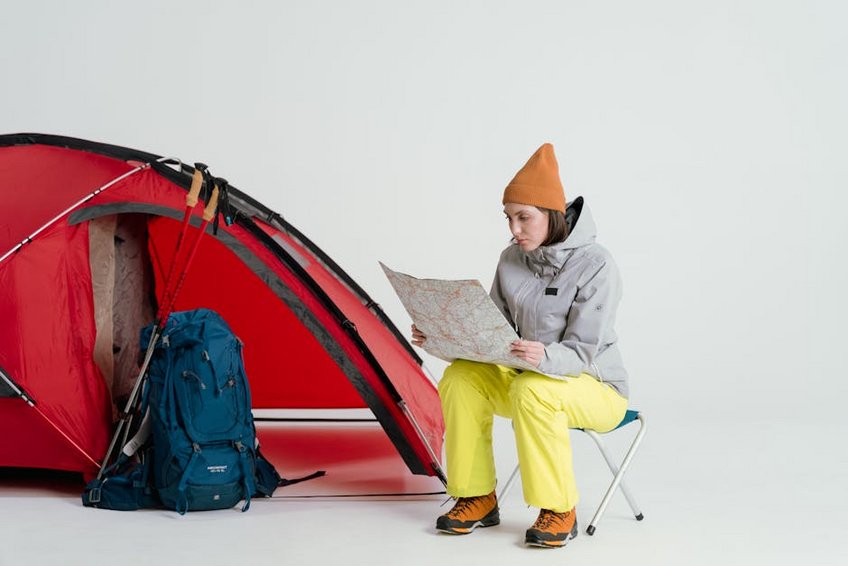
- Tent: Select a three-season tent rated for one more person than your group size (e.g., a 3-person tent for 2 people). Look for a full-coverage rainfly, taped seams, and easy setup features like color-coded poles.
- Sleeping Bag: Choose a bag rated for temperatures 10°F (5°C) colder than your expected nighttime lows. Synthetic insulation performs better when damp, while down offers better warmth-to-weight ratio.
- Sleeping Pad: This provides crucial insulation from the cold ground. An inflatable pad offers the best comfort and compactness, while a foam pad is more durable and reliable.
- Backpack: For backpacking, a 50-65 liter pack is ideal for beginners. Ensure it has a supportive hip belt, adjustable torso length, and enough compartments for organized packing.
- Budget Setup ($300-$500): Focus on big-box store brands for tent, sleeping bags, and pads. Use a basic cooler and existing kitchenware. This gets you outside but gear will be heavier and less durable for frequent use.
- Mid-Range Setup ($800-$1,200): Invest in trusted outdoor brands like Coleman, REI Co-op, or Kelty for core items. Add a reliable camp stove, quality sleeping pads, and camp chairs. This offers the best balance of comfort, durability, and value for beginners who plan to camp regularly.
- Investor Setup ($1,500+): Includes lightweight backpacking-ready gear from brands like MSR, Big Agnes, or Therm-a-Rest. Features high-performance materials, better packability, and enhanced comfort for easy transition to backpacking trips.
- REI Expert Advice: Basic Camping Checklist
- National Park Service: Camping Guide
- Leave No Trace Center for Outdoor Ethics
Kitchen and Hydration Fundamentals
Camp cooking can be simple and satisfying with a minimal, well-organized kit. Your goal is to prepare hot meals and drinks while staying hydrated. Avoid bulky home kitchen items and focus on multi-use tools designed for the outdoors.
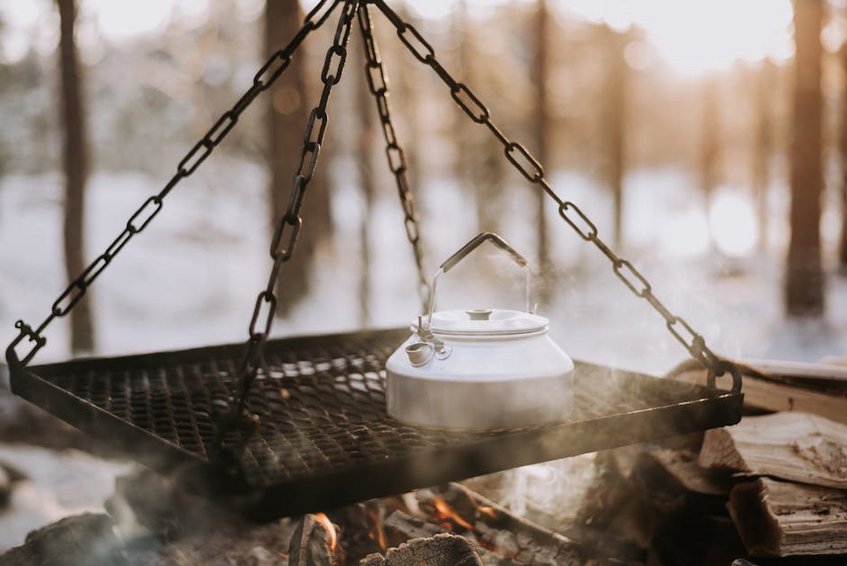
A single-burner propane or isobutane stove is perfect for beginners, boiling water quickly for dehydrated meals or coffee. Pair it with a lightweight pot, a long-handled spork, and an insulated mug. Always carry more water than you think you need, using a hydration bladder or water bottles, plus a filtration method if sourcing from natural bodies of water.
Clothing and Layering Principles
Forget cotton; it retains moisture and drains body heat. The golden rule for camping clothing is synthetic or wool layers. This system manages sweat and temperature through activity level changes. Your layering system consists of a moisture-wicking base layer, an insulating mid-layer, and a weather-protective outer shell.
Pack one set of clothes for sleeping that stays clean and dry in your pack. Always include a warm hat and gloves, even in summer, as nights can get surprisingly cold. Extra socks are perhaps the most valuable luxury item you can bring on any trip.
Alt: “beginner-camping-gear-laid-out-on-grass-tent-sleeping-bag”
Camping Equipment Checklist for Beginners – Planning Your Trip
Using a camping equipment checklist for beginners transforms planning from chaotic to systematic. It ensures no critical item is forgotten, from the obvious tent to the easily overlooked headlamp. Begin by checking your gear against this list two weeks before your trip, allowing time for test runs in your backyard.
Your planning should align with your destination’s specific conditions. A summer car camping trip allows for more comfort items, while a spring backpacking trip demands lightweight essentials. Consider the group’s experience level and whether you’ll have vehicle access at the campsite, as this dramatically influences what you can bring.
Best Time to Go Camping for Newcomers
The ideal season for a first camping trip is late spring or early fall in most regions. Temperatures are typically mild, ranging from 45-70°F (7-21°C) during the day, with fewer insects than peak summer. These conditions are forgiving for dialing in your gear and sleeping comfort without extreme weather challenges.
Summer offers long days but often brings intense heat, crowds, and bugs. Winter camping requires specialized, expensive gear and should be avoided for true beginners. Aim for a dry forecast with overnight lows above 40°F (4°C) to maximize enjoyment and minimize risk on your initial outing.
Budget Planning and Costs
You can gear up effectively at different price points. Here is a breakdown for a basic car camping setup for two people.
Essential Preparation Checklist
Beyond physical gear, preparation is your greatest tool for success. This involves site research, skill practice, and contingency planning. Never head to a new area without checking official park or forest service websites for alerts, fire restrictions, and permit requirements.
Practice setting up your tent at home first. Pack a first-aid kit tailored to your group’s needs and know basic wilderness first aid. Always tell someone not on the trip your destination, route, and expected return time. Familiarize yourself with Leave No Trace principles to minimize your environmental impact.
Top Campsite Tips and Camp Craft Skills
Mastering a few basic camp craft skills dramatically improves your experience and safety. These practices turn a stressful setup into a smooth routine. Start by arriving at your campsite with at least two hours of daylight remaining to allow time for organized setup without rushing.
Choose a flat, elevated spot for your tent, clear of rocks and branches. Look overhead for “widowmakers” – dead branches that could fall. Orient your tent door away from the prevailing wind. Keep your cooking area at least 200 feet downwind from your sleeping area to avoid attracting wildlife to your tent.
Must-Do Setup Procedures
A systematic setup ensures you can relax and enjoy your evening. Unpack your car or backpack in an organized manner, grouping items by function. Pitch your tent first, then unroll your sleeping pads and bags inside to let them loft. This establishes your secure home base immediately.
Next, set up your kitchen on a stable picnic table or a flat rock. Have your water, stove, and food easily accessible. Finally, string up a simple tarp or awning over your social area if rain is possible. Hanging a battery-powered lantern from its center provides perfect ambient light for the evening.
Fire Safety and Camp Kitchen Hygiene
If fires are permitted, use established fire rings. Keep your fire small and manageable, never leaving it unattended. Extinguish it completely with water, not dirt, until all embers are cold to the touch. Store all food, trash, and scented items like toothpaste in a bear-resistant container or locked vehicle overnight.
Wash dishes using biodegradable soap at least 200 feet from any water source. Use a collapsible sink to contain greywater, then scatter it widely. Proper food storage and waste disposal protects you and the local ecosystem from unwanted animal encounters.
Navigating Weather and Minor Issues
Weather can change rapidly. If rain threatens, dig a small trench around your tent to divert water, ensuring it flows away from your site. In windy conditions, use all guylines and stakes to secure your tent. A simple repair kit with duct tape, cordage, and a multi-tool can fix most minor gear failures on the spot.
Always pack extra fuel for your stove and more water than your planned consumption. Mosquito repellent and a basic headlamp are non-negotiable items that prevent immense frustration after dark.
Practical Travel and Gear Information
Accessing campgrounds typically involves reserving a spot online through Recreation.gov or a similar state park system. Popular sites book months in advance, especially for summer weekends. For a first trip, consider a developed campground with amenities like potable water, restrooms, and designated fire pits to simplify logistics.
If you’re car camping, organization is key. Use clear plastic bins to separate gear by category: one for kitchen, one for sleep, one for tools. This keeps your vehicle orderly and makes setting up camp incredibly fast. Always do a final walk-through of your site before leaving to ensure you’ve packed everything and left no trace.
| Gear Category | Recommended Beginner Brands/Models | Price Range (USD) |
|---|---|---|
| Tent (3-Person) | Coleman Sundome, REI Co-op Passage | $100 – $220 |
| Sleeping Bag (20°F Synthetic) | Teton Sports Trailhead, Coleman North Rim | $50 – $120 |
| Sleeping Pad (Inflatable) | Klymit Static V, Therm-a-Rest Trail Scout | $50 – $90 |
| Camp Stove (Single Burner) | Coleman Classic Propane, MSR PocketRocket 2 | $35 – $80 |