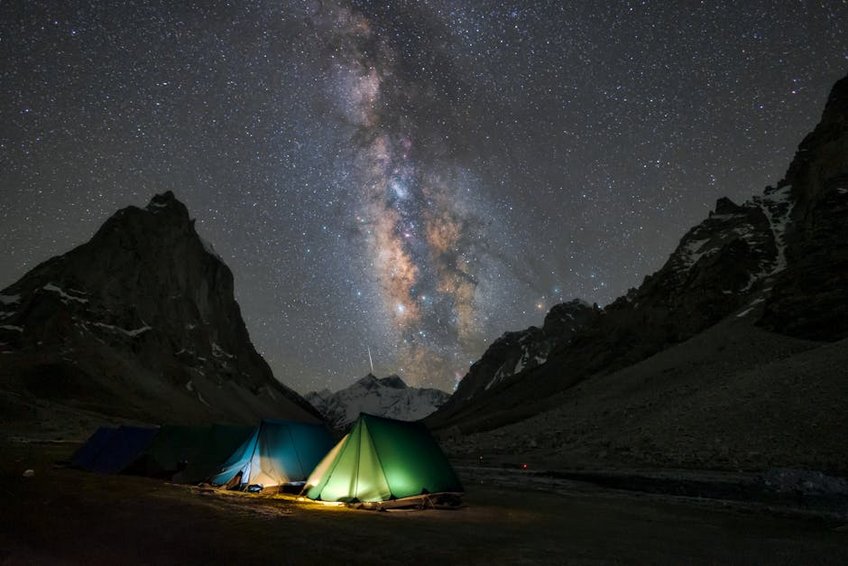
Camping Areas in Mount Ida (Kaz Dagi): Your Ultimate Wilderness Guide
Exploring the camping areas in Mount Ida (Kaz Dagi) offers a unique escape into one of Turkey’s most storied and ecologically diverse mountain ranges. Stretching along the northwestern coast, this ancient landscape combines mythological history with pristine national park wilderness, featuring pine forests, alpine meadows, and rare flora. This guide details the best Kaz Dagi camping zones, from established national park sites to remote wilderness clearings, providing essential logistics, seasonal advice, and insider tips for a successful outdoor adventure.
Essential Information About Mount Ida
Mount Ida, known locally as Kaz Dagi, forms a significant part of the Ida Mountains range in the Balikesir and Canakkale provinces. The area holds deep mythological significance as the setting for the Judgment of Paris and the legendary home of ancient gods. Today, its slopes are protected within the Kazdagi National Park, established in 1993, which spans over 21,300 hectares of critical biodiversity.
The region’s climate creates distinct environments, from coastal woodlands to sub-alpine zones above 1,500 meters. This ecological variety supports diverse wildlife, including brown bears, wild boar, and over 100 bird species. Campers here experience a landscape where history and nature are deeply intertwined, accessible through a network of trails like the historic Sarikiz pathway.
Understanding the Geography and Terrain
The terrain varies dramatically across the camping areas in Mount Ida. Lower elevations near villages like Edremit or Zeytinli feature milder slopes and oak-pine forests, ideal for first-time visitors. As you ascend towards peaks like Karatas (1,774m), the landscape shifts to rocky outcrops and hardy shrubland, offering more challenging but rewarding overnight spots.
- Northern Slopes: Characterized by dense pine forests and numerous freshwater springs, these areas provide shaded, cooler campsites during summer months. Access roads are generally more developed here.
- Southern and Western Faces: These slopes receive more Mediterranean influence, with thinner tree cover and warmer conditions. They offer panoramic views of the Aegean Sea and are best suited for spring and autumn camping trips.
- High Plateau Zones: Areas around Sapaca and Tozlu are flat alpine meadows perfect for tent pitching, though they are exposed and require careful weather planning, especially outside of July and August.
- Budget Camping ($15-30 per person/day): This covers public transport to Edremit, supplies from local markets, and wild camping with your own gear. Focus on free wilderness sites, cook your own meals, and use local dolmuş (shared minibuses) for transport to trailheads like Zeytinli.
- Mid-Range Camping ($40-70 per person/day): This tier includes renting a car for flexibility ($30-50/day), staying at a basic serviced campground like those near Bayramic ($10-15/night), and eating some meals at local village restaurants. It allows for comfort while exploring multiple camping areas across the region.
- Luxury Camping ($100+ per person/day): This involves booking a guided multi-day trekking and camping tour with a licensed operator. These provide high-quality gear, all meals, transport between exclusive scenic spots, and expert guidance to the most pristine locations, often with pre-setup camp amenities.
- Kazdagi National Park Directorate Official Site
- Lonely Planet – Kaz Dagi (Mt Ida) Travel Information
- Turkish Cultural Foundation – Mount Ida Region
Climate and Seasonal Considerations
Mount Ida’s climate demands careful seasonal planning for any camping expedition. Summers (July-August) are pleasantly warm at higher campsites, with daytime temperatures ranging from 68-77°F (20-25°C) and cooler nights dipping to 50°F (10°C). This is the peak season for accessibility and stable weather, though afternoon thunderstorms can occur rapidly.
Spring (May-June) and autumn (September-October) provide milder conditions, with temperatures between 59-68°F (15-20°C) and vibrant wildflower or autumn foliage displays. However, unpredictable rain showers are more common. Winter camping is strictly for experienced mountaineers, as snow blankets the peaks from November through April, with temperatures often falling below freezing.
Permits, Regulations, and Conservation
Camping within the official boundaries of Kazdagi National Park requires adherence to specific regulations designed to protect the fragile ecosystem. While no formal permit is needed for basic tent camping outside of specially protected zones, all visitors must follow Leave No Trace principles. Fires are strictly prohibited outside of designated barbecue areas in specific picnic zones to prevent forest fires, a major regional risk from June to September.
Alt: “kaz-dagi-mountain-range-alpine-meadow-tent-camping”
Camping Areas in Mount Ida – Planning Your Trip
Successfully navigating the camping areas in Mount Ida requires understanding the spectrum of available sites. Options range from serviced campgrounds with basic amenities near park entrances to completely wild backcountry spots accessible only by foot. Your choice will depend heavily on your desired comfort level, access to a vehicle, and wilderness experience. Most developed sites cluster on the northern approaches, while the southern slopes offer more solitude.
Access logistics are crucial. While major towns like Edremit have car rental agencies, the forest service roads leading to higher trailheads and clearings require a high-clearance vehicle, especially after rain. Many of the best wilderness camping areas in Mount Ida are not signposted; you’ll need reliable offline maps and GPS coordinates, which we detail in later sections. Always inform someone of your planned route and expected return when venturing into remote zones.
Best Time to Visit for Camping
The optimal window for camping in Kaz Dagi is between late May and late September. July and August offer the most reliably warm and dry weather, with minimal rain and daytime highs perfect for hiking. This is also the busiest period, particularly at easily accessible sites near Sutuyen or Pınarbaşı.
For fewer crowds and pleasant conditions, target the shoulder months of June and September. Daytime temperatures are comfortable between 65-75°F (18-24°C), though you must be prepared for cooler nights, with temperatures potentially dropping near 41°F (5°C). Late September also brings stunning autumn colors to the hardwood forests, creating a spectacular backdrop for your campsite.
Budget Planning and Costs
Camping in Mount Ida can suit various budgets, as the primary expense is often transportation and gear.
Essential Preparation Checklist
Packing correctly is non-negotiable for the variable conditions in the Ida Mountains. Your shelter system must handle wind and sudden rain—a sturdy 3-season tent with a full-coverage rainfly is essential. A sleeping bag rated to at least 35°F (2°C) comfort rating, coupled with an insulating sleeping pad, is required for most nights, even in summer. Always carry multiple layers, including a waterproof outer shell and a warm fleece or insulated jacket.
Logistically, ensure you have a detailed topographic map or a robust GPS device with pre-downloaded regional maps. While major trails are marked, many paths to remote clearings are not. If you plan to wild camp, bring sufficient water storage and a reliable filter or purification tablets, as stream sources can be seasonal. Finally, check that your travel insurance explicitly covers mountain hiking and remote area camping activities.
Top Attractions and Camping Zones
Mount Ida’s vastness offers several distinct areas, each with a unique camping character. The northern side, accessed from Edremit, provides family-friendly options near facilities, while the western and southern flanks cater to adventurers seeking solitude. Each zone connects to a network of hiking trails, ranging from gentle forest walks to challenging summit approaches, allowing you to tailor daily excursions directly from your tent.
The beauty of exploring these mountains is the ability to combine historical exploration with nature immersion. You can spend a morning exploring the ruins of Antandros or the Seytan Sofrasi plateau and then hike to a secluded evening campsite with sunset views over Lesbos. This seamless blend of culture and wilderness defines the Kaz Dagi experience.
Must-See Highlights and Campgrounds
The Sutuyen Plateau area is a premier destination, known for its expansive meadows, fresh springs, and proximity to the start of the Sarikiz Trail. Several informal camping clearings here are popular with locals on weekends. For a more structured stay, the basic campground near the Pınarbaşı picnic area offers simple toilet facilities and reliable water access, making it a great base for first-time visitors.
Venture towards the Karagol area for stunning alpine lake scenery. While camping immediately at the lake is restricted to protect the environment, designated sites are available a short walk away. This zone serves as a key junction for hikes towards the peak of Karatas. Further south, the forests around the village of Beyoba host serene, lesser-used clearings with excellent birdwatching opportunities right from your tent flap.
Hidden Gems and Remote Wilderness Sites
For experienced backpackers, the remote valleys on the southern slopes, such as those draining towards the ancient site of Assos, offer exceptional solitude. These areas lack any facilities and require careful navigation but reward with untouched landscapes and incredible night skies. Access typically begins from villages like Ayvacik, requiring a full day’s hike to reach prime camping benches with panoramic Aegean views.
Another lesser-known spot is the plateau region near Tozlu. It’s a wide, flat area ideal for camping, far from any road or village light pollution. The spring here provides water most years until late summer. Reaching it involves a rough forest track followed by a moderate hike, ensuring it remains quiet even during national holidays. Always verify current water availability with local shepherds before relying on such sources.
Hiking Trails Accessible from Campsites
Your choice of campsite directly dictates your daily hiking options. The renowned Sarikiz Trail, a long-distance cultural route, passes near many northern camping zones, allowing for multi-day trekking where you move camp along the path. From a central base like Sutuyen, you can embark on day hikes to landmarks like the Sari Kiz Monument or the ancient cedar tree, returning to your same tent each evening.
Campers on the western side have direct access to trails leading to the summit of Gurgendag and the dramatic rocky outlook of Seytan Sofrasi (Devil’s Table). These hikes are more strenuous but offer unparalleled vistas. Remember that trail markings, while improving, can be sporadic; carrying a physical map or digital track is strongly advised for all but the most popular routes near Pınarbaşı.
Practical Travel Information and Logistics
Reaching the camping areas in Mount Ida involves a journey to northwest Turkey. The most convenient international gateway is Istanbul Airport (IST). From there, you can take a domestic flight to either Edremit’s Koca Seyit Airport (EDO), which is very close to the northern park entrance, or to Canakkale Airport (CKZ) for southern access. Alternatively, a long-distance bus from Istanbul to Edremit or Canakkale takes 5-7 hours but is economical and comfortable.
Once in the region, local transportation becomes key. Dolmuş routes connect major towns like Edremit, Altinoluk, and Bayramic to outlying villages, but services are infrequent, especially on weekends, and may not reach remote trailheads. For maximum flexibility to explore different camping areas, renting a car is highly recommended. Opt for a vehicle with good ground clearance to navigate unpaved forestry roads.
| Camping Area Type | Key Features & Access | Price Range (USD) |
|---|---|---|
| Serviced Campground (e.g., Pınarbaşı area) | Designated pitches, basic toilet block, freshwater tap, sometimes a simple shop. Access by paved road. | $8 – $15 per tent/night |
| Informal Village Meadow (e.g., near Beyoba) | Unofficial open area, often with permission from locals. No facilities. Requires asking locally. Reachable by rough track. | Free – $5 (donation) |
| Wilderness Backcountry Site | No facilities, complete solitude. Requires hiking in with all gear and water. Strict Leave No Trace practice. | Free |
| Guided Tour Campsite | Pre-setup quality tents, all meals provided, guide, transport between sites. Includes equipment rental. | $90 – $150 per person/day |