Bucharest Travel Guide: Discovering the Charms of Romania’s Capital
This Bucharest Travel Guide serves as your essential companion for navigating a city that masterfully blends grand, Parisian-inspired architecture with a raw, post-communist edge. You’ll explore the colossal Palace of the Parliament, wander the charming, cobblestoned streets of the historic Lipscani district, and relax in the expansive Herăstrău Park. Understanding the city’s layered history, from its “Little Paris” moniker to its 20th-century transformation, is key to appreciating its resilient and vibrant contemporary culture.
Essential Bucharest Information
Bucharest is the capital and largest city of Romania, situated in the country’s southeast. It serves as the primary cultural, financial, and industrial hub, home to nearly 2 million residents. The city’s identity is deeply shaped by its history, from its founding legend to its pivotal role in modern Romanian statehood.
Romanian is the official language, a Romance language with Latin roots. English is widely spoken in tourist areas, hotels, and by younger generations, making navigation relatively straightforward for visitors. Learning basic phrases like “mulțumesc” (thank you) is always appreciated and enhances your interaction with locals.
Historical Context and Key Dates
Understanding a few key dates helps frame your visit to the Romanian capital. The city’s evolution explains its unique architectural and cultural landscape.
- 1459: First documented mention of Bucharest as a residence of Vlad III (the Impaler), who inspired the Dracula legend. The city developed as a trade center between the Ottoman Empire and Central Europe.
- 1862-1947: Designated capital of the Romanian principality and later kingdom. This “Golden Age” saw massive construction, earning it the nickname “Little Paris” for its French-inspired buildings and elegant boulevards.
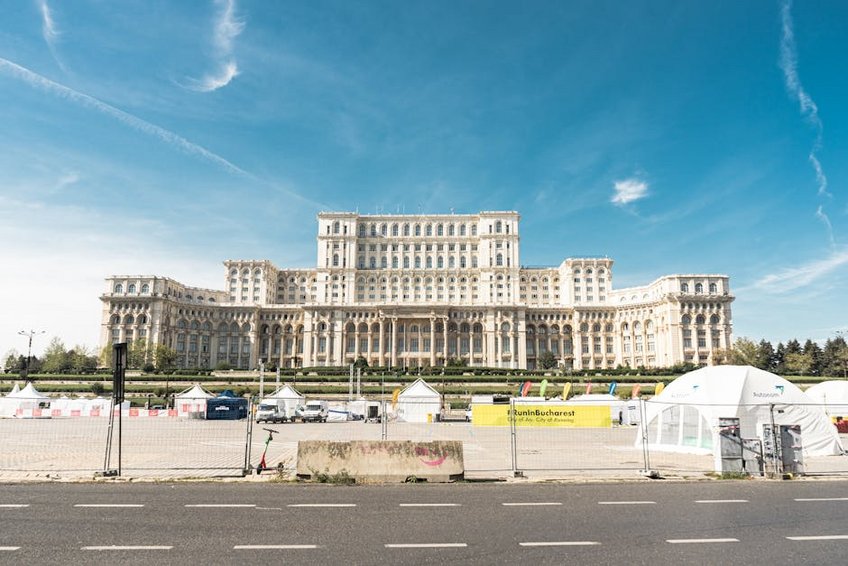
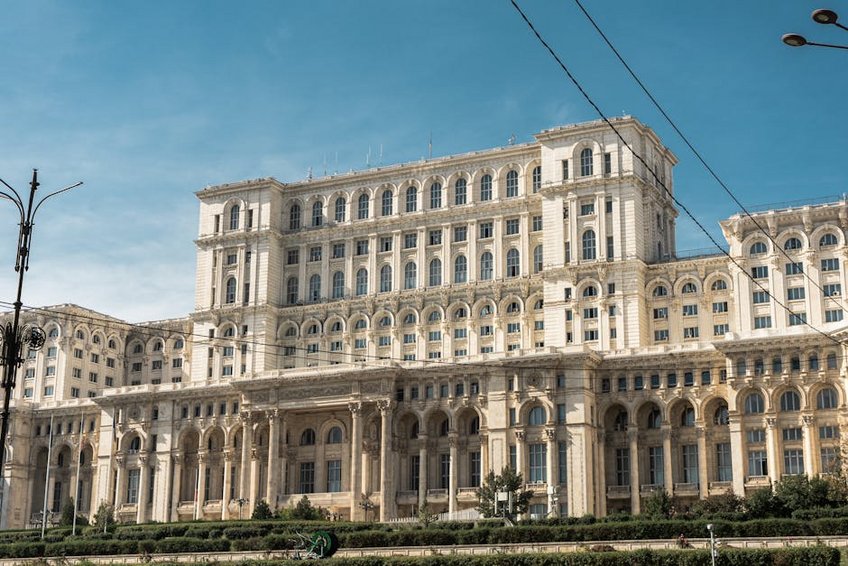
- 1970s-1980s: Communist leader Nicolae Ceaușescu’s regime demolished large parts of the historic center to construct grandiose projects, most notably the Palace of the Parliament, fundamentally altering the city’s fabric.
- Budget Traveler ($40-60 USD/day): Stay in hostels or budget guesthouses ($15-25/night). Eat at local ‘cantine’ or bakeries for lunch ($5-8), and enjoy affordable dinners in the old town. Use public transport exclusively ($2/day pass) and focus on free attractions like parks and street wandering.
- Mid-Range Traveler ($80-120 USD/day): Choose a well-located 3 or 4-star hotel in the city center ($50-80/night). Dine at a mix of traditional restaurants and modern bistros ($15-25 per meal). Book guided tours for major sites like the Palace of the Parliament and take occasional taxis.
- Luxury Traveler ($200+ USD/day): Opt for 5-star historical hotels or boutique properties ($120+/night). Enjoy fine dining at upscale restaurants ($50+ per meal) and private, chauffeured tours. Experience high-end spa services and exclusive cultural performances or events.
- Bucharest City Hall Official Tourism Website
- Lonely Planet Bucharest Travel Guide
- Romania Tourism – Bucharest Section
Getting Your Bearings: City Layout
Bucharest is divided into six administrative sectors, but visitors primarily focus on the central areas. The city center is compact and walkable, centered around Piața Universității and Piața Unirii. Major landmarks are connected by long, radiating boulevards, a layout inspired by Paris.
The historic Lipscani district is the heart of the old town, packed with cafes, restaurants, and nightlife. North of the center, along Aviatorilor Boulevard, you find quieter, upscale neighborhoods, embassies, and the beautiful Herăstrău Park. Grasping this simple layout makes navigating the metropolis much less daunting.
Alt: “bucharest-old-town-lipscani-district-cobblestone-streets”
Bucharest Travel Guide – Planning Your Trip
Careful planning maximizes your enjoyment of Romania’s capital. Your ideal itinerary balances iconic communist-era landmarks with hidden Belle Époque courtyards and vibrant market visits. Prioritize exploring on foot in the central zones while utilizing the city’s efficient metro system for longer distances.
A typical mid-range daily budget, excluding flights, ranges from $60-$100 USD per person. This covers a comfortable hotel, meals at local restaurants, attraction entrance fees, and local transportation. Bucharest offers exceptional value, especially for dining and cultural experiences compared to Western European capitals.
Best Time to Visit Bucharest
The prime months for visiting are late spring (May-June) and early autumn (September-October). During these periods, daytime temperatures are pleasant, ranging from 65-75°F (18-24°C), with minimal rainfall. Outdoor cafes are in full swing, and parks are lush and green, perfect for leisurely exploration.
Summer (July-August) can be hot, with temperatures often exceeding 86°F (30°C). Winters are cold and gray, with averages around 32°F (0°C) and occasional snow. While less crowded, some outdoor charm is diminished. The Christmas market season in December, however, is a magical and festive exception worth considering.
Budget Planning and Costs
Your costs will vary significantly based on accommodation and dining choices. Here’s a realistic breakdown for different travel styles.
Essential Preparation Checklist
Romania is part of the European Union but not the Schengen Area. U.S., Canadian, and UK passport holders do not need a visa for tourist stays of up to 90 days within a 180-day period. Ensure your passport is valid for at least three months beyond your planned departure date from Romania.
Pack comfortable walking shoes, a reusable water bottle, and layers for changeable weather. An EU power adapter (Type F) is required. Book popular attractions like the Palace of the Parliament tour online in advance, especially during peak season, to secure your preferred time slot.
Top Attractions and Activities
The Romanian capital’s appeal lies in its stark contrasts. You can marvel at the world’s second-largest administrative building, then sip coffee in a centuries-old inn. This juxtaposition defines the urban experience and offers something intriguing at every turn.
Dedicate at least one full day to the historic center and another to the broader civic center with its monumental architecture. Allocate a half-day to relax in one of the city’s expansive parks. This balanced approach ensures you capture the city’s multifaceted spirit.
Must-See Highlights
No visit is complete without touring the Palace of the Parliament. This colossal building, constructed during Ceaușescu’s regime, is a staggering display of totalitarian ambition. Guided tours (starting at $15 USD) take you through a fraction of its 3,100 rooms, showcasing lavish halls built with Romanian materials.
The Village Museum, located in Herăstrău Park, is an exceptional open-air exhibit featuring over 200 traditional peasant homes, churches, and windmills from across Romania. It provides crucial context on the country’s rural heritage. Meanwhile, the Stavropoleos Church, hidden in the old town, is a masterpiece of Brâncovenesc architecture with exquisite stone and wood carvings.
Hidden Gems and Local Favorites
Venture to the Carturesti Carusel bookstore, a stunningly restored 19th-century building in the Lipscani district. Its white, swirling interiors and multi-level design make it a photographer’s dream and a peaceful retreat from the bustling streets. It’s more than a bookstore; it’s a cultural landmark.
For a unique glimpse into the city’s past, visit the “Dimitrie Gusti” National Village Museum’s lesser-known cousin, the Museum of the Romanian Peasant. Its collection of textiles, icons, and ceramics is beautifully curated, offering deep insight into folk art and daily life. Locals also love the Obor Market for an authentic, bustling atmosphere and fresh produce.
Architecture and Urban Exploration
Take a self-guided walking tour along Calea Victoriei, Bucharest’s most prestigious historic avenue. You’ll pass the Romanian Athenaeum concert hall, the elegant Revolution Square, and numerous grand buildings that survived both war and communism. The architectural styles tell a visual story of the city’s aspirations and upheavals.
Explore the quiet, curved streets of the Cotroceni neighborhood, home to the presidential palace and charming villas. This area provides a stark contrast to the monumental austerity of the civic center and showcases a more residential, genteel side of the metropolis.
Practical Travel Information
Navigating Bucharest is straightforward with a little preparation. The city is served by Henri Coandă International Airport (OTP), located about 10 miles north of the center. Several airlines offer direct flights from major European hubs, with convenient connections from North America through cities like London, Frankfurt, or Vienna.
Accommodation options are plentiful and offer great value. The most convenient areas to stay are the historic city center (Lipscani) for nightlife and walkability, or near Piața Romană for a slightly quieter yet central location with excellent metro access. Booking a month in advance is wise for peak season visits.
| Accommodation Type | Best For & Features | Avg. Price/Night (USD) |
|---|---|---|
| Hostel / Budget Guesthouse | Solo travelers & backpackers; social atmosphere, basic amenities, central locations | $15 – $35 |
| Mid-Range Hotel / Apartment | Couples & small families; private facilities, daily cleaning, often includes breakfast | $50 – $90 |
| Boutique / Design Hotel | Style-conscious travelers; unique decor, premium locations, enhanced service | $100 – $160 |
| Luxury / 5-Star Hotel | Special occasions & luxury seekers; spas, fine dining, concierge, historical buildings | $170+ |