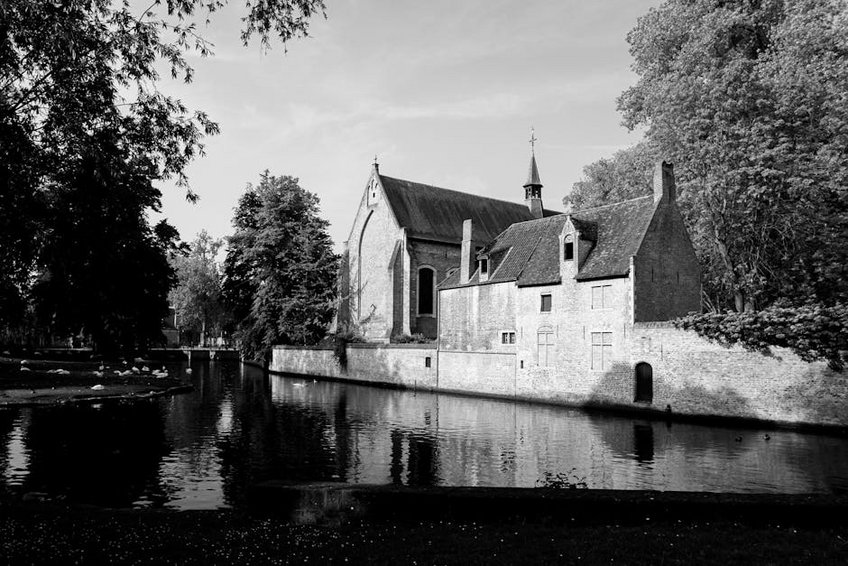
Bruges Belgium Valentine’s Day: A Fairytale Romantic Escape
Celebrating Valentine’s Day in Bruges, Belgium, immerses couples in a perfectly preserved medieval city where cobblestone lanes and serene canals create an intimate, timeless atmosphere. This UNESCO World Heritage site offers a uniquely romantic European getaway, combining world-class chocolate, cozy candlelit restaurants, and breathtaking Gothic architecture within its compact, walkable center. This guide details how to plan your visit, from securing a coveted canal-side hotel room to enjoying private horse-drawn carriage tours and exclusive tastings at local chocolatiers.
Essential Information About Bruges
Bruges, the capital of West Flanders, is a living museum of the Hanseatic League era, having thrived as a major European commercial hub from the 12th to 15th centuries. Its wealth financed the iconic brick-Gothic buildings and extensive canal network that define its fairytale aesthetic today. Unlike many European cities, Bruges’s historic heart remains almost entirely intact, offering a remarkably authentic journey back in time.
The city’s layout is ideal for couples, with nearly all major romantic sights within a 20-minute walk of the central Markt square. You can easily explore the best of Bruges in a long weekend, though its magical ambiance encourages a slower, more immersive pace. Visiting in February for a Valentine’s Day trip means experiencing the city with festive winter decorations and fewer tourist crowds than the bustling summer months.
What Makes Bruges So Romantic
The city’s inherent charm stems from several unique factors.
- Architectural Harmony: The consistent medieval architecture, featuring step-gabled roofs and ornate guildhalls, creates a cohesive, storybook setting that feels untouched by modern development, perfect for couples seeking an escape.
- Intimate Canals: Often called the “Venice of the North,” Bruges’s canals are quieter and more reflective, ideal for peaceful strolls along the water’s edge or a private boat tour under charming stone bridges.
- Artisanal Culture: The city is a global capital for handmade chocolate, intricate lace, and artisanal beer, offering delightful shared experiences like chocolate-making workshops or beer pairing dinners.
- Budget-Friendly: ($600-$900 for 3 days, two people) Stay in a well-reviewed B&B or apartment rental just outside the immediate center. Dine at cozy *bruges* (local pubs) for hearty stews and beer, enjoy free walking tours, and visit the Groeningemuseum. Save by purchasing chocolate from local shops rather than premium boutiques.
- Mid-Range Comfort: ($1,200-$1,800 for 3 days, two people) Book a charming canal-view hotel room in the historic center. Reserve dinners at renowned restaurants like ‘Den Gouden Harynck’ and take a private evening carriage ride. Include a guided chocolate tasting tour and a canal boat cruise for a complete experience.
- Luxury Experience: ($2,500+ for 3 days, two people) Stay at a 5-star hotel such as Hotel van Cleef. Arrange private guided tours of the city and nearby castles, dine at a Michelin-starred venue, and book a couples’ spa package. Include exclusive experiences like a private boat tour or a lace-making demonstration with a master artisan.
- Official Tourism Portal of Bruges
- Official Website of Belgian Railways (SNCB/NMBS)
Weather and Seasonal Atmosphere
February in Bruges is firmly within the winter season, characterized by crisp, cold air and a high chance of atmospheric mist or light rain. Daytime temperatures typically range from 35°F to 45°F (2°C to 7°C), often dropping below freezing at night. Packing a warm, waterproof coat, insulated gloves, and sturdy walking shoes is non-negotiable for comfort.
However, this weather enhances the romantic feel. The low light casts a soft glow on the historic buildings, steam rises from cups of hot chocolate in cozy cafes, and you’re more likely to have a quiet canal view to yourselves. Many restaurants and bars feature roaring fireplaces, making them even more inviting for a couple’s retreat.
A Brief Cultural and Historical Context
Understanding Bruges’s past enriches a visit. The city’s golden age was built on the cloth trade, and its wealth funded artistic masters like Jan van Eyck, a founder of Early Netherlandish painting. The Groeningemuseum houses an exceptional collection of these “Flemish Primitives.” The city declined when the Zwin inlet silted up in the 1500s, which ironically preserved its medieval core from major redevelopment.
Today, Bruges expertly balances its historical preservation with modern vibrancy. You’ll find Michelin-starred restaurants in 15th-century cellars and contemporary design shops nestled beside traditional lace boutiques. This blend of old and new provides a dynamic cultural backdrop for a romantic holiday beyond the standard postcard views.
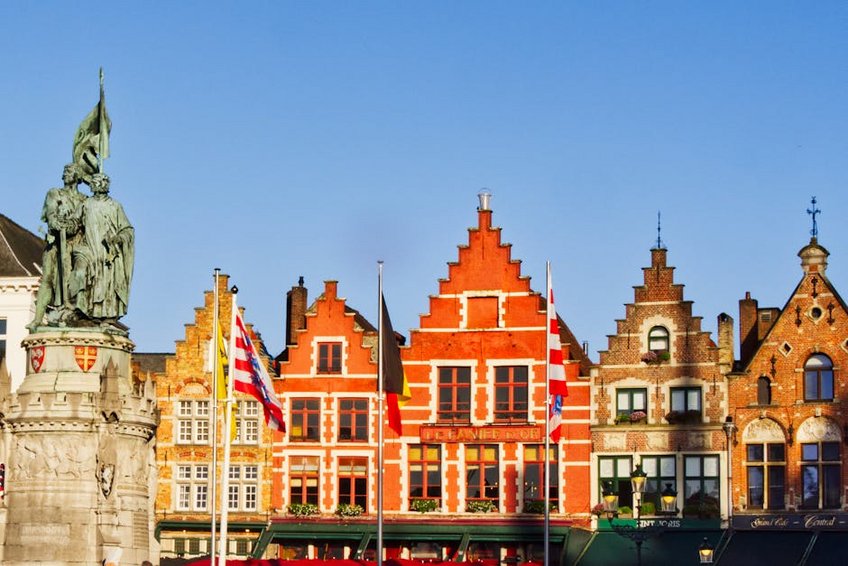
Alt: “bruges-belgium-winter-canal-medieval-houses-reflection”
Bruges Belgium Valentine’s Day – Planning Your Trip
Organizing your Valentine’s Day trip to this Belgian city requires attention to detail, as February is a popular time for romantic getaways among Europeans. The key to a seamless experience is booking accommodations and special dinners several months in advance, especially for the weekend closest to February 14th. Focus your stay within the historic city center, known as the “Binnenstad,” to be within walking distance of all major attractions and avoid the need for taxis.
Your budget should account for premium experiences that define a couples’ holiday here. While wandering the streets is free, the magic often lies in ticketed attractions, guided tours, and gourmet meals. A mid-range three-day trip for two, including a nice hotel, daily fine dining, and several activities, typically costs between $1,200 and $1,800, not including international flights. Prioritize experiences that leverage the intimate setting.
Best Time to Visit for a Valentine’s Getaway
The optimal window for a Valentine’s trip is from late January through the end of February. The city is beautifully decorated for the winter season, and the famous Christmas markets have usually closed by early January, leaving a quieter, more authentic atmosphere. The weeks leading up to February 14th see a gradual increase in romantic tourism, primarily from nearby countries like France, Germany, and the Netherlands.
Aim for a stay from Thursday to Sunday or Monday to Thursday to avoid the highest weekend rates and crowds. If your schedule is flexible, consider the week after Valentine’s Day; you’ll still enjoy the romantic ambiance but with better hotel availability and potentially lower prices. Be prepared for shorter daylight hours, with sunset often around 6:00 PM, making afternoon museum visits or early candlelit dinners particularly appealing.
Budget Planning and Costs
Costs can vary significantly based on your preferences for dining and lodging.
Essential Preparation Checklist
Start by securing your accommodation at least three months in advance, particularly for a Valentine’s weekend stay. Simultaneously, make dinner reservations for February 14th and the surrounding nights, as the best restaurants fill up quickly. Ensure your passports are valid for at least three months beyond your planned departure date from the Schengen Area.
Pack warm, layered clothing including thermal underlayers, a waterproof and windproof jacket, a warm hat, and comfortable, water-resistant walking shoes with good traction for cobblestones. Bring a portable power bank for your phone, as you’ll use it constantly for photos and navigation, and a universal power adapter (Belgium uses Type E plugs, 230V). Notify your bank of your travel plans to ensure your credit/debit cards work abroad.
Top Romantic Attractions and Activities
The city’s magic unfolds through its intimate scale and stunning visuals. Begin your exploration at the Markt, dominated by the iconic 83-meter Belfry tower, which you can climb for panoramic views. Then, wander southeast into the Burg square, home to the breathtakingly ornate Gothic-style City Hall (Stadhuis) and the serene Basilica of the Holy Blood, which houses a revered religious relic.
No visit is complete without experiencing the canals from water level. The standard 30-minute boat tours offer a unique perspective of historic houses and secret gardens. For a more private moment, simply stroll along the canal paths at Dijver or the area known as ‘Minnewater’ (Lake of Love), a picturesque park with a tranquil lake and an iconic stone bridge, often busy with swans.
Must-See Highlights for Couples
Prioritize these uniquely romantic spots. The Begijnhof (Beguinage) is a world-unto-itself—a tranquil courtyard of white-washed houses and a lush green garden founded in the 13th century for religious women. It offers a profound sense of peace, especially in the quiet morning hours. Entry to the courtyard is free, with a small fee for the museum.
The Groeningemuseum is essential for art-loving couples, showcasing six centuries of stunning Flemish and Belgian painting, including masterpieces by Jan van Eyck and Hans Memling. Plan for a 90-minute visit. Meanwhile, the Historium Brugge on the Markt square offers an engaging, multi-sensory journey back to the city’s medieval golden age, perfect for a fun, shared experience.
Hidden Gems and Local Favorites
Escape the main thoroughfares to discover quieter corners. The Sint-Annarei area, north of the city center, features beautiful canals lined with less-photographed but equally charming houses and local cafes. ‘T Zand square often hosts a pleasant local market and is home to the Concertgebouw, a modern concert hall with an excellent, affordable lunch cafe on its rooftop.
For a memorable drink, seek out ‘t Poatersgat, a quirky, candlelit bar accessed through a discreet door in an alley. It offers an extensive selection of Belgian beers in a uniquely atmospheric cellar. Similarly, the De Halve Maan brewery offers fascinating tours that end with a fresh beer, and its rooftop provides another excellent city view.
Evening and Nighttime Ambiance
As dusk falls, the city transforms. The buildings and bridges are tastefully illuminated, casting beautiful reflections on the canals. This is the perfect time for a horse-drawn carriage tour (carriages gather at the Burg square), which feels exceptionally romantic under the evening lights. The clip-clop of hooves on cobblestones is the only sound breaking the serene silence.
After your carriage ride, the Markt square remains beautifully lit, though most shops will be closed. The area around ‘t Zand and the Simon Stevinplein, however, retains a gentle buzz with locals enjoying dinner or a drink. An evening stroll along the illuminated canals of the Groenerei or Rozenhoedkaai is the quintessential, and free, romantic activity to end your day.
Practical Travel Information
Navigating Bruges is straightforward. The city is served by Brussels Airport (BRU), which has excellent global connections. From there, a direct train to Bruges takes about 90 minutes. The smaller Brussels South Charleroi Airport (CRL) is used by many budget airlines; from here, take a shuttle bus to Brussels Midi station, then a train to Bruges. Bruges’s own train station is a pleasant 15-20 minute walk from the Markt square.
Within the city, walking is not only the best but often the only way to explore the compact, pedestrian-friendly historic center. Bicycles are also a fantastic option, with numerous rental shops offering comfortable city bikes; dedicated bike lanes make cycling safe and efficient. Taxis are available but expensive and unnecessary for most trips within the city walls.
| Accommodation Type | Best For / Features | Price Range/Night (USD) |
|---|---|---|
| Luxury Hotel | Canal views, spa, fine dining, historic building | $300 – $600+ |
| Boutique Hotel | Romantic decor, personalized service, central location | $180 – $350 |
| Bed & Breakfast | Local hospitality, homemade breakfast, charming room | $100 – $200 |
| Self-Catered Apartment | More space, kitchenette, longer stays, privacy | $120 – $250 |