Bodrum Travel Guide: Your Gateway to the Turkish Riviera
Bodrum transforms a simple holiday into a rich tapestry of ancient history, stunning coastline, and vibrant nightlife, all under the reliable Aegean sun. This comprehensive Bodrum Travel Guide provides the specific, actionable details you need to navigate its whitewashed streets, legendary ruins, and exclusive marinas with confidence. We will cover everything from securing the best value accommodation in the perfect neighborhood to planning day trips to hidden coves and understanding the local customs that make your visit truly respectful and rewarding.
Bodrum Essentials and Historical Context
Bodrum, known historically as Halicarnassus, is the crown jewel of Turkey’s Turquoise Coast. Its unique position on the Bodrum Peninsula creates a stunning landscape where rugged hills plunge into crystal-clear waters, offering countless bays and beaches. The city’s identity is a fascinating blend of its ancient Greek roots, visible in the monumental Mausoleum, and its modern reputation as a sophisticated yachting hub.
This duality defines the experience. You can spend a morning exploring 2,300-year-old stone amphitheaters and an afternoon sipping cocktails on a luxury gulet. The Mediterranean climate delivers long, hot summers and mild, wet winters, making it a nearly year-round destination. Understanding this layered history and geography is the first step to appreciating everything the peninsula has to offer beyond its famous nightclubs.
Key Facts at a Glance
Before you dive into planning, here are the fundamental details to anchor your trip.
- Currency & Language: The official currency is the Turkish Lira (TRY), but Euros and USD are widely accepted in tourist areas. Turkish is the official language, with English commonly spoken in hotels, restaurants, and shops, though learning basic Turkish greetings is appreciated.
- Time Zone & Best Time to Visit: Bodrum operates on Turkey Time (TRT), which is GMT+3. For ideal weather with warm seas and vibrant atmosphere, target late May to early October, with peak crowds and prices in July and August.
- Visa Requirements: Most travelers, including those from the US, UK, Canada, and EU nations, require an e-Visa for Turkey. This is easily obtained online before travel for a fee, typically granting a 90-day stay within a 180-day period.
- Budget Traveler ($50-80/day): Stay in hostels or guesthouses in Gümbet, use local dolmuş (minibus) transport, eat street food (simit, gözleme) and at local lokantas, focus on free activities like public beaches and castle views, and limit paid attractions to one or two major sites.
- Mid-Range Traveler ($120-200/day): This allows for comfortable boutique hotels in Bitez or Ortakent, renting a car for a few days to explore, enjoying mixed meals at mid-range tavernas and beach clubs, joining group boat trips or guided history tours, and visiting multiple paid attractions like the Castle and Museum.
- Luxury Traveler ($300+/day): Indulge in 5-star resort or villa stays in Turkbuku, private yacht or gulet charters, dining at high-end waterfront restaurants with seafood and fine wine, private guided tours of archaeological sites, and VIP access to top beach clubs like Xuma or Maya.
- GoTürkiye Official Tourism Portal
- Lonely Planet Bodrum Travel Guide
The Lay of the Land: Neighborhoods Explained
Bodrum is not a single town but a central hub surrounded by distinct villages and bays. The city center buzzes around the Castle and Marina, packed with shops, bars, and restaurants. Just west, Gümbet offers a more energetic, budget-friendly beach scene popular with younger crowds, while Bitez provides a family-friendly atmosphere with shallow waters.
For a more upscale and serene experience, look to the northern coasts around Turkbuku and Golturkbuku, known for stylish beach clubs and fine dining. The southern villages like Ortakent and Akyarlar offer long sandy beaches and a quieter pace. Your choice of base dramatically shapes your holiday experience, from non-stop action to tranquil relaxation.
Climate and Seasonal Planning
Summers (June-August) are hot and dry, with average highs of 90°F (32°C) and sea temperatures perfect for swimming. This is the peak season, with all amenities open but higher prices and crowds. Shoulder seasons (April-May, September-October) provide the best balance, with pleasant temperatures around 75°F (24°C), fewer tourists, and lower rates, though some seasonal businesses may have limited hours.
Winters (November-March) are mild and rainy, with temperatures averaging 55°F (13°C). While not ideal for beach-going, this period offers a chance to experience local life, explore historical sites in solitude, and find significant accommodation deals, though many waterfront restaurants and tour operators close.
Alt: “bodrum-castle-st-peter-view-over-aegean-sea-harbor”
Bodrum Travel Guide – Strategic Trip Planning
Successfully navigating this popular destination requires more than just booking a flight. A thoughtful approach to your Bodrum Travel Guide itinerary can save money and maximize enjoyment. Start by defining your priorities: Is it history, beach-hopping, nightlife, or sailing? Your answer will dictate your ideal neighborhood, budget allocation, and daily schedule.
Booking flights and accommodation at least three to four months in advance is crucial for the summer season to secure the best options and rates. Consider splitting your stay between two areas—perhaps two nights in the bustling center for culture and three nights in a quieter bay for relaxation. This strategy lets you experience the peninsula’s diverse character without constant repacking.
Best Time to Visit Bodrum
The absolute best time for a classic Bodrum holiday is between late May and late June or throughout September. During these months, you’ll enjoy warm weather with highs of 80-85°F (27-29°C), comfortably warm sea temperatures, and a lively but not overwhelming atmosphere. All attractions, tours, and restaurants are fully operational, and you can often find better prices than in the peak July-August period.
July and August deliver the hottest, busiest, and most expensive experience, ideal if you thrive on energy and guaranteed sunshine. For a peaceful, budget-focused trip focused on culture and hiking, April and October are excellent, though be prepared for occasional rain and cooler evenings. The sea may be too chilly for some swimmers during these shoulder months.
Budget Planning and Costs
Your daily budget in Bodrum can vary dramatically. Here’s a realistic breakdown for different travel styles.
Essential Preparation Checklist
Pack light, breathable clothing, a high-SPF sunscreen, a sun hat, and sturdy walking shoes for cobblestone streets and archaeological sites. A power adapter for Type F outlets (220V) is necessary, and a portable power bank is useful for long days of exploration. For boat trips, bring a beach towel, waterproof bag, and motion sickness remedies if needed.
Ensure your passport is valid for at least six months beyond your entry date and obtain your Turkish e-Visa online before departure. Travel insurance with medical coverage is highly recommended. Download offline maps (Google Maps works well) and the BiTaksi or Uber app for reliable taxi hailing. Learn a few Turkish phrases; a simple “Merhaba” (Hello) and “Teşekkür ederim” (Thank you) go a long way.
Top Attractions and Unmissable Experiences
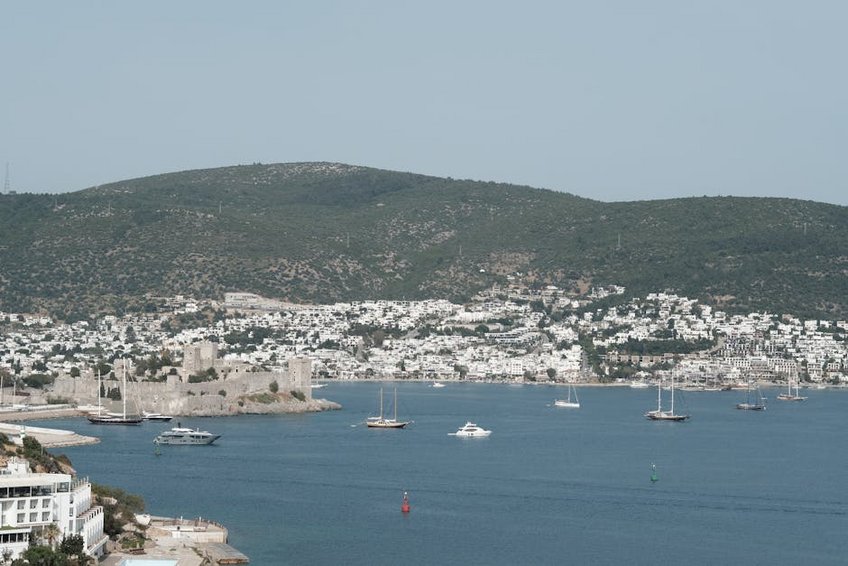
The peninsula’s crown jewel is the Bodrum Castle (Castle of St. Peter), a 15th-century Crusader fortress housing the Museum of Underwater Archaeology. Allow at least two hours to explore its towers, dungeons, and stunning collections of ancient shipwrecks. Just a short walk away, you can see the remnants of the Mausoleum at Halicarnassus, one of the Seven Wonders of the Ancient World, which provides powerful historical context.
No visit is complete without experiencing the sea. A standard “Blue Cruise” day trip on a wooden gulet, visiting three to four bays for swimming and including lunch, is a quintessential activity. For history buffs, the ancient amphitheater offers not only a well-preserved structure but also panoramic views of the city and coast, especially beautiful at sunset.
Must-See Highlights
The Bodrum Castle and its museum deserve top priority; purchase a combo ticket for the castle and Mausoleum site to save. The ancient theatre, still used for performances today, is easily accessible and free to walk around. For a unique perspective, consider a sunset sail from the main marina, which offers unparalleled views of the castle silhouette against the colorful sky.
Dedicate a half-day to exploring the neighboring village of Gümüşlük. This charming fishing village is built around the ancient ruins of Myndos, which are partially submerged in its crystal-clear waters. You can wade through the ruins to Rabbit Island, enjoying fantastic seafood restaurants along the waterfront in a much more relaxed setting than Bodrum center.
Hidden Gems and Local Favorites
Venture inland to the sleepy village of Çamlık for a traditional Turkish breakfast experience in a garden setting surrounded by pine forests. The windmills on the hill between Bodrum and Gümüşlük provide a fantastic, free panoramic photo opportunity, especially in the late afternoon light. They are a remnant of the peninsula’s agricultural past and are easily reached by car or scooter.
For a beach away from the main crowds, head to Kargı Cove or Aquarium Bay. These spots require your own transport or a determined taxi ride but reward you with quieter, cleaner waters. Alternatively, take a local dolmuş to the town of Yalıkavak not just for its modern marina, but to explore its old town market square for a more authentic shopping and dining experience.
Sailing and Boat Trip Options
The most popular option is a shared group boat trip, which departs daily from Bodrum harbor. These typically cost $25-40 USD per person, include lunch, and visit 3-4 standard bays like Karaada (for its thermal caves) and Aquarium Bay. For more flexibility, charter a private smaller boat with a captain for your group; this allows you to customize the itinerary, avoid crowds, and set your own pace, though costs start around $200-300 for a full day.
For the ultimate experience, consider a multi-day “Blue Cruise” gulet charter, sailing along the coast as far as Datça or the Greek islands. These are best booked well in advance through reputable agencies. Even if you don’t sail, stroll the marinas in the evening to admire these beautiful traditional wooden vessels.
Practical Travel Information and Logistics
Getting to and around Bodrum is straightforward with a little planning. Milas-Bodrum Airport (BJV) is the main international gateway, located about 45 minutes from the city center. Direct seasonal flights arrive from many European cities, while travelers from North America typically connect via Istanbul (IST or SAW). Havaş airport shuttle buses provide the most economical transfer to Bodrum center, while pre-booked private transfers offer door-to-door convenience.
Once on the peninsula, the local dolmuş network is extensive, reliable, and very affordable, connecting all major towns and beaches. They are easily identified by their colored stripes and destination signs. For ultimate freedom to explore remote coves and villages, renting a car or scooter is highly recommended, but be prepared for narrow, winding roads and assertive local driving styles.
| Accommodation Type | Best For / Key Features | Avg. Price Range (USD) |
|---|---|---|
| Luxury Resort | All-inclusive service, private beaches, multiple pools, spa facilities. Located in Turkbuku or Yalıkavak. | $250 – $600+ per night |
| Boutique Hotel | Character, personalized service, often in restored houses. Centrally located in Bodrum Town or Gümüşlük. | $100 – $250 per night |
| Self-Catering Villa | Families or groups, privacy, space, and kitchen facilities. Common in Ortakent, Akyarlar, or surrounding hills. | $150 – $400 per night |
| Pension / Guesthouse | Budget travelers, basic comfort, local hospitality. Found in Gümbet and Bitez. | $40 – $90 per night |