Bhutan Tiger’s Nest Monastery Difficulty: A Realistic Hiker’s Guide
Hiking to Paro Taktsang, the iconic Tiger’s Nest Monastery, is a profound physical and spiritual journey that tests your stamina against Bhutan’s Himalayan landscape. The primary challenge involves a steep 900-meter ascent on rocky trails, with thin air at 3,120 meters testing lung capacity for those unaccustomed to altitude. Understanding the exact demands of this climb is crucial for proper preparation, ensuring your visit is rewarding rather than overwhelming, and this guide details the trail conditions, required fitness, and essential planning steps for a successful pilgrimage.
Essential Taktsang Monastery Information
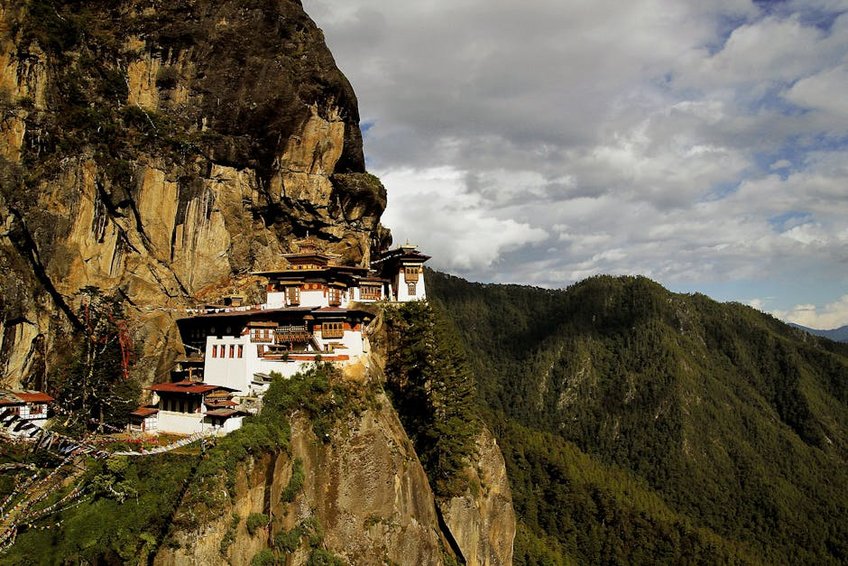
Paro Taktsang, or the Tiger’s Nest, is Bhutan’s most venerated Buddhist site, clinging to a cliff face 900 meters above the Paro Valley floor. Founded in 1692 around a cave where Guru Rinpoche meditated in the 8th century, the monastery complex symbolizes the nation’s deep spiritual heritage. The site’s architectural marvel lies in its construction, with buildings anchored directly into the rock, creating a silhouette that has become synonymous with Bhutanese identity and isolation.
Access to the monastery is strictly controlled to preserve its sanctity and manage the impact of tourism. All visitors must be accompanied by a licensed Bhutanese guide, a policy that supports local employment and ensures cultural respect. The hike is not merely a tourist activity but is considered a *ney*, or sacred place pilgrimage, for devout Buddhists, blending physical exertion with spiritual intention in a unique travel experience.
Understanding the Trail and Altitude
Grasping the route’s profile helps set accurate expectations for the ascent’s physical demands and the effects of high elevation on your body.
- The trailhead starts at 2,600 meters (8,530 feet) in the Paro Valley, culminating at the monastery viewpoint at 3,120 meters (10,240 feet). This results in a net elevation gain of approximately 520 meters (1,706 feet), though the winding path means you’ll climb closer to 900 vertical meters in total.
- Thin air becomes noticeable around the halfway point, potentially causing shortness of breath and fatigue for those arriving directly from sea level. The oxygen level is roughly 13% lower than at sea level, which significantly impacts cardiovascular exertion.
- The path is a well-maintained dirt and stone trail but includes numerous steep, uneven sections and long stone staircases, particularly the final 700-step descent and ascent to the monastery entrance itself, which is often the most challenging segment.
- Basic costs are covered under Bhutan’s mandatory daily fee of $200-250 per person, which includes the guide, transportation to the trailhead, meals, and standard accommodation. Pony rentals for the first section cost an additional $15-20 USD each way, payable locally.
- Mid-range considerations include hiring a private guide for a more personalized pace (an extra $30-50/day), booking a heritage hotel in Paro for better post-hike recovery ($150-250/night), and purchasing quality hiking poles in Thimphu before your trek ($25-40).
- Luxury upgrades involve helicopter transfers directly to a landing spot near the monastery for those unable to hike (from $2,500 per flight), booking a wellness-focused resort with spa treatments specifically for muscle recovery ($400-700/night), and arranging a private photographer-guide to document the entire journey ($500+).
- Tourism Council of Bhutan
- Lonely Planet – Taktsang Monastery Guide
Key Factors That Influence Your Experience
Several variables beyond simple fitness determine how difficult your hike will feel. Weather is the most unpredictable factor; the spring and autumn seasons offer the clearest skies and most stable conditions, while summer monsoon rains from June to August can make the rocky trail slippery and muddy. Conversely, winter months from December to February bring cold temperatures, sometimes dipping below freezing (32°F/0°C), and occasional ice on shaded sections of the path.
Your pace and strategy also dramatically affect the outcome. Guides typically recommend a slow, steady pace with frequent short breaks for hydration and acclimatization, rather than trying to power through quickly. Starting early in the morning, ideally by 8 AM, helps you avoid the stronger midday sun and potential afternoon cloud cover, making for a more comfortable and photogenic journey to this cliffside sanctuary.
Cultural Significance and Access Rules
The monastery operates as an active religious site with specific protocols. Visitors must dress modestly, and photography inside the temple buildings is strictly prohibited. You must check large bags and phones at a security point before the final bridge crossing. The interior visit involves moving quietly through dimly lit chapels adorned with ancient frescoes and statues, offering a serene counterpoint to the physical effort of the climb.
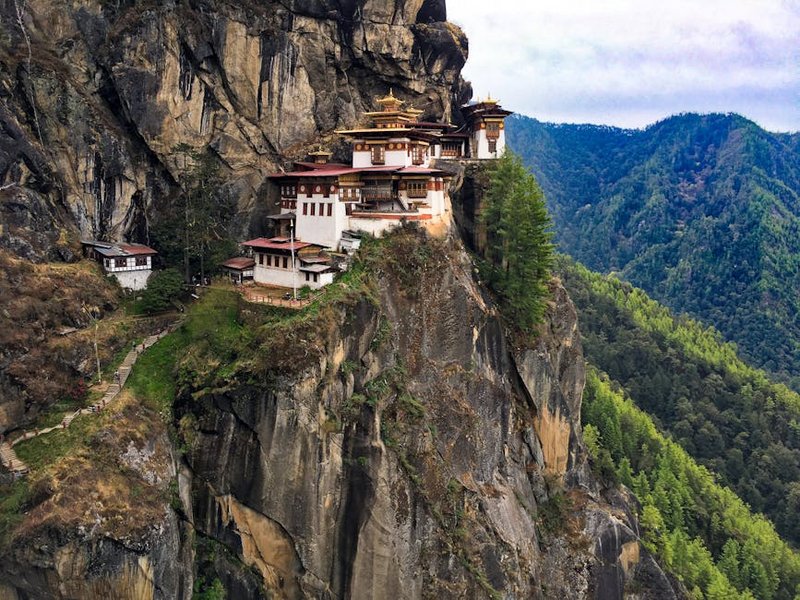
Alt: “paro-taktsang-monastery-himalayan-cliffside-trail-view”
Bhutan Tiger’s Nest Monastery Difficulty – Planning Your Hike
Successfully managing the Tiger’s Nest Monastery difficulty hinges on strategic preparation, not just raw fitness. Your itinerary should include at least one full day in Paro for acclimatization before attempting the hike, especially if you’ve flown directly into the country’s only international airport located in the valley. Budget travelers should note that the cost is part of Bhutan’s mandatory daily tariff, while independent pace-setters will need to coordinate closely with their assigned guide.
Physical preparation should begin weeks in advance, focusing on cardiovascular endurance and leg strength. Incorporating stair climbing, hill repeats, and longer weekend hikes with a weighted daypack provides the most effective training simulation. Meanwhile, mental preparation involves accepting a slow pace and understanding that the journey is integral to the experience, with stunning valley views offering natural rewards at every switchback.
Best Time to Visit for the Hike
The optimal windows for tackling the Tiger’s Nest climb are during Bhutan’s spring and autumn seasons. From March to May, temperatures range from a pleasant 50-70°F (10-21°C) with blooming rhododendrons lining the path, though occasional spring showers are possible. The primary advantage is stable trail conditions and clear skies for photography at the summit viewpoint overlooking the monastic complex.
September to November offers similarly ideal hiking conditions, with daytime temperatures of 55-72°F (13-22°C) and minimal rainfall following the monsoon. This period provides incredibly clear air and vibrant landscapes, but it also coincides with peak tourist numbers. For smaller crowds, target the very edges of these seasons—late February or early December—while being prepared for colder temperatures, especially in the early mornings at higher altitude.
Budget Planning and Costs
Since the hike is part of a broader Bhutan itinerary, costs are bundled within the daily tourist tariff, but specific expenses still apply.
Essential Preparation Checklist
Packing correctly is non-negotiable for comfort and safety on this mountain trail. Essential gear includes broken-in, ankle-supporting hiking boots, layered clothing for changing conditions, a rain jacket, a sun hat, high-SPF sunscreen, and polarized sunglasses. Trekking poles are highly recommended to reduce knee impact on the descent, and you’ll need a daypack to carry at least 2-3 liters of water, snacks, and personal medication.
Logistical preparation involves securing the Bhutanese visa through a licensed tour operator months in advance, obtaining comprehensive travel insurance that covers emergency helicopter evacuation, and visiting a travel clinic for recommended vaccinations. Discuss any health concerns with your doctor, particularly regarding altitude, and ensure you have a basic first-aid kit with blister treatment, pain relievers, and any personal prescription medications clearly labeled for the journey.
Navigating the Hike and Trail Sections
The ascent to Taktsang is mentally easier when broken down into its four distinct segments, each with unique challenges and landmarks. The initial forested section offers gentle slopes, while the midpoint features the steepest sustained climb. Reaching the cafeteria marks a psychological victory, and the final descent to the monastery entrance tests balance and leg strength. Recognizing these phases helps you pace your energy and appreciate the progression of this pilgrimage route.
Most hikers complete the round trip in 4-6 hours of moving time, plus an hour for visiting the monastery interior and stopping at the cafeteria. The descent often takes only two-thirds of the ascent time but can be harder on the knees and quadriceps. Guides strategically plan rest stops at viewpoints and the cafeteria to manage group energy levels, ensuring everyone has the stamina to complete the journey and fully appreciate the cultural destination.
Must-See Highlights Along the Route
The trail offers more than just a grueling climb; it’s a journey past several significant landmarks. The first major stop is a large prayer wheel and a viewpoint roughly one-third of the way up, providing the first clear photo opportunity of the distant monastery. Further along, you’ll pass hundreds of colorful prayer flags strung across the valley, their fluttering adding a spiritual soundtrack to the physical effort of the hike.
The Taktsang Cafeteria, located about two-thirds of the way up, serves as the main resting point with a direct, stunning view of the monastery across the gorge. Here, you can enjoy complimentary tea and a simple lunch. The final highlight is the waterfall and the sacred rock bridge you cross just before entering the monastery complex, a moment that symbolizes the transition from the worldly climb to the sacred space, completing the physical and symbolic journey.
Hidden Gems and Local Favorites
Beyond the main trail, several lesser-known spots offer deeper insight. Experienced guides may show you the smaller, often-overlooked Ugyen Tsemo Temple on the ridge above Taktsang, requiring a short additional climb but granting even more panoramic views. In the Paro Valley below, the National Museum housed in the ancient Ta Dzong watchtower provides essential cultural context that enriches the pilgrimage’s historical significance.
Locals often recommend visiting Kyichu Lhakhang, one of Bhutan’s oldest temples in Paro town, either before your hike for blessings or after for quiet reflection. For a unique perspective, some tour operators arrange a special evening *chiwang* (traditional dance) performance at a farmhouse after the hike, celebrating your accomplishment with local culture and cuisine, turning the physical achievement into a fuller cultural immersion.
Photography Tips for the Journey
Capturing the scale and beauty requires planning, as the best light occurs in the morning. The iconic frontal view of the monastery is shot from the cafeteria viewpoint, best lit before 11 AM. Use a zoom lens to compress the distance and highlight architectural details against the cliff face. Inside, remember that photography is prohibited, so focus your camera on the exterior details, prayer wheels, and the dramatic landscape that frames this sacred site.
Practical Travel Information for Paro
Reaching and staying in Paro requires understanding Bhutan’s unique tourism model. All travel must be arranged through a licensed Bhutanese tour operator who handles visas, guides, and the mandatory daily package. The nearest airport is Paro International Airport (PBH), with direct flights from Singapore, Bangkok, Kathmandu, and several Indian cities. Overland entry is possible from India through the Phuentsholing border, followed by a six-hour drive to Paro Valley.
Accommodation in Paro ranges from traditional farmstays to international-grade resorts, all vetted and approved by the Tourism Council of Bhutan. Most hotels are built in traditional architectural style, with woodwork and paintings reflecting local culture. Given the physical demands of the hike, choosing lodging with hot showers, comfortable beds, and proximity to the trailhead can significantly impact your recovery and overall experience in the mountain kingdom.
| Category | Options/Features | Price Range (USD) |
|---|---|---|
| Budget Guesthouse | Simple rooms, shared bathroom, basic Bhutanese meals included, family-run | $80-120/night* |
| Mid-Range Hotel | Private bathroom, heating, WiFi, restaurant, traditional décor, guided tour arrangement | $150-250/night* |
| Luxury Resort | Spacious suites, valley views, spa, fine dining, cultural programs, airport transfers | $400-800/night* |
| Heritage Farmstay | Authentic rural experience, home-cooked meals, cultural immersion, limited amenities | $100-180/night* |