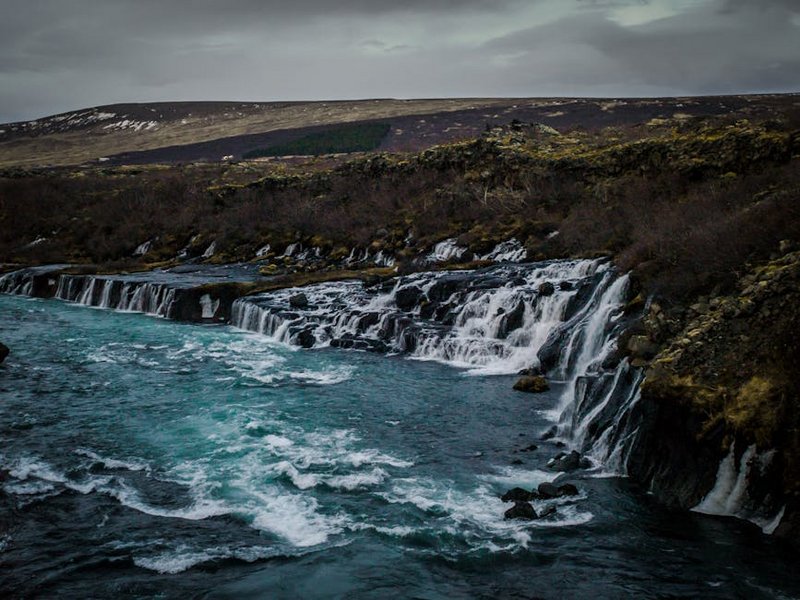
Waterfall Tours in the Black Sea Region
Exploring the lush, dramatic landscapes of Turkey’s northern coast through waterfall tours in the Black Sea Region reveals a world of emerald forests, misty canyons, and thunderous cascades. This guide provides the essential logistics, seasonal timing, and cultural context you need to plan a successful journey, from navigating the winding mountain roads to discovering hidden local eateries. We’ll cover the premier falls, the optimal months for photography and hiking, and how to experience the unique hospitality of this verdant part of Turkey, ensuring your adventure is both seamless and deeply rewarding.
Essential Black Sea Region Geography and Climate
The Turkish Black Sea coast, stretching from the Bulgarian to the Georgian border, is defined by the steep, rain-drenched Pontic Mountains rising sharply from the shoreline. This rugged topography, with its numerous river systems carving deep gorges, creates the perfect conditions for hundreds of waterfalls, ranging from gentle cascades to powerful, multi-tiered plunges. The climate is humid subtropical, with significant precipitation feeding the dense forests and ensuring the waterfalls flow vigorously for much of the year, unlike many arid regions of Turkey.
You will encounter a distinct cultural landscape shaped by this environment, with traditional wooden homes, tea plantations clinging to hillsides, and a cuisine rich in fish, corn, and greens. The region’s infrastructure has improved significantly, but travel still involves navigating serpentine roads that demand careful planning. Understanding this unique geographic and cultural setting is the first step to appreciating your waterfall exploration beyond just the visual spectacle.
Understanding the Regional Landscape
The terrain directly influences your tour experience. Key factors include elevation changes, road conditions, and river accessibility.
- The coastline highway (D010) provides main access, but reaching most falls requires turning inland onto narrower, winding mountain roads that can be steep and slow-moving, especially for larger vehicles or coaches.
- Elevations vary dramatically; you might start at sea level and climb to over 1,000 meters (3,280 feet) within a short distance, affecting temperature and trail difficulty at different waterfall sites.
- River levels are highly seasonal, with peak flow occurring in late spring (May-June) from snowmelt and during autumn (October-November) rains, directly impacting a waterfall’s power and the safety of viewing platforms.
- Budget Self-Guided: $35-55 per day. Includes hostel/basic guesthouse, public dolmuş (minibus) transport between towns (e.g., Trabzon to Çamlıhemşin ~$8), park entry fees ($1-3 per fall), and self-catered meals. Requires research and flexibility with schedules.
- Mid-Range Independent: $80-130 per day. Covers a compact rental car ($30-45/day), comfortable boutique hotels or pensions, restaurant meals featuring local trout and cornbread, and paid attractions. Offers the best balance of comfort and freedom.
- Premium Guided Tour: $150-250 per day. Includes private transport with driver/guide, stays in upscale hotels like the Rixos in Trabzon, all meals and entry fees, and curated itineraries to hidden spots. Ideal for a seamless, informative experience without logistical worries.
- Turkey Ministry of Culture and Tourism Portal
- Lonely Planet Black Sea Coast Travel Guide
The Unique Humid Climate
Weather patterns here differ drastically from the Mediterranean south. Expect high humidity and frequent, sudden rainfall even in summer. Average summer temperatures along the coast range from 68-79°F (20-26°C), but it feels warmer due to humidity, while inland mountain areas can be 10-15°F (5-8°C) cooler. Winters are wet and chilly, with coastal areas seeing 41-50°F (5-10°C) and interior highlands receiving significant snow, which closes some secondary roads and waterfall accesses from December through March.
This consistent moisture is what creates the region’s famed greenery and sustains the waterfalls. However, it also means you must pack for variable conditions, with a quality waterproof jacket and sturdy, non-slip footwear being non-negotiable items, regardless of the forecast. The mist from the falls themselves often creates a localized microclimate of spray on viewing paths.
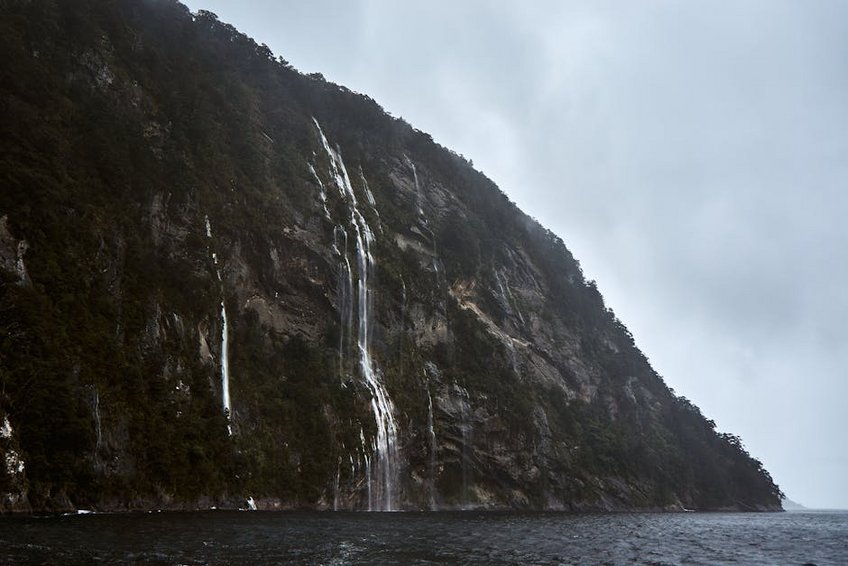
Alt: “tortum-waterfall-black-sea-turkey-forest-canyon”
Waterfall Tours in the Black Sea Region – Planning Your Trip
Organizing a successful cascade-hopping adventure requires aligning your visit with seasonal conditions and understanding travel logistics across a dispersed area. A well-planned waterfall tour in the Black Sea Region balances iconic stops with off-path discoveries while accounting for driving times that are longer than distances suggest. You should decide whether to base yourself in a central city like Trabzon or Rize and take day trips, or to embark on a multi-day road trip moving between valleys.
Independent travel by rental car offers maximum flexibility to explore at your own pace, which is highly recommended for photography enthusiasts or those seeking solitude. Conversely, guided group tours from major cities efficiently handle logistics and provide valuable local context about geology and folklore, ideal for first-time visitors or those uncomfortable with mountain driving. Your choice will define the rhythm and depth of your experience.
Best Time to Visit for Waterfall Tours
The prime window for waterfall tours in the Black Sea Region is from late May to mid-October. May and June offer the most powerful flows from spring snowmelt, with vibrant green landscapes and comfortable temperatures of 59-72°F (15-22°C). July and August are peak tourist months, with warmer weather around 68-79°F (20-26°C) but also higher chances of afternoon showers and more crowded sites, especially on weekends.
September and early October present an excellent compromise, with strong water volumes from autumn rains, stunning fall foliage in the higher forests, and fewer visitors. While some facilities in remote areas may begin to reduce hours after September, the overall conditions for hiking and photography are superb. Winter visits are only for the adventurous, as many roads to interior falls like Tortum or Uzungöl are snow-covered and potentially hazardous.
Budget Planning and Costs
Costs vary based on travel style, from budget-friendly self-drive trips to all-inclusive guided expeditions.
Essential Preparation Checklist
Packing correctly is crucial for comfort and safety on the trails and roads. Your kit must handle rain, mud, and variable temperatures. Essential gear includes waterproof hiking boots with excellent ankle support and traction, a lightweight rain jacket and pants, quick-dry clothing layers, and a backpack with rain cover. Don’t forget a power bank for your phone, as navigation is key.
Documentation includes your passport, an International Driving Permit if renting a car, and travel insurance that covers hiking and potential road incidents. Book rental cars and popular accommodations at least two months in advance for summer travel. Finally, download offline maps (Google Maps or Maps.me) for the region, as cellular service can be unreliable in the deep valleys and forested areas between waterfall sites.
Top Waterfall Attractions and Natural Sites
The region boasts dozens of notable cascades, each with its own character and setting. The most famous are often developed with walkways, viewing platforms, and cafes, while others require modest hikes through pristine forest. A well-rounded itinerary mixes these iconic stops with quieter alternatives to appreciate the full spectrum of the landscape. Beyond the waterfalls themselves, the surrounding national parks and highland plateaus (yaylas) are integral to the experience, offering breathtaking vistas and cultural encounters.
Concentrate your exploration in key clusters to minimize driving. The Çamlıhemşin/Ardeşen area in Rize province is a premier hub, home to multiple major falls like Palovit and Şehitler within a relatively compact area. Further east, the Tortum area near Erzurum features one of Turkey’s most powerful single-drop waterfalls. Meanwhile, the vicinity of Trabzon offers easier access to coastal falls like Sera Lake’s cascades, suitable for shorter visits or less mobile travelers.
Must-See Highlights
Several waterfalls stand out for their scale, beauty, and accessibility. Tortum Waterfall, northeast of Erzurum, is the region’s mightiest, with a 48-meter (157-foot) main drop into a serene blue pool; visit in late morning for the best light hitting the cascade face, and expect a small entry fee. Palovit Waterfall near Çamlıhemşin is a spectacular multi-tiered fall deep in the Fırtına Valley, accessible via a short, well-maintained path from the road; the surrounding beech and fir forest is a UNESCO World Heritage candidate site.
Şehitler (Martyr) Waterfall, also in the Fırtına Valley, is renowned for the ethereal mist that fills the canyon around its 70-meter (230-foot) drop, creating constant rainbows on sunny days. For a unique experience, visit Sera Lake in Trabzon, where a man-made lake created by a 1950s landslide is fed by gentle, accessible cascades, perfect for a tranquil stroll. Each of these sites has basic facilities like parking, small cafes, and restrooms.
Hidden Gems and Local Favorites
Venture slightly off the main circuit to discover less-crowded cascades with a more authentic feel. Haldizen Waterfall, located higher in the Kaçkar Mountains, requires a more committed drive and a 20-minute hike but rewards with a powerful, secluded plunge in a dramatic alpine setting; it’s best visited July-September when the highland road is clear. Çal Cave and Waterfall near Düzköy combines a visit to an impressive karst cave with a walk to a lovely waterfall, offering two distinct natural attractions in one stop.
For a truly local experience, ask in villages about smaller, unnamed falls. In areas like the İkizdere valley, farmers often know of beautiful cascades on their land that aren’t on tourist maps. Always seek permission before crossing private property. These spontaneous discoveries, often shared over a cup of çay (tea), provide some of the most memorable moments of a Black Sea waterfall tour.
Integrating Highland Plateaus (Yaylas)
Your waterfall exploration should include visits to nearby yaylas, the summer pasture settlements that define Black Sea culture. Places like Ayder Yaylası, accessible from Çamlıhemşin, offer stunning mountain panoramas, traditional wooden architecture, and the chance to taste fresh local honey and butter. Visiting a yayla provides context, showing the source of the rivers that create the waterfalls and illustrating the pastoral life that has shaped this landscape for centuries. Many tour routes naturally connect waterfalls with these highland areas.
Practical Travel Information and Logistics
Navigating the Black Sea Region requires an understanding of its transport network and accommodation options. The main gateway airports are Trabzon (TZX) and, to a lesser extent, Samsun (SZF). From these hubs, you’ll transition to road travel. While major towns are well-connected by bus, reaching specific waterfalls almost always requires a car, taxi, or guided tour vehicle. The road quality is generally good but often narrow, winding, and shared with logging trucks, demanding a confident driver.
Accommodation ranges from international chain hotels in Trabzon to charming family-run pensions (pansiyons) in valleys like Fırtına. Staying in a pansiyon, often built in traditional Black Sea style with wooden interiors, significantly enhances the cultural experience, with hosts frequently offering home-cooked meals and personalized advice on visiting nearby natural attractions. Booking these smaller properties often requires direct phone calls or messages, as they may not be listed on global platforms.
| Transportation Mode | Best For / Key Features | Approx. Daily Cost (USD) |
|---|---|---|
| Rental Car | Maximum flexibility, ideal for photographers & explorers. Book automatic transmission early. | $30 – $60 |
| Private Driver/Guide | Stress-free navigation, local knowledge, door-to-door service. Costs are per car, not per person. | $150 – $300 |
| Public Dolmuş & Taxi | Reaching town hubs like Çamlıhemşin. Requires taxi negotiation for final leg to falls. | $10 – $40 |
| Guided Group Tour | All-inclusive, social, educational. Departs from Trabzon or Rize hotels. | $70 – $120 per person |