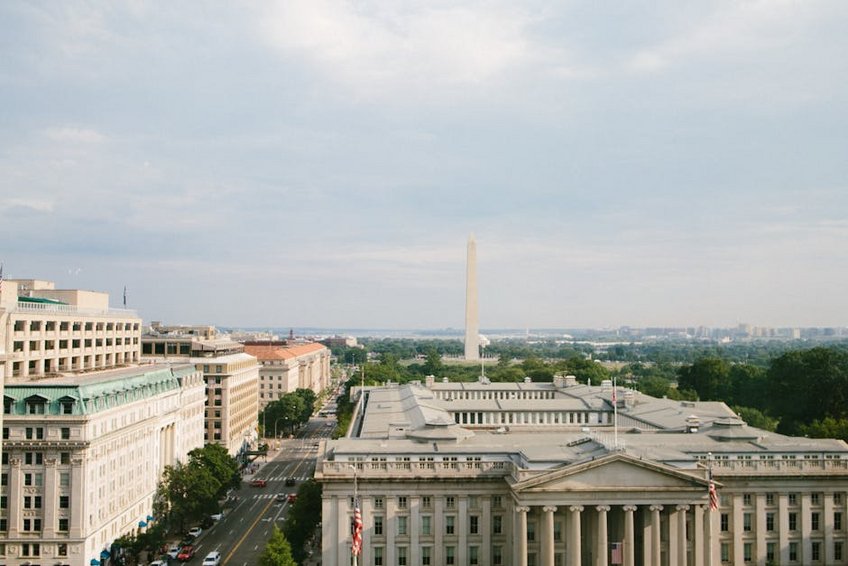
Washington DC Travel Guide: Navigating America’s Historic Capital
Planning your Washington DC travel adventure unlocks direct access to American history, world-class museums, and powerful political landmarks all within a walkable downtown core. Your visit connects you to iconic monuments on the National Mall, diverse culinary neighborhoods like Adams Morgan, and cultural institutions offering free admission. This guide provides the essential itinerary planning, seasonal timing, and practical logistics you need for a seamless and enriching trip to the nation’s capital.
Essential Information About Washington DC
Washington DC operates as the United States federal district, not a state, created from land donated by Maryland and Virginia in 1790. The city’s unique design by Pierre Charles L’Enfant features broad diagonal avenues intersecting a grid, creating its characteristic traffic circles and iconic vistas. Understanding this layout helps you navigate efficiently between Capitol Hill, the White House, and the memorial parks.
DC’s cultural landscape thrives on its role as an international hub, blending political power with vibrant local communities. The District’s population includes diplomats, government workers, students, and long-term residents across diverse neighborhoods. This mix creates a dynamic atmosphere where power lunches and policy debates happen alongside lively music scenes and innovative food markets.
Key Facts and Figures
Before you visit, these foundational details will help with planning.
- Size and Population: DC covers 68 square miles (176 sq km) with approximately 670,000 residents, making it a compact yet dense urban destination ideal for walking and public transit exploration.
- Governance: The District operates under a unique federal oversight system with a mayor and council, but Congress retains ultimate authority, a status reflected in the “Taxation Without Representation” license plates.
- Tourism Impact: The capital welcomes over 24 million visitors annually, with peak seasons during spring’s Cherry Blossom Festival and summer’s Independence Day celebrations requiring advanced planning for accommodations.
- Budget Traveler: $90-130 per day covers hostel dorm beds ($35-55), Metro transit ($13 daily pass), food truck meals ($8-12), and free museum admissions, prioritizing Smithsonian galleries and self-guided monument walks after dark.
- Mid-Range Explorer: $180-250 daily includes hotel rooms near Metro stations ($120-160), sit-down restaurant meals ($25-40), attraction tours like Capitol building visits (free but requiring advance passes), and occasional ride-share trips between neighborhoods.
- Luxury Experience: $350-500+ per day provides four-star hotels near the National Mall ($250-350), fine dining at Michelin-recognized restaurants ($75-120), private guided monument tours ($60-100 per hour), and premium theater or concert tickets at the Kennedy Center.
- Destination DC Official Tourism Site
- Smithsonian Institution Visit Information
- National Park Service National Mall Guide
The District’s Unique Status
Washington DC’s political status directly impacts your visit, from seeing embassies to understanding local advocacy. The District lacks voting representation in Congress, a ongoing topic for residents displayed on city signage and in local discourse. This federal oversight influences everything from budget allocations to local lawmaking procedures visible during your stay.
Embassy Row along Massachusetts Avenue showcases over 175 foreign missions, offering a unique architectural tour of international styles. Many embassies host annual cultural open houses, typically in May, providing rare public access and showcasing global traditions. These events require checking specific embassy websites for dates and ticketing information as they are not centrally coordinated.
Historical Foundations
The city’s development mirrors America’s growth, with layers of history visible in its buildings and museums. After being burned during the War of 1812, reconstruction established the neoclassical marble architecture now defining its federal character. The 1901 McMillan Plan further reshaped the National Mall into its current monumental core, creating the spacious greensward you walk today.
Civil rights and protest history permeate DC’s spaces, from the Lincoln Memorial steps where Martin Luther King Jr. spoke to the ongoing demonstrations on the National Mall. Museums like the National Museum of African American History and Culture provide deep context for this legacy. Your exploration benefits from recognizing these layers of narrative within the physical landscape.
Alt: “washington-dc-national-mall-monuments-sunset-view”
Washington DC Travel Guide – Planning Your Trip
Creating a successful Washington DC itinerary balances iconic monument visits with neighborhood exploration and museum deep dives across three to five days. Prioritize timed-entry reservations for popular attractions like the United States Holocaust Memorial Museum and the Washington Monument elevator months in advance. Your planning should account for substantial walking distances between Mall landmarks, often farther than they appear on maps.
Budget considerations vary significantly based on accommodation choices, as hotel prices in downtown and Capitol Hill can triple during peak political events or festival weeks. Dining costs range from affordable food truck lunches near Smithsonian museums to fine dining in the Wharf district. Purchasing a SmarTrip card for Metro and bus transit provides the most efficient and cost-effective transportation for moving beyond the core tourist zones.
Seasonal planning dramatically affects your experience, with summer heat and humidity challenging outdoor monument tours while offering long daylight hours. Shoulder seasons in late spring and early fall provide milder temperatures and fewer school groups at major museums. Winter visits bring smaller crowds and hotel discounts, though some outdoor events and gardens have limited operations.
Best Time to Visit Washington DC
Peak tourist season runs from late March through early June, coinciding with the National Cherry Blossom Festival and ideal 60-75°F (15-24°C) temperatures. These months offer beautiful floral displays around the Tidal Basin but require booking accommodations six months ahead due to high demand from international visitors and school groups. Expect longer lines at security checkpoints for all federal buildings and museums during this popular period.
Shoulder seasons in September-November and February-March provide cooler 45-65°F (7-18°C) weather with reduced hotel rates outside major event weeks. This timing allows for comfortable walking between sites and better restaurant availability without the extreme summer humidity. Winter from December to January sees temperatures between 30-45°F (-1 to 7°C) with potential for light snow, creating beautiful monument views with very few crowds outside the holiday week.
Budget Planning and Costs
Daily budgets vary based on your travel style and accommodation location.
Essential Preparation Checklist
Pack comfortable walking shoes with good support for 5-10 miles of daily pavement exploration, along with layered clothing for variable indoor-outdoor transitions. Bring a reusable water bottle for refilling at museum fountains and a portable phone charger for extensive navigation and photography use throughout long days. Weather-appropriate gear includes a compact umbrella for sudden showers and sunscreen for extensive outdoor monument viewing.
Documentation requires only a government-issued ID for domestic travelers, though passports are needed for international visitors and recommended for accessing certain government buildings. Book timed-entry passes for the National Museum of African American History and Culture exactly 30 days in advance at 8 AM Eastern Time online. Download the DC Metro and Bus app for real-time transit tracking and purchase a SmarTrip card upon airport arrival for immediate use.
Top Attractions and Monumental Experiences
DC’s monumental core along the National Mall stretches two miles from the Lincoln Memorial to the United States Capitol, housing the nation’s most iconic symbols. The Smithsonian Institution’s nineteen museums and galleries, plus the National Zoo, offer unparalleled free access to collections spanning art, history, science, and culture. Beyond this federal center, neighborhoods like Georgetown and the U Street Corridor provide contrasting historical narratives and contemporary energy.
Many visitors underestimate the physical scale between landmarks—the walk from the Washington Monument to the Lincoln Memorial alone covers 1.2 miles. Planning your monument visits geographically minimizes backtracking and maximizes your energy for museum exploration later. Evening monument visits provide dramatic lighting, smaller crowds, and beautiful reflections in the Reflecting Pool, though some interior spaces close after dusk.
Must-See National Mall Highlights
The Lincoln Memorial remains the Mall’s most visited site, offering powerful views across the Reflecting Pool toward the Washington Monument. Visit early morning or late evening to experience its solemn grandeur with fewer tour groups, reading the Gettysburg Address inscribed on the chamber walls. Free access operates 24 hours daily with park rangers present from 9:30 AM to 10 PM for questions.
Washington Monument visits require same-day free tickets or advanced reservations for the 500-foot elevator ascent to observation windows. The ten-minute ride offers panoramic views reaching to Virginia and Maryland on clear days, with the best visibility in morning hours before haze develops. Security screening prohibits large bags, so travel light when planning your ascent.
The United States Capitol building offers free guided tours through the Capitol Visitor Center, showcasing the Rotunda, National Statuary Hall, and Crypt. Request passes through your congressional representative’s office three months ahead for the most comprehensive access, including the House and Senate galleries when in session. Allow two hours minimum for the full tour experience and adjacent exhibition halls.
Hidden Gems and Local Favorites
Theodore Roosevelt Island provides a natural escape just across the Potomac from Georgetown, featuring forest trails and memorials to the conservationist president. Accessed via a pedestrian bridge from the Virginia side, this 88-acre preserve offers quiet walking paths with views of the Kennedy Center and Key Bridge rarely seen by tourists. Combine with a visit to nearby Georgetown for a full morning of contrasting urban and natural experiences.
Meridian Hill Park showcases early 20th century landscape design with cascading fountains, formal gardens, and Sunday afternoon drum circles attracting local communities. Located in the Columbia Heights neighborhood, this National Historic Landmark offers stunning views of the city skyline and a vibrant gathering space reflecting DC’s diverse cultural fabric. Visit on Sunday afternoons from spring through fall for the iconic drum circle experience.
Museum Strategy and Planning
Smithsonian museums require strategic planning to avoid overwhelm, as attempting more than two major institutions per day leads to exhibition fatigue. Start with the Air and Space Museum or Natural History Museum in the morning when crowds are lightest, saving art museums like the National Gallery for afternoon hours. Utilize the Smithsonian mobile app for interactive maps, daily schedules, and special exhibition information to optimize your time.
The National Museum of African American History and Culture represents the Smithsonian’s newest and most in-demand institution, requiring advance timed-entry passes distributed online thirty days prior. Begin your visit on the lower history galleries and work upward through culture and community exhibits, allowing three to four hours for meaningful engagement. The Sweet Home Cafe on the concourse level offers excellent regional African American cuisine for lunch breaks.
Practical Travel Information and Logistics
Navigating Washington DC combines straightforward Metro rail travel with extensive walking through its planned street grid. The WMATA system’s six color-coded rail lines connect all major neighborhoods, airports, and suburban attractions with frequent service from 5 AM to midnight weekdays. Purchase a rechargeable SmarTrip card for seamless transfers between Metro trains and buses, available at all station kiosks and online before arrival.
Accommodation geography significantly impacts your daily experience, with downtown hotels offering walkable Mall access at premium prices compared to value options near Metro stations in neighborhoods like Dupont Circle or Foggy Bottom. Consider hotel locations relative to your planned activities—Capitol Hill proximity benefits early morning monument photography, while Georgetown adjacency supports evening dining and shopping exploration.
| Accommodation Area | Best For | Price Range (USD/Night) |
|---|---|---|
| Downtown/Penn Quarter | First-time visitors, walkable Mall access, theater district | $180-350 |
| Capitol Hill | Government building tours, library researchers, early monument access | $160-300 |
| Dupont Circle/Adams Morgan | Nightlife, dining diversity, boutique shopping, embassy views | $140-280 |
| Georgetown | Historic charm, waterfront dining, upscale shopping, university atmosphere | $200-400+ |
| Alexandria, VA (Metro Access) | Budget options, colonial history, Potomac views, extended stays | $120-220 |